If you’re looking for a unique (and free!) museum to visit in Maryland, the National Cryptologic Museum near Fort Meade is a hidden gem. Located just outside Washington, D.C., this fascinating museum shares the secret history of American codebreaking, espionage, and national defense. From World War II Enigma machines to Cold War “Hotline” phones, visitors can explore thousands of artifacts that were once shrouded in secrecy. In this post, we’ll share everything you need to know to plan your visit, including hours, location, and tips, plus our review and photos from our time at the museum.
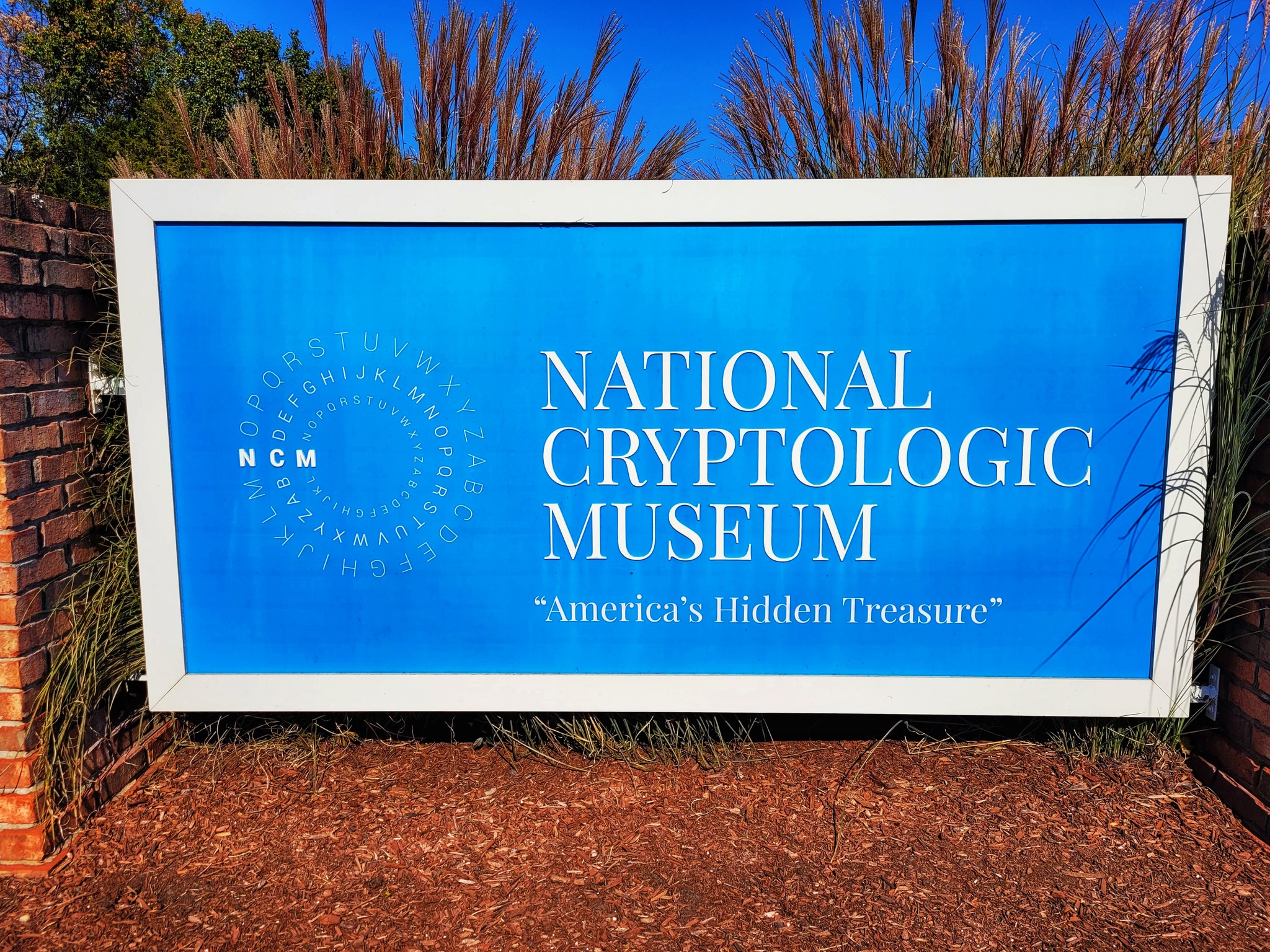
How to Visit the National Cryptologic Museum
Location: 8290 Colony Seven Road, Annapolis Junction, MD 20701
The museum is located at NSA headquarters, right before the security gate
Hours: Tuesday-Saturday 10am-4pm
Admission: Free!
Website: https://www.nsa.gov/museum/
About the National Cryptologic Museum
The National Cryptologic Museum turned out to be one of those hidden gems we never knew we’d enjoy so much. Tucked right next to the NSA, it’s packed with thousands of artifacts that pull back the curtain on America’s secret code-breaking history. Walking through the exhibits, you don’t just see old machines behind glass, you get a sense of the people who worked in total secrecy, the techniques they developed, and the critical role they played in national defense.
Some of the displays are jaw-dropping, especially if you’re into history. We got to see (and use!!!) a real German Enigma machine from World War II, the one the Nazis thought was unbreakable, along with the U.S. Army’s Sigaba cipher machine that kept Allied communications secure. Standing in front of them, it’s wild to think how much world history turned on those codes being cracked or protected.
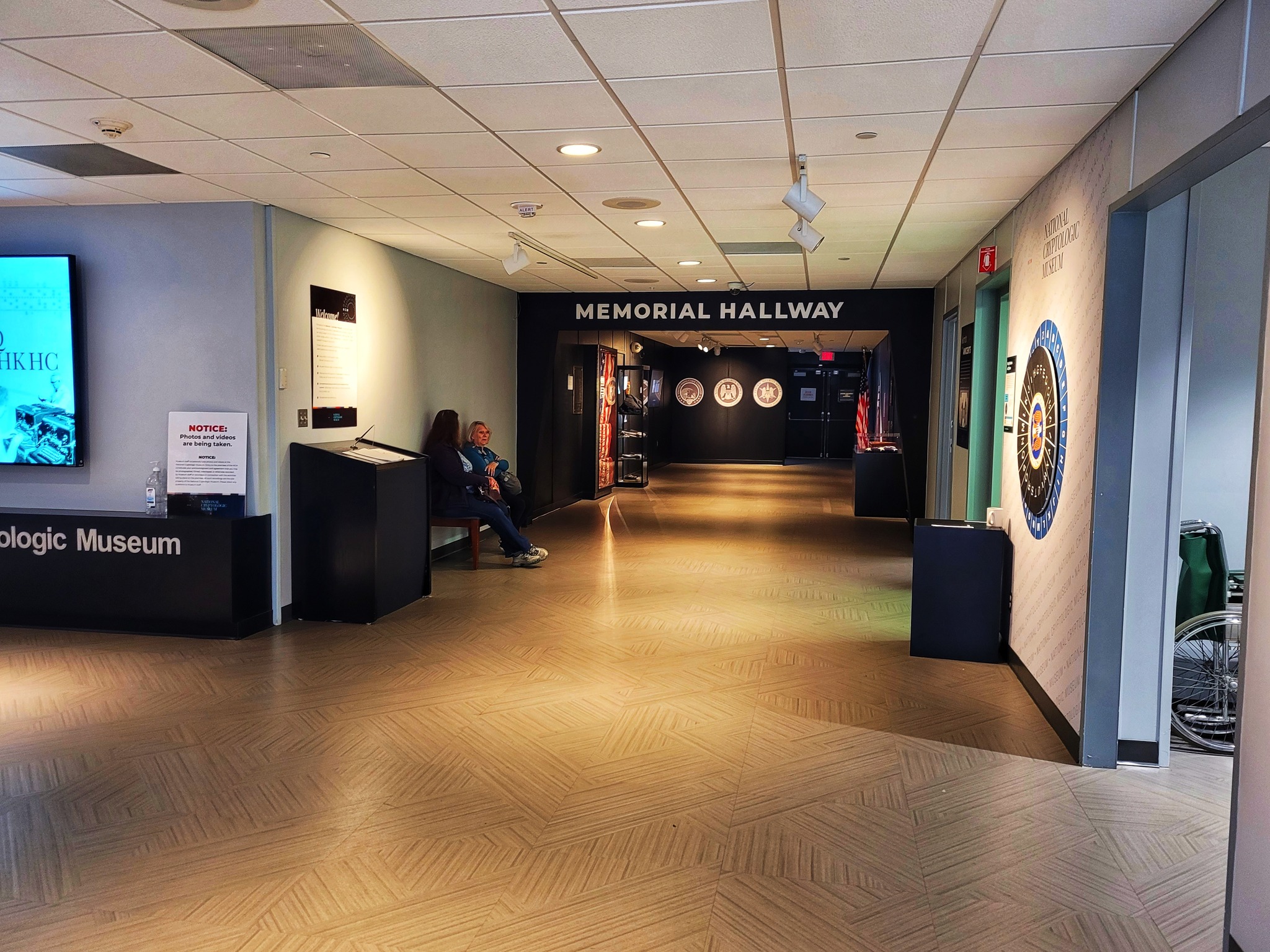
The museum does a great job of covering the full scope of cryptology, from George Washington’s very first spy ring, to Native American code talkers, to Cold War “Hotline” phones, all the way up to modern encryption. It’s a fascinating mix of espionage, technology, and human ingenuity that makes you appreciate how much of our history has been shaped behind the scenes.
Best of all- it’s free to visit, and you don’t need a security clearance to walk through the doors. If you’re in the area, it’s absolutely worth a stop.

My Favorite Things at the NSA’s Museum
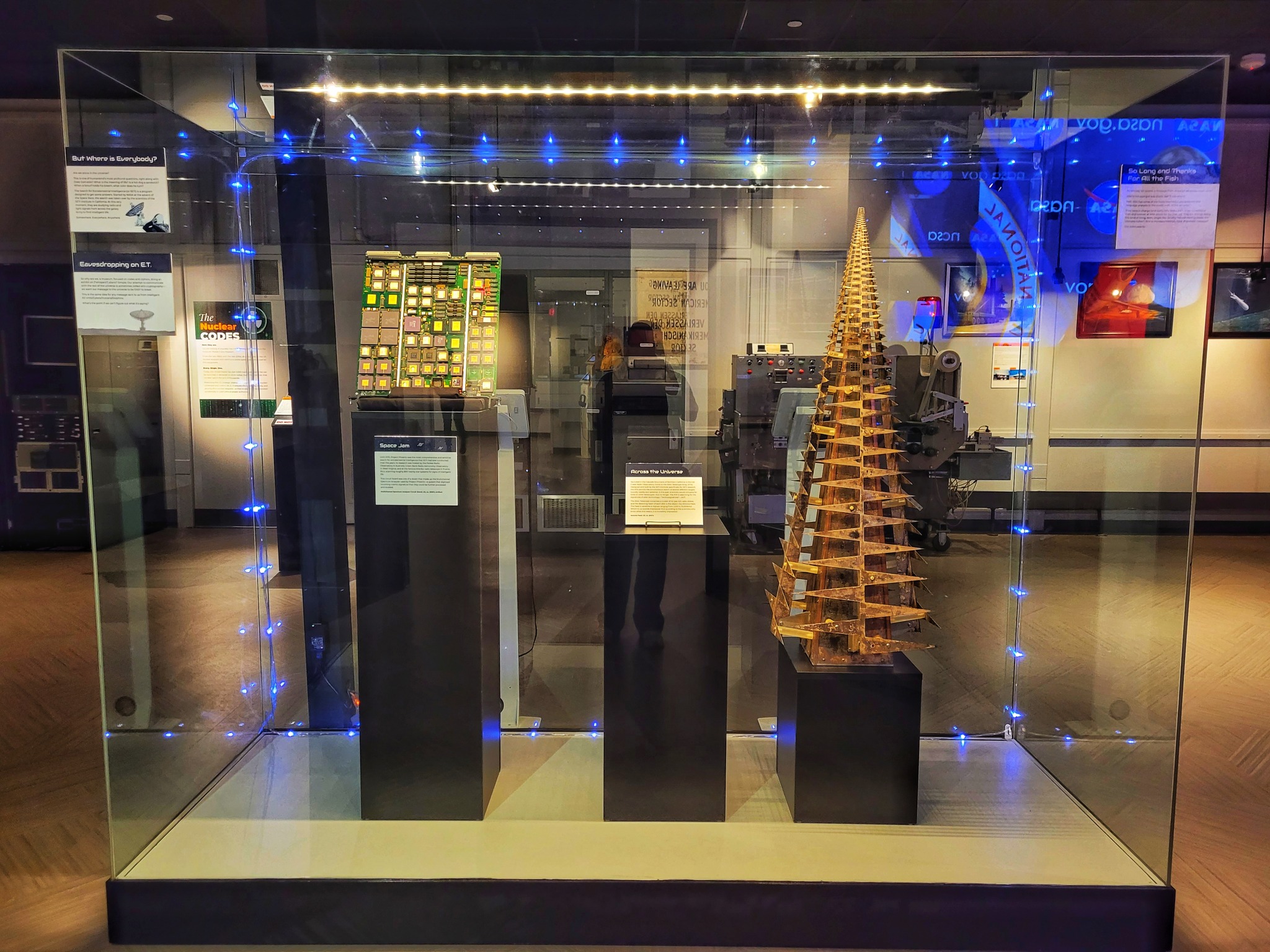
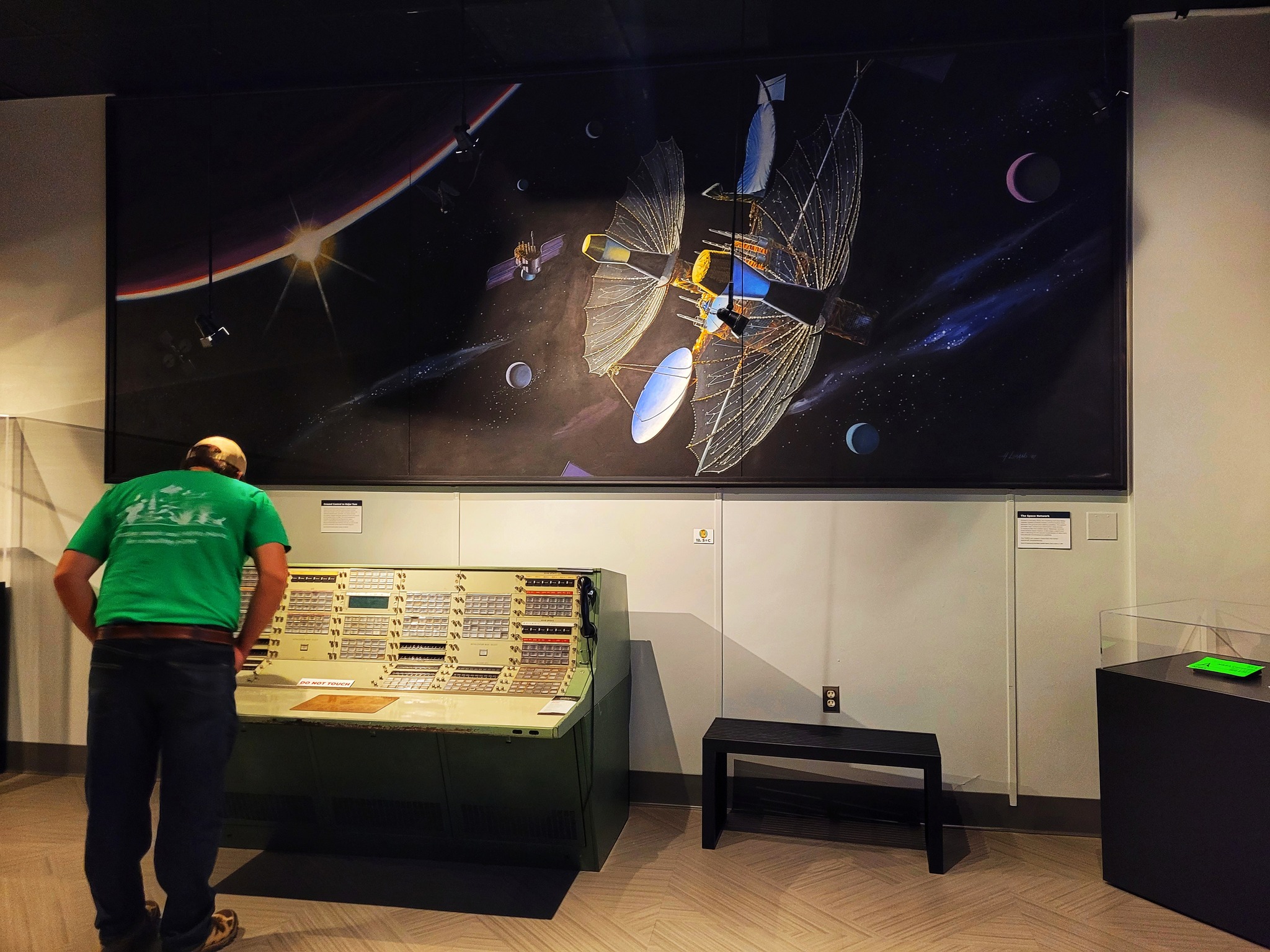
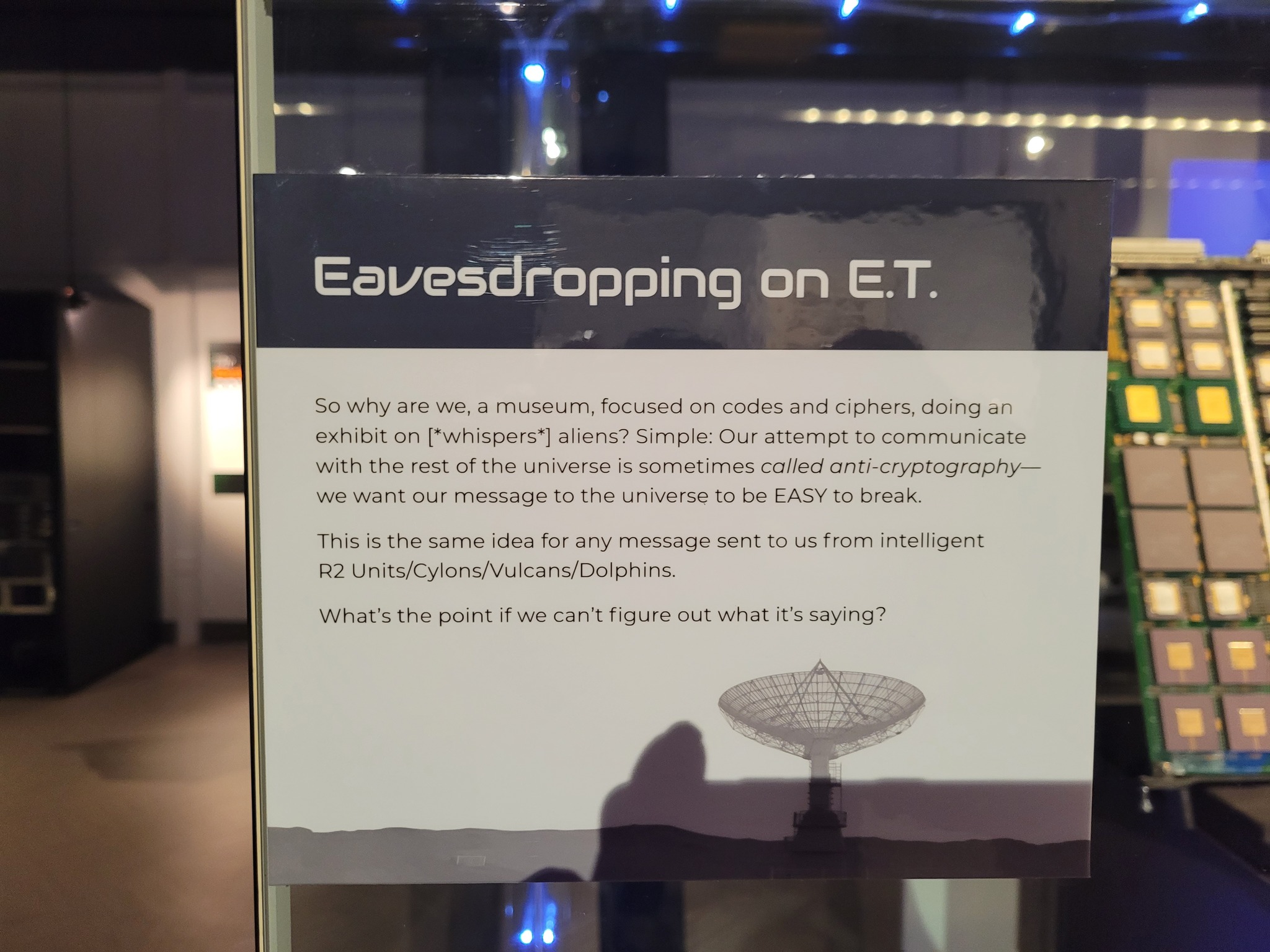
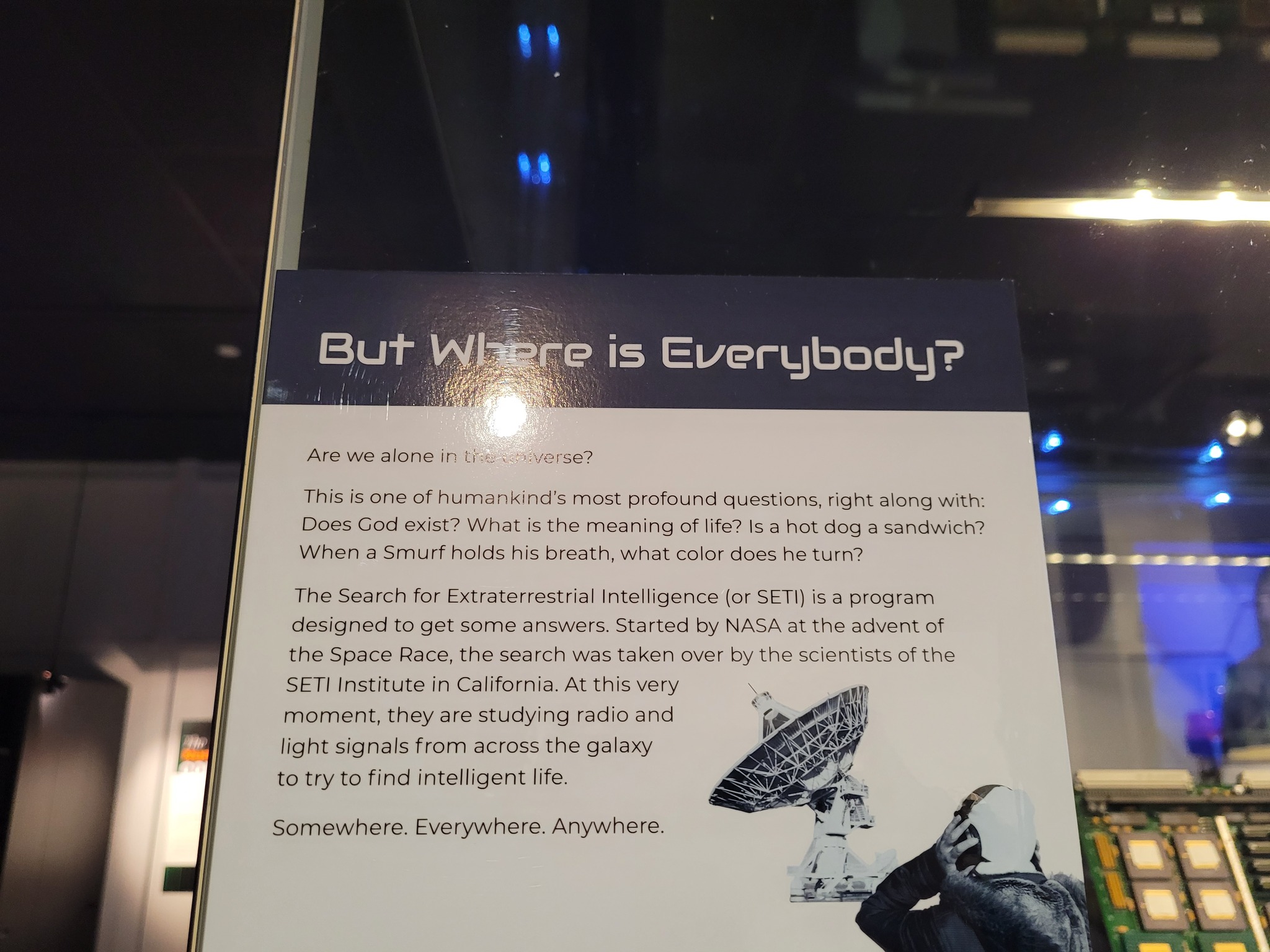
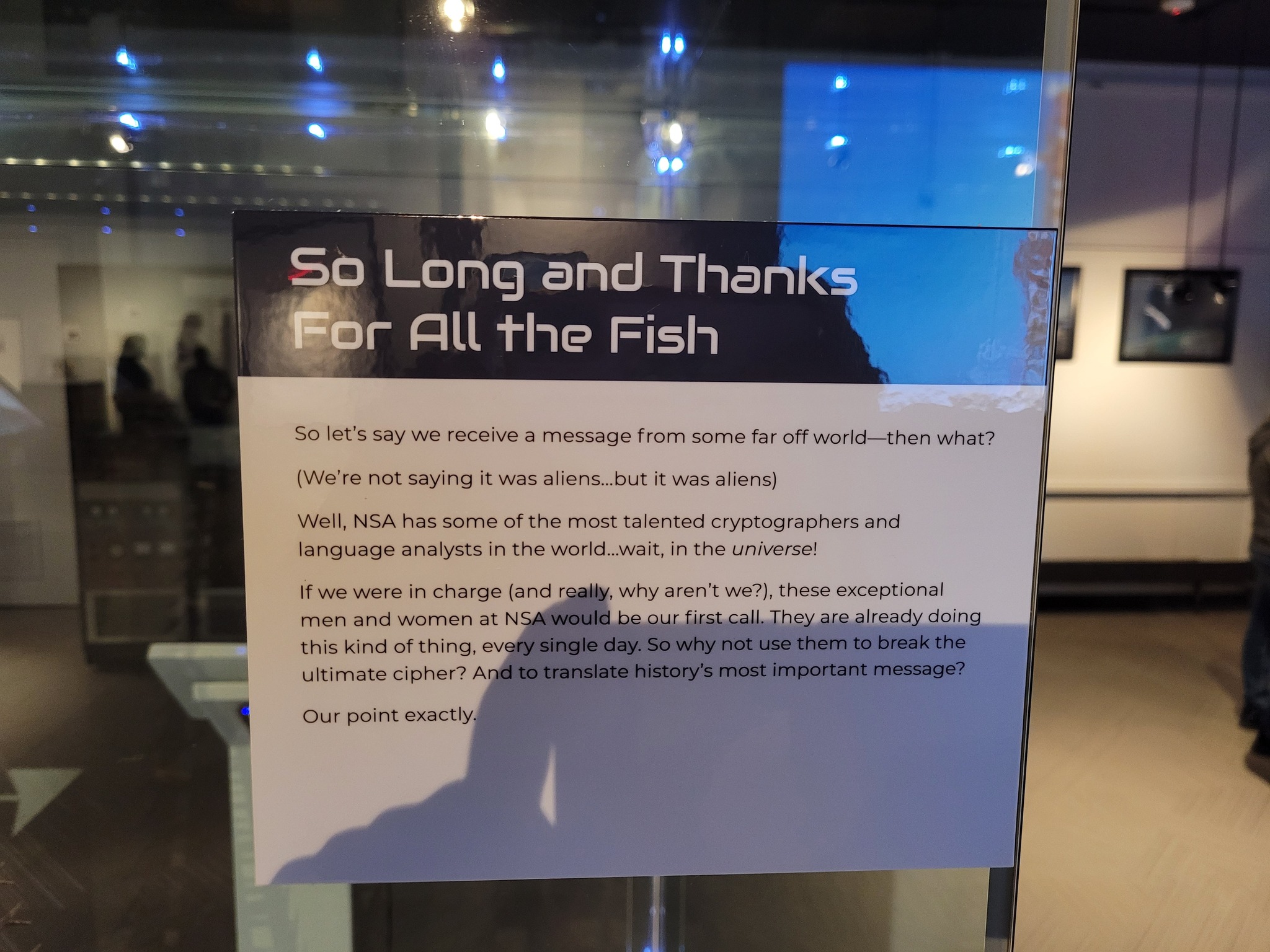
The National Cryptologic Museum at the NSA has 3 main gallery spaces, each packed full of interesting artifacts. There are exhibits on: Cold War, Cyber, Early Years, Exploring Languages, History of Computing, Nuclear Command & Control, Rare Books, Rotating Exhibits, Secure Communications, Space, and World War II. Everything is well-signed with lots of information- and the signs are pretty funny too!
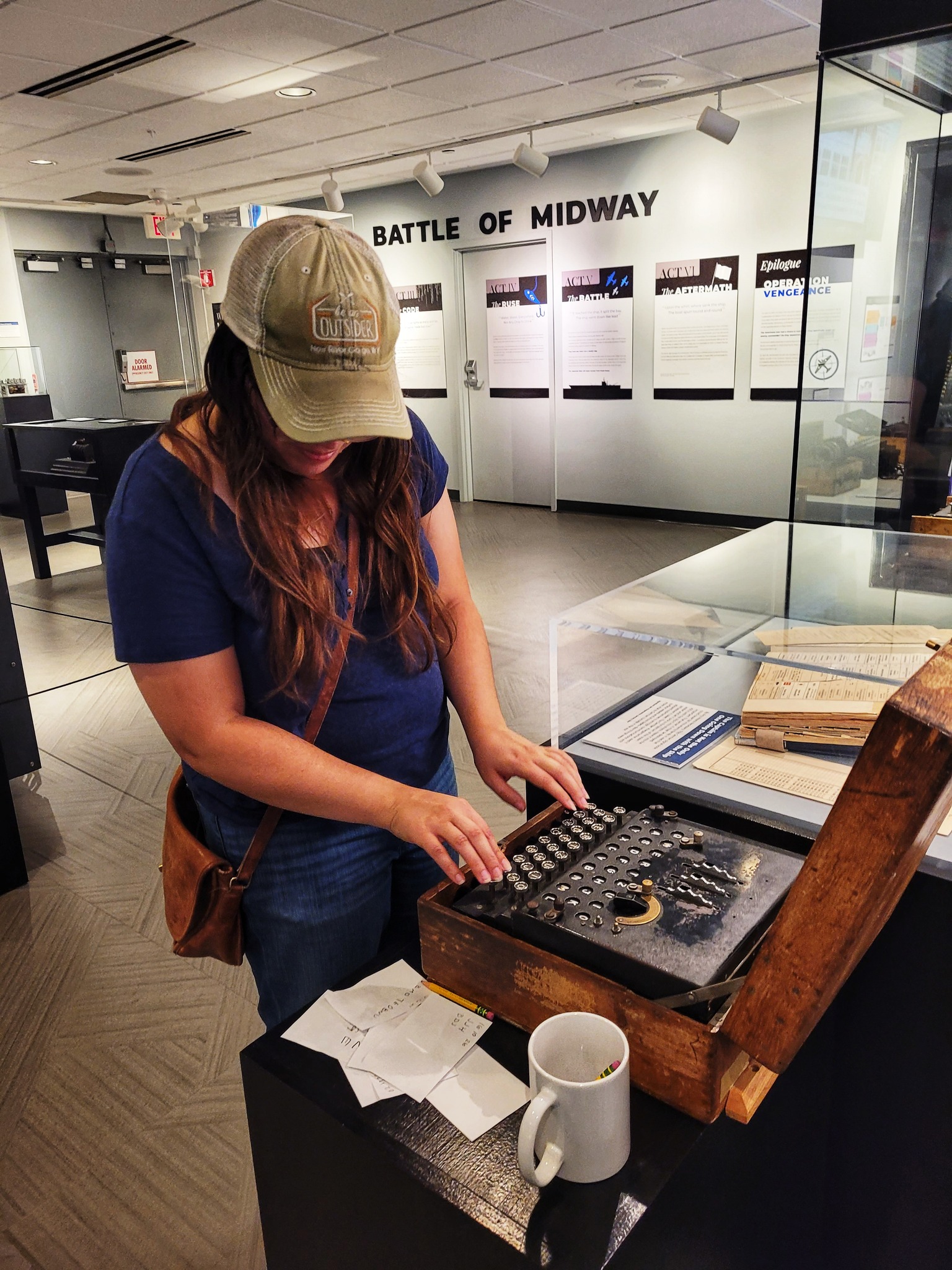
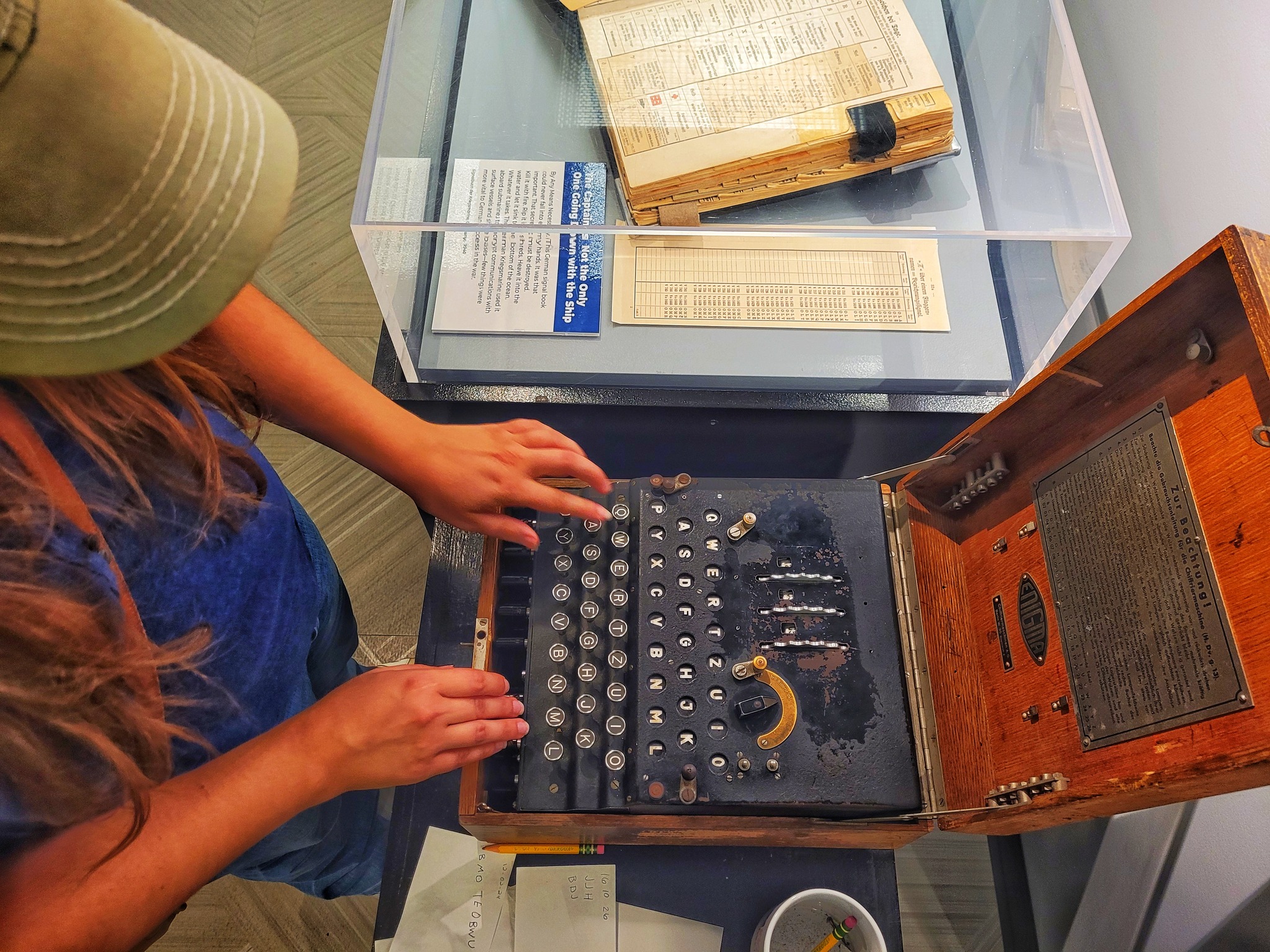
The absolute top highlight of the museum for me was the set of actual WWII enigma machines that you can use to send and decode a message. Getting to use such an important piece of history was one of the coolest experiences of the year for me.
One of my other favorite things about the museum was how funny so many of the signs are. Here’s just a small sample below to give you the flavor:
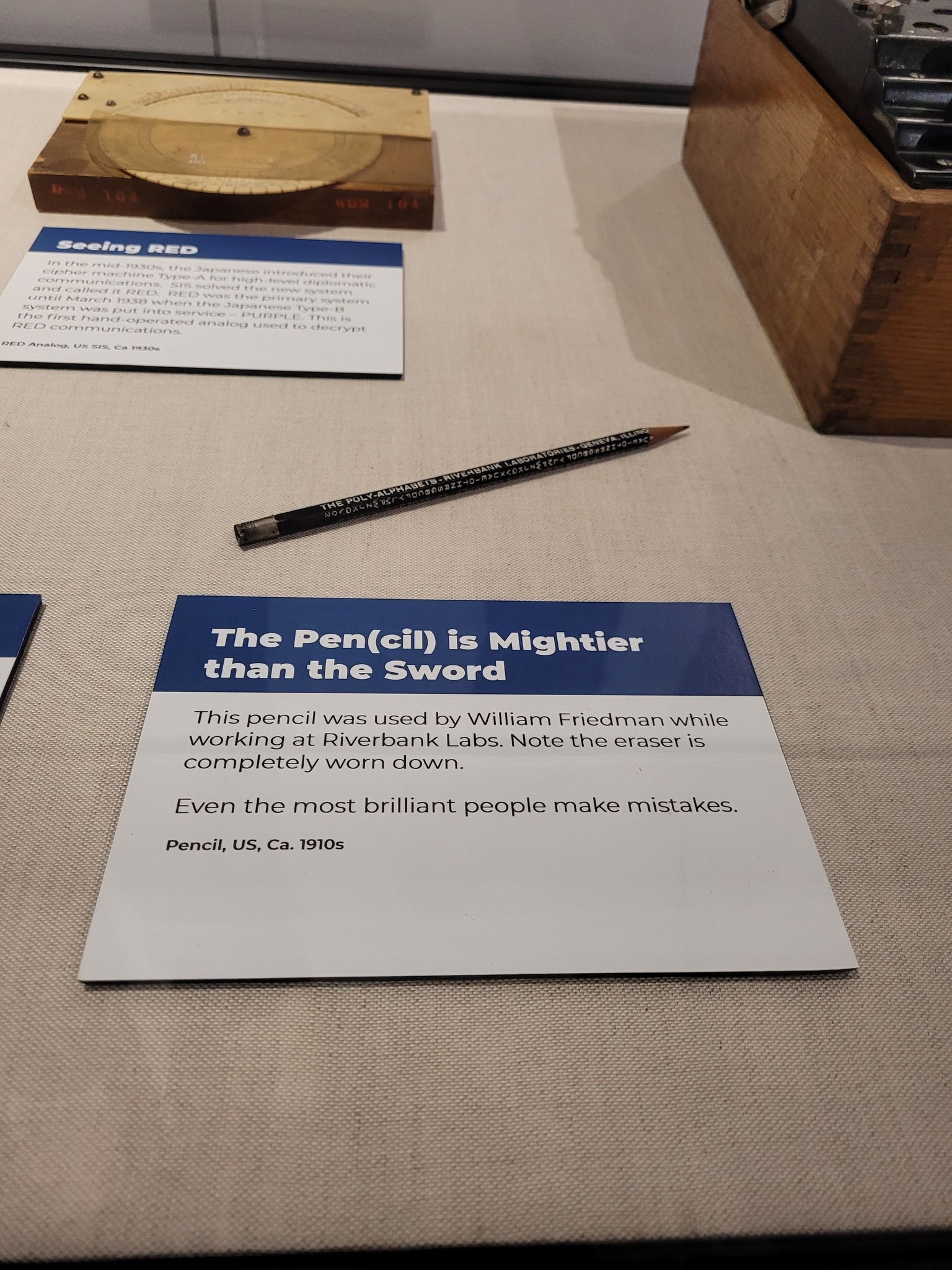
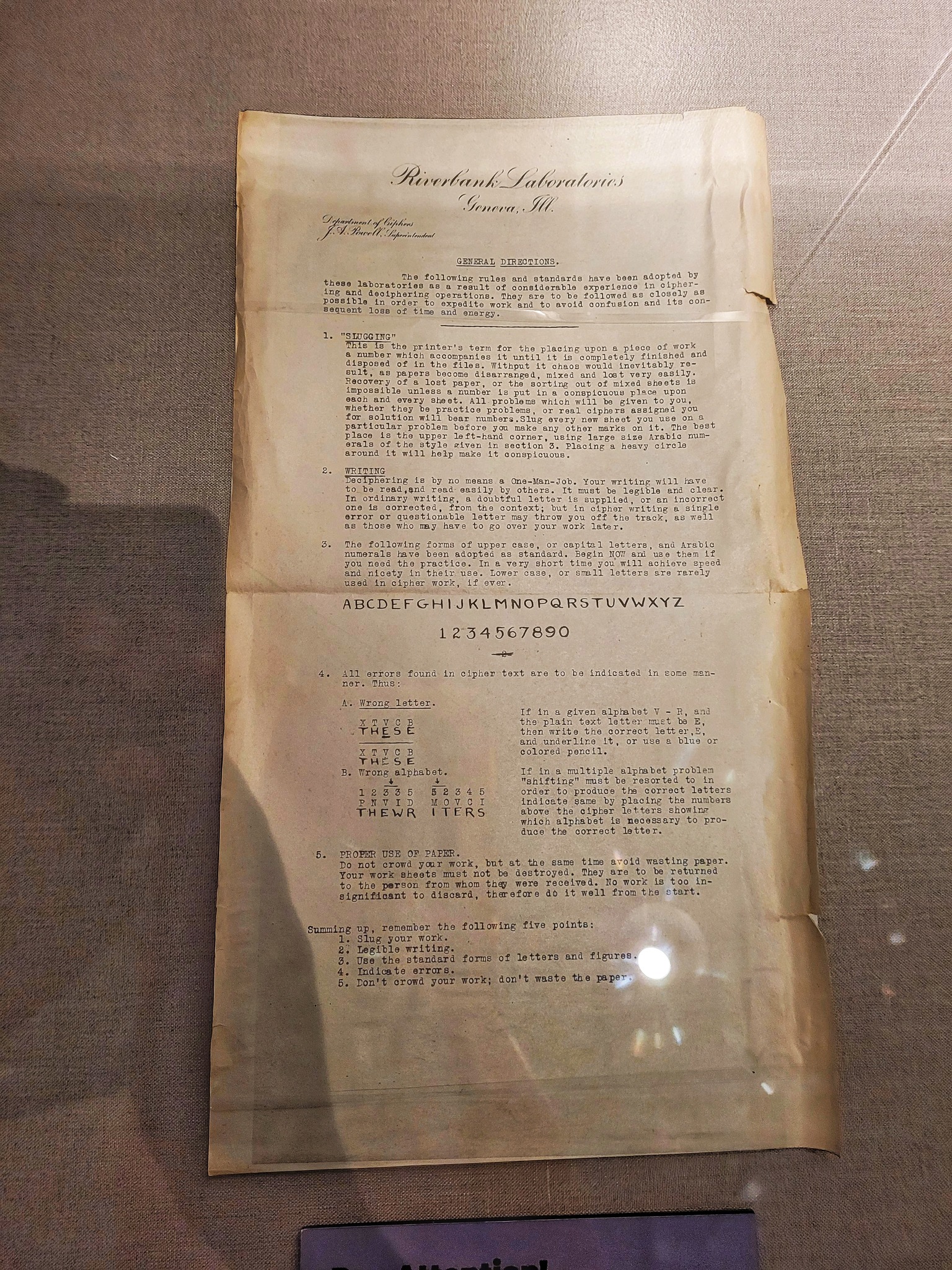
Another personal highlight was artifacts related to Riverbank Laboratories. Riverbank was a research facility that was founded by wealthy businessman George Fabyan and was hugely important for the advancement of crpytology during WWI, mostly because of William and Elizabeth Friedman, who worked there. Riverbank Laboratories is considered the birthplace of modern American cryptology. So why is it a personal highlight? Because Riverbank was in Geneva, Illinois… about 15 minutes away from our home base! Fabyan’s estate across the street from the lab is now a forest preserve, which we’ve visited many times (there’s even a small cryptology exhibit in the house!), and the Riverbank building still stands is an acoustics engineering lab. I always get so excited when we travel and see things related to home!
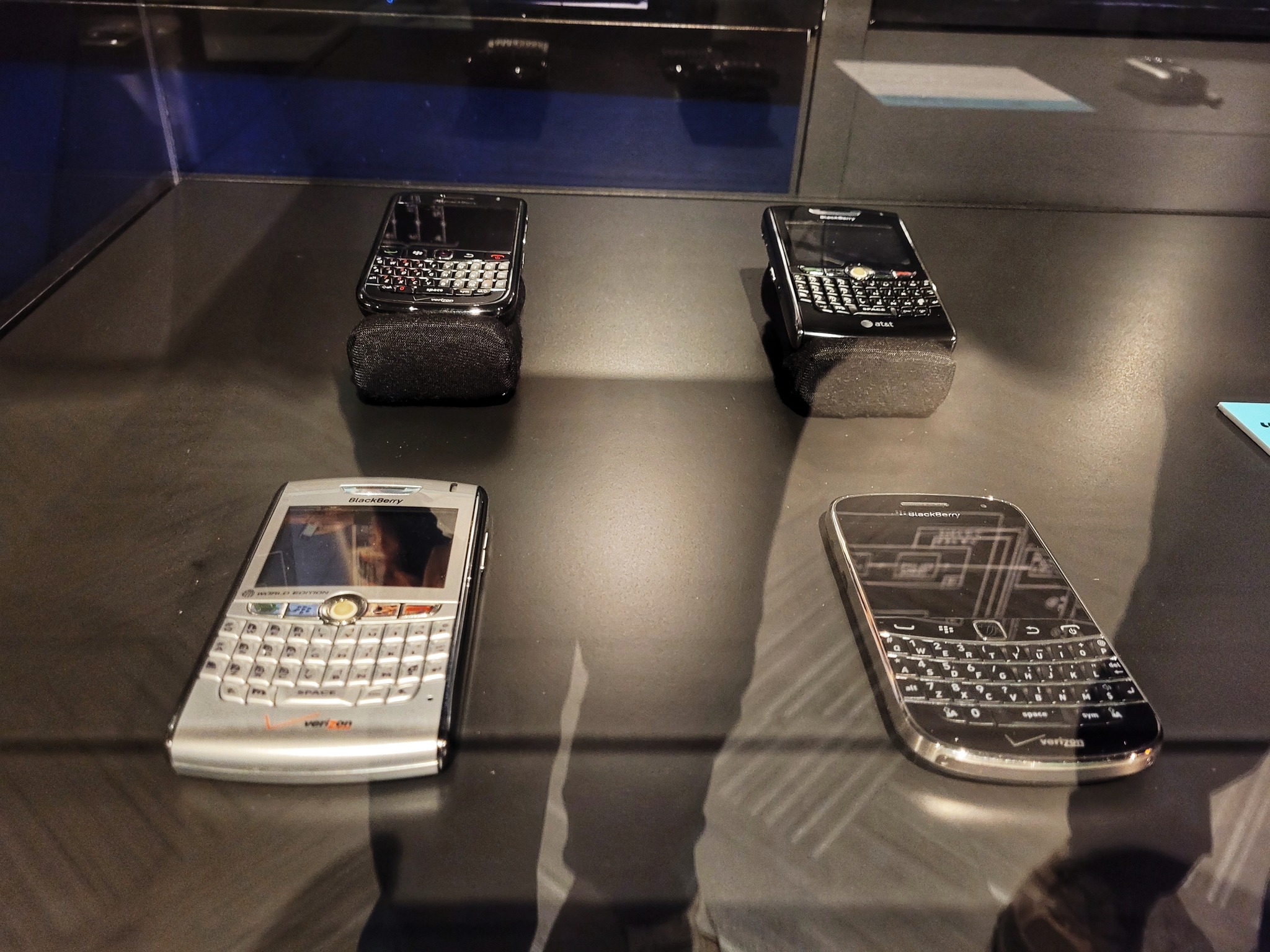
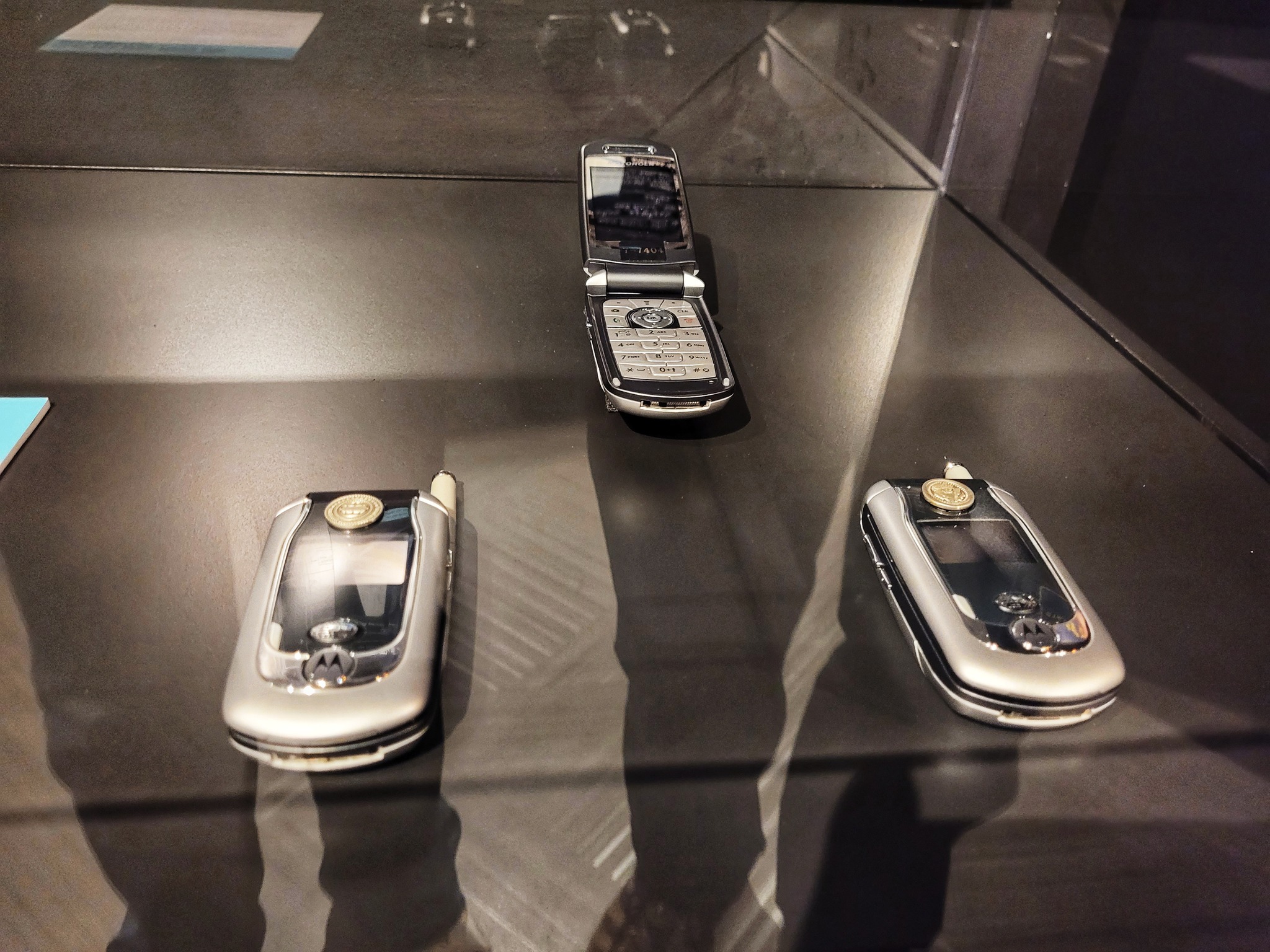
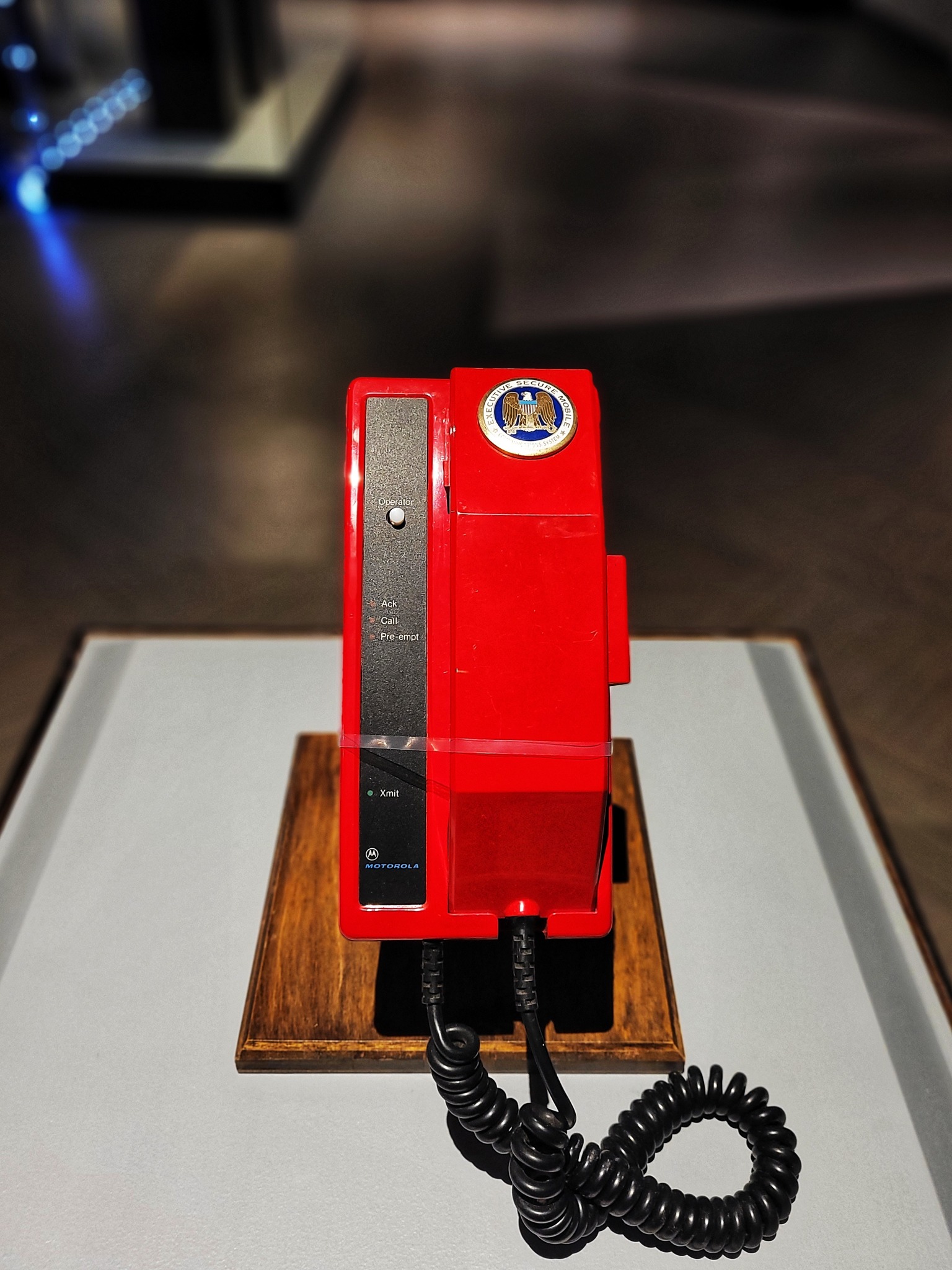
Another exhibit I personally really enjoyed was Obama’s Blackberrys! Obama was the first president to use a BlackBerry and was adamant about keeping one once he was in office. Like other commercial cellphones, there were security concerns so the NSA had to tweak them for him. Below are Blackberrys used by Obama, other presidential cellphones, and the red phone is Reagan’s EXCOMS from his presidential limo.
More to See at the National Cryptologic Museum
There is SO MUCH to see at this museum, but here is another sampling for some of the objects on display to get you started!
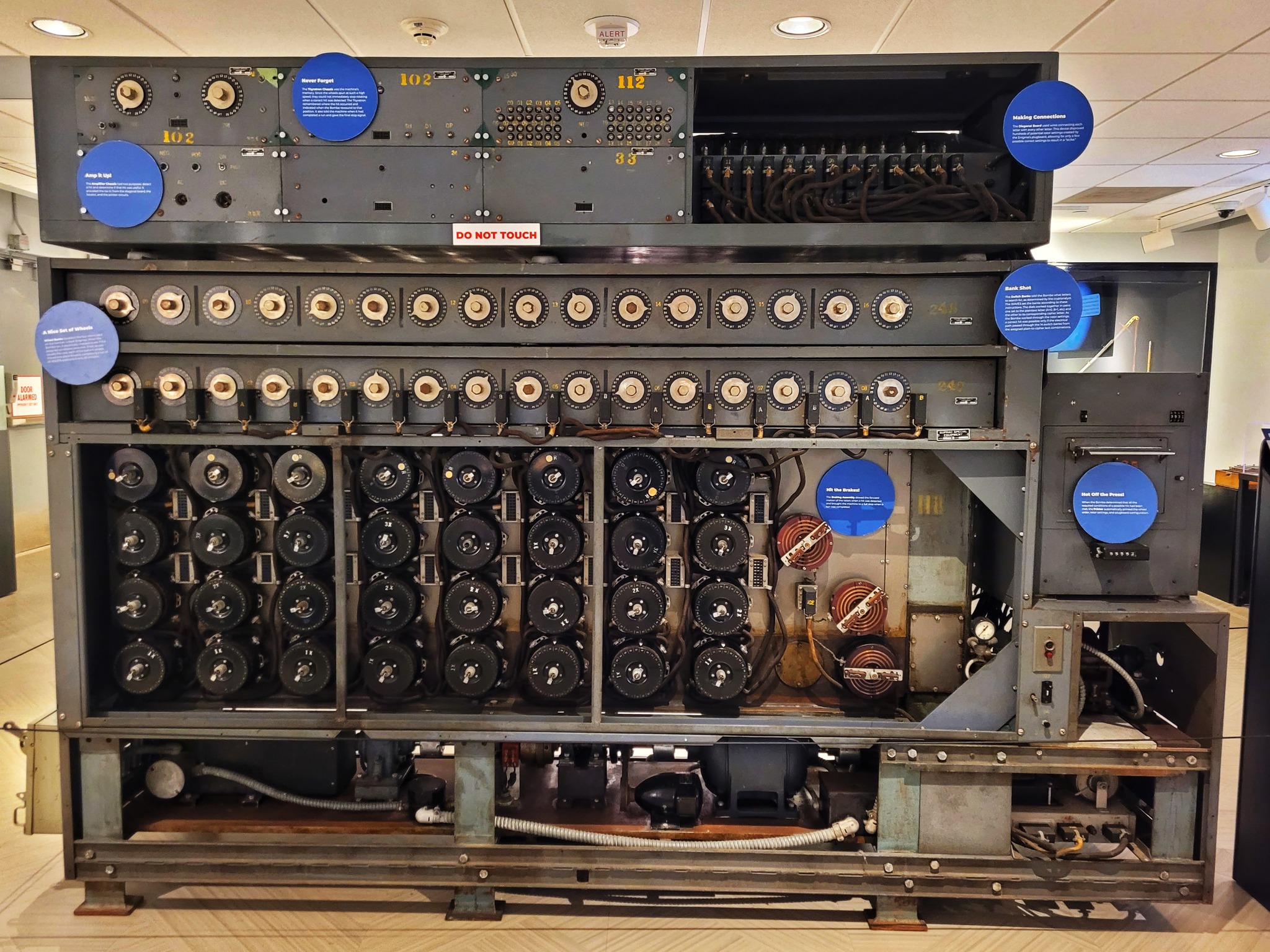
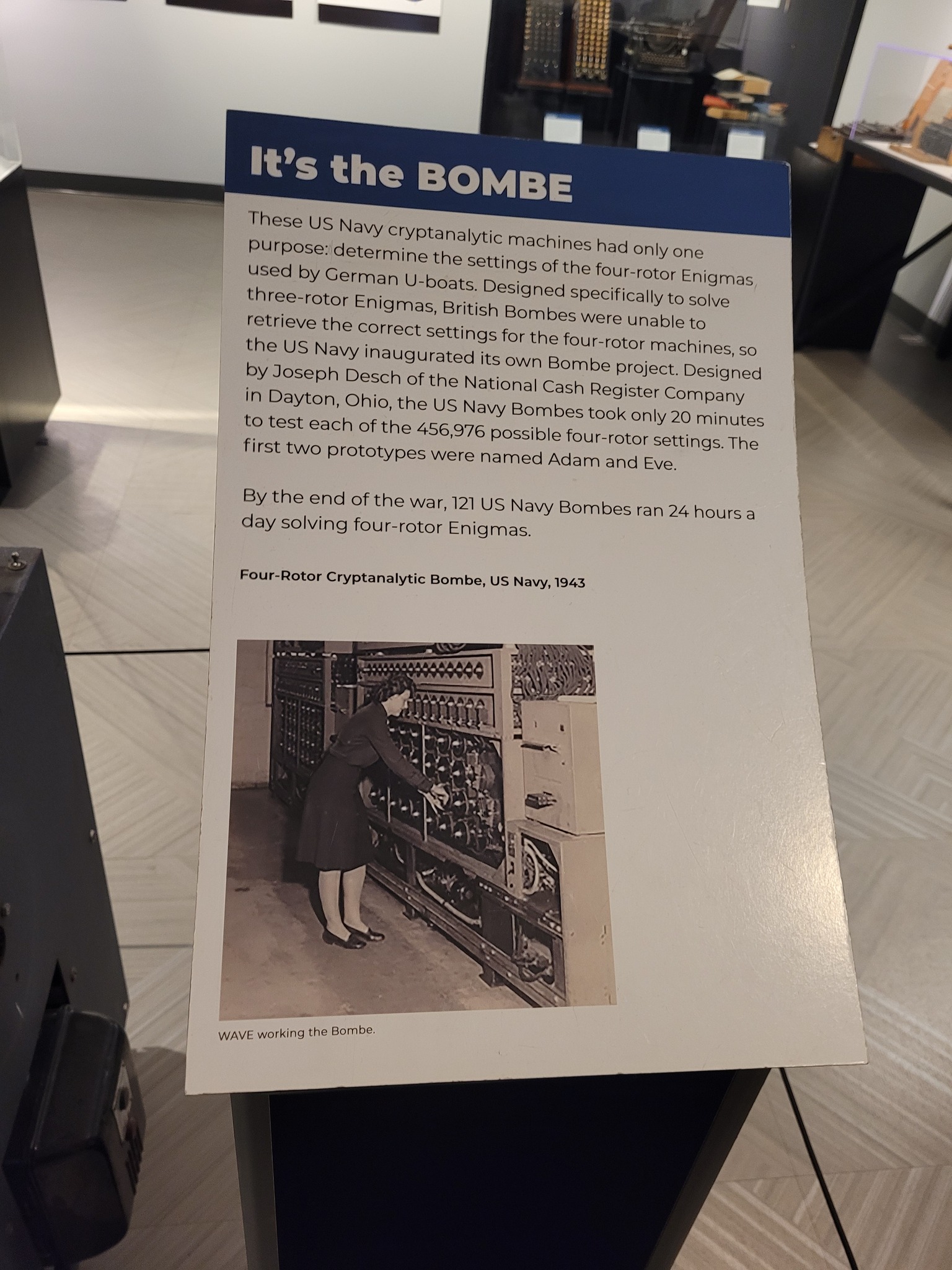
One of the biggest objects in the museum is the Bombe- which was used to decode messages from the German Enigma machines. I added the photo of the sign here so you can better get an idea of the scale of this thing.
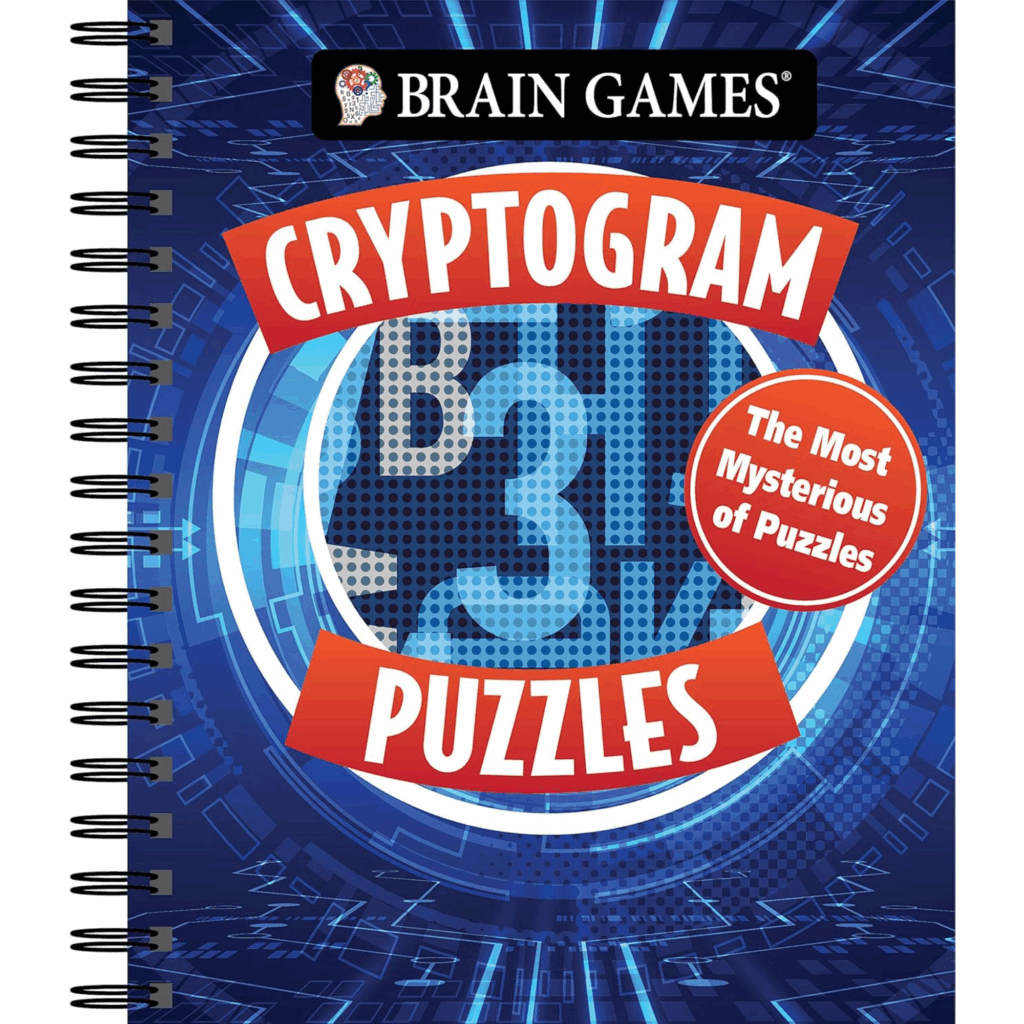
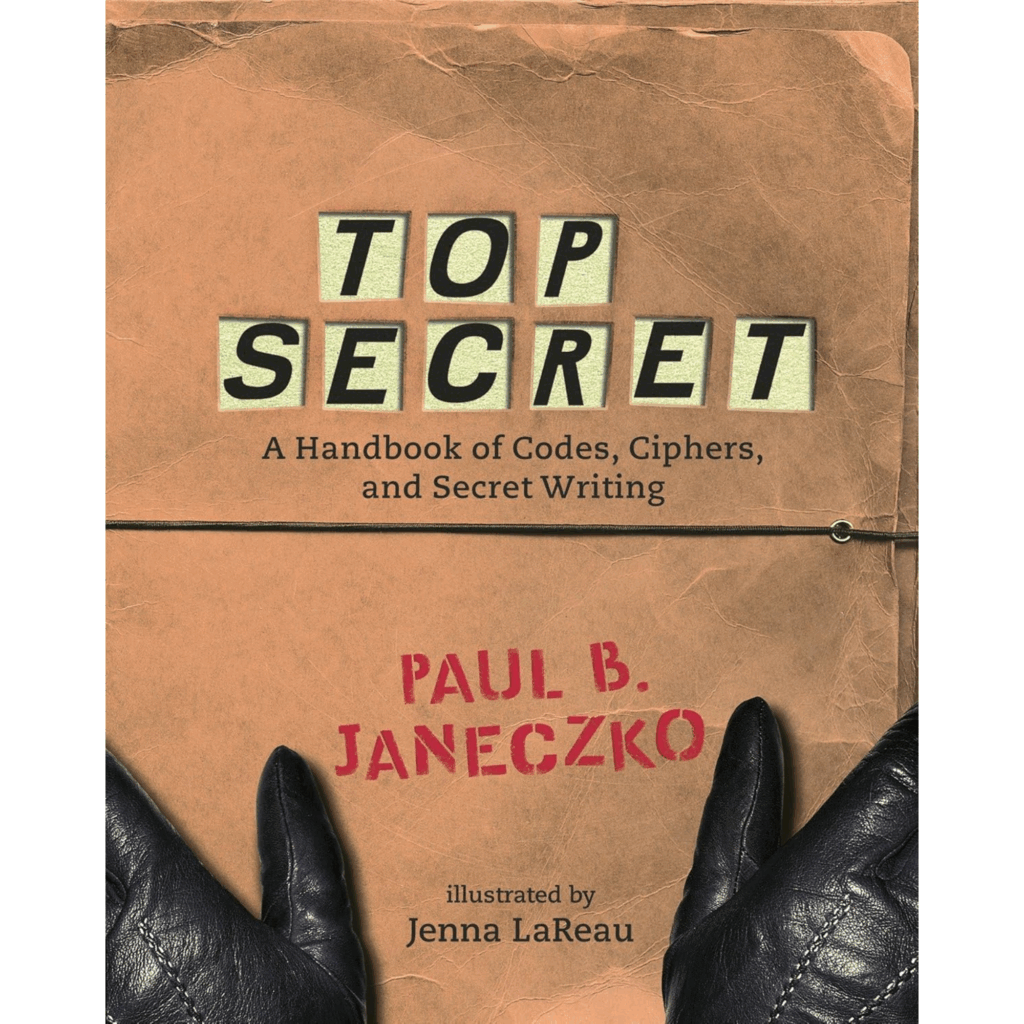
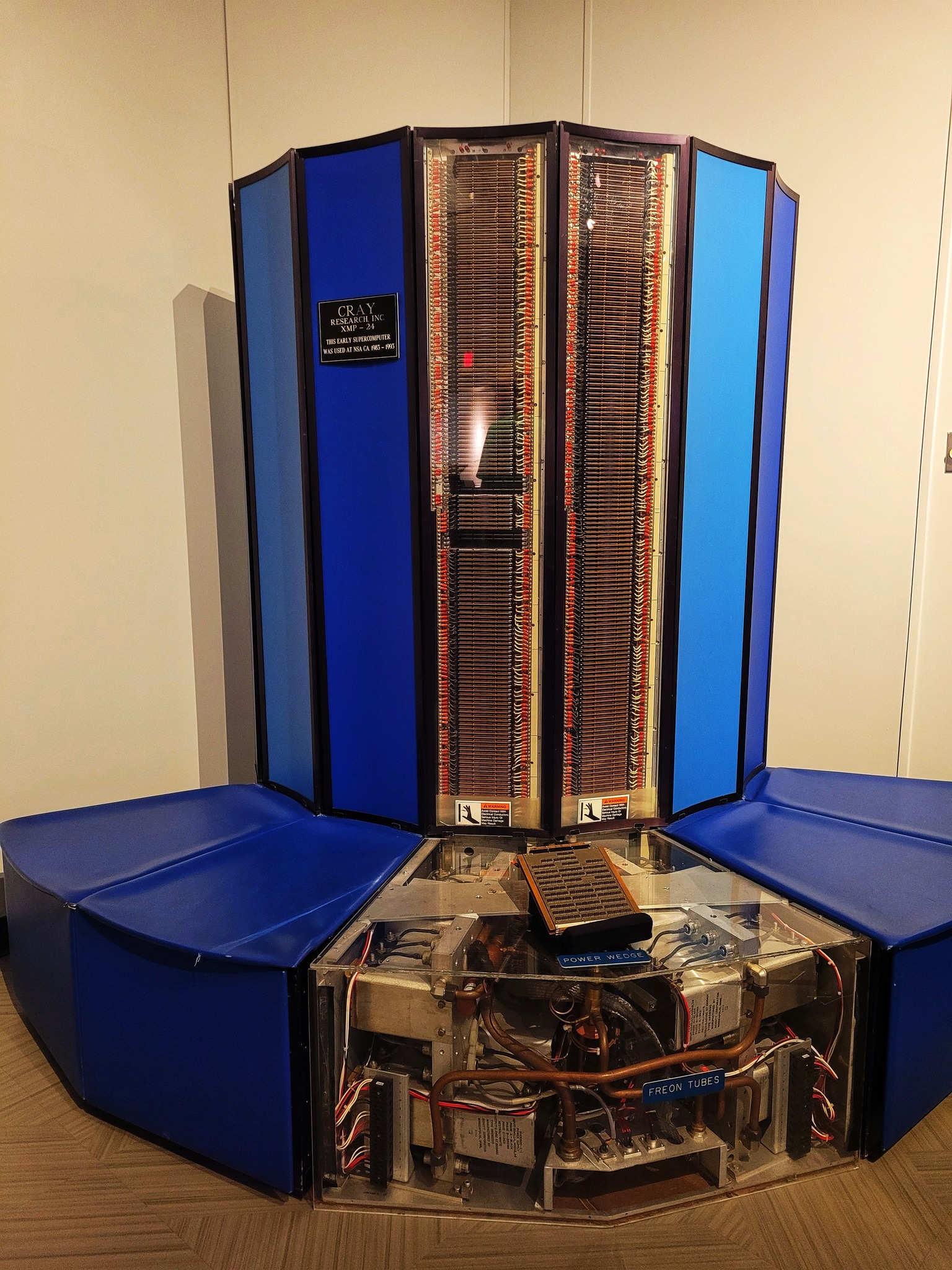
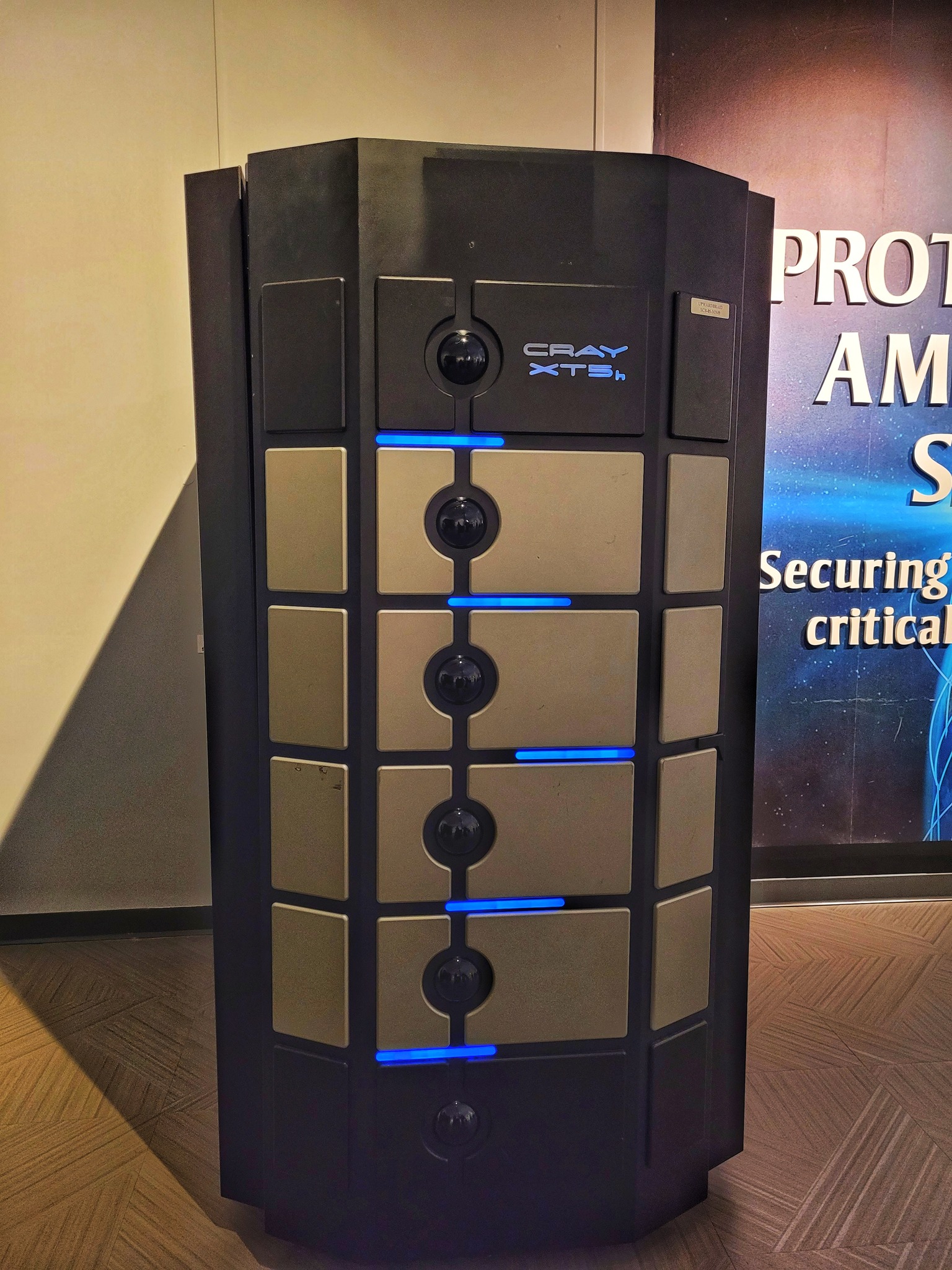
We’ve visited a couple of modern supercomputers, so seeing some of the early Cray supercomputers was really cool! They have a couple different Crays, as well as a large Frostburg on display.
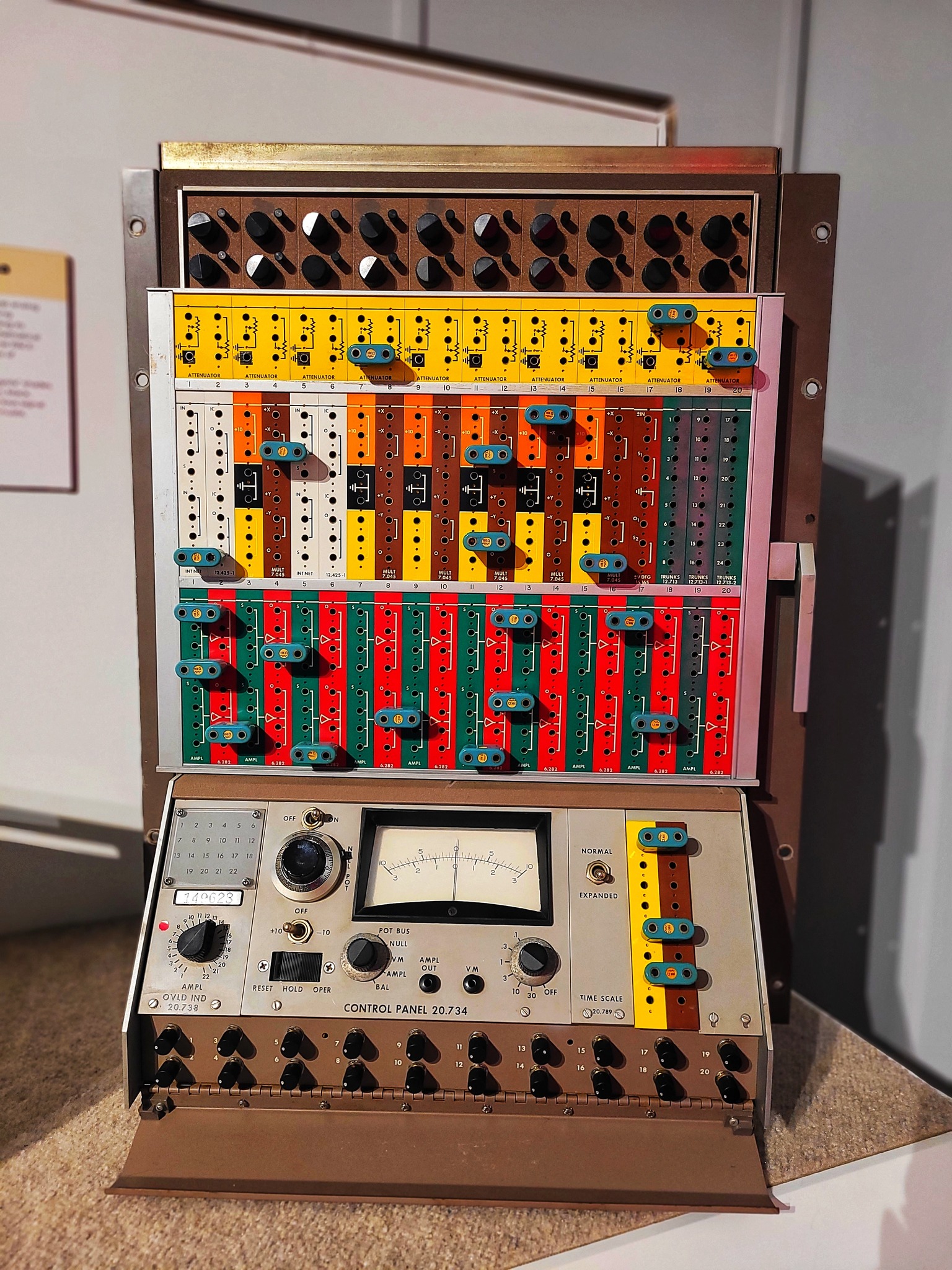
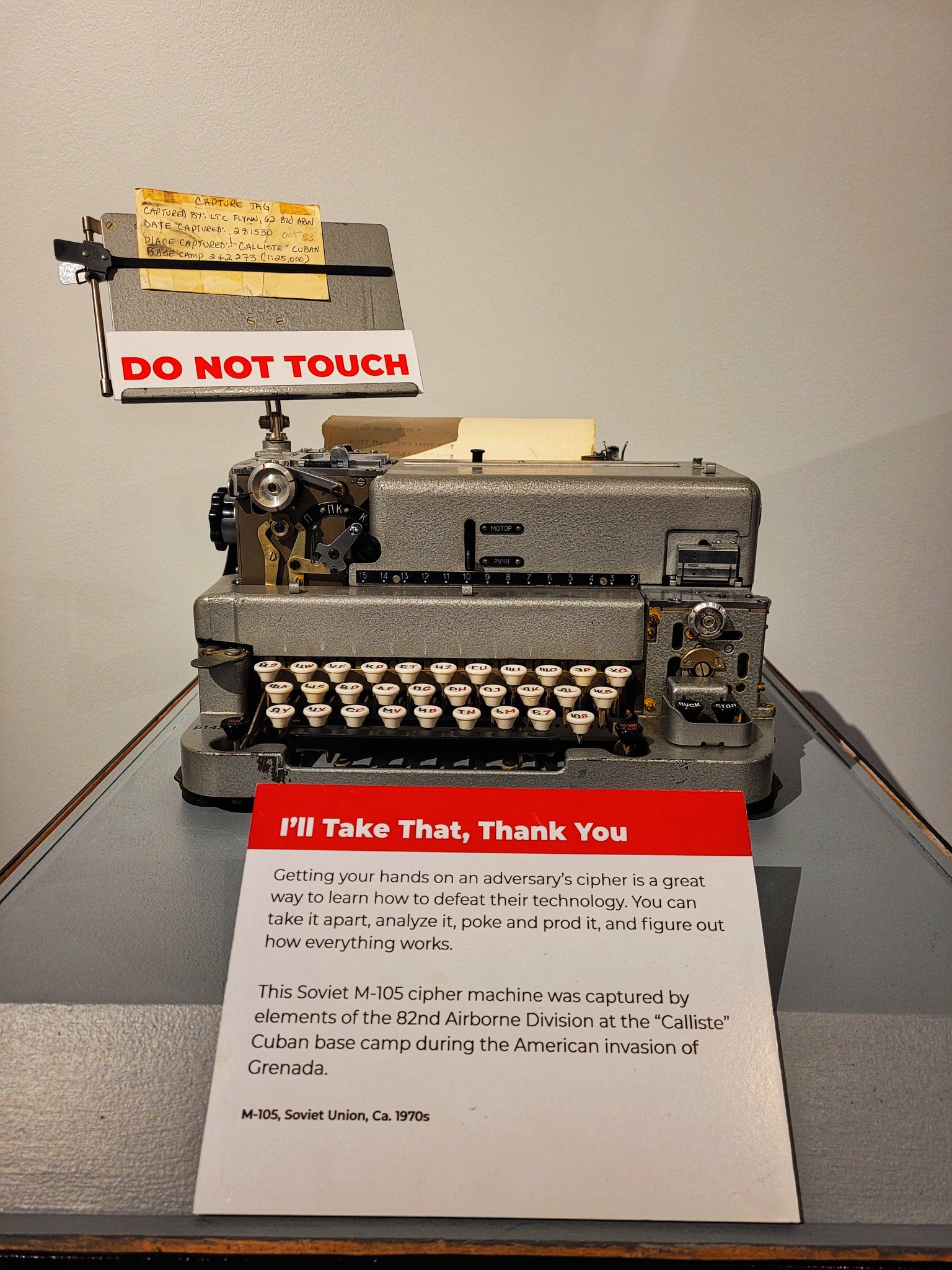
Above left is the PACE-TR-10, one of the first desktop computers used by the NSA. On the right is a Soviet cipher machine from the 1970s.
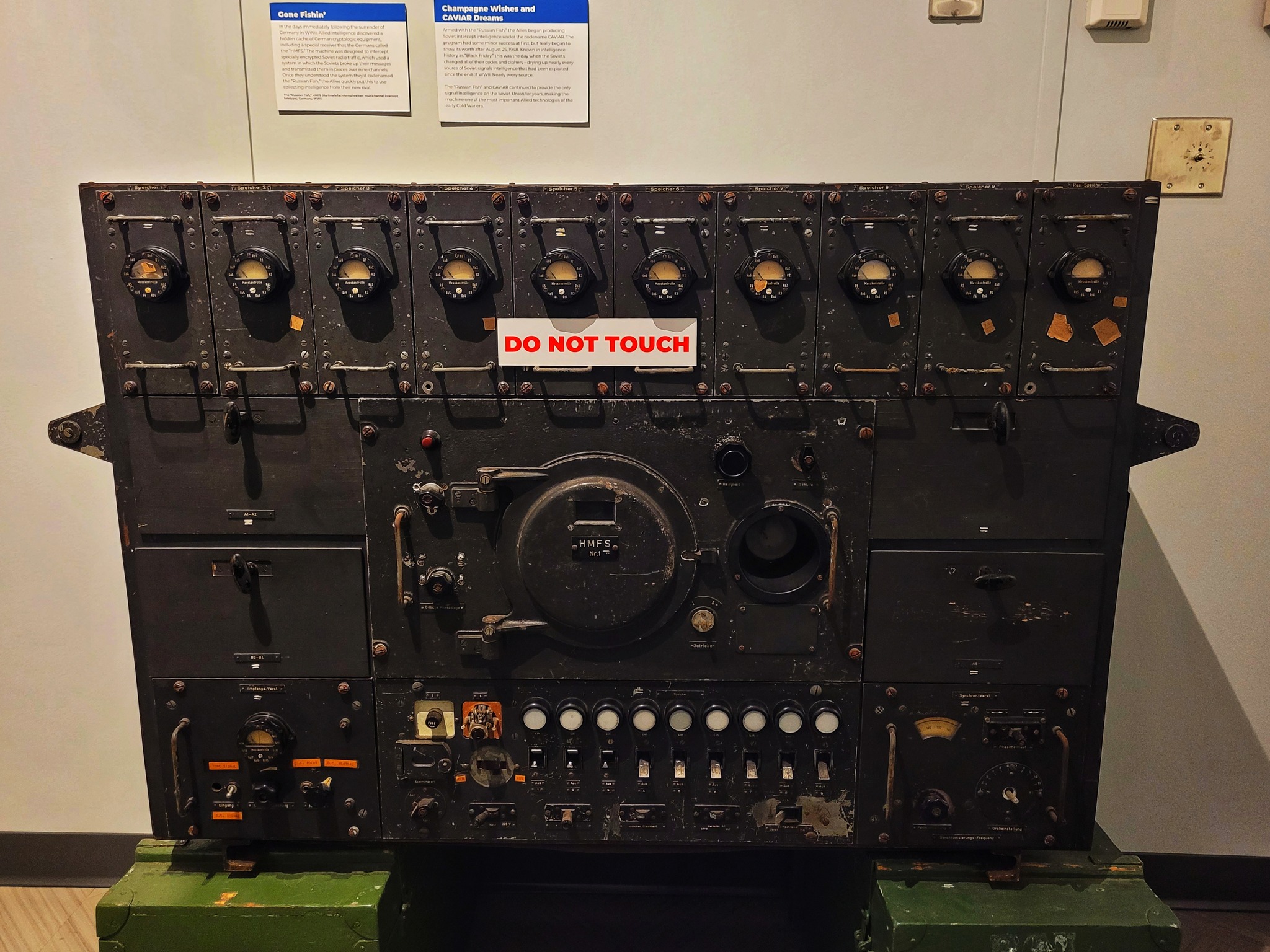
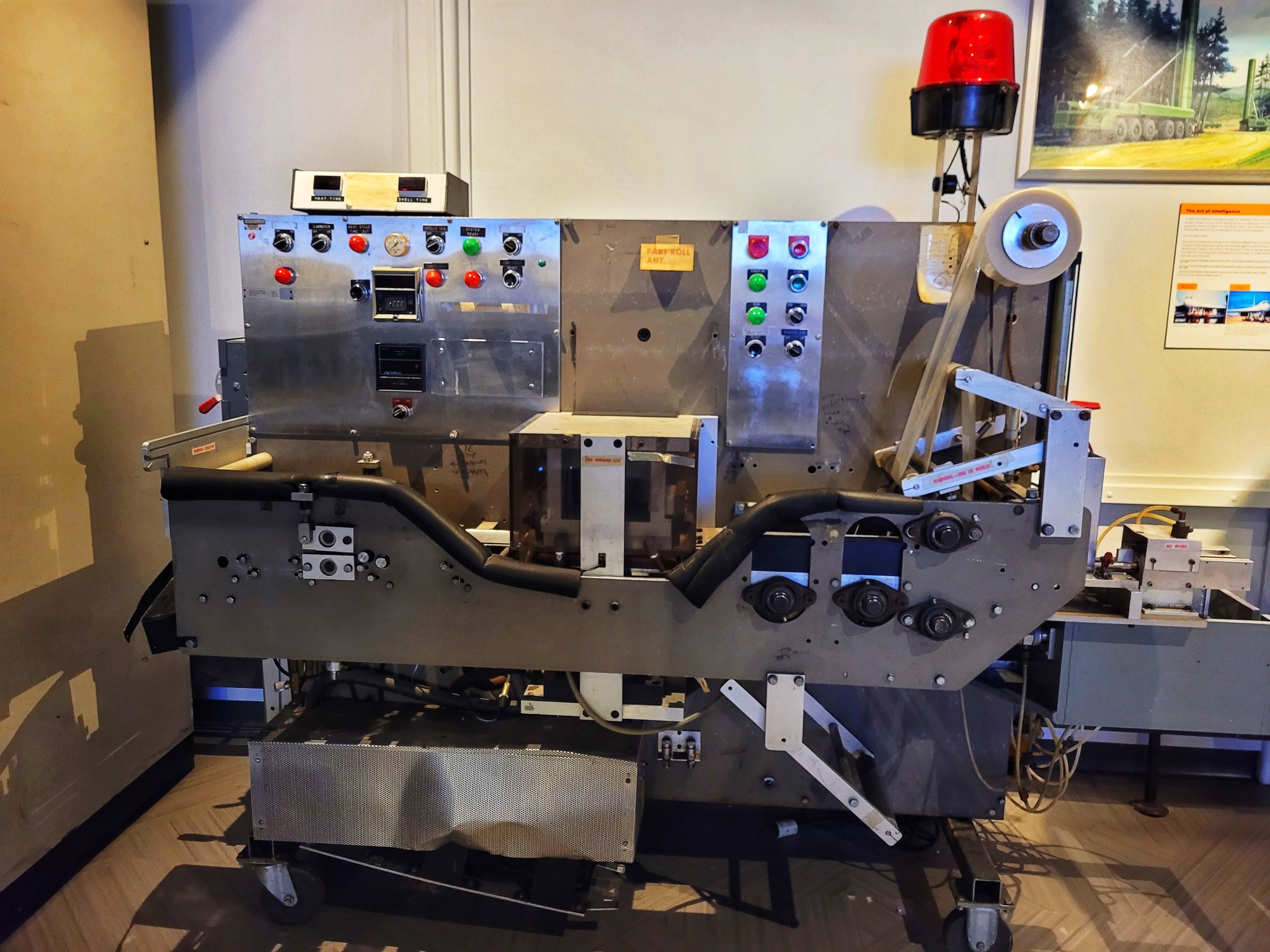
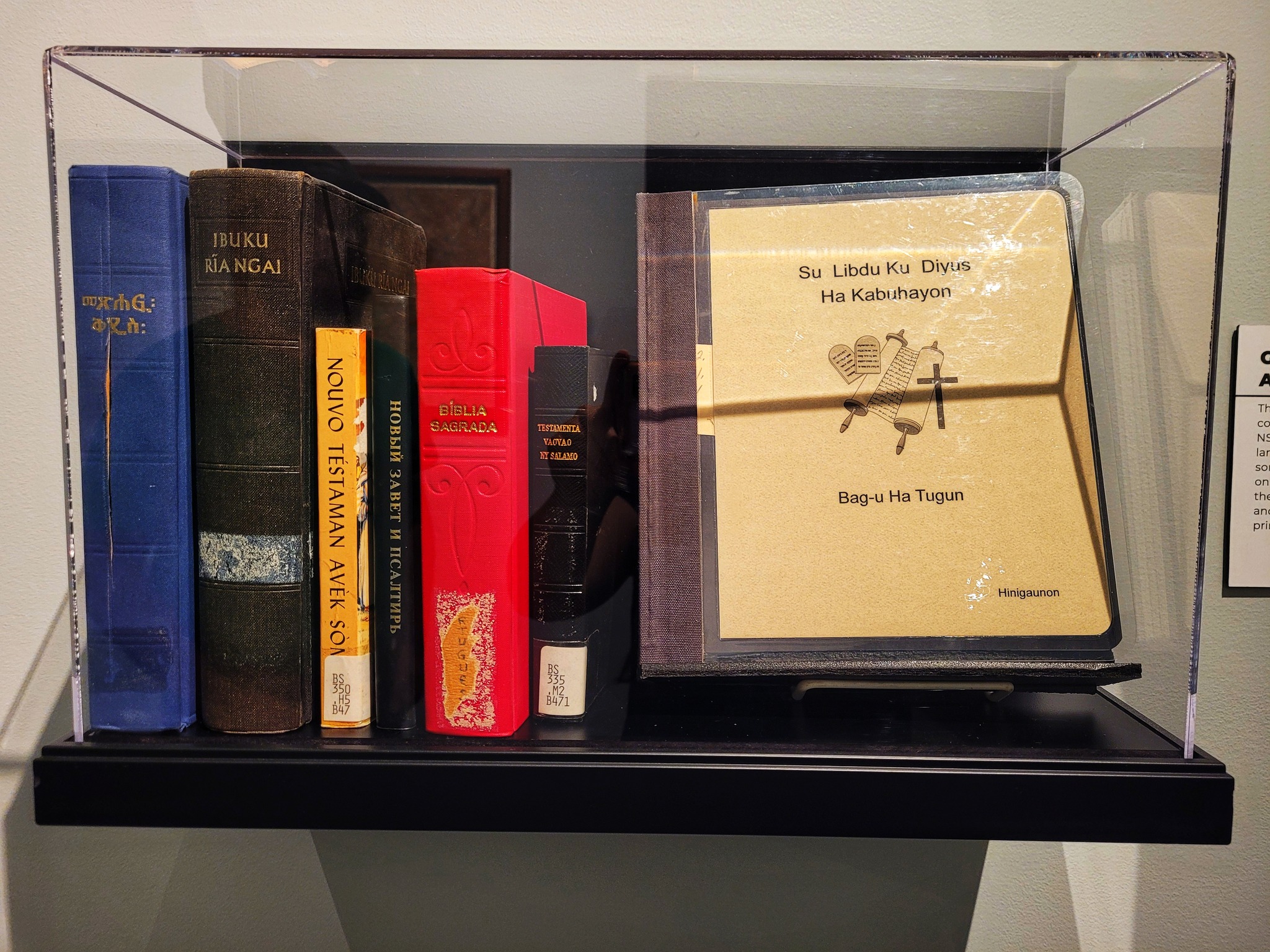
Above from left to right:
- The “Russian Fish”: a WWII German machine used to intercept Soviet radio traffic, which was taken and used by Allied forces
- The machine used to create the nuclear codes
- A sample of the 56 foreign language bibles the museum holds, these were collected by the NSA for training linguists in “low density languages,” some of these bibles were the only written works in these languages when they were collected

As Amazon Affiliates, we earn commission on qualifying purchases.