Charleston, South Carolina is one of those cities that completely pulls you in, where centuries of history meet coastal charm, Spanish moss hangs over quiet streets, and every corner seems to tell a different story. From Revolutionary War sites and Civil War landmarks to quirky museums, historic cemeteries, nature preserves, beaches, and some seriously unique local experiences, Charleston has a little bit of everything. It’s a city that rewards curiosity, whether you’re wandering through centuries-old churchyards, exploring naval ships and submarines, or heading out into the marshes and barrier islands to see the Lowcountry’s wild side.
Fair warning: this itinerary might look a little… bonkers. And yes, it’s a lot. But we really did all of this during our 2017 honeymoon because we are absolutely not the sit-around-and-relax type of honeymooners. We’re the go-go-go, see-it-all, squeeze-in-one-more-stop kind of travelers, and Charleston gave us endless opportunities to do exactly that. (Also… please excuse the photos- this was long before our current blogging and content-creation era!)
If you’ve been following along with our more recent RV travels, you’ll know our trips look a bit different these days, we’re usually balancing work with exploring, which means most adventures happen after work hours or on weekends. This honeymoon itinerary is definitely more packed than our usual travel recaps now, but it shows just how much you can see in Charleston if you’re up for a busy, experience-packed trip. In this post, we’re sharing everywhere we went, what we loved, what surprised us, and tips to help you build your own Charleston itinerary- whether you want to hit every stop like we did or just pick your favorites.
Day 1: Magnolia Plantation
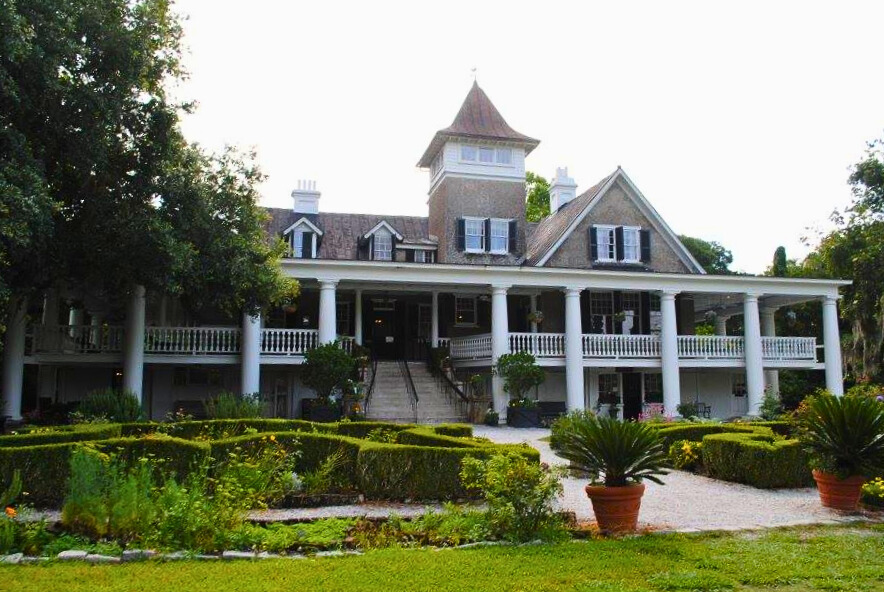
Magnolia Plantation feels like one of those places where history, beauty, and complexity all sit side by side, and you really feel that as you walk the grounds. The land dates back to the late 1600s, when Stephen Fox acquired the original 400 acres, which later passed to his son-in-law, Thomas Drayton. Over the next two centuries, the plantation expanded to nearly 1,700 acres and was worked by enslaved people cultivating Carolina Gold rice. In the 1840s, Reverend John Grimké Drayton transformed Magnolia in a very visible way, planting elaborate “Romantic Gardens” to both showcase exotic plants like azaleas and camellias and help his new wife adjust to plantation life. After the Civil War, much of the land was sold off, but in 1871 the gardens opened to the public—making Magnolia one of Charleston’s very first tourist attractions. Today, the site doesn’t shy away from its full history, with preserved slave cabins and the powerful “From Slavery to Freedom” tour included with admission.
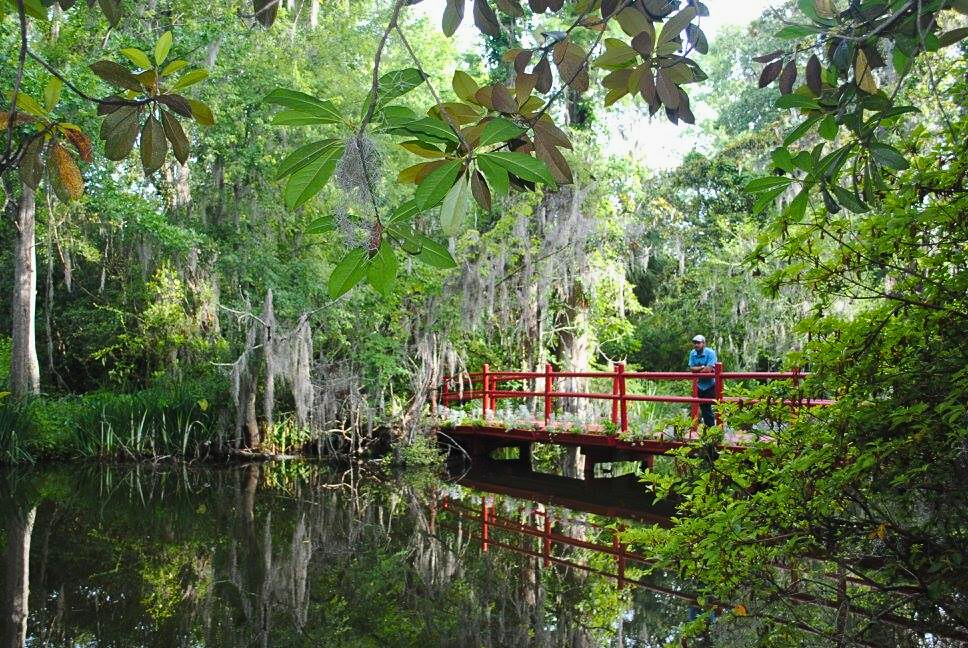
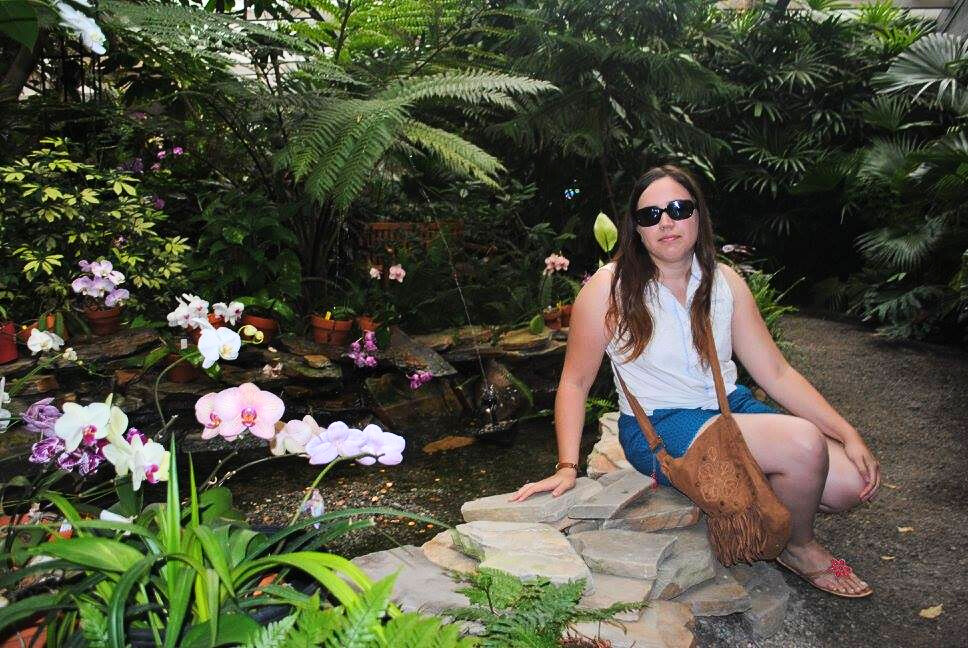
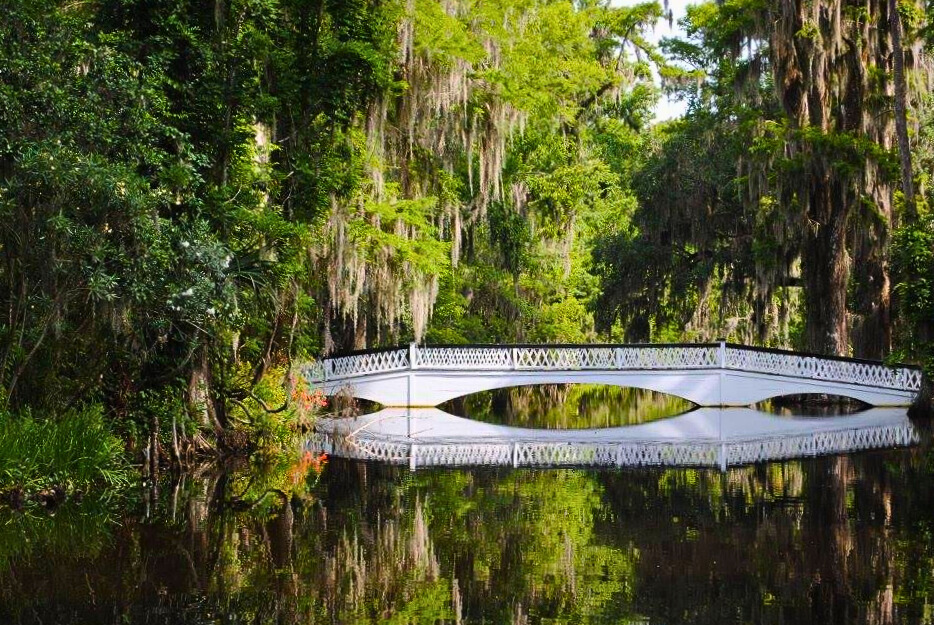
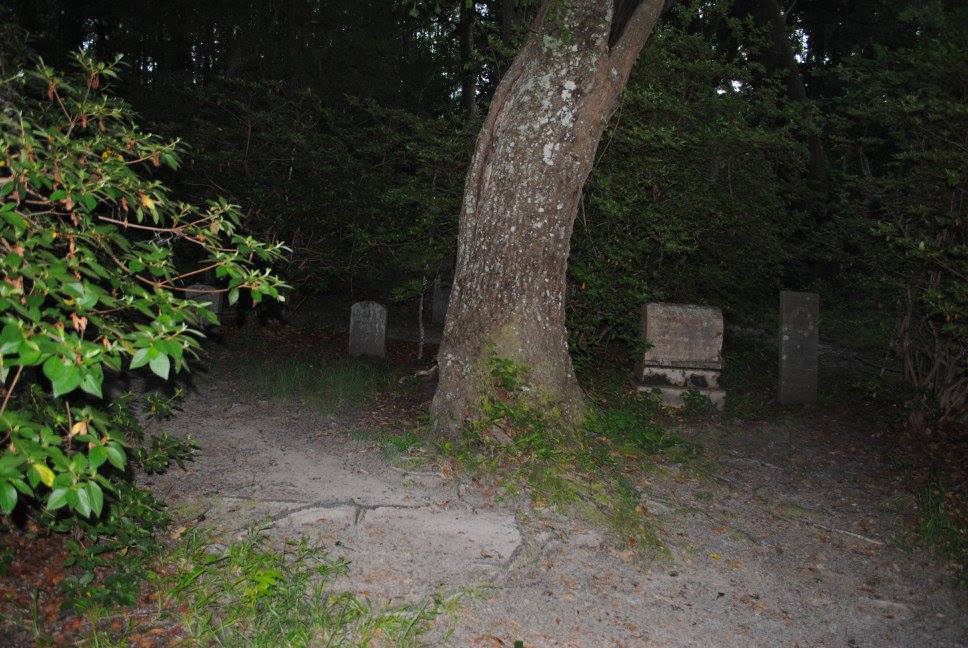
We made a full day of Magnolia Plantation and honestly could’ve stayed even longer. Basic admission gets you access to 66 acres of gardens, the Audubon Swamp Garden and boardwalk, walking trails, the wildlife center, and guided tours- and we did just about all of it. We rode the nature train through wetlands, forests, marshes, and swamp, toured the Magnolia House, wandered the gardens, and explored the Audubon Swamp Garden. One of the most unexpectedly memorable moments was petting a deer in the petting zoo, which was just plain fun. Another standout memory came from the swamp garden, when we veered off into the woods to find the Black (formerly enslaved) cemetery. It was raining, getting dark, and we definitely should’ve turned back sooner, but we found it, and the moment stuck with us. More than anything, we loved the gardens themselves. Magnolia is designed as a Romantic Garden, guided by the philosophy that “a formal garden controls nature; a romantic garden cooperates with nature,” and walking through it, that idea truly comes to life.
How to Visit Magnolia Plantation
Address: 3550 Ashley River Road (On Route 61), Charleston, South Carolina 29414
Website: https://www.magnoliaplantation.com/
Admission: Adults $32, Seniors/Military/Teachers $29, Kids 12-17 $18, Kids 5-11 $14, Kids 4 & under free
Day 2: Charleston Museum, Circular Church Cemetery, Charleston Postal Museum, Confederate Museum, Charleston City Market, Patriot’s Point
Charleston Museum
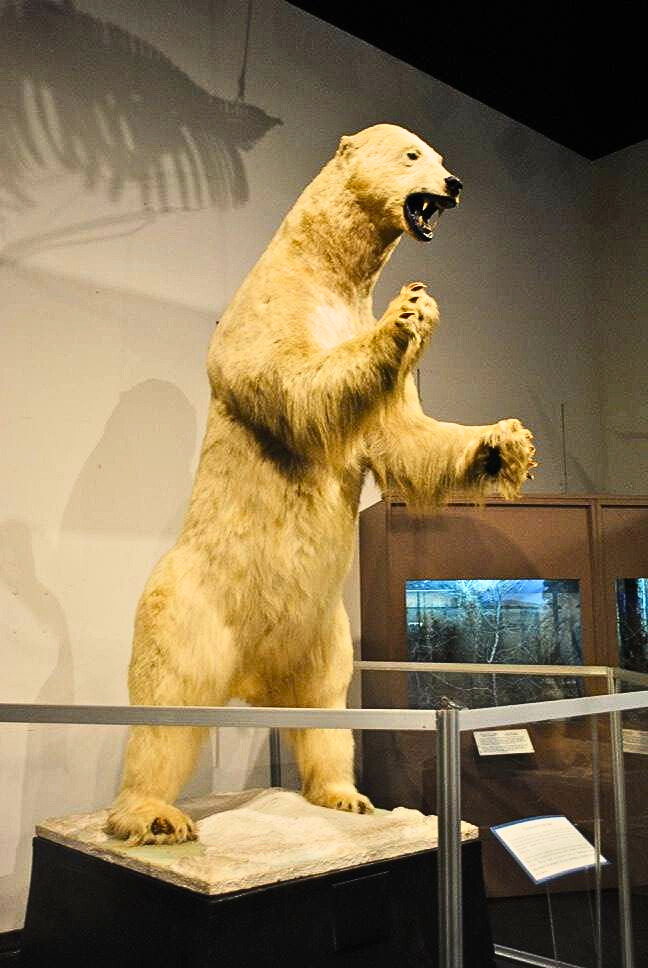
The Charleston Museum is one of those stops that immediately felt very us. Founded in 1773, it’s widely considered America’s first museum, and that alone made it a must-visit on our Charleston honeymoon itinerary. Beyond the impressive title, the museum does a great job covering both the city’s story and the broader Lowcountry, with exhibits ranging from early settlement and natural history to Charleston’s role in the Revolution, the antebellum period, and the Civil War. We spent a lot of time moving through the Lowcountry History Hall, the Armory, and the natural history exhibits, but there’s also space dedicated to historic textiles, Charleston silver, and even a KidStory area for families. It’s one of those museums where you can really tell they care about preserving not just artifacts, but context.
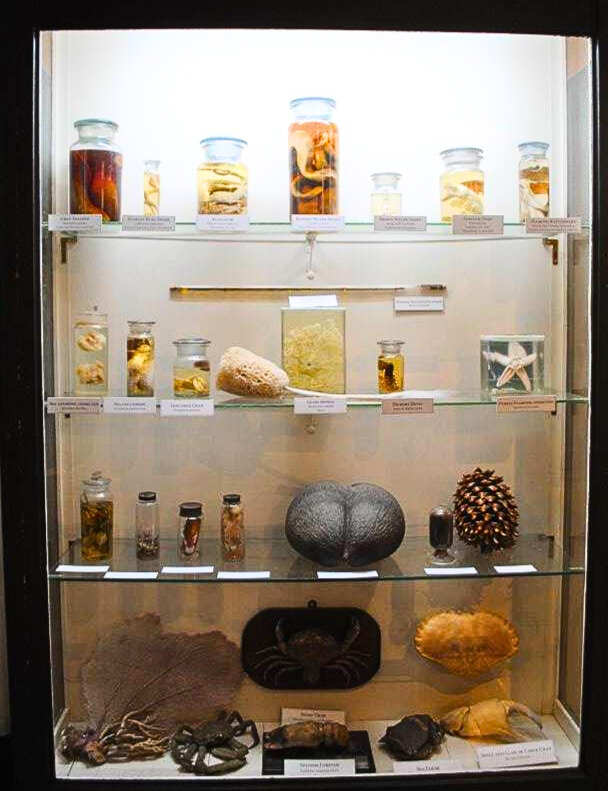

The Charleston Museum also manages two historic house museums, the Joseph Manigault House (guided tours only) and the Heyward-Washington House (self-guided with an audio tour), and you can save a bit by purchasing a combo ticket. We didn’t end up touring either house, but even without them, the main museum felt more than worth the visit. What really stood out to us was how much of the museum’s own history is woven into the exhibits, which we loved as total museum nerds. If you enjoy learning not just what happened, but how places like this have preserved history over time, the Charleston Museum is an easy recommendation.
How to Visit the Charleston Museum
Address: 360 Meeting Street Charleston, SC 29403
Website: https://www.charlestonmuseum.org/
Hours: Mon-Sat 9am-5pm, Sun 12-5pm
Admission: Adults $15, Kids 13-17 $12, Kids 3-12 $6
Circular Church Cemetery
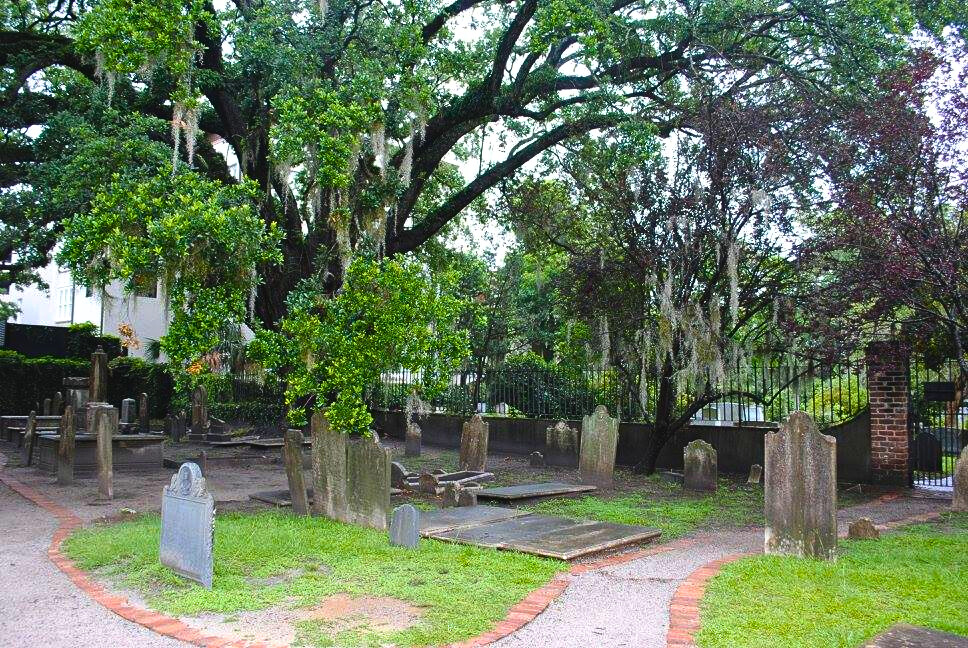
As a longtime cemetery fan, Charleston felt like my kind of place- there’s so many historic churchyard cemeteries that sit right along the sidewalks, making it easy to pop in while exploring the city, and Circular Congregational Church Cemetery was one of my favorites. With the earliest marked grave dating to 1729 and unmarked burials believed to go back as far as 1695, it’s likely one of the oldest surviving English burial grounds still in existence in Charleston. The cemetery gets its name from the church’s original circular design, and walking through it feels like stepping into centuries of layered history, with weathered stones and quiet corners that invite you to slow down and reflect.
How to Visit Circular Church Cemetery
Address: 150 Meeting St, Charleston, SC 29401
Charleston Postal Museum

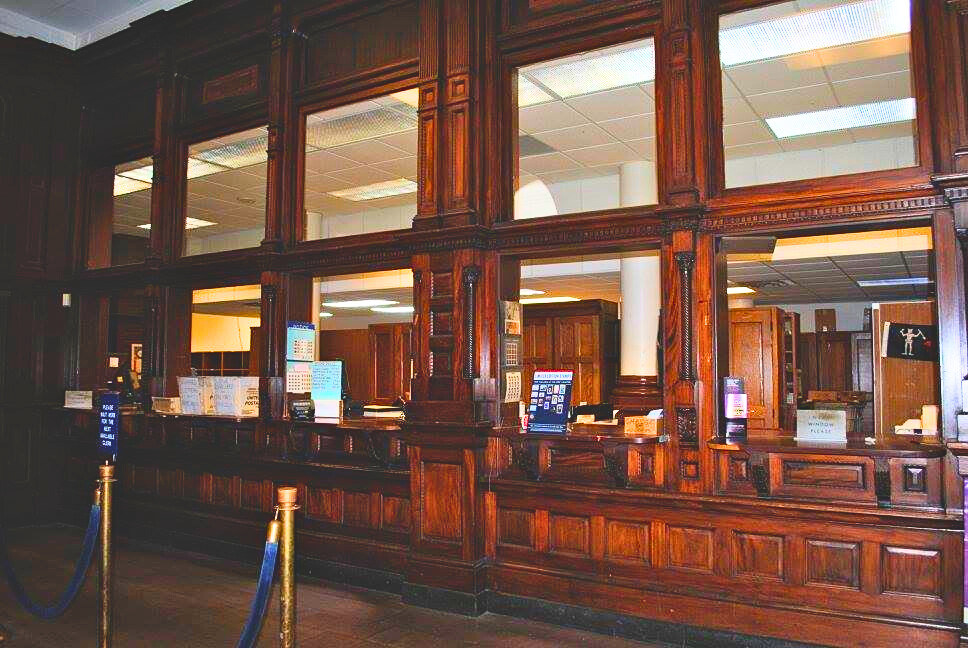
Tucked inside a working post office, the Charleston Postal Museum ended up being one of those quirky little stops that felt very us. Housed in an 1896 building, the oldest continuously operating post office in the Carolinas, it blends everyday function with fascinating history, which made the experience feel extra special. The museum showcases postal memorabilia and tells the story of Charleston’s mail service over the years, all while people are still actively sending and receiving mail just a few steps away. As someone with a longtime interest in all things postal, I couldn’t not visit, and between the historic architecture and the fact that the building is still in operation today, it ended up being a really memorable and unexpectedly cool stop during our honeymoon exploring the city.
How to Visit the Charleston Postal Museum
Address: 77 Meeting St, Charleston, SC 29401
Hours: Mon-Fri 11:30am-3:30pm
Admission: Free
Confederate Museum (now called The Museum at Market Hall)
Located upstairs in historic Market Hall, once Charleston’s City Hall, this museum has a long and complicated history. During the Civil War, thousands of young Confederate soldiers reportedly passed through Charleston’s recruiting station in Market Hall, and in 1894 the Charleston Chapter of the United Daughters of the Confederacy began collecting artifacts from the war, eventually establishing what became known as the Confederate Museum (now called The Museum at Market Hall). Inside, you’ll find a variety of Civil War–era artifacts and memorabilia tied to the Confederacy and Charleston’s role during that period, all housed within a historic building that’s worth noting in its own right.
That said, this was probably one of the more complicated stops on our Charleston honeymoon itinerary. As Northerners (from the Land of Lincoln, no less) the experience felt a little uncomfortable for us. While there’s undeniably historical value in the artifacts and stories preserved here, the framing and tone at the time felt more like honoring Confederate soldiers than critically examining the broader history, which made it a challenging visit personally. I can’t speak to whether the museum’s newer name reflects changes in interpretation or exhibits, but it’s definitely one of those places where your comfort level and expectations may vary depending on what you’re hoping to learn and experience.
How to Visit The Museum at Market Hall
Address: 188 Meeting St, Charleston, SC 29401
Website: https://www.museumatmarkethall.com/
Hours: Thur-Sun 11am-4pm
Admission: Adults $7, Kids 6-12 $3, Military/Veterans/Kids 5 + under Free
Charleston City Market
Charleston City Market is one of those lively, can’t-miss spots right in the heart of the historic district, filled with local vendors, shops, events, and plenty of food options. The long, open-air market buildings make it easy to wander at your own pace, popping into stalls selling everything from handmade goods and souvenirs to local snacks and specialties. It has that fun, bustling energy that makes you want to slow down and just explore without a strict plan.
We especially loved stopping here for food- it’s a great place to grab lunch and sample a few different local favorites all in one stop. Our standout bite was Callie’s Hot Little Biscuit, which absolutely lived up to the hype and ended up being one of our most memorable meals in Charleston. Even if you’re just passing through to browse, the market is a fun place to soak in the atmosphere, do a little shopping, and try something delicious along the way.
How to Visit the Charleston City Market
Address: 188 Meeting St, Charleston, SC 29401
Website: https://www.thecharlestoncitymarket.com/
Hours: Daily 9:30am-5:30pm, Night market Fri/Sat 6:30-10:30pm
Patriot’s Point
Patriot’s Point ended up being one of the most jaw-dropping stops of our Charleston honeymoon, especially stepping aboard the USS Yorktown. This massive WWII aircraft carrier, 888 feet long and the 10th aircraft carrier to serve in the U.S. Navy, honestly felt like exploring a floating city. Walking through deck after deck gave us a whole new appreciation for the scale of naval life, and seeing an entire hangar deck packed with aircraft on the ship itself was one of those moments where you just stop and go, “wow.” The site also includes the USS Laffey, the most decorated WWII-era destroyer still in existence, which added another layer of perspective to the experience.
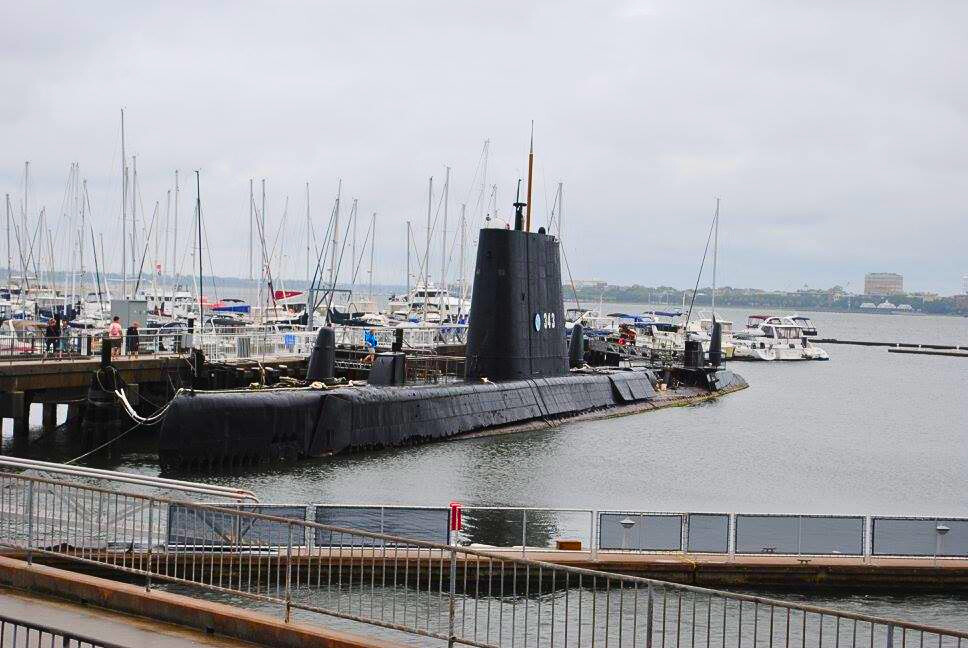

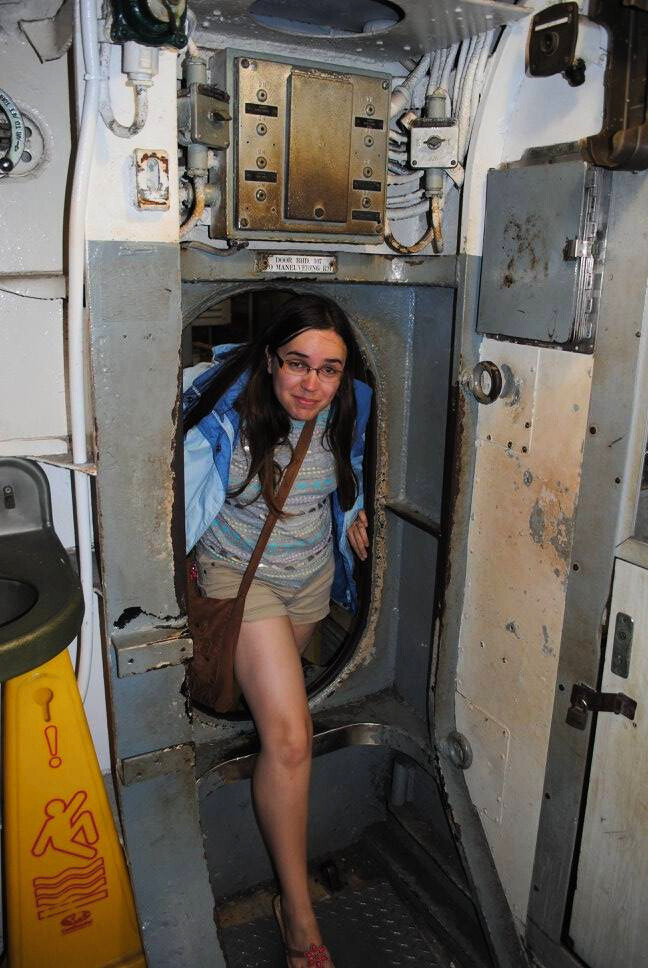

We also toured the USS Clagamore submarine when we visited (it was later sent to Virginia for recycling in 2022). Built during WWII but still in training when the war ended, the submarine offered the total opposite experience from the Yorktown- tight corridors, tiny bunks, and incredibly compact spaces that really drove home how different life was below the surface. Another highlight was the Vietnam Experience exhibit, an immersive outdoor display set up like a support base and Marine artillery fire base during the 1968 Tet Offensive, complete with buildings, helicopters, an ambulance, a patrol boat, and even an observation tower. Between the massive ships and the detailed exhibits, Patriot’s Point is one of those places where you could easily spend hours exploring and still feel like you’ve only scratched the surface.
How to Visit Patriot’s Point
Address: 40 Patriots Point Rd, Mt Pleasant, SC 29464
Website: https://www.patriotspoint.org/
Hours: Daily 10am-5pm
Admission: Adults $28, Kids 6-12 $23, Seniors $25, Military $22, SC First Responders $23, SC Teachers $23 (Add-ons available)
Day 3: Capers Island, Charles Pinckney NHS, Fort Moultrie, Charleston Distilling Company
Eco Tour on Capers Island
One of the most unique experiences from our Charleston honeymoon was taking an eco tour out to Capers Island Heritage Preserve, a protected barrier island that’s only accessible by boat. The 3.5-hour guided tour took us through the salt marshes and surrounding waterways with a naturalist guide who shared tons of insight about the local ecology and wildlife along the way. We spotted birds and dolphins from the boat, and one of the coolest parts was watching the guide use nets and traps to pull up different marine creatures to show and explain before safely releasing them. Capers Island itself is protected through the South Carolina Heritage Trust Program and managed by the South Carolina Department of Natural Resources, which helps preserve its wild, untouched feel.
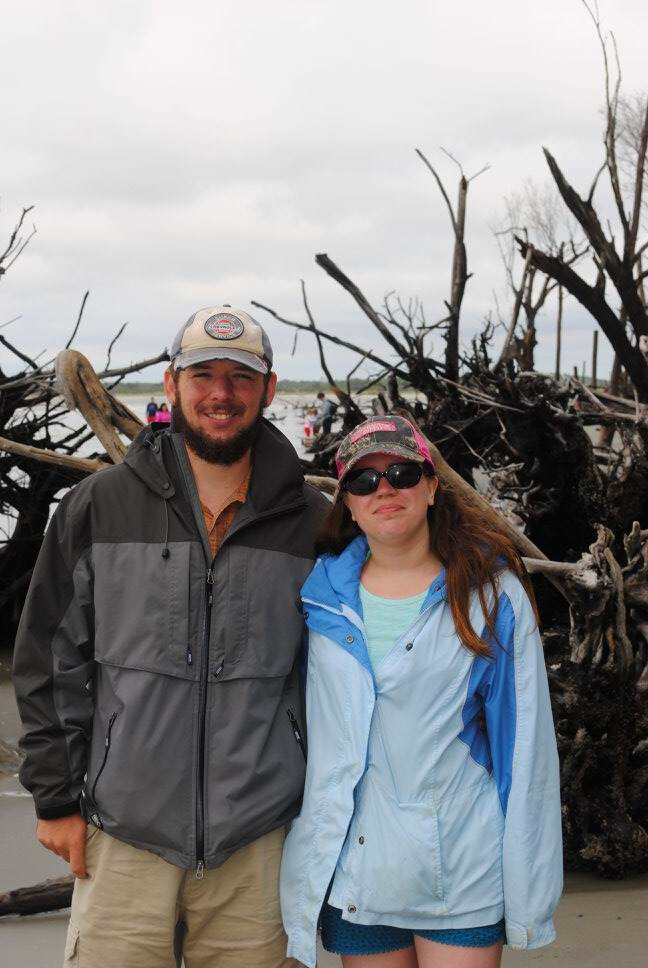
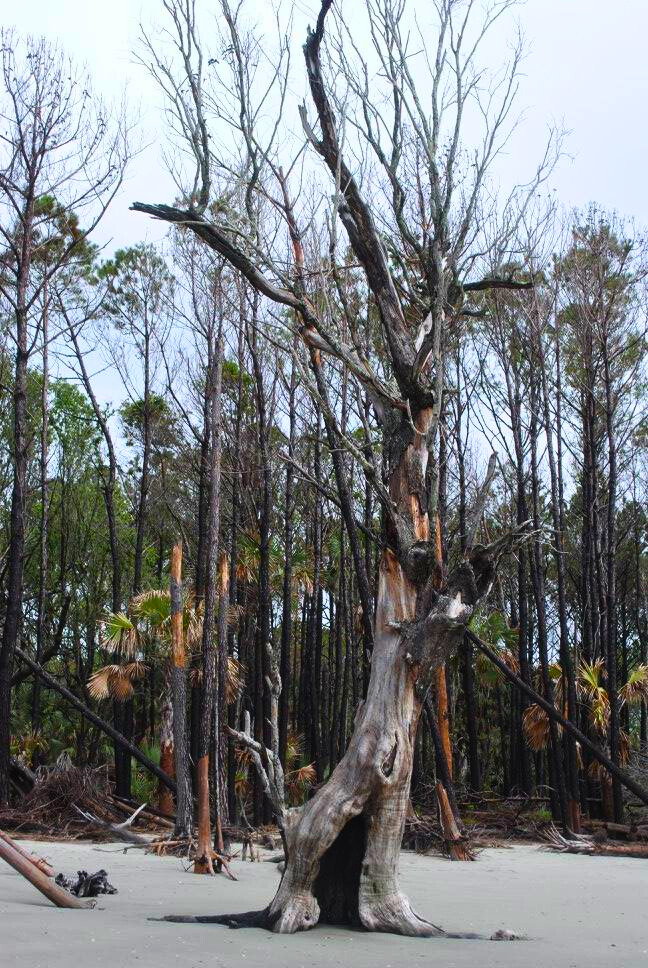
Once we reached the island, we had free time to explore on our own- wandering the beach, picking up shells, and checking out coastal plants while soaking in the quiet, natural atmosphere. Our guide made the whole experience extra fun and informative, and the boat ride itself was just as enjoyable as the island time. One practical note: there are no bathrooms on the island… but let’s just say there are plenty of trees if nature calls. If you’re looking for something outdoorsy and a little off the typical tourist path, this was one of the most memorable adventures of our trip.
How to Take an Eco Tour on Capers Island
Website: https://nature-tours.com/public-tours/capers-island-wildlife-exploration/
Cost: Adults $55, Kids 3-12 $45, Kids 2 and under Free
Charles Pinckney National Historic Site
Charles Pinckney National Historic Site preserves a small but meaningful 28-acre remnant of Snee Farm, once a rice and indigo plantation connected to Charles Pinckney, one of the signers of the U.S. Constitution. The centerpiece of the site is an 1828 Lowcountry coastal cottage that now serves as the museum and visitor center, with exhibits exploring Pinckney’s contributions to the Constitution as well as the broader realities of 18th-century plantation life for both free and enslaved people. The surrounding park grounds include peaceful gardens and open green space that make it feel more like a quiet historical retreat than a busy tourist attraction.
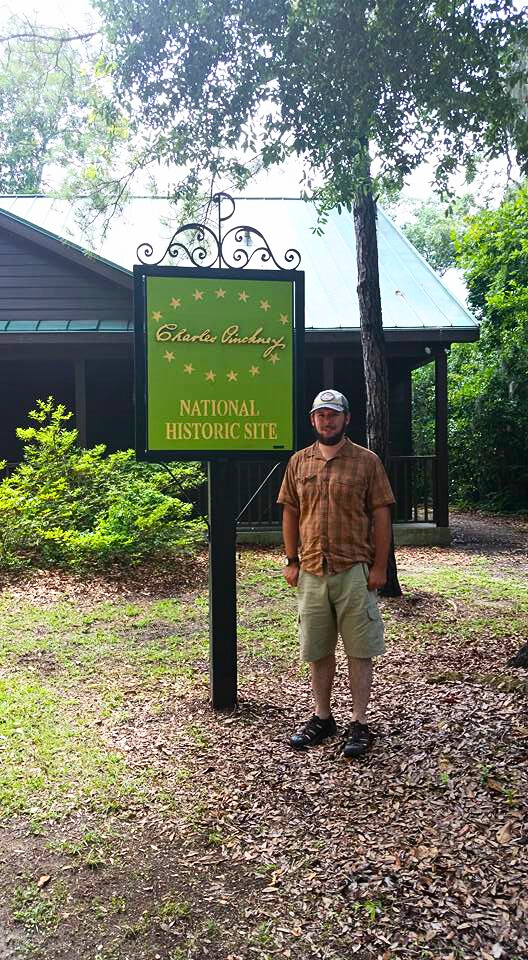
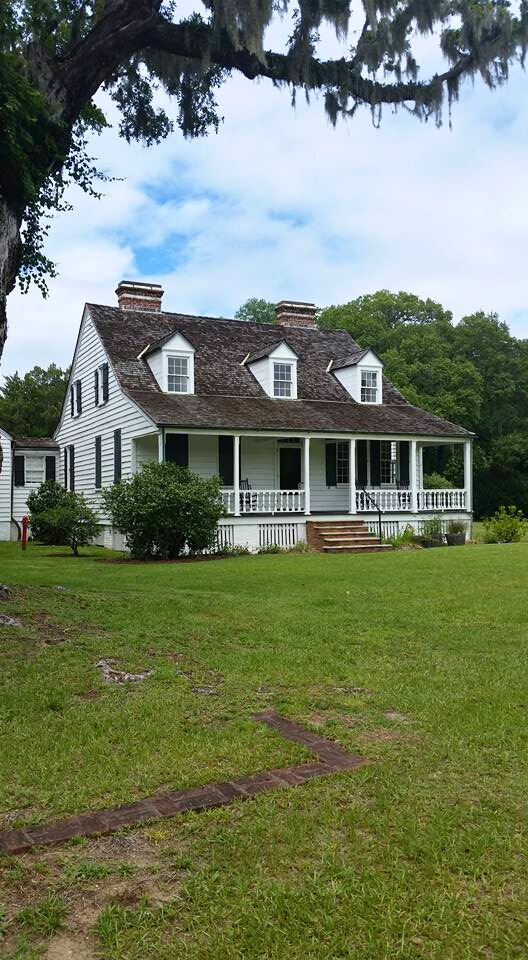
We enjoyed taking our time walking the half-mile trail around the property, which features informative wayside exhibits covering everything from the house itself and archaeological excavations to agricultural history, slavery in the Southeast, and the surrounding wetlands ecosystem. It’s not a huge site, but it’s thoughtfully presented and offers a more reflective look at Charleston-area history, making it a nice slower-paced stop that balances out some of the city’s busier attractions.
How to Visit Charles Pinckney National Historic Site
Address: 1254 Long Point Road, Mount Pleasant, SC 29464
Website: https://www.nps.gov/chpi/
Hours: Visitor Center: Open seasonally Fri-Sat 9am-4pm, Grounds open Wed-Sun 9am-5pm
Admission: Free
Fort Moultrie National Monument
Fort Moultrie ended up being one of our favorite historic stops around Charleston, especially because it offers such a wide-ranging look at American coastal defense. The original palmetto log fort on this site played a key role in defeating the Royal Navy during the 1776 Battle of Sullivan’s Island, long before nearby Fort Sumter was built, making it an important early chapter in Revolutionary War history. Today, you can explore the fort on a self-guided walking tour using a brochure from the visitor center, with interpretive signs placed throughout the grounds that help bring each era of the fort to life.
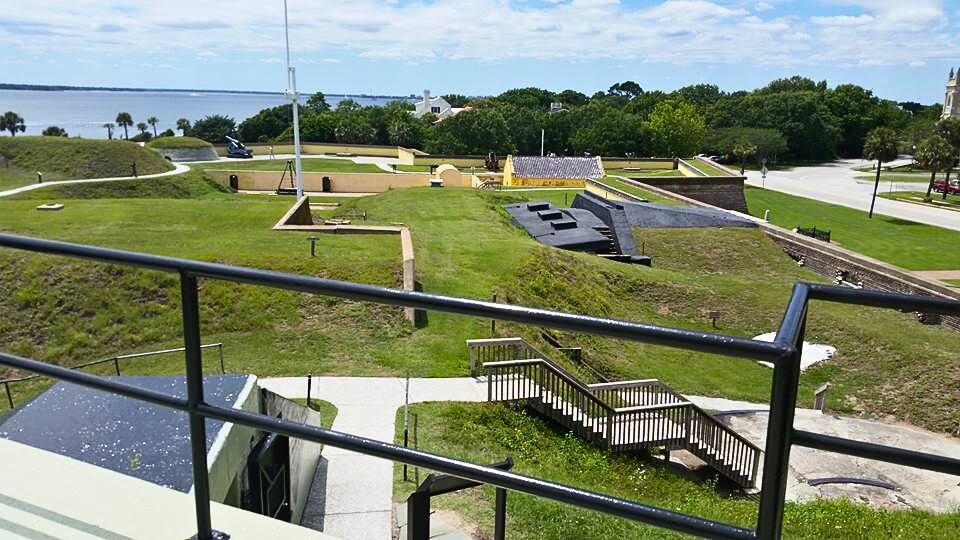
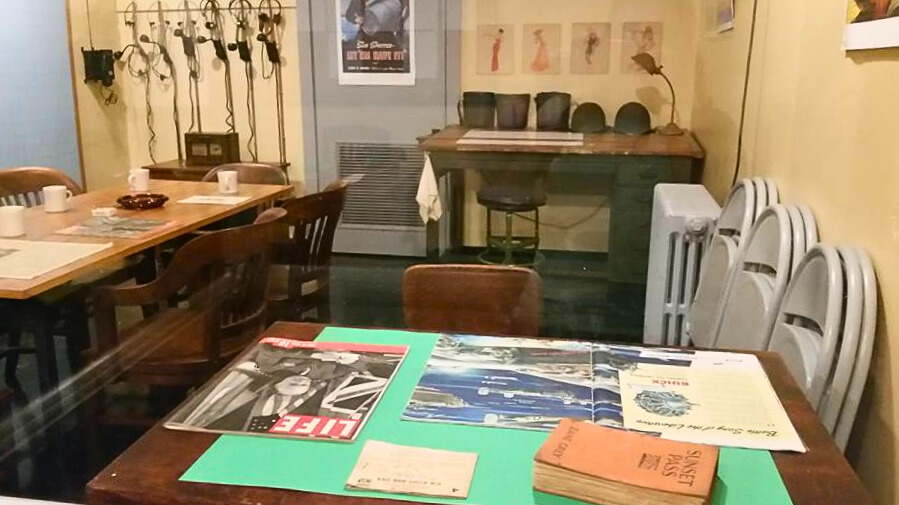
The visitor center also houses museum exhibits that tell the broader story of American seacoast defense from 1776 through 1947, which adds helpful context as you walk through the different layers of the fort’s construction over time. Fort Moultrie is part of the Fort Sumter and Fort Moultrie National Historical Park, and we chose to visit each fort on separate days so we could really take our time exploring. Compared to some of Charleston’s busier sites, this one felt a little more relaxed and hands-on, perfect for history lovers who enjoy wandering at their own pace while learning along the way.
How to Visit Fort Moultrie National Monument
Address: 1214 Middle Street, Sullivan’s Island, SC 29482
Website: https://www.nps.gov/fosu/
Hours: Daily 9am-4:30pm
Admission: $10, or America the Beautiful pass
Tour of Charleston Distilling Company
Since Josh is a big whiskey fan, touring Charleston Distilling Company was an easy add to our honeymoon itinerary, and it ended up being a really fun behind-the-scenes look at the craft distilling process. The distillery takes a true farm-to-bottle approach, using locally sourced grains and handling every step on site, from milling and mashing all the way through distillation. The guided tour lasted about 30–45 minutes and walked us through the production space while explaining how their spirits are made, which made it feel both informative and approachable even if you’re not a total whiskey expert.
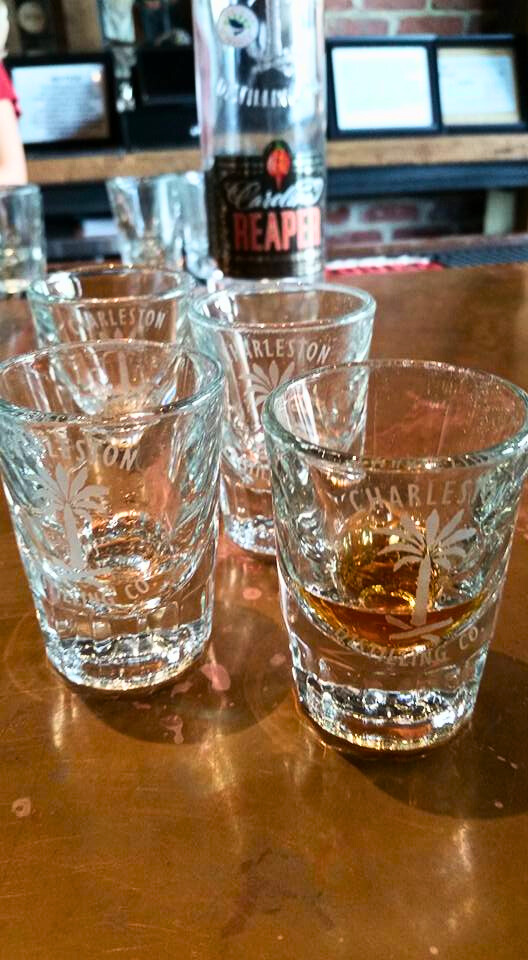

While tastings aren’t included in the base tour price, you can purchase flights or cocktails afterward, which is exactly what we did to round out the experience. It was a great mix of education and relaxation, and a nice change of pace from all the historic sites we were visiting around Charleston. Even if you’re just casually interested in craft spirits, or traveling with someone who is, it’s a fun and laid-back stop that adds a little variety to your itinerary.
How to Tour Charleston Distilling Company
Address: 3548 Meek’s Farm Rd, Johns Island, SC 29455
Website: https://charlestondistilling.com/
Tour Cost: $10
Day 4: Angel Oak, Charleston Tea Garden, Deep Water Vineyard, Firefly Distillery, Bears Bluff National Fish Hatchery, Low Tide Brewing, and Fort Sumter Dinner Cruise
Angel Oak
Seeing the Angel Oak Tree in person was one of those moments that stopped us in our tracks- it’s just so massive and sprawling that it almost doesn’t feel real until you’re standing underneath it. This Southern live oak stands about 66.5 feet tall, with a trunk circumference of roughly 28 feet, and its twisting branches stretch out to cover an incredible 17,200 square feet of ground. While there’s some debate about its exact age, most experts estimate the tree is between 400 and 500 years old, making it one of the oldest living things in North America. Walking around it felt both peaceful and awe-inspiring, especially seeing how the huge limbs seem to reach out in every direction.
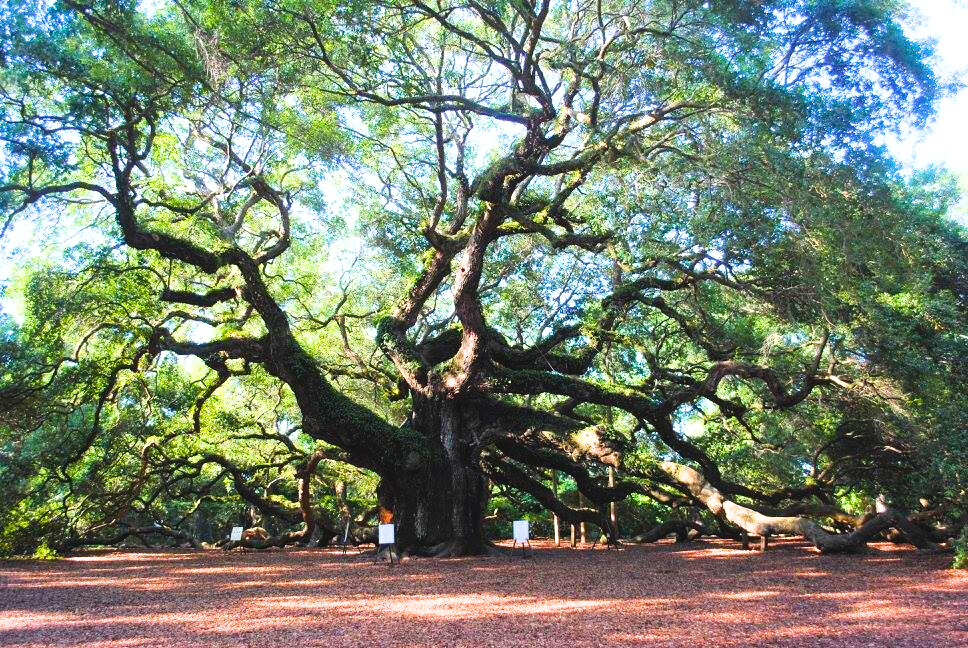
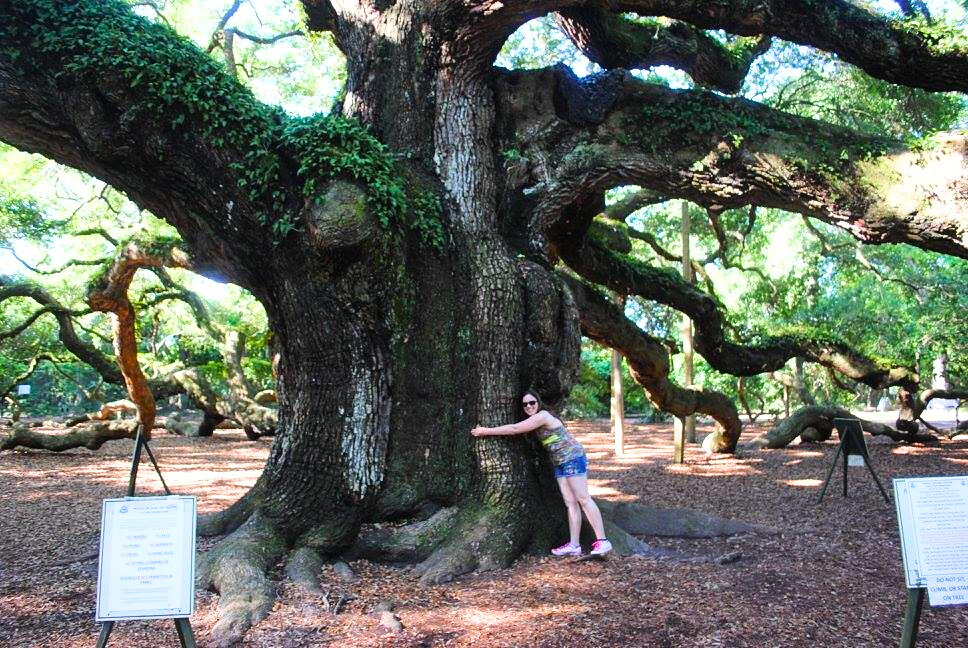
Angel Oak Park offers free general admission, and there’s a small gift shop on site if you want a souvenir to remember your visit. The park has a few rules to help preserve the tree- no blankets, picnics, props, or tripods, so the focus really stays on appreciating the oak itself. It’s a simple stop compared to some of Charleston’s more structured attractions, but the sheer size and beauty of the tree made it one of the most memorable and quietly powerful moments of our trip.
How to Visit the Angel Oak
Address: 3688 Angel Oak Road, Charleston, SC 29402
Website: https://angeloaktree.com/
Charleston Tea Plantation (now Charleston Tea Garden)
A visit to the Charleston Tea Garden on Wadmalaw Island was one of the most unique and surprisingly fascinating stops of our Charleston honeymoon. The sandy soil, subtropical climate, and abundant rainfall create the perfect conditions for growing Camellia sinensis, the tea plant, and today the garden spans 127 acres with more than 320 varieties, producing nine different flavors. It’s also incredibly special because it’s the only tea in the world made entirely from U.S.-grown leaves. The history here is just as interesting as the fields themselves: tea plants first arrived in the U.S. from China in the late 1700s, but successful cultivation in South Carolina didn’t happen until Dr. Charles Shepard founded Pinehurst Tea Plantation in 1888. After his death in 1915 the plantation closed and the plants grew wild, until a Wadmalaw Island farm transplanted Shepard’s surviving plants in 1963- eventually becoming what we know today as the Charleston Tea Garden. The property was sold to Bigelow Tea in 2003, and in 2020 the name officially changed from Charleston Tea Plantation to Charleston Tea Garden.
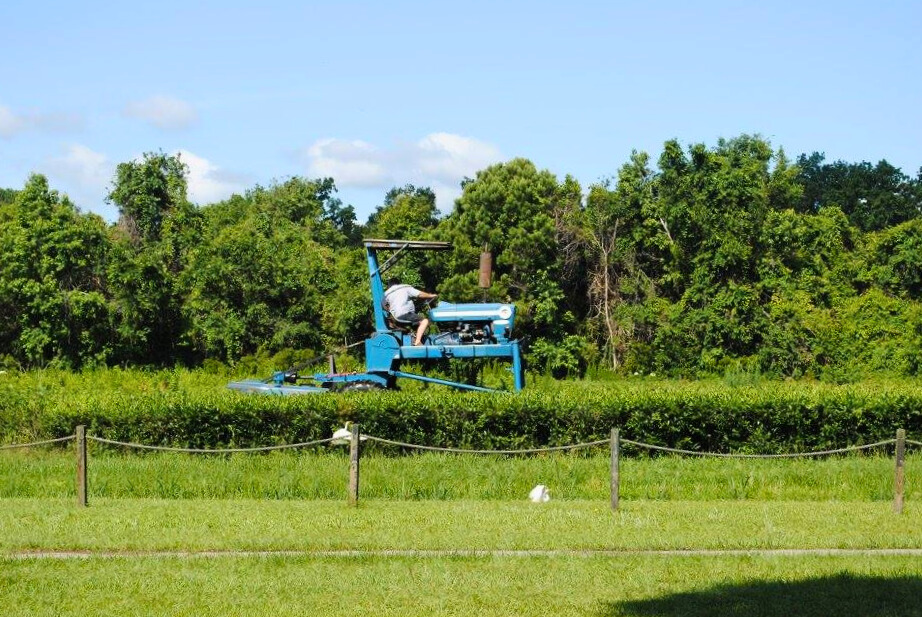
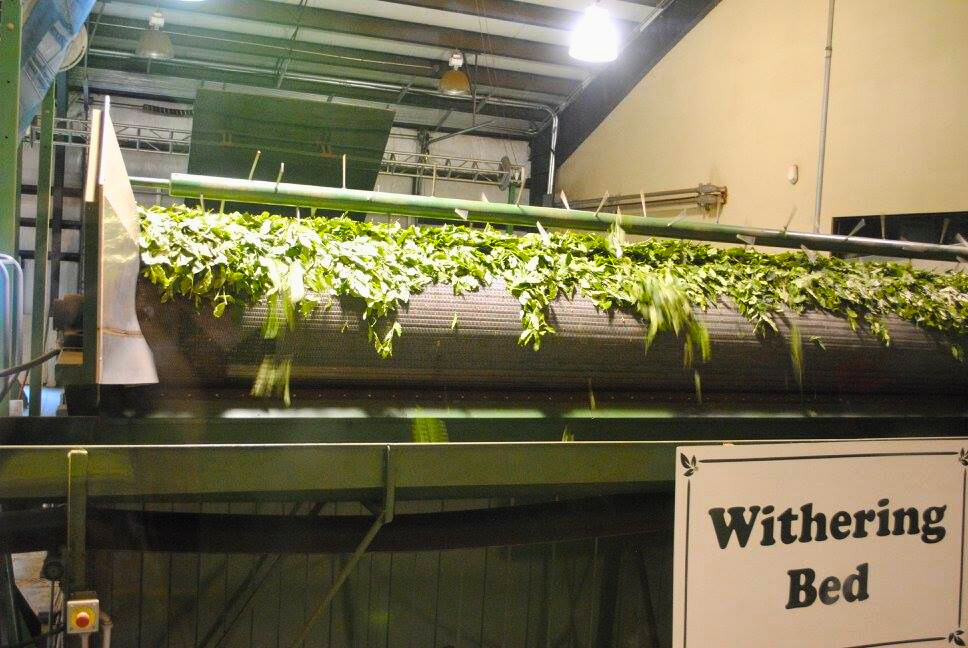

There are a few different ways to explore, including a trolley tour through the tea fields and greenhouse, a free factory “tour” where you view the production area through large gallery windows, and even a more in-depth Wadmalaw Adventure Tour. We did the 35–40 minute trolley tour, which gave us a great overview of how tea is grown and harvested, and we really enjoyed seeing the fields up close while learning from the guide. The garden is open year-round, with harvest season beginning in May, full production during summer, blooms appearing in fall after harvest ends, and a quieter but still scenic winter season. Overall, this was a really neat experience and an easy recommendation if you’re looking for something a little different from Charleston’s historic sites.
How to Visit Charleston Tea Garden
Address: 6617 Maybank Highway, Wadmalaw Island, SC 29487
Website: https://charlestonteagarden.com/
Hours: Mon-Sat 10am-4pm, Sun 12-4pm
Deep Water Vineyard & Firefly Distillery
While exploring Wadmalaw Island, we made a stop at Deep Water Vineyard, a 48-acre winery and the only domestic winery in the Charleston area. The laid-back setting makes it easy to spend a relaxed afternoon here- guests are welcome to bring their own picnic, and during the week you can pick up fruit, cheese, and snack trays from the gift shop (with food trucks typically visiting on Saturdays). One of the standout features is their muscadine wine, made from grapes native to the United States that thrive in the hot, humid Southern climate and were among the first ever cultivated in the region. When we visited, we ended up being the only people there for our tasting, which turned into an accidentally private and super informative experience. The staff were incredibly friendly, and we genuinely enjoyed both learning about and tasting the wines.
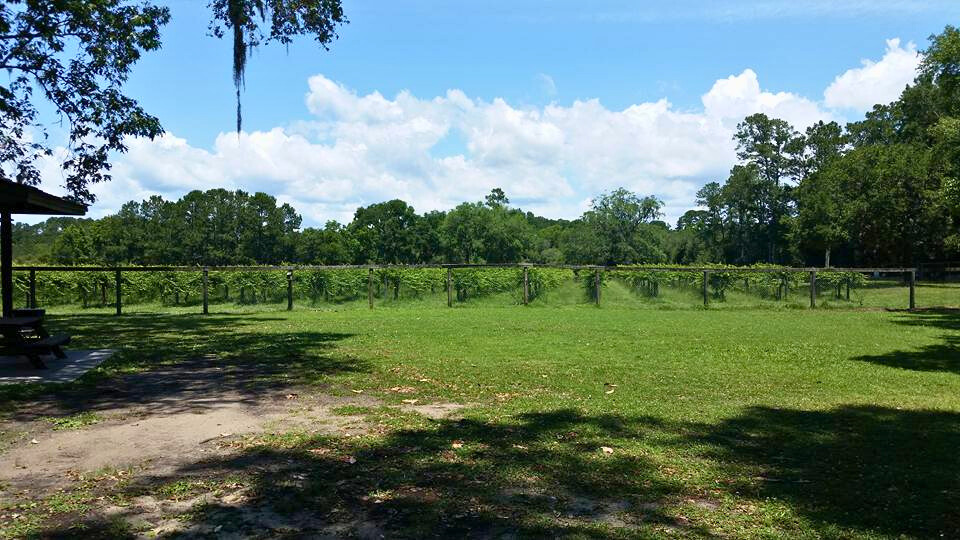
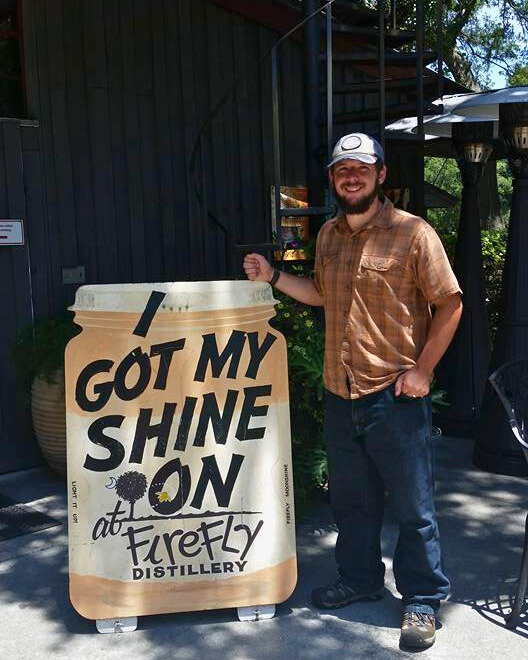
At the time of our honeymoon, Firefly Distillery, known as the “home of the world’s first sweet tea vodka,” was located right on the same property as Deep Water Vineyard (it has since moved to a new location closer to downtown Charleston). Firefly now produces more than 30 spirits including vodka, bourbon, and moonshine, and offers a variety of tasting experiences, from standard walk-in tastings to deluxe reservations with extra swag. Back when we visited, we started with a tasting at Deep Water and then simply walked over to Firefly for another round. They even gave us a few extra samples to celebrate our honeymoon, and the atmosphere was so fun with other groups enjoying their tastings too. We ended up grabbing food from a food truck afterward and just relaxing on the property while chickens wandered around, it was one of those unexpectedly perfect, low-key afternoons that became a highlight of our trip.
How to Visit Deep Water Vineyard
Address: 6775 Bears Bluff Rd, Wadmalaw Island, SC 29487
Website: https://deepwatervineyard.com/
Hours: Tues-Sat 10am-5pm, last tasting at 4pm
Tastings: $15/person, includes souvenir glass
How to Visit Firefly Distillery
Address: 4201 Spruill Avenue, North Charleston, SC 29405
Website: https://fireflydistillery.com/
Hours: Mon (June-Aug only) 12-6pm, Tues-Sat 12-6pm
Tastings: Standard tastings $15/person, Deluxe tastings $35
Bear Bluffs National Fish Hatchery
Bears Bluff National Fish Hatchery, operated by the U.S. Fish and Wildlife Service, ended up being one of the most unexpectedly incredible stops of our Charleston honeymoon. This warm-water production facility cultures a variety of aquatic species year-round, including Atlantic sturgeon, American shad, red drum, Carolina gopher frogs, and several freshwater mussel species. The 31-acre property also features a self-guided walking trail with informational signs and is a great spot for birding, and they sometimes offer informal tours depending on staff availability. We originally stopped here after our winery and distillery tastings just to walk around and sober up, but it quickly turned into so much more.
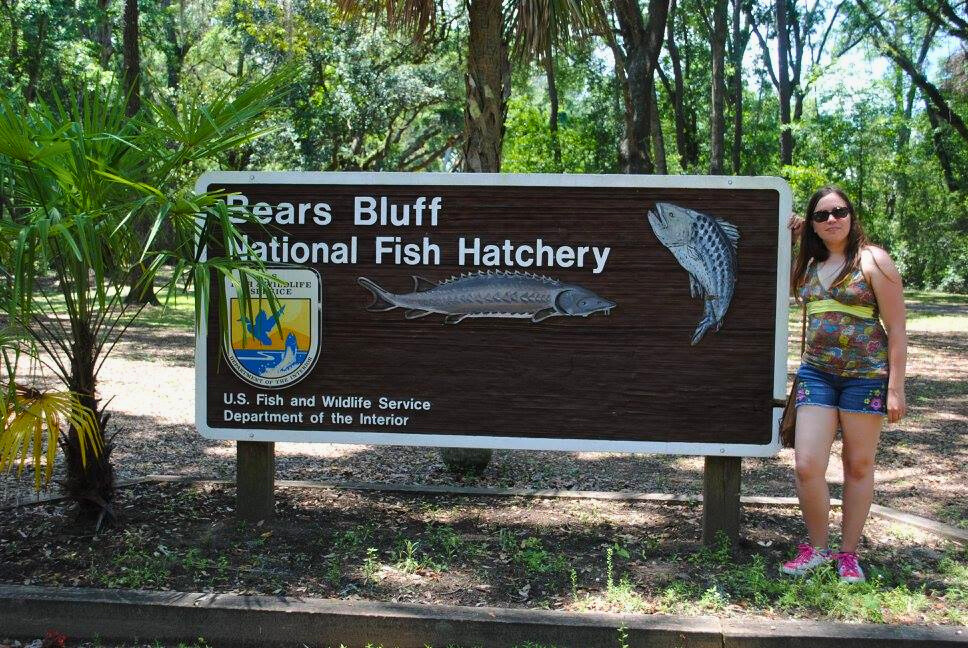
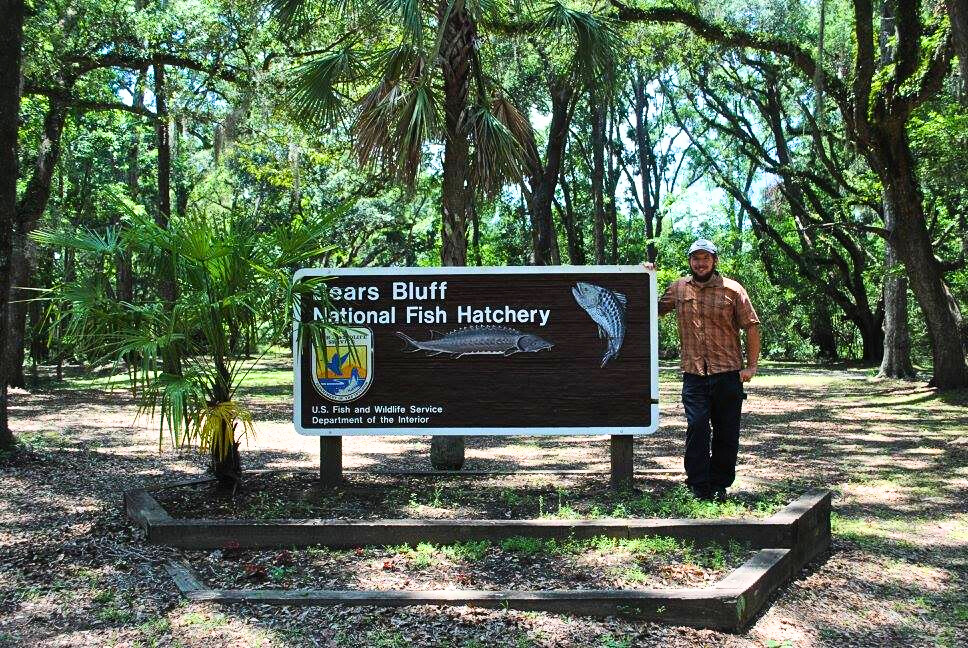
When we were figuring out where to go, we happened to run into one of the hatchery biologists who generously offered to give us an impromptu, behind-the-scenes tour of the entire facility, and it honestly became one of our favorite travel experiences ever. He showed us the fish-rearing operations in detail and even shared some of his personal conservation projects, especially his work with mussels, which was fascinating to learn about firsthand. After the tour, we still made sure to walk the nature trail and explore the grounds on our own, but that unexpected, passionate deep-dive into conservation work is what really made this stop unforgettable.
How to Visit Bear Bluffs National Fish Hatchery
Address: 7030 Bears Bluff Road, Wadmalaw Island, SC 29487-6815
Website: https://www.fws.gov/fish-hatchery/bears-bluff
Low Tide Brewing
Low Tide Brewing, which opened in 2016, ended up being one of those spontaneous stops that turned into a really fun memory from our Charleston honeymoon. We literally drove past it, then immediately made a U-turn because it looked like our kind of place, and we’re so glad we did. The brewery is draft-focused (with only specialty beers available in cans), regularly hosts food trucks, and has a laid-back, welcoming atmosphere that made it easy to settle in and try a tasting flight. It was also here that I tried my very first sour beer… and I’ve been a big fan ever since.
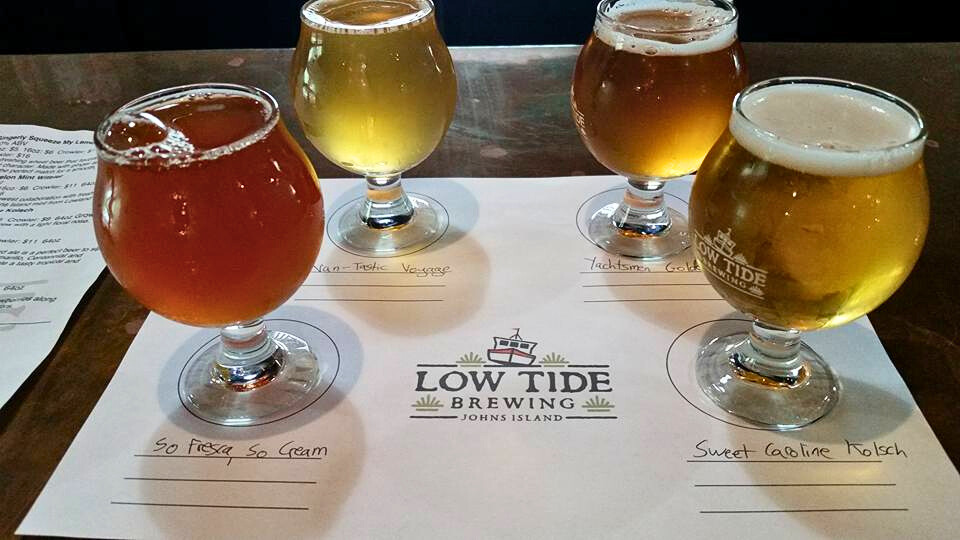
While there aren’t daily scheduled tours, the staff will sometimes give impromptu behind-the-scenes looks if the bartenders have time, which adds to the relaxed and personable vibe. Just a heads up if you’re traveling with pets- dogs aren’t allowed except for service animals. Even though this wasn’t originally on our itinerary, it ended up being a great example of why leaving room for spontaneous stops can make a trip even more memorable.
How to Visit Low Tide Brewing
Address: 2863 Maybank Highway, Johns Island, SC 29455
Website: https://lowtidebrewing.com/
Hours: Sun 12-10pm, Mon-Thurs 3-10pm, Fri/Sat 12pm-12am
Fort Sumter Dinner Cruise
While you can absolutely visit Fort Sumter on a regular daytime ferry tour, we chose the dinner cruise, and honestly, we can’t recommend it enough. The sunset cruise itself was beautiful, but the real highlight was arriving on the island after regular visiting hours, which meant it was just our tour group exploring the fort. Fort Sumter is only accessible by boat (private boats aren’t allowed), with Fort Sumter Tours providing the only National Park Service–authorized access from Liberty Square or Patriots Point. When you arrive, park rangers give a short orientation program, and depending on your timing you may even get the chance to help raise or lower the American flag. Since our visit was at the end of the day, we got to help retire the flag for the night, an unexpected bucket list moment we didn’t even know we had.
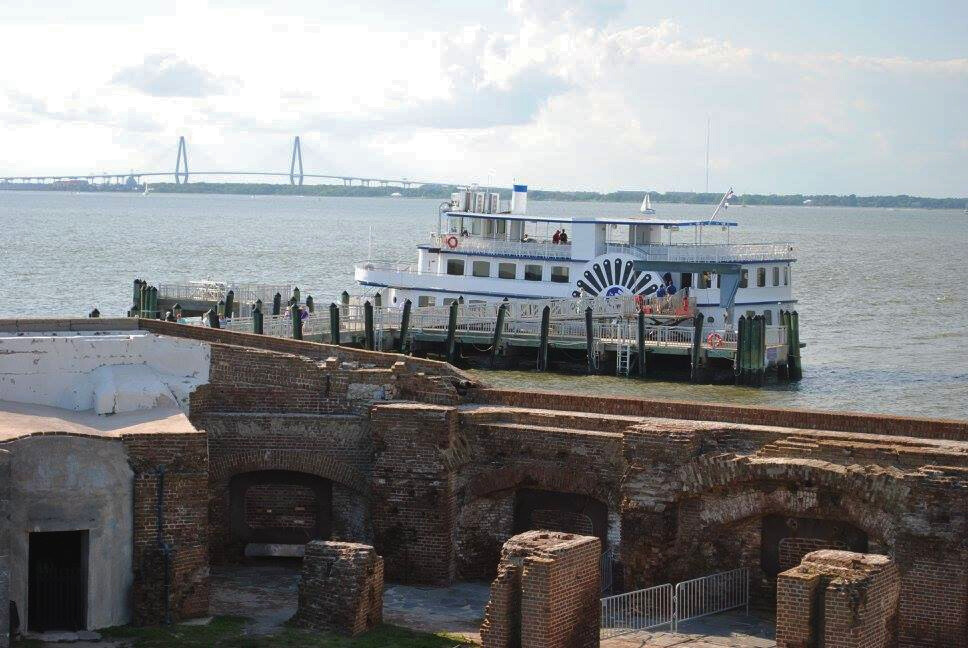
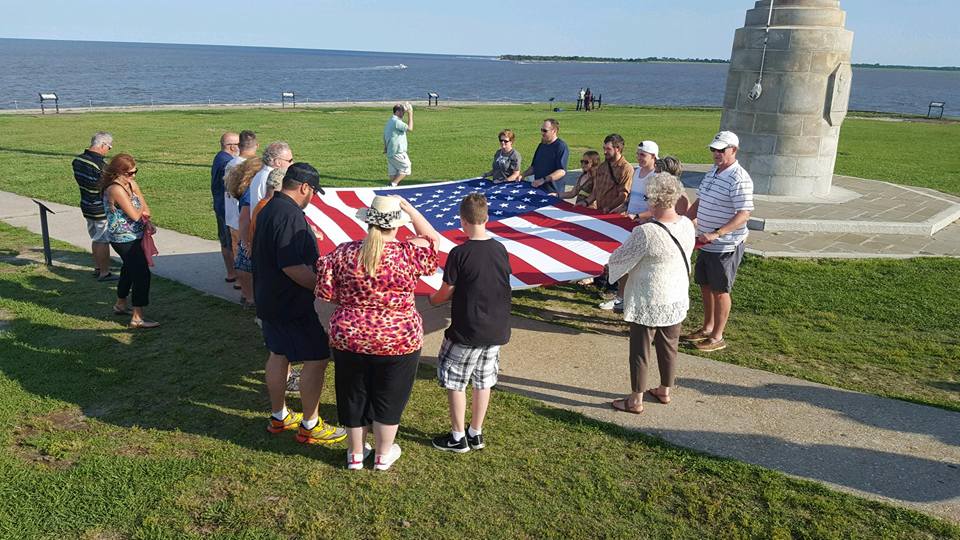
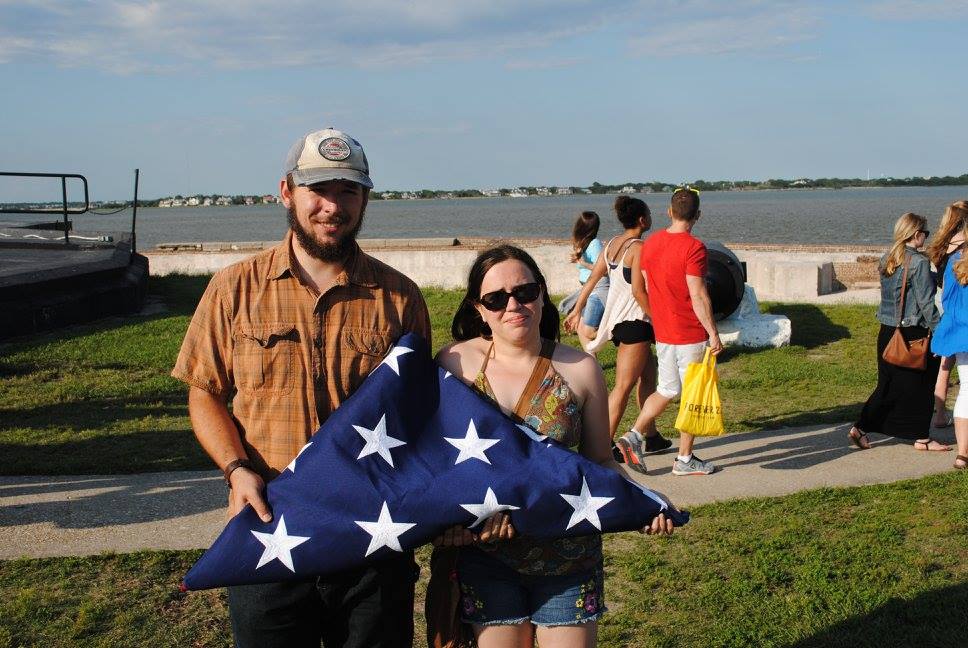
Construction on Fort Sumter began in 1829 on a manmade island as part of the “Third System” of U.S. seacoast defenses planned after the War of 1812, meant to protect vulnerable harbors like Charleston. During the Civil War, Confederate forces garrisoned the fort for nearly four years until Union artillery reduced much of it to ruins, and the broader Siege of Charleston in 1865 became the longest siege in U.S. military history. Walking the grounds in the quiet evening light made the experience feel especially powerful and reflective. Between the scenic cruise, smaller crowds, and the unique after-hours atmosphere, the dinner cruise turned what could have been a standard historic tour into one of the most memorable experiences of our Charleston honeymoon.
How to Visit Fort Sumter
NPS Website: https://www.nps.gov/fosu
Tour Website: https://www.fortsumtertours.com/
Day 5: HL Hunley, Coastal Carolina Scout Center, Old Exchange & Provost Dungeon, Unitarian Cemetery, and Mace Brown Natural History Museum
HL Hunley
Visiting the H.L. Hunley was one of those stops that felt almost surreal- this Civil War–era vessel became the world’s first successful combat submarine in 1864 after sinking the USS Housatonic, only to mysteriously vanish at sea shortly afterward. The submarine was rediscovered in 1995 and is now cared for by Friends of the Hunley at the Warren Lasch Conservation Center, a high-tech lab specifically designed to conserve and study both the vessel and the artifacts found with it. Ongoing preservation work means the Hunley is suspended in a tank of water to protect it, so while you can’t get the clearest look at every detail, it’s still incredible to stand just feet away from such a groundbreaking piece of history.
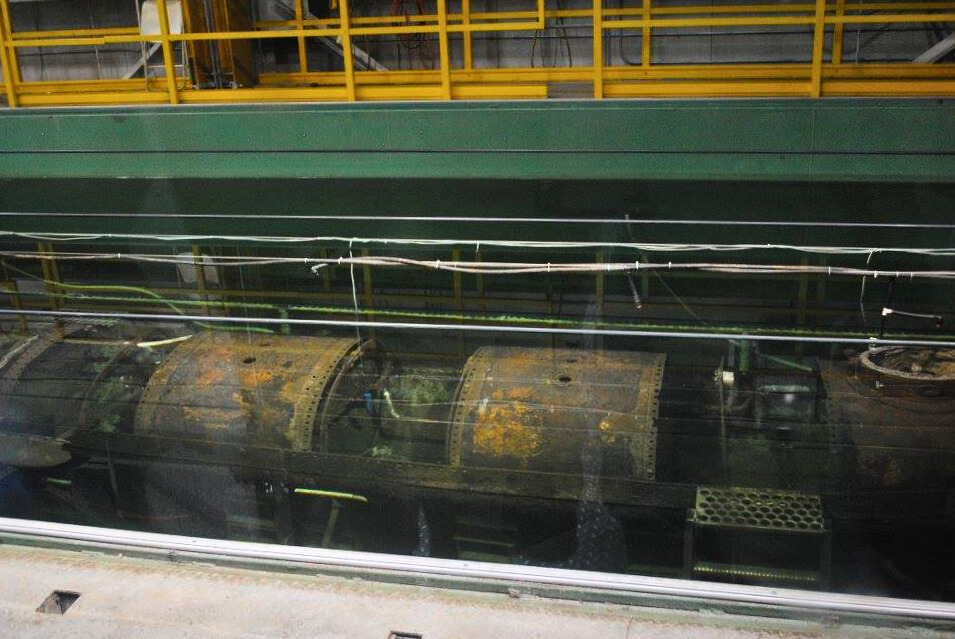
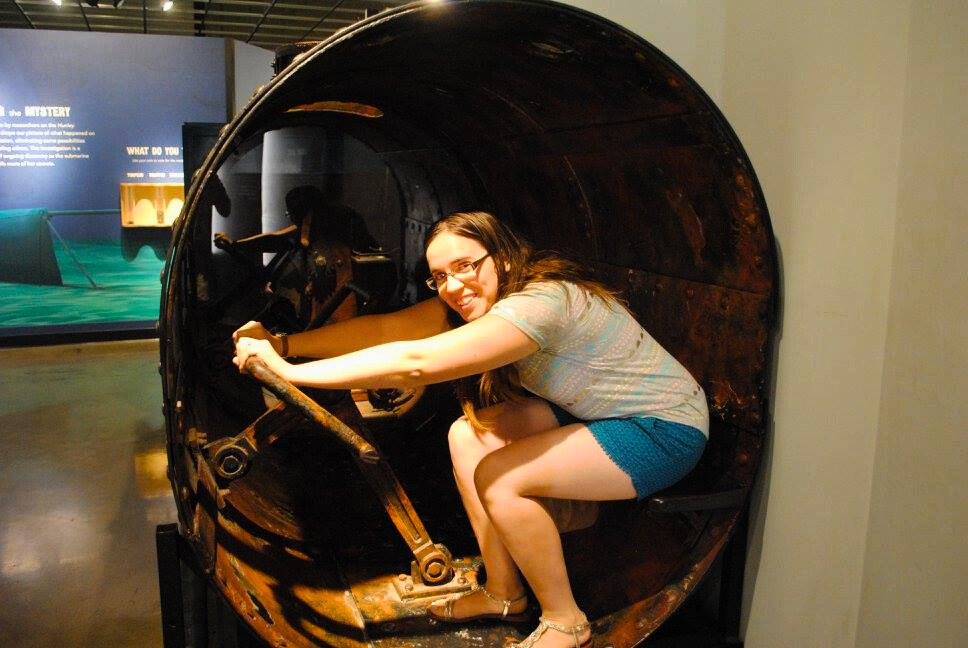
One of the most eye-opening parts of the visit was seeing a replica section that lets you understand just how tiny and cramped the actual submarine was, it really drives home what the crew experienced inside. It’s definitely a bit of an out-of-the-way stop compared to Charleston’s main attractions, but if you’re a history buff (especially one fascinated by unusual or lesser-known stories), it’s absolutely worth making the effort to visit.
How to Visit the HL Hunley
Address: 1250 Supply St, Charleston, SC 29405
Website: https://www.hunley.org/
Hours: Sat 10am-5pm, Sun 10am-3pm
Admission: Adults $18, Kids 6-12 $10
Coastal Carolina Council Scout Center
At the time of our honeymoon, we were very active Boy Scout leaders, so when we happened to drive past the Coastal Carolina Council Scout Center, we couldn’t resist pulling in to grab a council patch for our collection. The staff were incredibly welcoming and friendly, and after chatting with us for a bit they even invited us to come check out their local summer camp. Unfortunately, it didn’t quite fit into our already packed itinerary, which is one of those little travel regrets because it felt like such a unique way to connect with the local community. Even though it was a quick stop, it ended up being a really memorable example of how spontaneous detours can lead to some of the most personal and meaningful travel moments.
Old Exchange and Provost Dungeon
The Old Exchange & Provost Dungeon is one of those Charleston sites where layers of history feel almost stacked on top of each other, literally. Completed in 1771 and built in beautiful Georgian-Palladian style, the building has served as a commercial exchange, custom house, post office, city hall, military headquarters, and museum over the years. Today, you can explore the top two floors through self-guided exhibits that walk you through its many roles in Charleston’s past, including its connection to early American politics- South Carolina leaders met here in 1788 to debate and ultimately ratify the U.S. Constitution, and it remains one of only three original ratification structures still standing. The Exchange also hosted President George Washington in 1791 for dinners, concerts, and dances during his Southern tour.
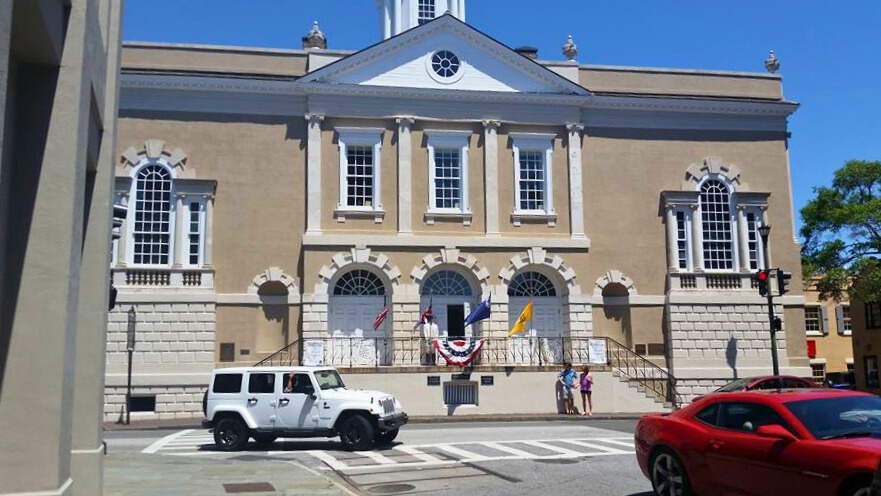
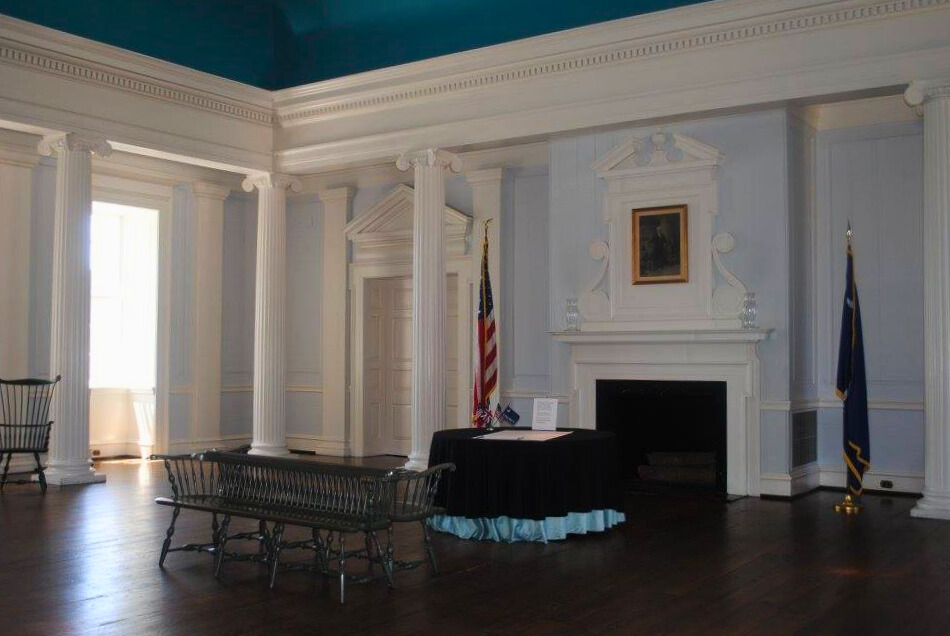
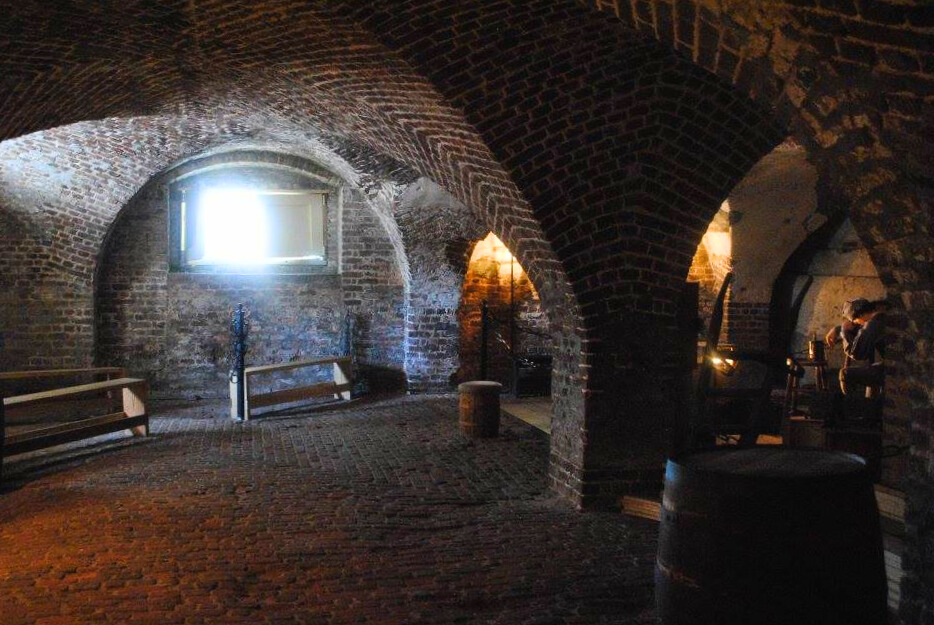
Downstairs is the Provost Dungeon, which you can visit on a 25-minute guided tour offered every half hour between 10am and 5pm. During the American Revolution, the British converted the cellar into a military prison, adding another intense chapter to the building’s story. Like many historic Charleston sites, it also carries a more difficult past, between the Revolution and the Civil War, the Exchange was used for public slave auctions, a reality that’s addressed as part of its history today. The combination of self-guided exhibits and the immersive dungeon tour made this one of the more memorable and thought-provoking historic stops on our honeymoon itinerary.
How to Visit the Old Exchange and Provost Dungeon
Address: 122 East Bay Street, Charleston, SC 29401
Website: https://www.oldexchange.org/
Hours: Mon-Sat 9am-5pm, Sun 11am-5pm
Admission: Adults $16, Kids 6-12 $12, Kids 0-6 Free
Unitarian Cemetery
The Unitarian Church Cemetery quickly became one of my favorite cemeteries I’ve ever visited, and if you know me, that’s saying something. While the pathways are carefully maintained, the plots themselves are intentionally left to nature, creating this beautiful “wild but cultivated” landscape where plants and trees weave naturally among the tombstones. The adjacent Unitarian Church is the second oldest in Charleston, originally built in 1772 and rebuilt in 1854, and since 1837 the churchyard has been shaped into a garden cemetery inspired by European traditions. Caroline Howard Gilman, wife of pastor Samuel Gilman, envisioned it as a place for quiet reflection, recreation, and a sanctuary for local plant species, essentially a living botanical treasure that reflects the Unitarian belief in respecting the interconnected web of all existence.
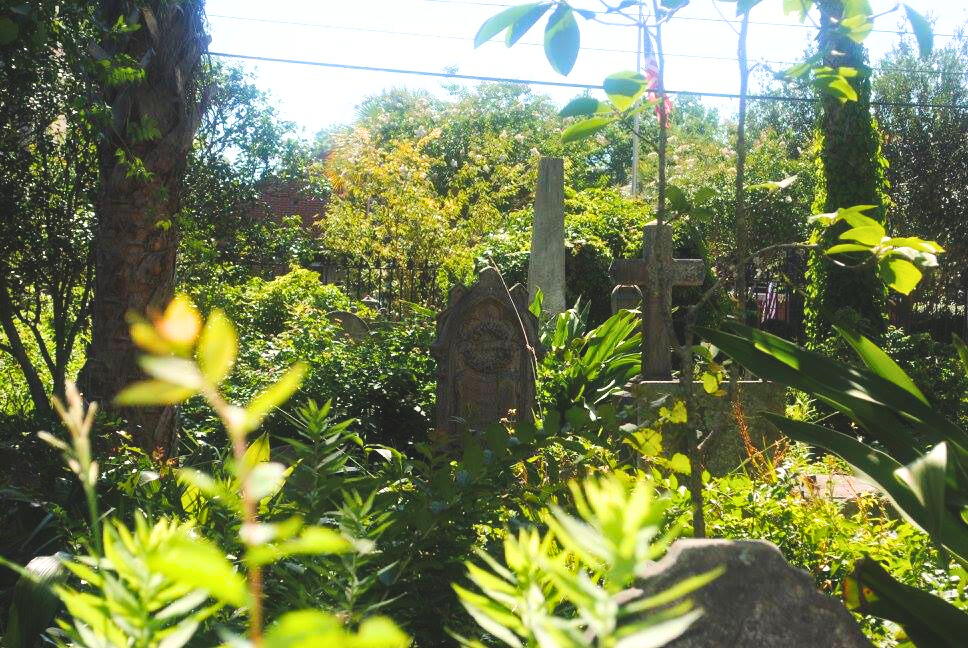
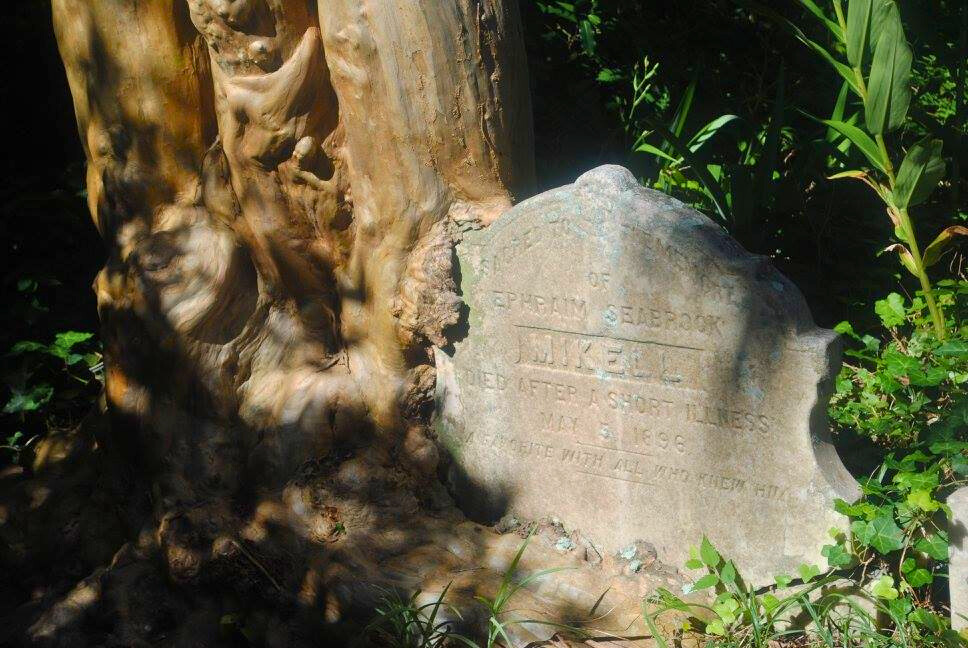
Of course, the cemetery also comes with its share of ghost stories and local lore, including the tale that Edgar Allan Poe’s mysterious Annabel Lee is buried here. According to legend, Annabel fell in love with a sailor stationed nearby before the Civil War, secretly meeting him in the cemetery after her father forbade the relationship; after her death from yellow fever, the sailor supposedly returned to mourn at an unmarked grave. Whether or not the story is true, it adds to the hauntingly beautiful atmosphere of the space. Between the overgrown pathways, layered history, and peaceful energy, this cemetery felt less like a quick sightseeing stop and more like stepping into a quiet, reflective world tucked away in the middle of the city.
How to Visit the Unitarian Cemetery
Address: 8 Archdale St, Charleston, SC 29401
Hours: Churchyard open Tues-Sat 9am-2pm
Mace Brown Natural History Museum
Located on the College of Charleston campus, the Mace Brown Museum of Natural History is one of those hidden gems that we might have missed if we weren’t already fans of exploring college museums. After spending years working in higher education, I’ve learned that campuses often have fantastic (and often free or low-cost) museums, and this one was a great example. The exhibits cover a wide range of natural history topics, including dinosaur bones and fossils, ocean life through time, mammals of North America and the Carolinas, mosasaurs, cave bears, the evolution of whales, and even an impressive megalodon jaw that’s hard to miss. It’s compact but well done, making it an easy stop to add into a day of exploring downtown Charleston.
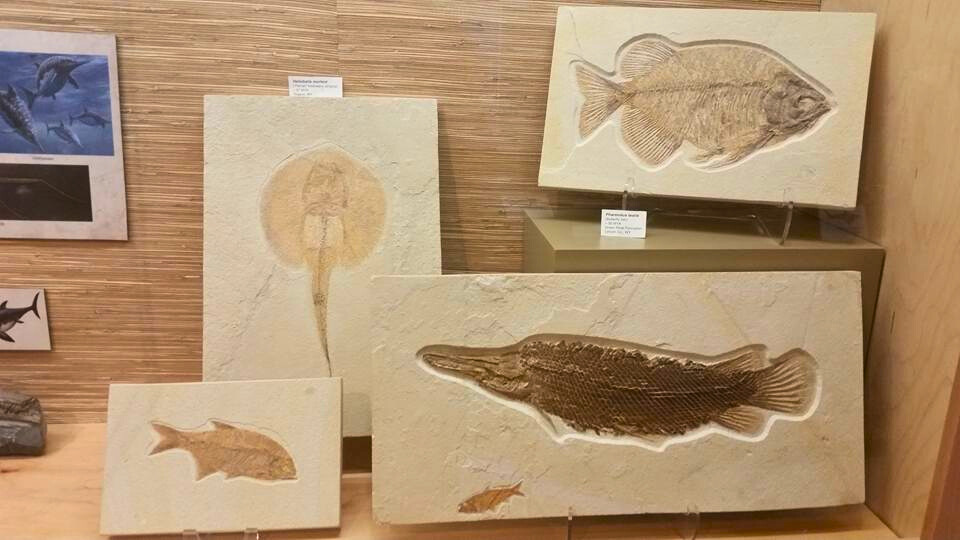
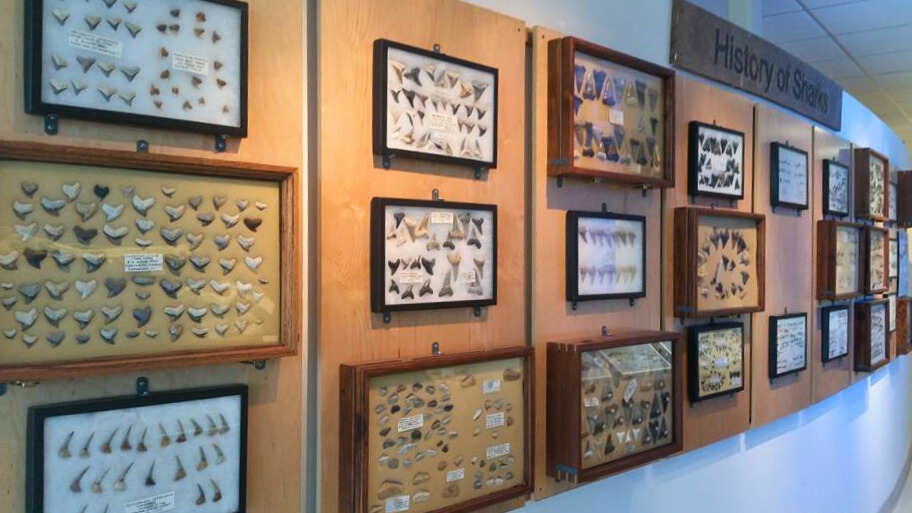
Parking can be a little tricky since it’s right in the city, but there are a few nearby options including metered spots on Coming Street or Calhoun Street, one-hour parking on Duncan Street behind the building, and the St. Philip Street Parking Garage as the closest parking deck. If you enjoy natural history museums or just like discovering unique spots beyond the typical tourist attractions, this is definitely a worthwhile stop, especially if you’re like me and love finding those under-the-radar college museums while traveling.
How to Visit the Mace Brown Natural History Museum
Address: Located on the second floor of the School of Natural and Environmental Sciences Building, 202 Calhoun Street, Charleston, SC 29401
Website: https://charleston.edu/mace-brown-museum/
Hours: Daily 11am-4pm, except closed on Wednesday
Admission: Free
Day 6: Folly Beach, Karpeles Manuscript Museum, Charles Towne Landing State Historic Area
Folly Beach
Known as Charleston’s “Beach Town,” Folly Beach is a lively coastal spot filled with activities, beach rentals, and that classic laid-back ocean vibe. We spent about half a day here during our honeymoon enjoying the scenery and taking a break from nonstop sightseeing, and while it was fun to explore and dip our toes in the water, we quickly realized we’re just not the “sit on the beach and do nothing” type for too long. Still, it was a nice change of pace from historic sites and museums, and if you’re looking to add a relaxed beach stop into your Charleston itinerary, Folly Beach is an easy and enjoyable option.
How to Visit Folly Beach
Website: https://visitfolly.com/
Karpeles Manuscript Museum
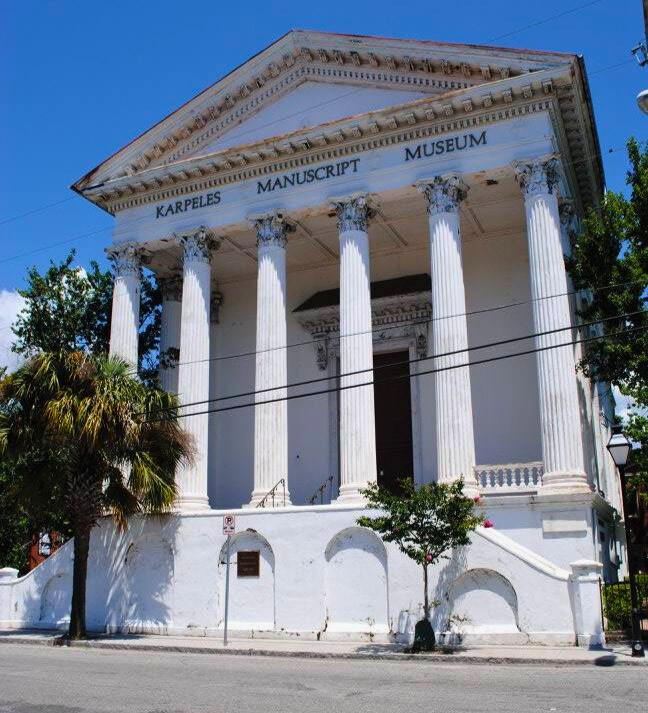
During our honeymoon, we visited the Charleston location of the Karpeles Manuscript Museum, which has since closed, though several other locations remain open in places like Buffalo, Duluth, Pittsburgh, St. Augustine, and Santa Barbara. The museum was housed in the former St. James Chapel, a beautiful Greek Revival building constructed in 1856 and inspired by the Temple of Jupiter in Rome. Like many historic buildings in Charleston, it has seen a variety of uses over the years, including serving as a hospital for Confederate soldiers during the Civil War. Even before stepping inside, the architecture alone made it feel like a meaningful historic stop.
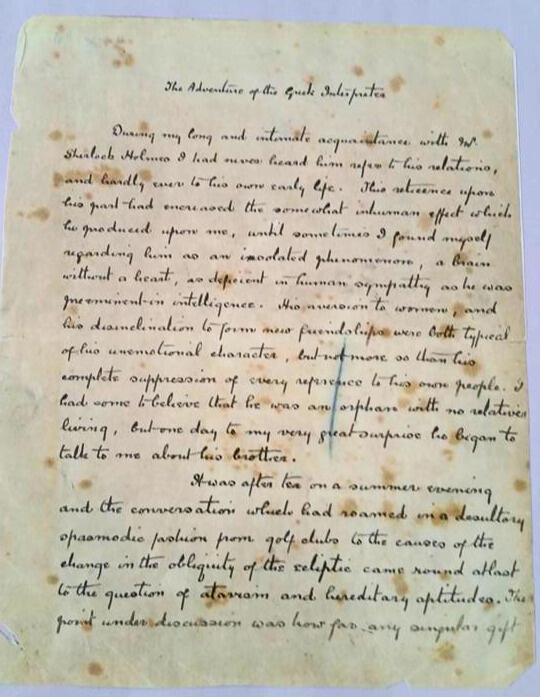
The Karpeles collection itself is one of the largest private collections of historic documents and manuscripts in the world, founded in 1983 by David and Marsha Karpeles. Rather than keeping everything in one place, the collection is distributed across the U.S. in historic buildings and smaller museum spaces, including schools and office buildings, with items regularly rotated between locations. That made each visit feel a little unique depending on what was on display at the time, and it was a fascinating opportunity to see important historical documents up close in a more intimate setting.
Charles Town Landing State Historic Area
Charles Towne Landing ended up being one of those places that completely surprised us, because there was so much more to see and do than we expected. This is the site of the first permanent European settlement in South Carolina, dating back to 1670 when about 120 settlers arrived with the first fleet, and today it blends history and nature across a beautiful park setting. The grounds include around 80 acres of gardens, marshland, and trails, plus a fascinating History Trail that explores the original settlement area from 1670–1680 with reconstructed fortifications and interpretive displays. Inside the visitor center, the exhibit hall dives deeper into the colony’s story, and depending on the season you may even be able to see ongoing archaeological digs that help uncover more about early life here.
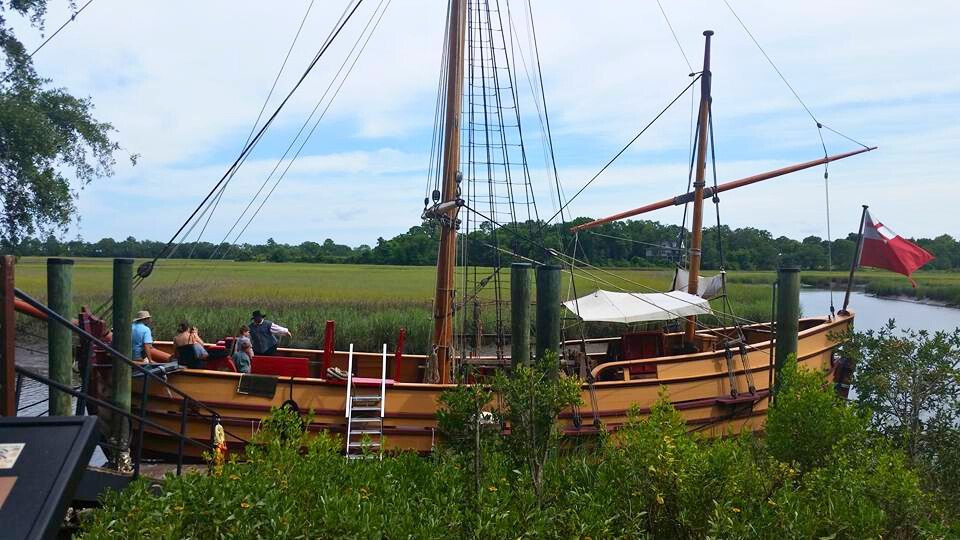
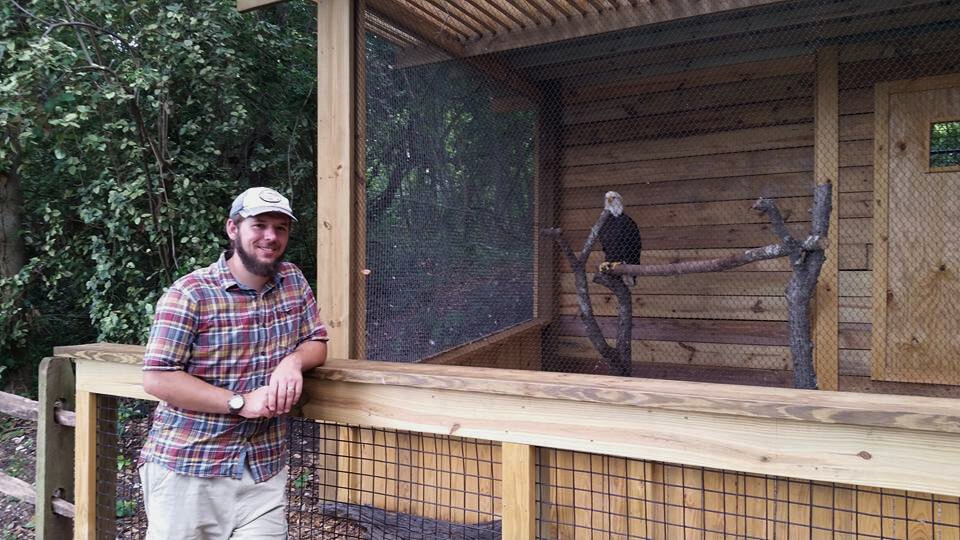
Beyond the historic elements, there’s also an Animal Forest trail that showcases species native to the region at the time of settlement in naturalistic habitats, bike trails with rentals available, and a historic garden planted with crops similar to what early colonists would have grown. We also loved seeing the Adventure ship, a 17th-century replica trading ketch permanently moored at the dock, and learning about the Native American ceremonial center, which adds important context to the broader history of the area. The Legare-Waring House is another highlight, occasionally open for ranger-guided tours during select weekends. With frequent living history programs like black powder demonstrations and costumed interpreters, Charles Towne Landing felt like a place you could easily spend an entire day exploring, learning, and just enjoying being outdoors.
How to Visit Charles Town Landing State Historic Area
Address: 1500 Old Towne Rd, Charleston, SC 29407
Website: https://southcarolinaparks.com/charles-towne-landing
Hours: Visitor Center: 9am-4pm daily, Animal Forest 10am-4pm daily, Adventure 10am-4pm daily (no Tuesday), Park Grounds 9am-5pm daily
Admission: Adults $12, SC Seniors $7.50, Kids 6-15 $7, Kids 5 and under Free
Day 7: South Carolina Aquarium, Downtown Geocaching, and Magnolia Cemetery
South Carolina Aquarium
By the time we visited the South Carolina Aquarium, we were starting to feel a little travel burnout, so we intentionally planned something more low-key, and this ended up being a really nice, relaxed way to spend part of the day. The aquarium is thoughtfully laid out to reflect South Carolina’s diverse environments, with exhibits like Mountain Forest, Piedmont, Coastal Plain, Carolina Seas, The Shallows, Backyard Habitat, and the Saltmarsh Aviary, plus family-friendly areas like Kids Coast and hands-on experiences like the Boneyard Beach touch tank. It’s easy to move through at your own pace, which was exactly what we needed after several busy sightseeing days.
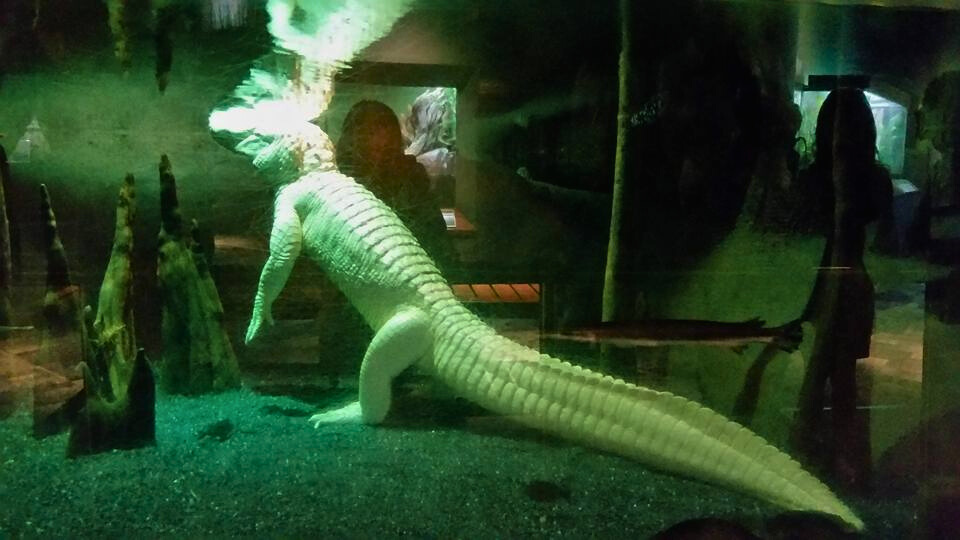
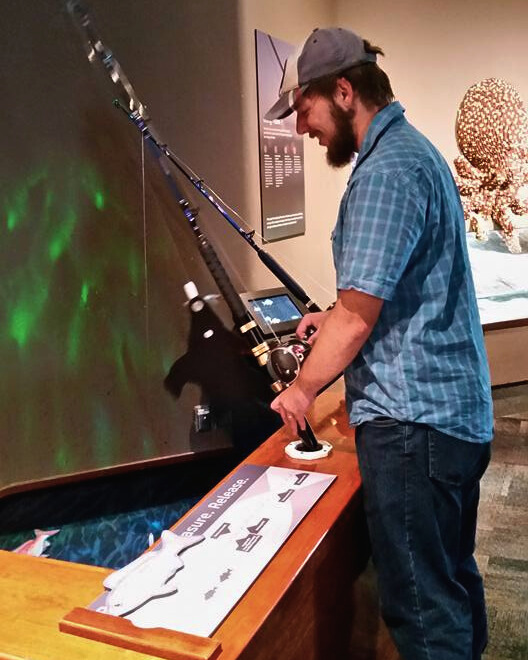
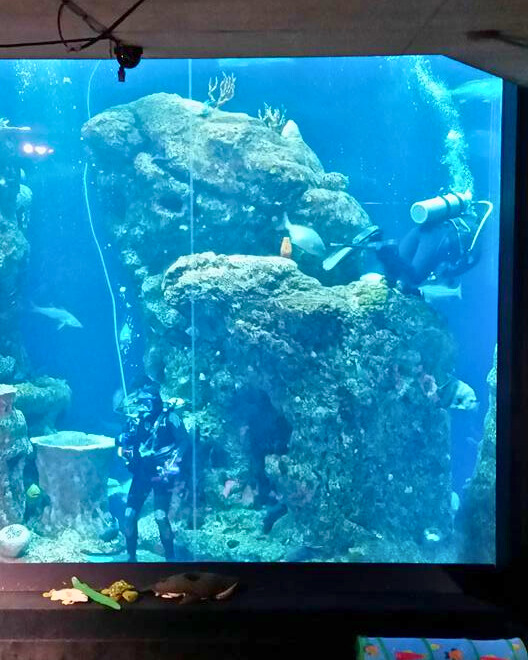
A few highlights really stood out to us, including The Trading Post, where you can bring in nature finds and trade them for points toward cool nature-themed items, and the massive Great Ocean Tank, a 385,000-gallon centerpiece filled with sharks, loggerhead sea turtles, and other marine life. We also found the Zucker Family Sea Turtle Recovery area especially meaningful, since it showcases real conservation work helping injured sea turtles recover and return to the wild. Overall, it was a calm, enjoyable stop that gave us a chance to slow down while still learning something new.
How to Visit the South Carolina Aquarium
Address: 100 Aquarium Wharf, Charleston, SC 29401
Website: https://scaquarium.org/
Hours: 9am-5pm daily, Last entry at 3:30pm
Admission: Dynamic ticket pricing, typically around $30-35 for adults
Geocaching Downtown Charleston
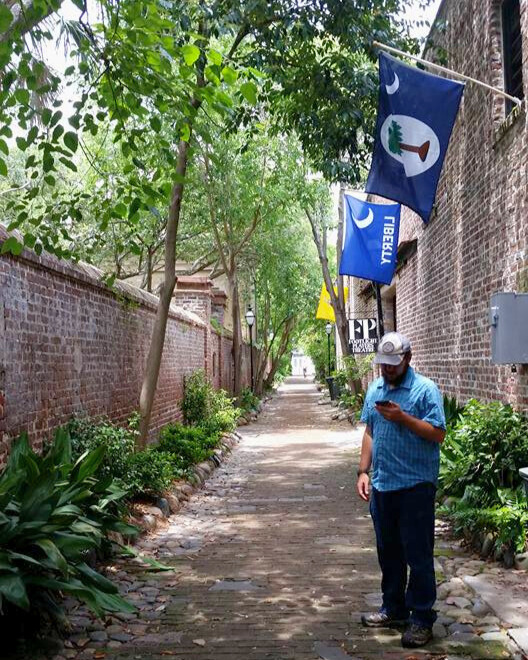
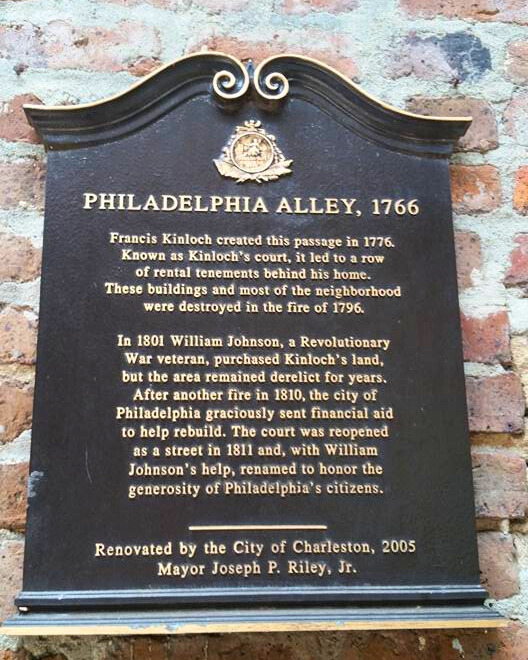
We also spent a little time geocaching around downtown Charleston, which added a fun, interactive twist to exploring the city’s historic streets. One of our favorite finds was hidden in Philadelphia Alley, a narrow passageway created in 1776 that later got its name after the city of Philadelphia sent funds to help rebuild Charleston following an 1810 fire. It was one of those small, quirky moments that made us slow down and notice details we might have otherwise walked right past, and it reminded us how geocaching can turn even a casual stroll through a historic area into a mini adventure.
Magnolia Cemetery
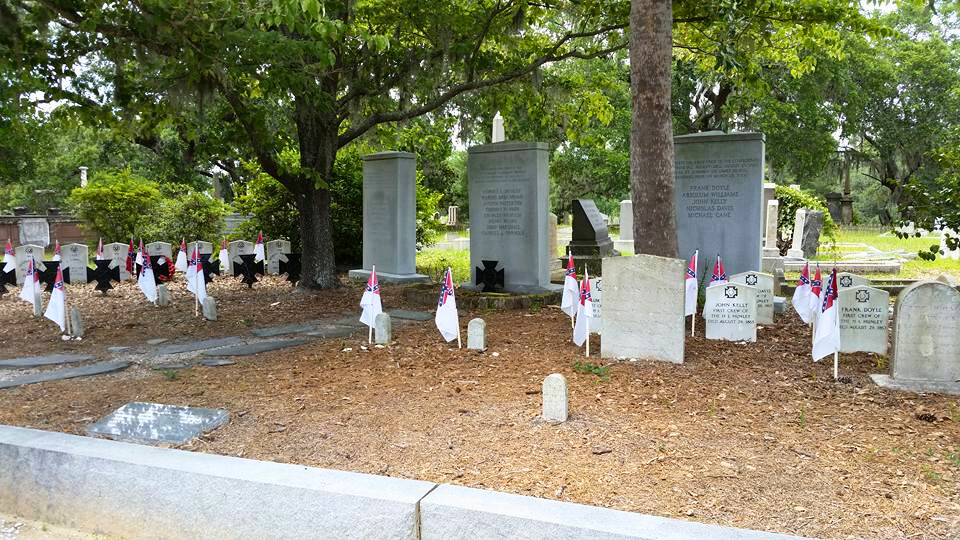
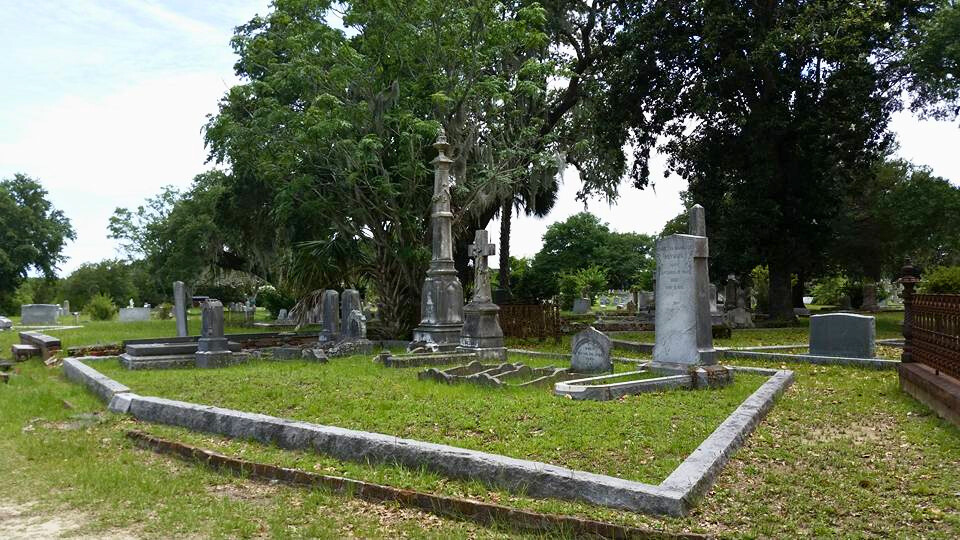
We wrapped up our Charleston honeymoon with a visit to Magnolia Cemetery, and honestly, I wish we had planned more time here because I could have easily spent an entire day exploring. The cemetery is huge, peaceful, and filled with fascinating history around every corner, from ornate monuments to quiet natural areas that make it feel both reflective and beautiful. One of the main reasons we made the trip out was to see the graves of the H.L. Hunley submarine crew, who were reinterred here after the vessel was recovered in the 1990s, which we had visited earlier in the trip. Even though our time was short, it felt like a meaningful and fitting way to close out our Charleston adventures.
How to Visit Magnolia Cemetery
Address: 70 Cunnington Ave, Charleston, SC 29405
Website: http://www.magnoliacemetery.net/
Hours: Gates open daily 8am-5pm
What We Missed in Charleston
By the end of the trip we were getting tired of guided tours and listening to tour guides, so we skipped some stuff that we wanted to visit. If we make it back to Charleston someday, though, these are on the top of our list for next time: