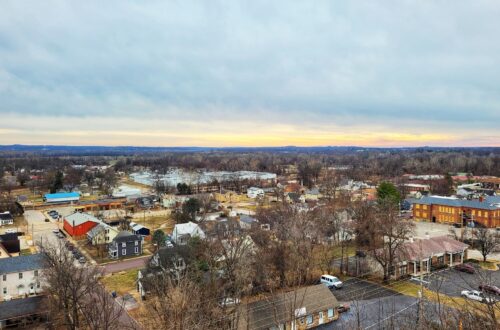
Spending time along U.S. Route 66 always feels a little like stepping into a living museum. Every small town has its own stories- neon signs that have been glowing for decades, roadside diners with generations of history, and museums packed with pieces of the past. During this stretch of our Route 66 trip, we based ourselves in Baxter Springs and spent a week exploring the far corner where Kansas, Missouri, and Oklahoma all meet.
From there we “spoke and wheeled” out each day to explore nearby towns along the route. That included mining history museums in Galena and Joplin, the murals and historic theater in Miami, a milkshake stop in Commerce (home of baseball legend Mickey Mantle), and some truly unique roadside attractions like Cars on the Route and Nelson’s Old Riverton Store. Along the way we also learned about the region’s massive lead and zinc mining industry that once dominated this tri-state area, and the environmental legacy it left behind.
In this post I’ll share everything we did during our week based in Baxter Springs, including museums, Route 66 landmarks, quirky roadside stops, and a few unexpected moments, including the night severe storms forced us to pack up the RV and relocate in the middle of a downpour. If you’re planning a Route 66 trip through this corner of the Midwest, this guide will give you plenty of ideas for what to see (and a few things to be prepared for) along the way.
Where We Stayed in Kansas
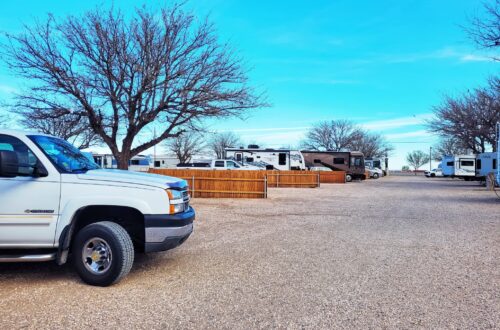
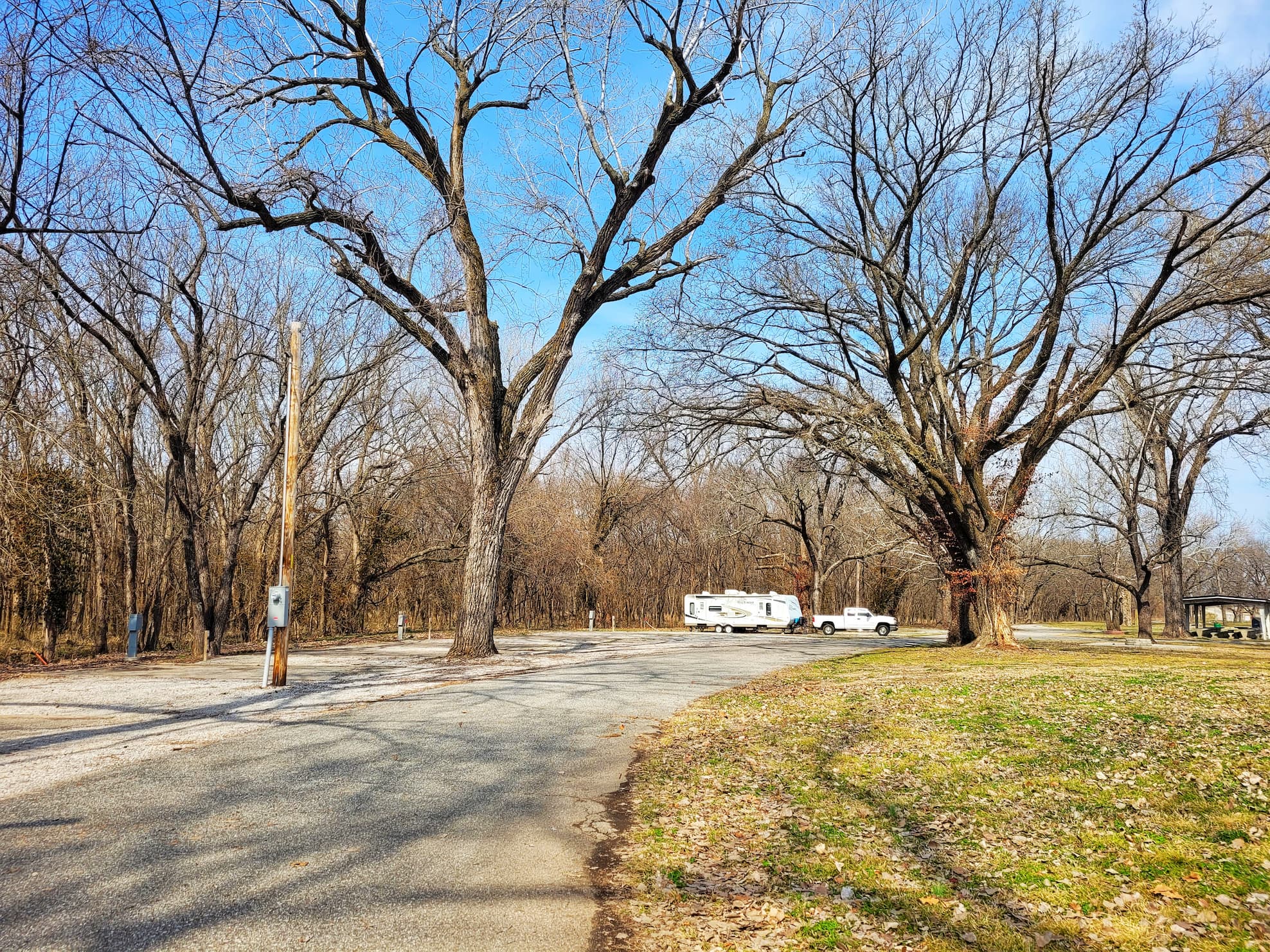
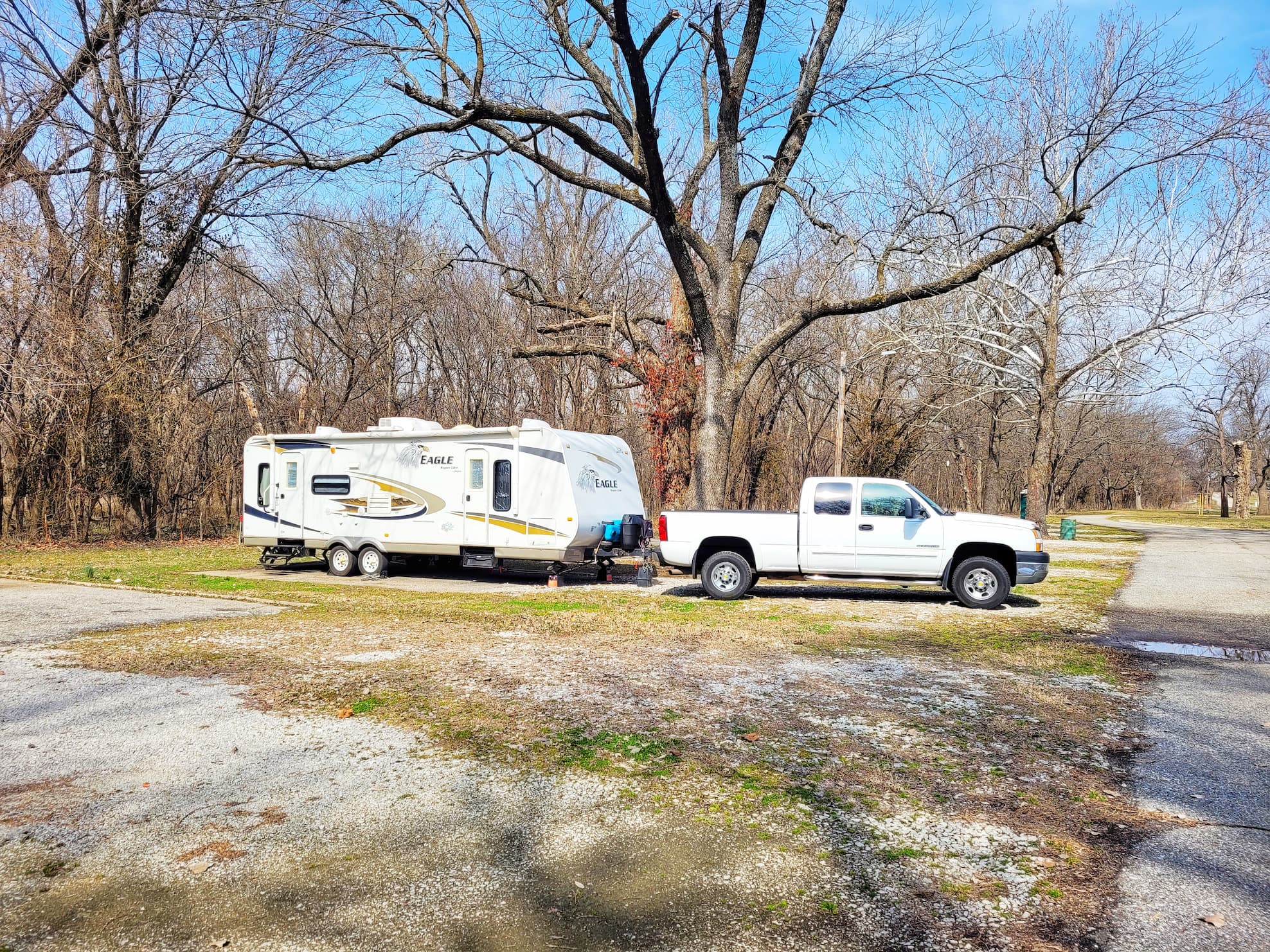
During our week in the area we stayed at the city-run Baxter Springs Campground in Baxter Springs. It’s a walk-in campground inside a city park, and while there’s normally a 72-hour stay limit, longer visits are possible with approval from the park ranger, who also happens to be a local police officer. He hesitated a little at first, but ultimately gave us the go-ahead to stay for a full week and even stopped by occasionally to check in during our stay.
We snagged one of the full hook-up sites for $20 per night, which felt like a great deal. Water and electric–only sites are also available for $15 per night. Amenities are pretty minimal- there are no showers and the only restroom is a porta-potty, but for the price and location it worked well for us.
The park itself is a little rough around the edges and could use some maintenance, but it’s also clear the city is slowly making improvements. The disc golf course is brand new and very nice, one of the playgrounds has clearly been recently updated, and the full hook-up RV sites seem relatively new as well. It definitely feels like a park that’s in the process of being improved bit by bit.
You can find our full review and campground guide here: Honest Review of Baxter Springs Campground on Route 66
Sunday: Arriving in Baxter Springs & the History Museum
One of the things we’ve come to love about staying at Harvest Hosts locations is how often you end up meeting other travelers along the way. Before leaving Springfield that morning, we spent some time chatting with a few of the other Harvest Hosts guests who had stayed at the same spot as us the night before. It’s one of those small things that makes the lifestyle fun- swapping travel stories with people who are all heading off in different directions.
From there, we packed up the truck and RV and crossed into Kansas, heading for the small town of Baxter Springs. Even though Kansas only has a tiny slice of Route 66, just 13.2 miles running through the southeast corner of the state, it’s a stretch that packs in a surprising amount of history. We also planned on using this week to spoke and wheel out to other Route 66 towns in the tri-state corner.
Route 66 Kansas Visitor Center
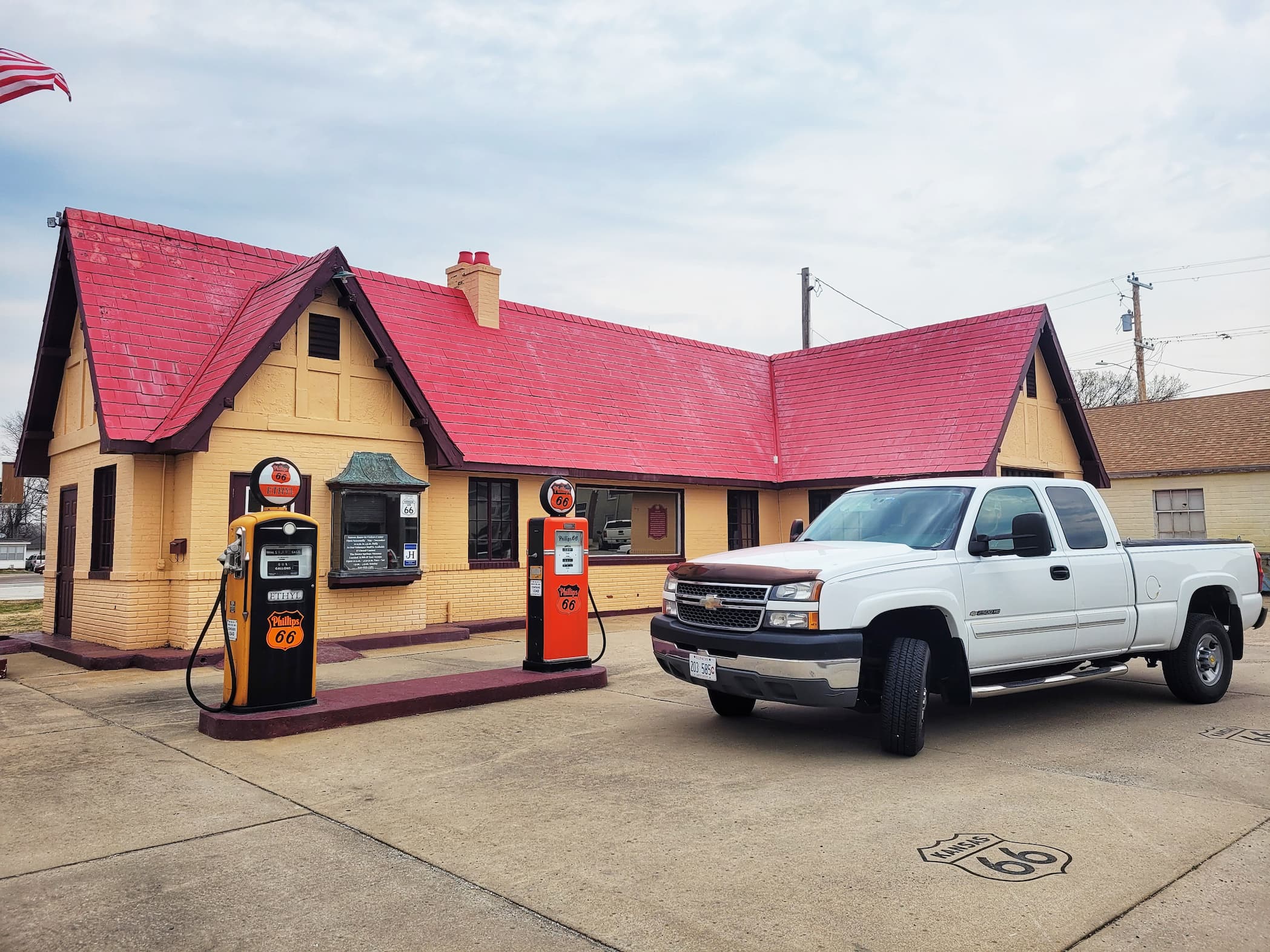
After setting up at camp, our first stop was the Route 66 Kansas Visitor Center, a beautifully restored vintage gas station that now serves as the town’s Route 66 welcome center. It happened to be closed when we arrived, but honestly that didn’t matter much. The building itself is worth seeing, and we stopped long enough to grab a few photos before continuing into town.
How to Visit the Route 66 Kansas Visitor Center
Address: 940 Military Ave, Baxter Springs, KS 66713
Website: https://www.baxterspringsmuseum.org/visitors-center
Hours: Open seasonally March – November
Baxter Springs Heritage Center & Museum
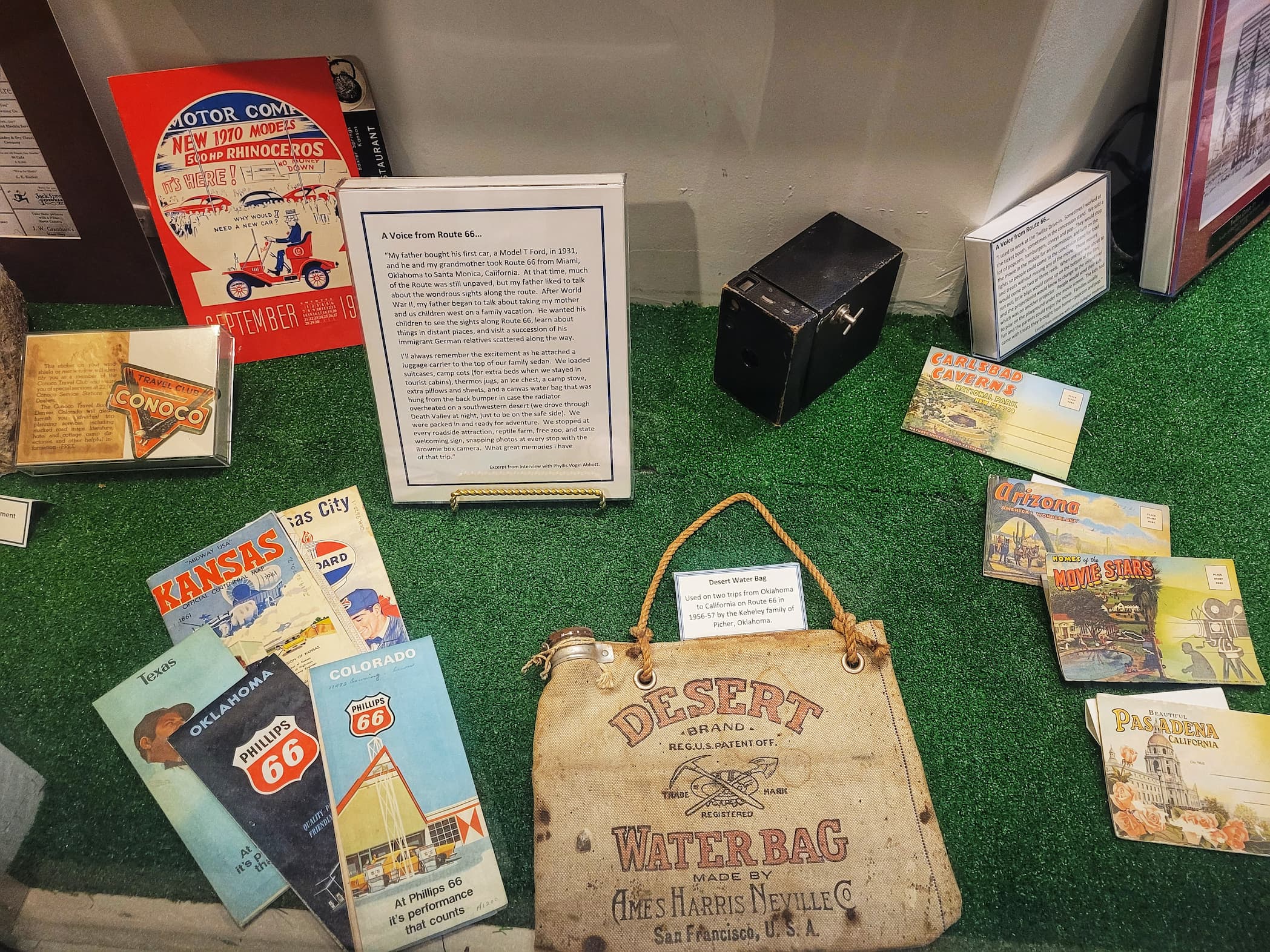
Next we headed to the Baxter Springs Heritage Center & Museum, which turned out to be far bigger than we expected. The museum is free to visit and staffed by incredibly friendly volunteers, and it’s packed with exhibits covering just about every chapter of the town’s history. Of course, we made a beeline for the Route 66 exhibit, those are always high on our list during this trip, but there was much more to explore.
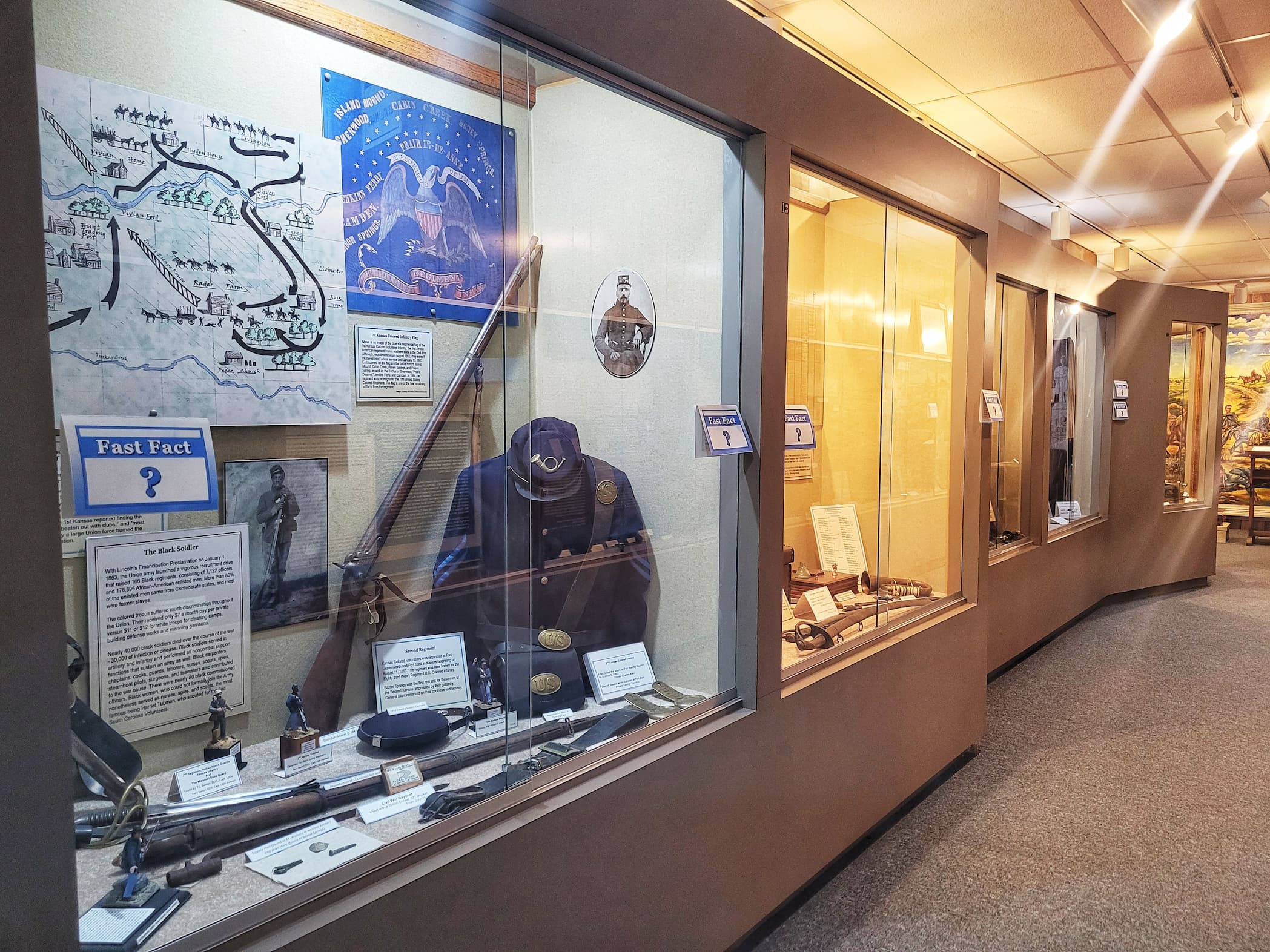
The museum spans two floors and covers everything from early town history to mining, transportation, and community life. Exhibits include Baxter Springs history, Apostolic Faith and World War I, a recreated Lincoln School room, period rooms, music displays, Native American history, African American history, an art gallery, mining exhibits, recreated storefronts, farm equipment, emergency services displays, and even sections dedicated to local connections like Mickey Mantle and Yellow Freight. One small detail I really appreciated was the “fast fact” cards placed throughout the museum. With so much information on display, the quick summaries made it easy to absorb the highlights without feeling overwhelmed by text.
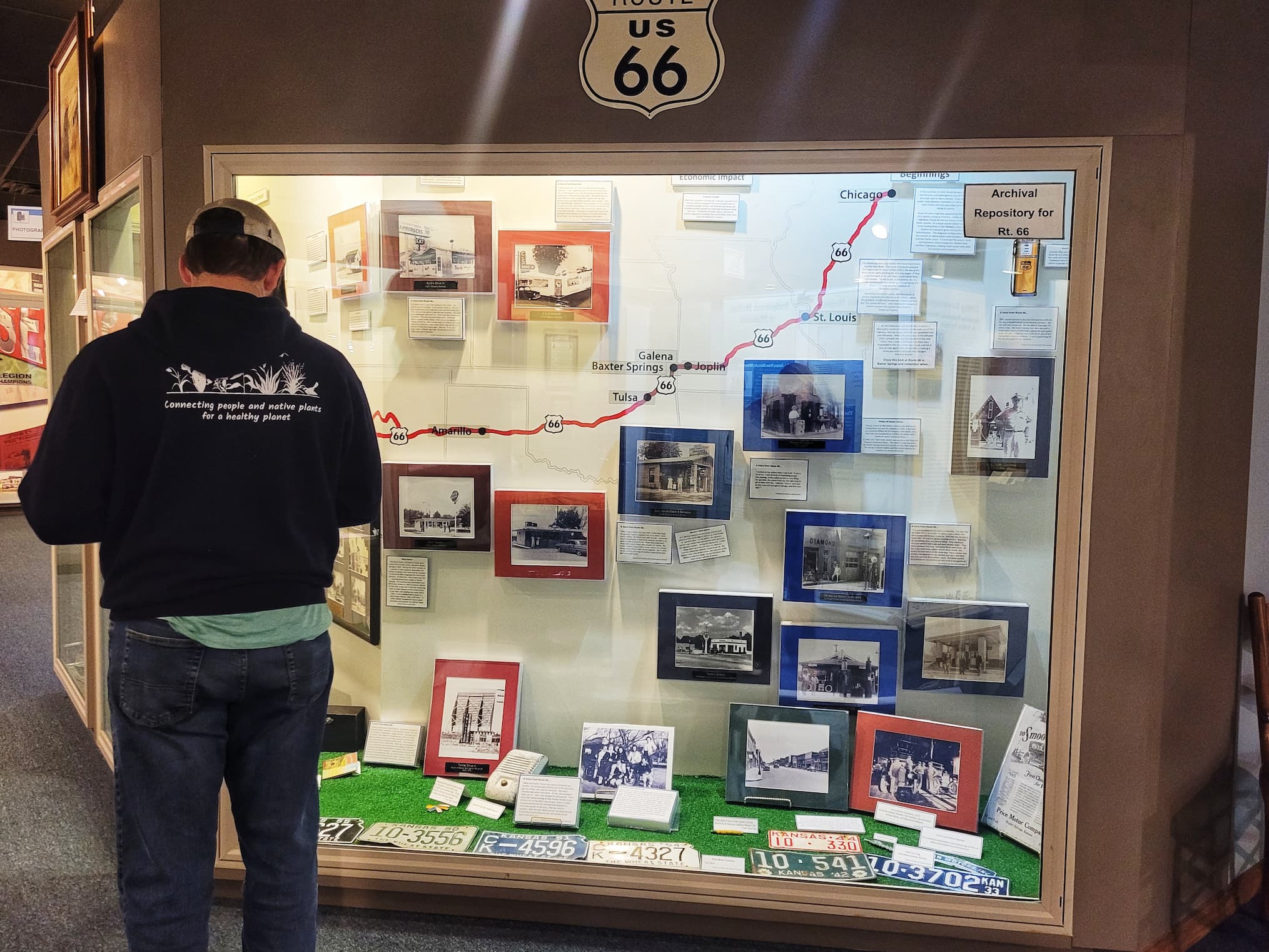
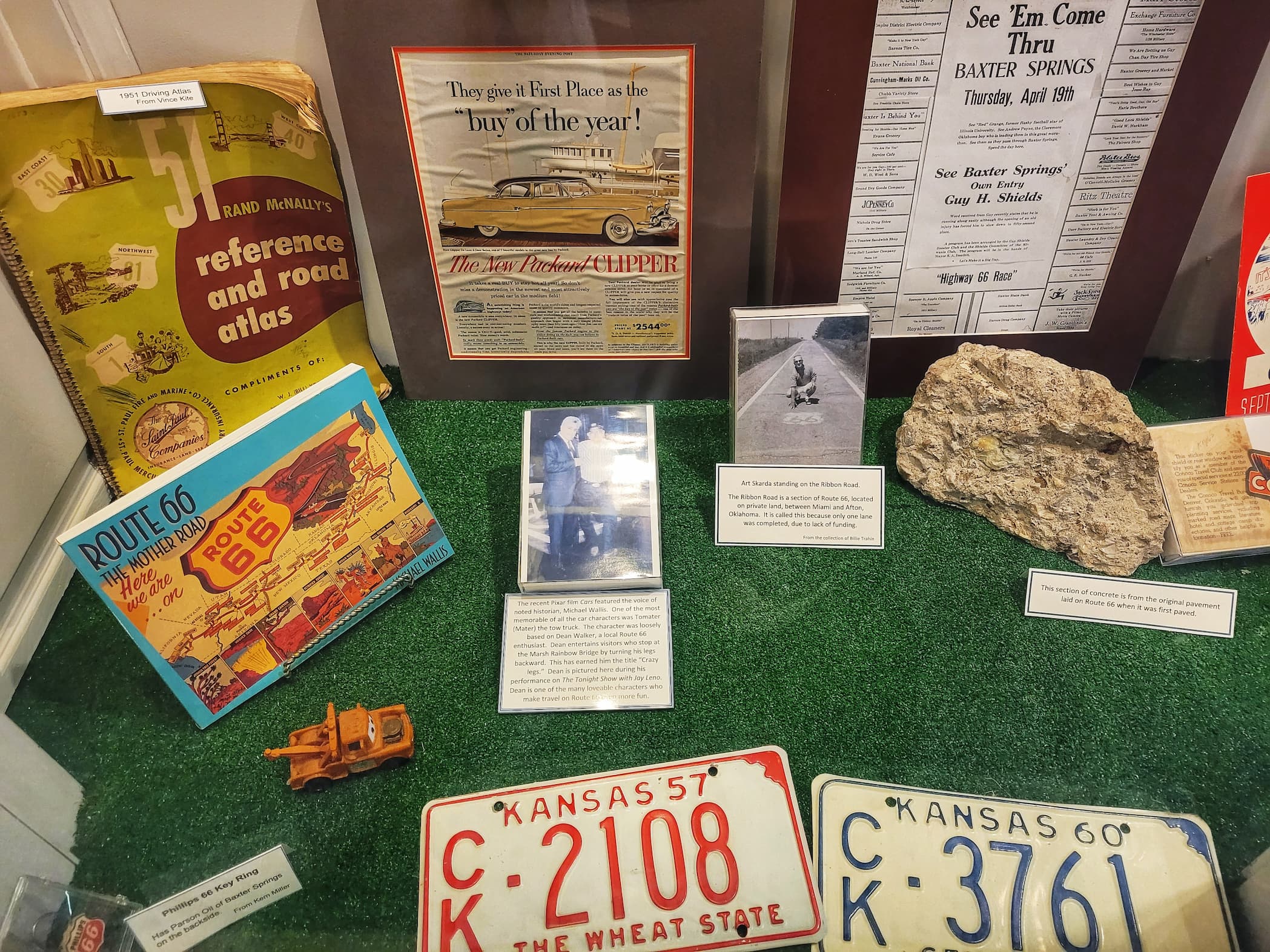
Walking through the exhibits also helped piece together the broader story of Baxter Springs. After the Civil War, the town became known as the first “Cowtown” in Kansas, when herds of Texas longhorn cattle began arriving in the area. The name itself comes from John Baxter, the town’s first white resident, combined with the natural springs that once flowed through the area. Those springs were believed to have healing mineral properties and had long been used by the Osage Nation and other visitors before the town was formally settled. By 1868, Baxter Springs had grown into a well-established community.
The area also has a darker chapter of Civil War history. In 1863, Confederate forces attacked nearby Fort Blair during what became known as the Baxter Springs Massacre, killing roughly 100 Union soldiers.
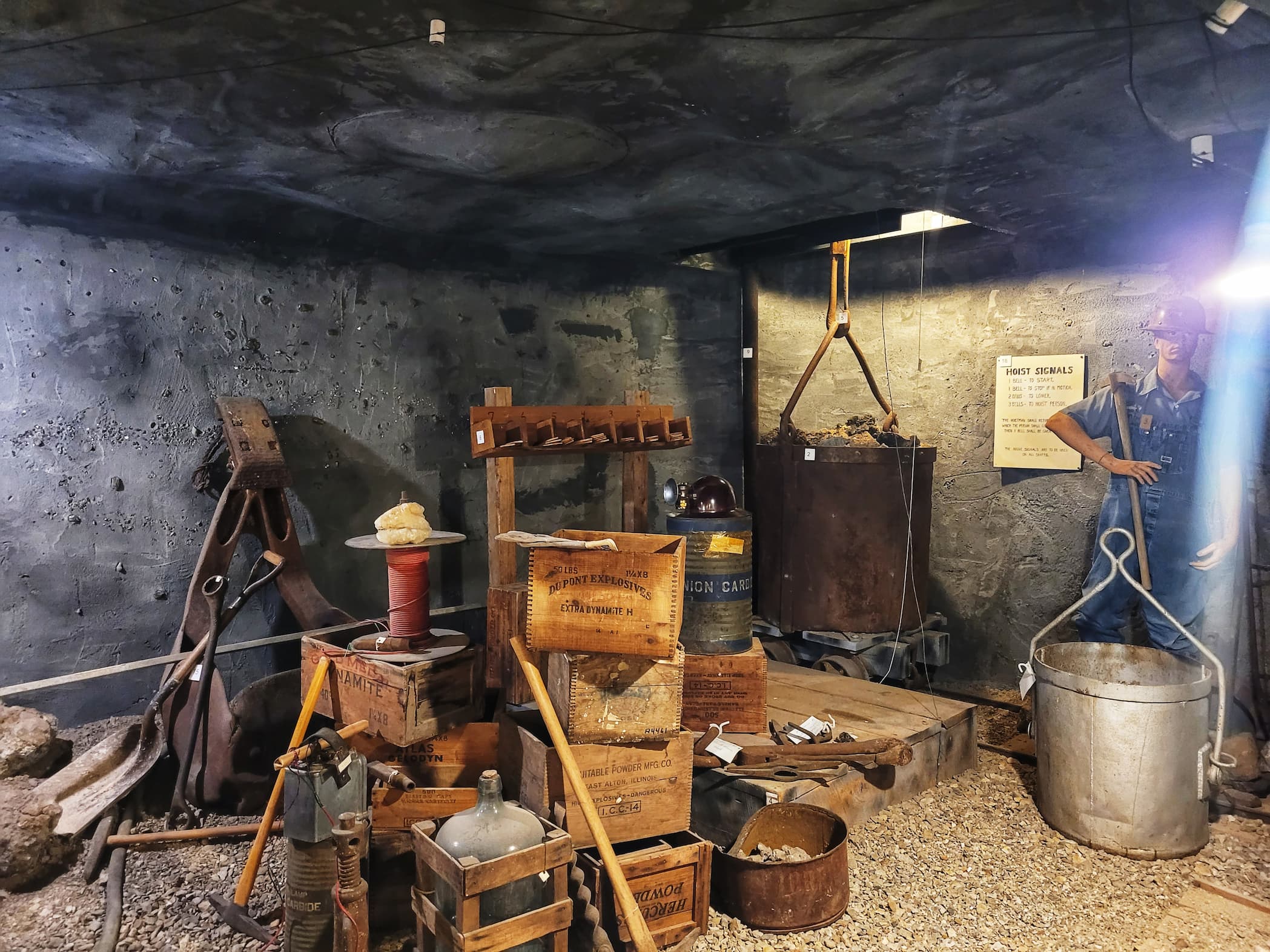
Later, after the cattle industry faded, mining became the region’s next major economic driver. Lead and zinc mining spread across the surrounding tri-state area of northeast Oklahoma, southeast Kansas, and southwest Missouri. Baxter Springs itself limited mining within city limits, but the broader region became heavily mined, leaving behind a legacy that is still being addressed today. Much of the area is now part of the Tri-State Mining District Superfund Site, where cleanup efforts focus on contaminated chat piles and residential soil.
We easily spent longer in the museum than we expected, and it ended up being a great introduction to both Baxter Springs and the short but historic stretch of Route 66 that runs through Kansas.
How to Visit the Baxter Springs History Center & Museum
Address: 740 East Ave, Baxter Springs, KS 66713
Website: https://www.baxterspringsmuseum.org/
Hours: Tues-Sat 10am-4:30pm, Sun 1-4pm
Admission: Free!
Monday: Mining History & Route 66 Icons in Galena
Galena Mining and Historical Museum
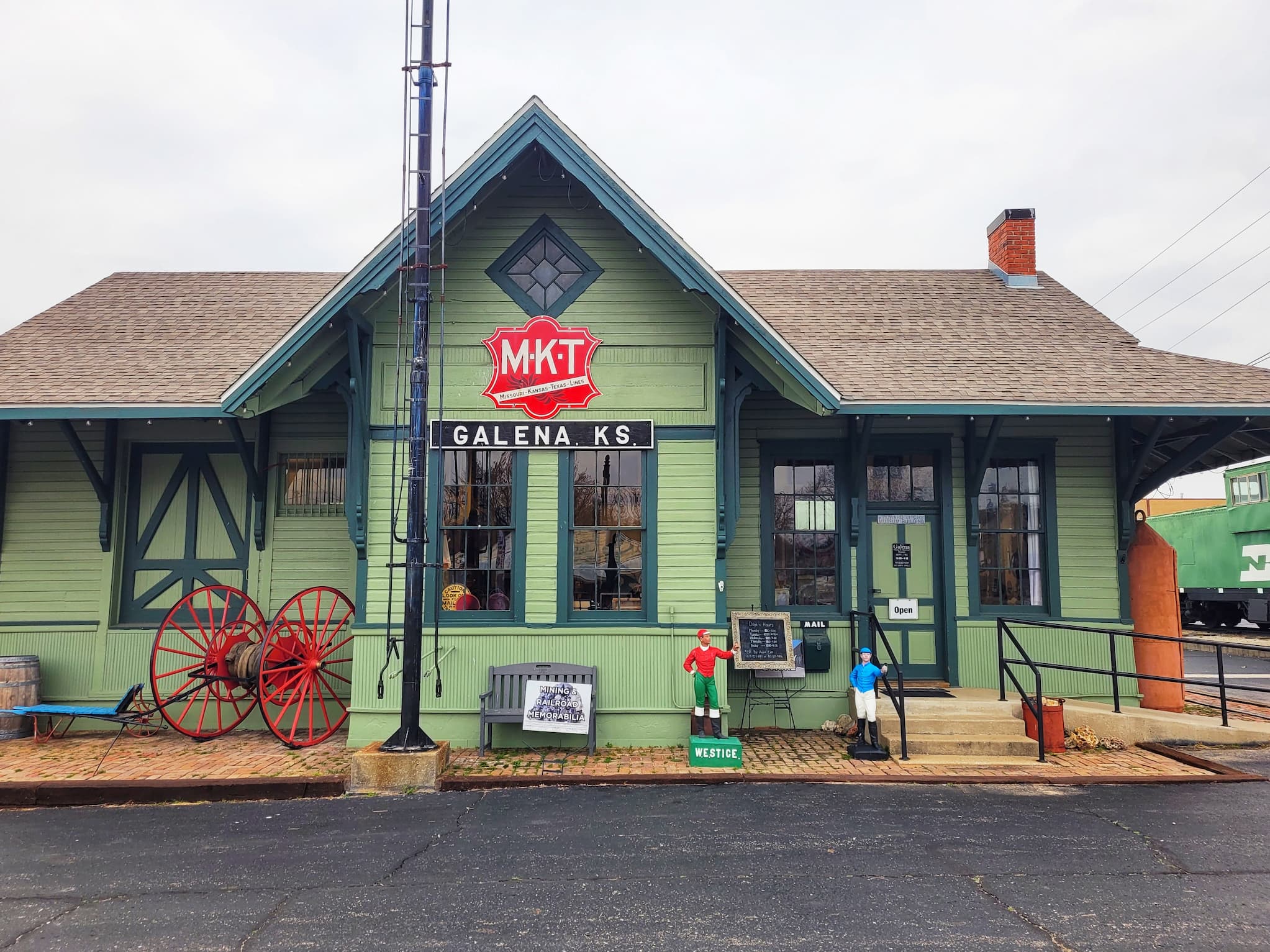
Our second day exploring the Kansas stretch of Route 66 took us just a few miles down the road to Galena, another small town with an outsized place in the region’s history. Our first stop was the Galena Mining and Historical Museum, which is housed inside a beautifully preserved historic train depot. The building itself is worth the visit, it was constructed in 1904 by the Missouri-Kansas-Texas Railroad (often called the KATY Railroad), and much of the structure remains original.
We arrived just as a docent was giving another couple an overview tour of the museum, so we joined in before circling back to explore the exhibits more closely on our own. The museum does a great job explaining how Galena became the starting point of the massive mining boom that eventually defined this entire corner of Kansas, Missouri, and Oklahoma. In 1876, rich deposits of lead ore were discovered in the area, and miners rushed in almost immediately hoping to capitalize on the find.
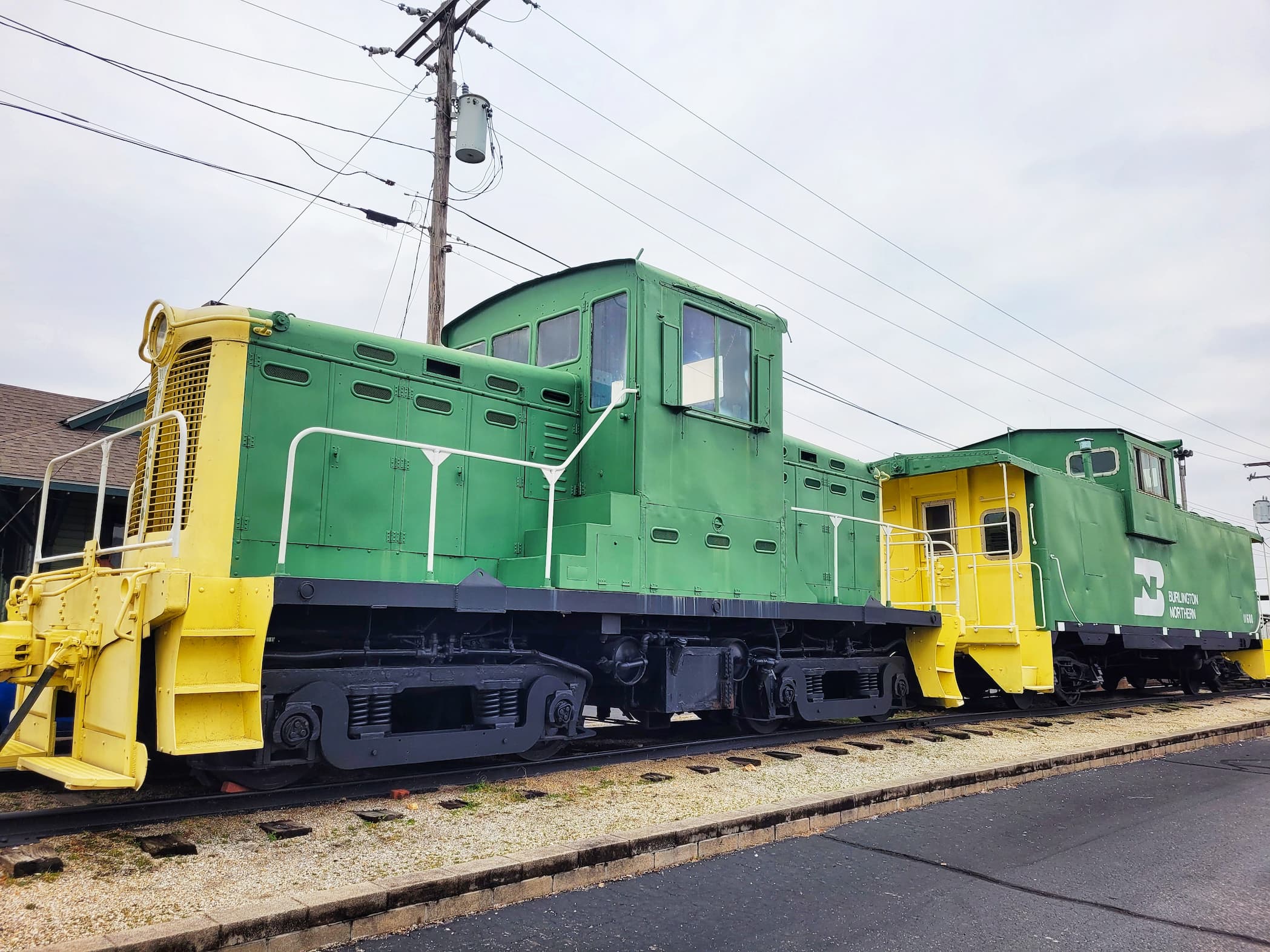
The wealth generated from those mines had ripple effects beyond the mining industry itself. The money flowing into the region helped fund infrastructure improvements, including better roads. That investment eventually played a role in the development of Route 66 through the area, and today part of the road through Galena is listed on the National Register of Historic Places as the Kansas Route 66 Historic District.
Mining also left a lasting mark on the landscape. The tri-state mining region is still dotted with large piles of chat, gravel-like waste left over after valuable minerals were extracted from ore. There used to be even more of them. Route 66 guidebooks from the 1930s and 1940s often described travelers passing through this area and seeing literal “mountains of chat” rising alongside the highway. Today many of those piles have been reduced or removed as part of ongoing environmental cleanup efforts, but the legacy of the industry is still visible if you know what you’re looking for.
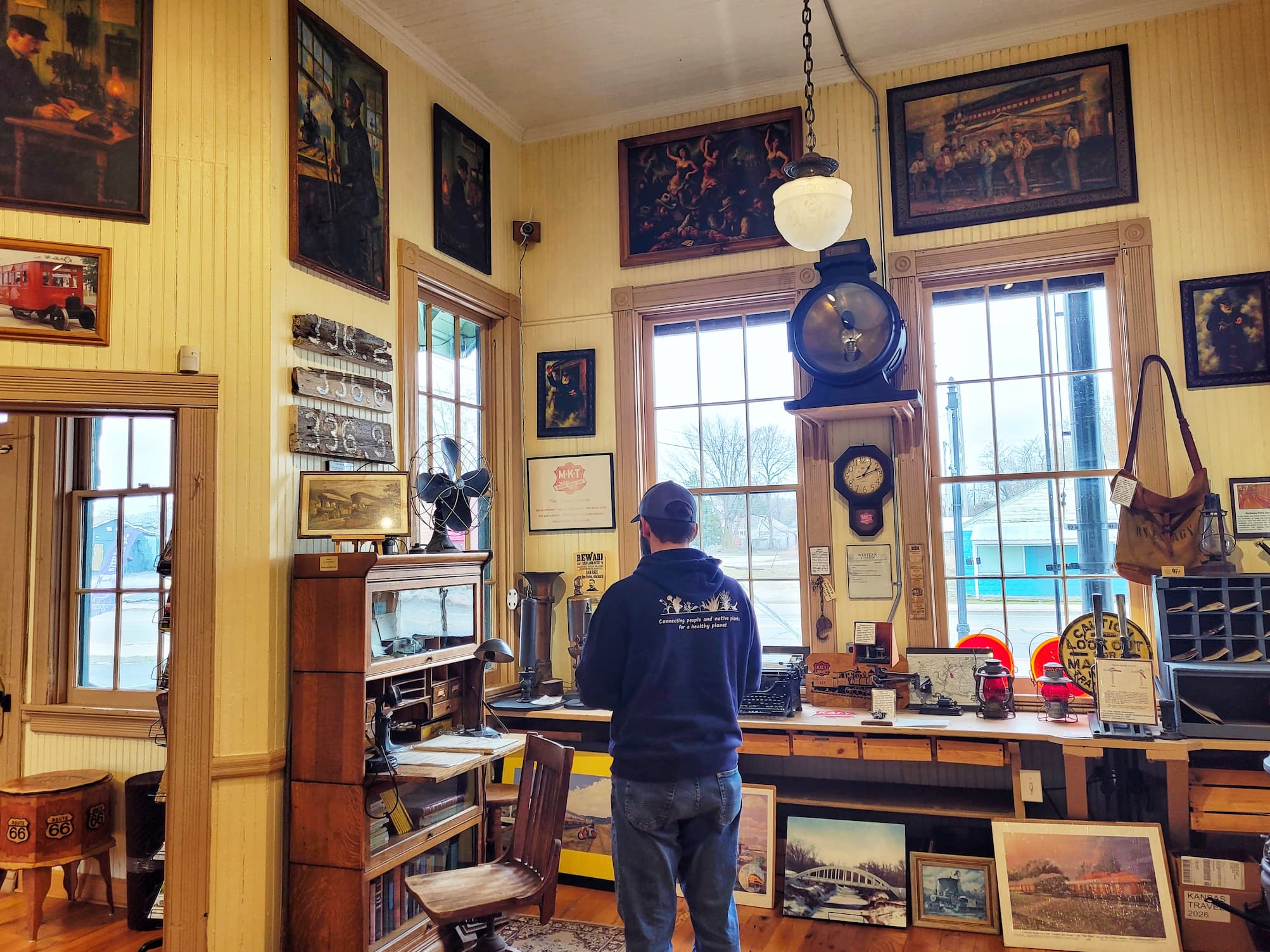
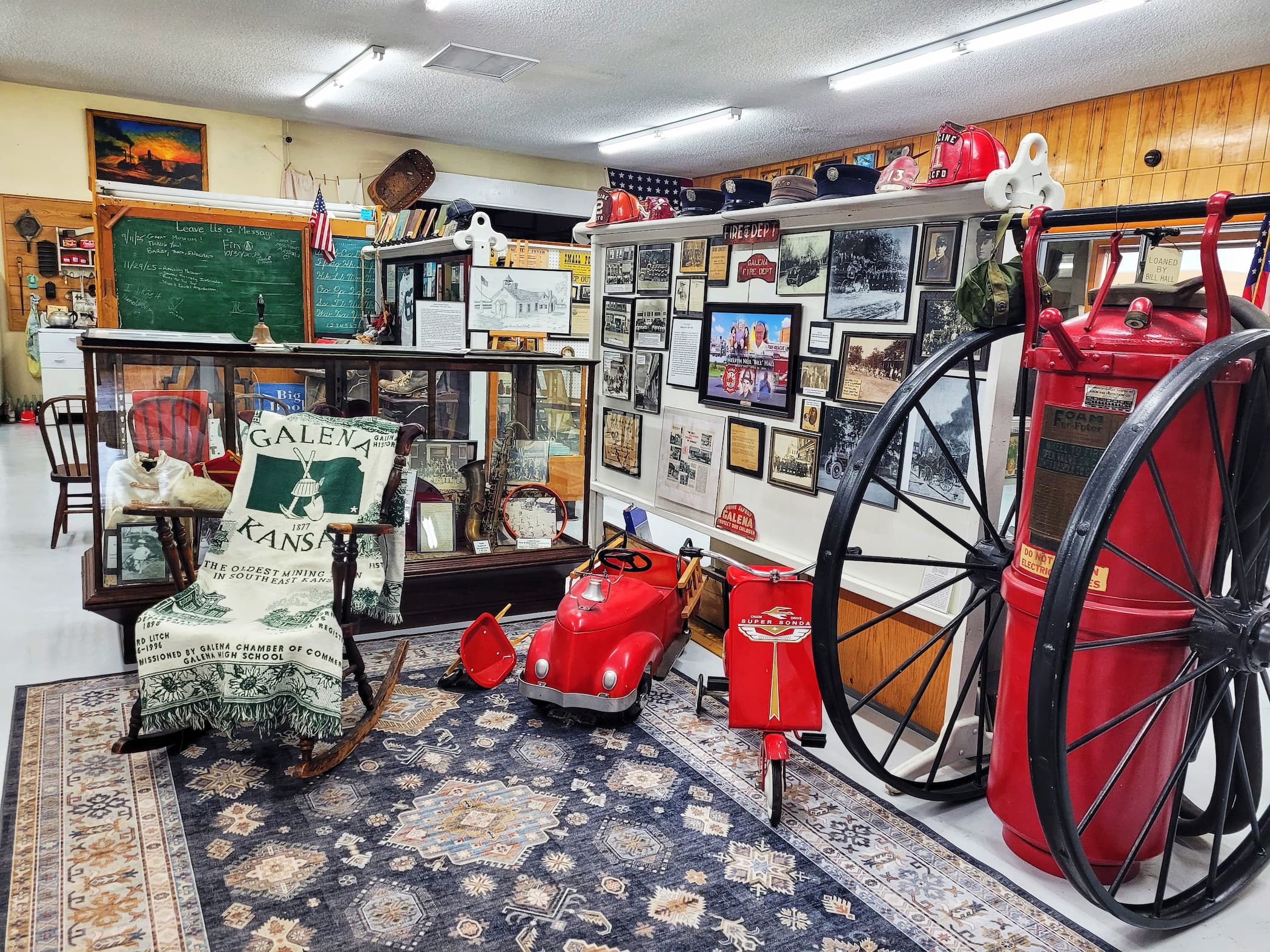
How to Visit the Galena Mining & Historical Museum
Address: 319 W 7th St, Galena, KS 66739
Website: https://galenamuseum.com/
Hours: Mon-Fri 10am-4pm
Admission: Free!
Galena, KS Photo Ops
After the museum, we continued exploring Galena’s Route 66 landmarks, starting with the Galena drive-through Route 66 Shield, and then heading across the street to Luigi’s Pit Stop from the Cars on the Route attraction. The shop and café were closed when we stopped by, but we knew we’d be back later in the week and still wanted to grab some photos while we were there.
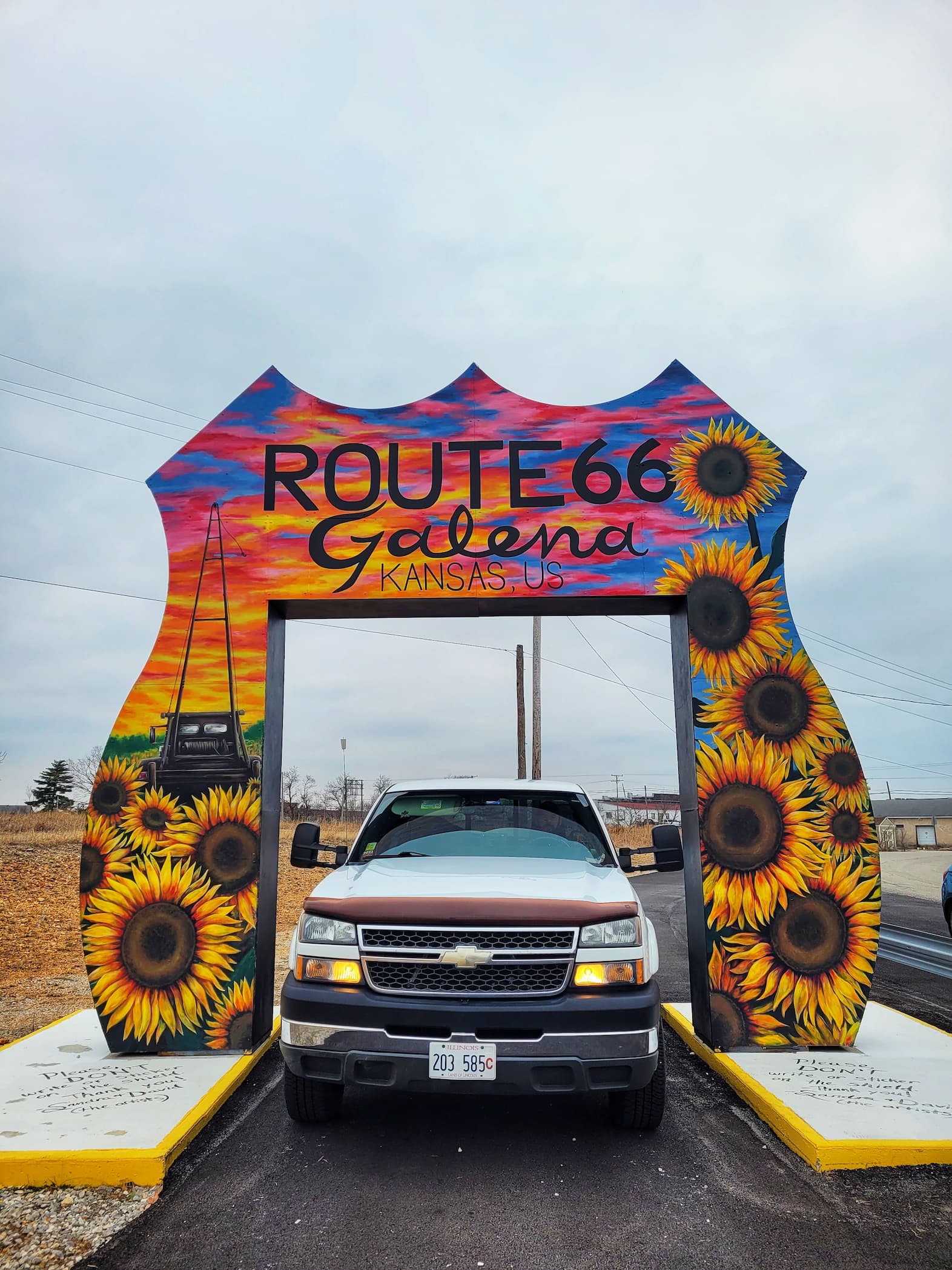
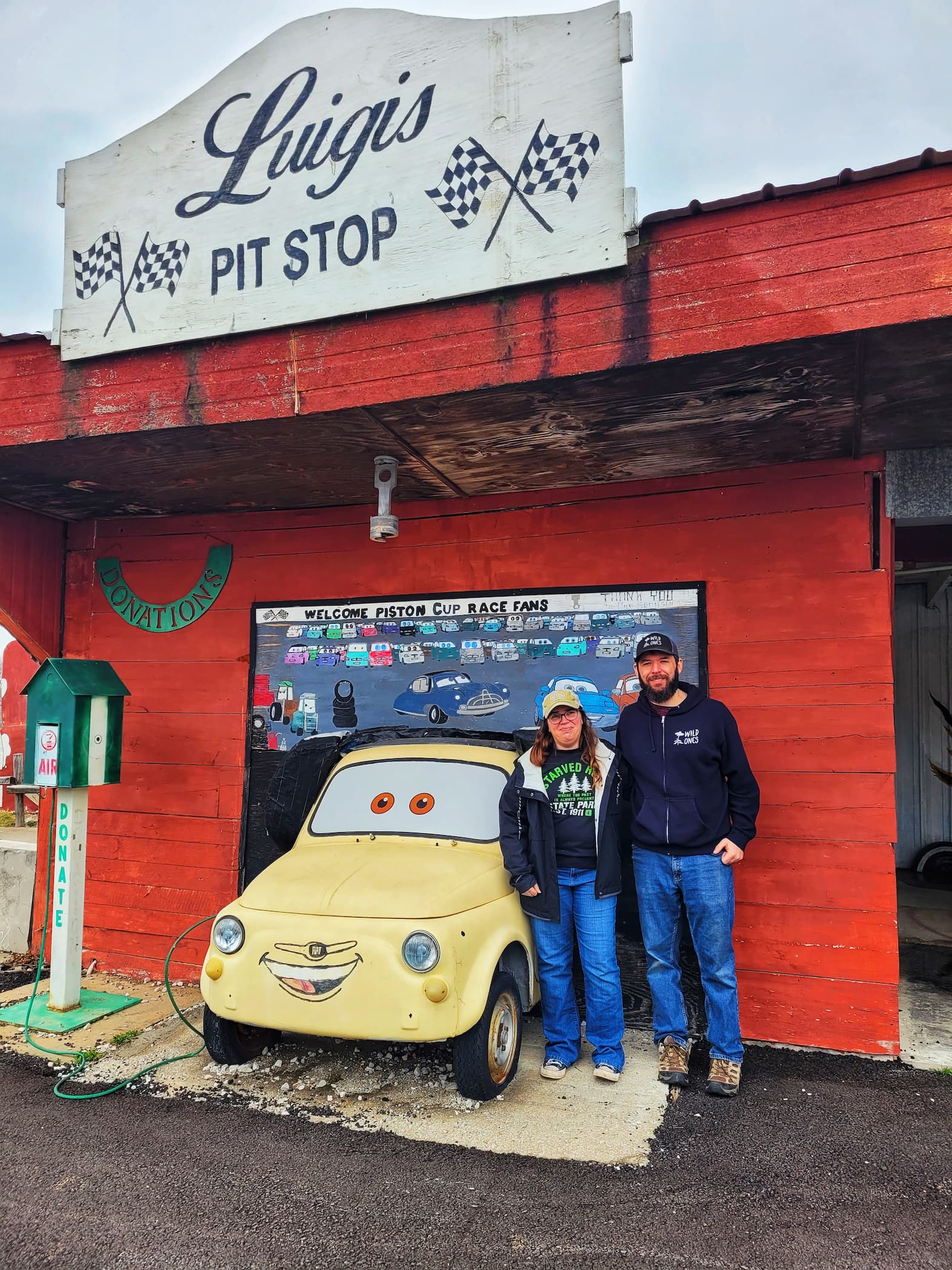
How to Visit Galena, KS Route 66 Photo Ops
Drive-Through Shield: 203 E Front St, Galena, KS 66739
Route 66 Rainbow Arch Bridge
From Galena we drove to one of the most famous landmarks on the Kansas section of Route 66: the Rainbow Bridge. This single-span concrete Marsh arch bridge was built in the early 1920s to connect Galena, Riverton, and Baxter Springs with a concrete roadway. Today it’s the only bridge of its kind remaining on Route 66 and is listed on the National Register of Historic Places. Even though it’s relatively small, standing on it feels like stepping directly into the early years of the Mother Road.
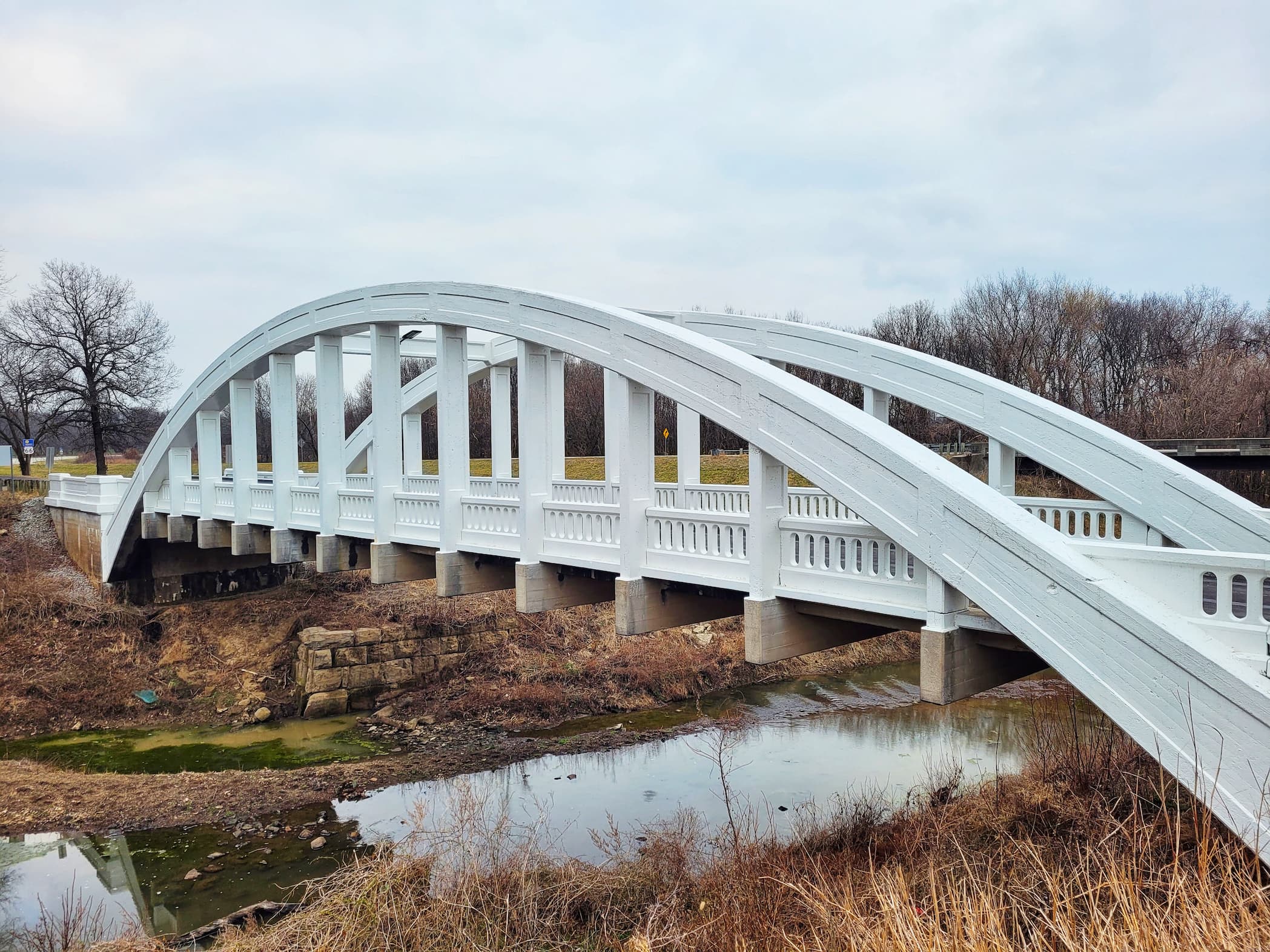
How to Visit the Route 66 Rainbow Bridge
Address: Rainbow Bridge, SE Beasley Rd, Baxter Springs, KS 66713
Sunflower Park
We also made a quick stop at Sunflower Park to check out the interpretive signs and grab a photo before heading back toward Baxter Springs.
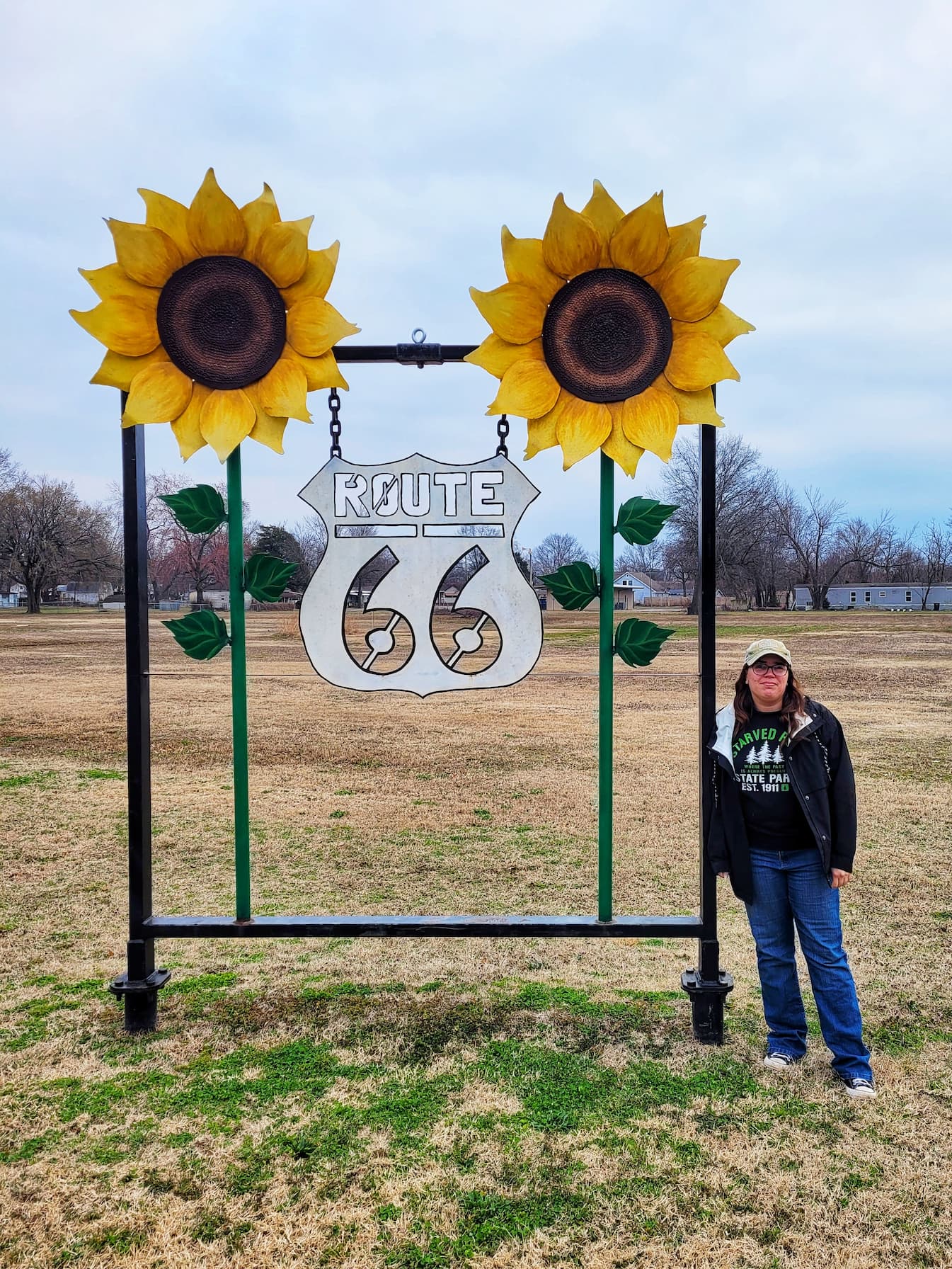
How to Visit Sunflower Park
Address: 519 W 3rd St, Baxter Springs, KS 66713
Dinner from Harps
Dinner that night came from a place you might not expect: the local grocery store. Back home in the Chicagoland area, we love grabbing Jewel-Osco’s famous Cheap Chicken Monday special, which is somehow way better than you’d expect from grocery store fried chicken. When we saw that the regional chain Harps Food Stores also offered a Cheap Chicken Monday deal, we decided we had to try it. It wasn’t quite as good as our beloved Jewel chicken, but it was still really solid- especially if you’re a fan of heavy breading. And I definitely am.
It ended up being the perfect low-key way to wrap up a day that mixed Route 66 history with a deeper look at the mining boom that helped shape this entire region.
Tuesday: A Day Trip to Joplin
Tuesday was our day to explore Joplin. When we planned this stretch of the trip, we chose to base ourselves in Baxter Springs partly because we wanted to check off having stayed in Kansas, but also because it works perfectly as a hub for “spoke and wheel” day trips to nearby Route 66 towns.
Visit Joplin
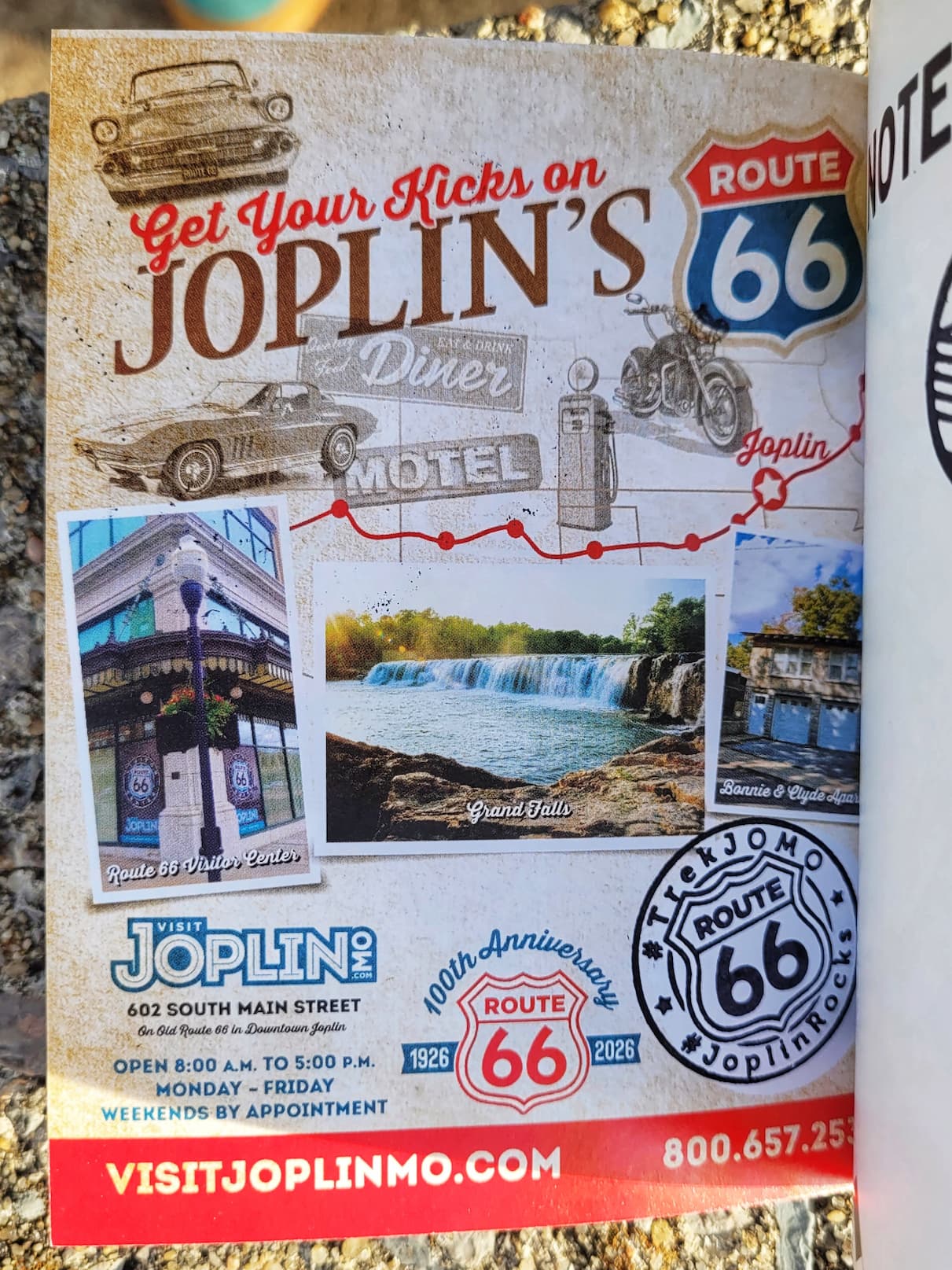
Our first stop in Joplin was the Visit Joplin office so I could collect my Route 66 passport stamp. We ended up lingering there for quite a while chatting with the incredibly friendly staff member working that day. One of the recurring themes of this Route 66 trip has definitely been how welcoming people are along the Mother Road. We left with the passport stamp, a stack of free postcards, a tote bag, stickers, and plenty of brochures for the rest of our exploring.
From there we drove past Route 66 Mural Park. We didn’t have time to stop, but the dash cam managed to grab a decent shot as we passed. “Park” might be a generous term, it’s really more of a decorated parking lot, but the murals celebrating Joplin’s Route 66 history still looked worth a closer look on a future visit.
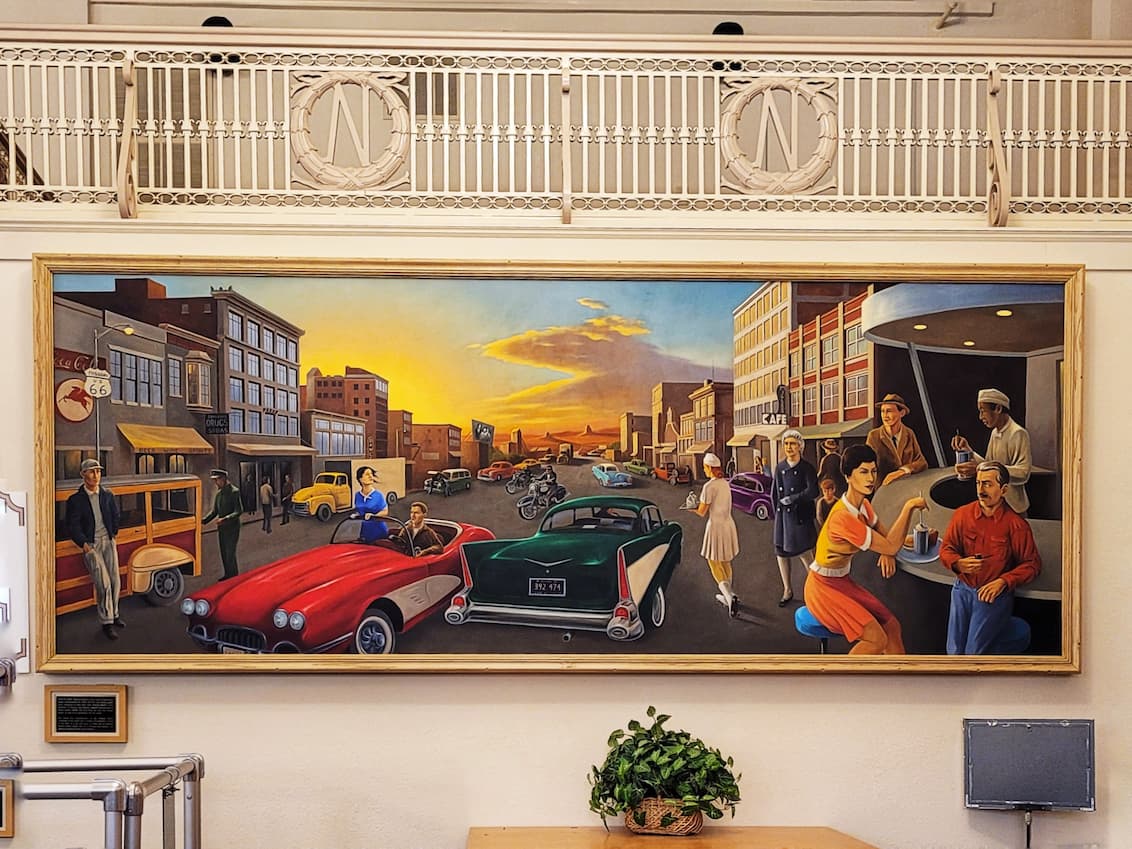
How to Visit Visit Joplin
Address: 602 S Main St, Joplin, MO 64801
Website: https://www.visitjoplinmo.com/
Hours: Mon-Fri 8am-5pm
Joplin History and Mineral Museum
Next we headed to the Joplin History and Mineral Museum. We happened to arrive about 45 minutes before closing, and the staff kindly waved the admission fee since we wouldn’t have time to see everything. The museum covers a lot of ground, but the highlight for me was the mining exhibit. Since Joplin, Baxter Springs, and Galena are all part of the historic tri-state mining district, it was interesting seeing how each town’s museum tells that story a little differently. Of the three we visited, Joplin’s mining exhibit was probably the most engaging.
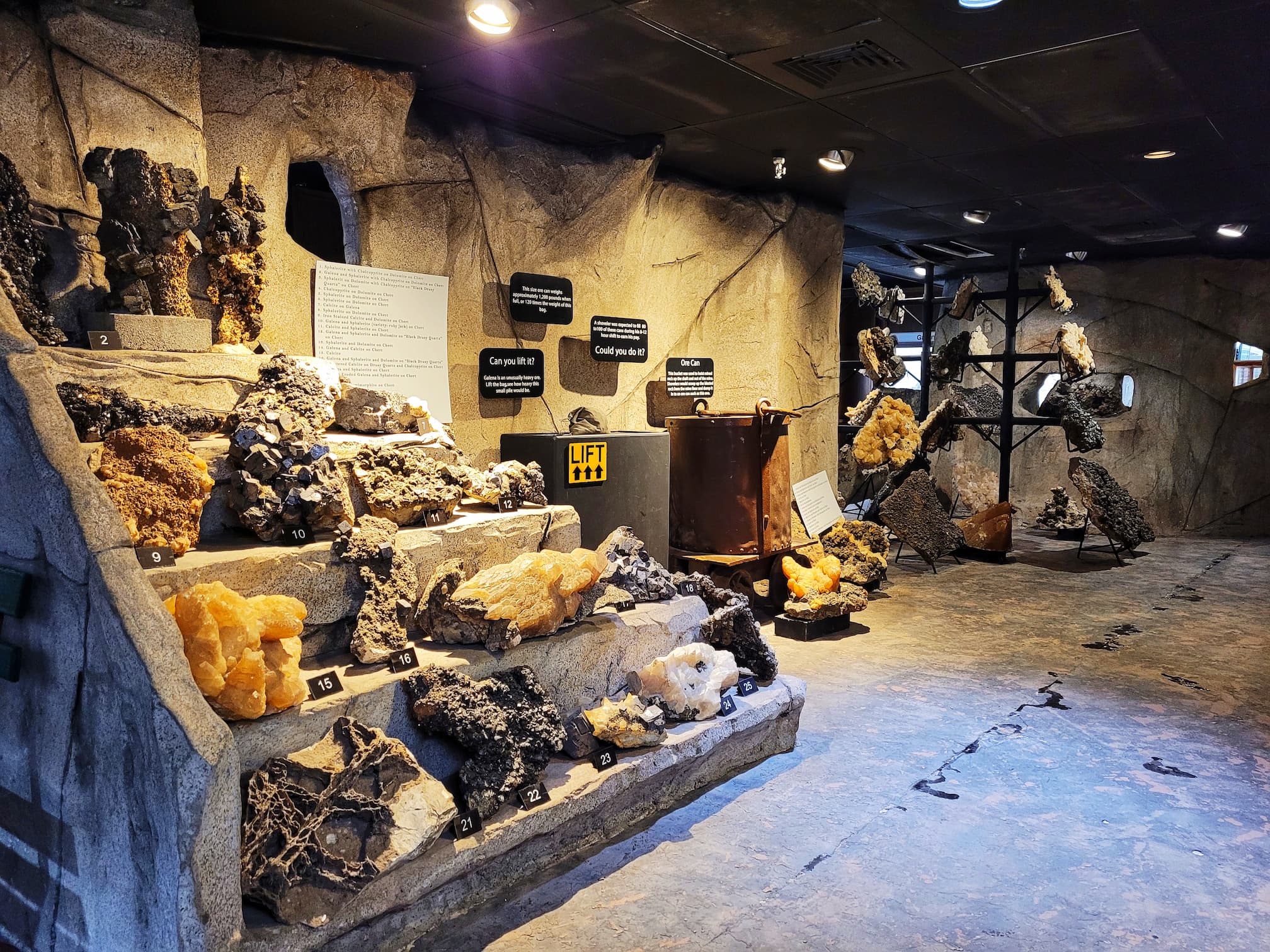
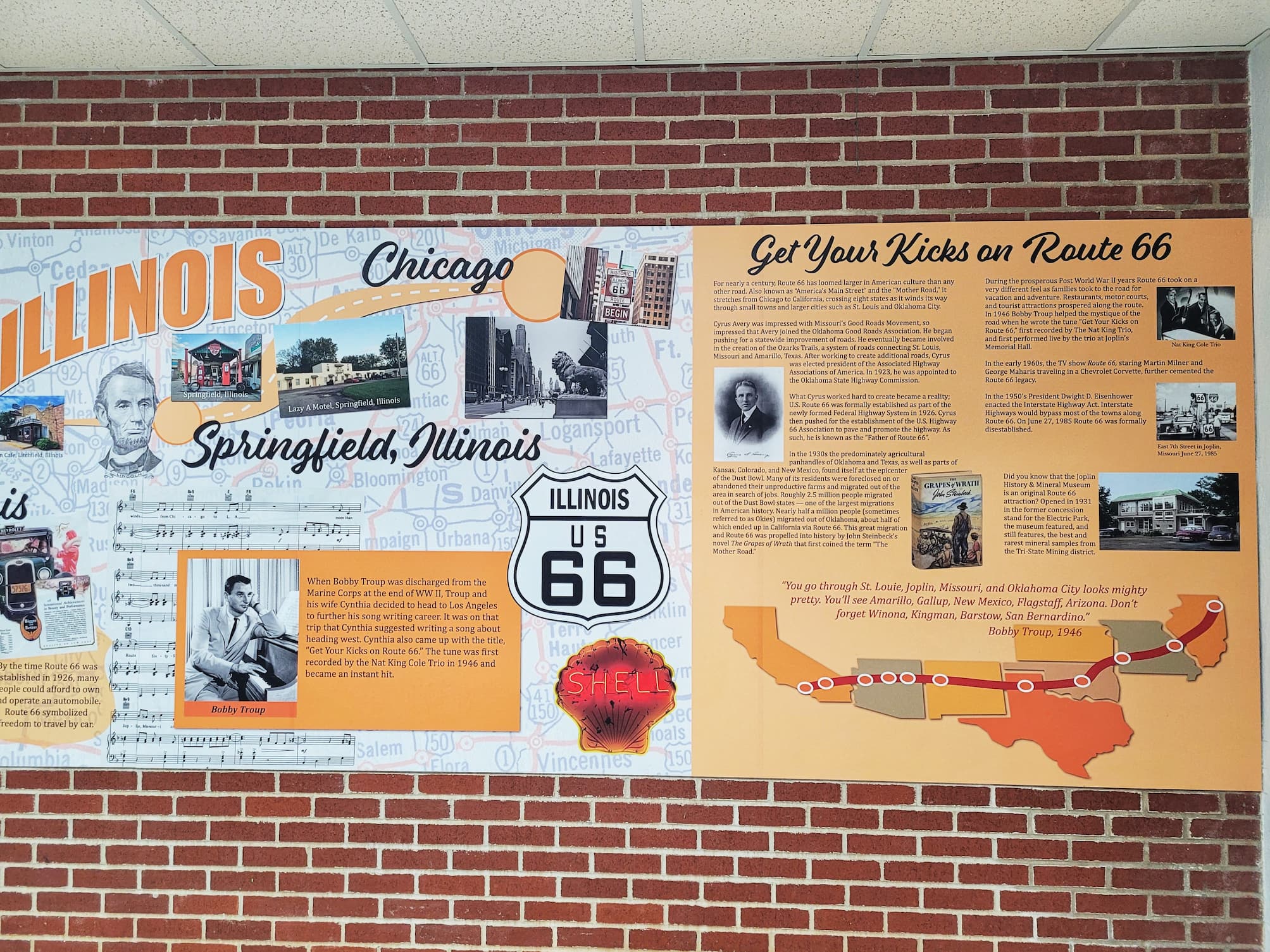
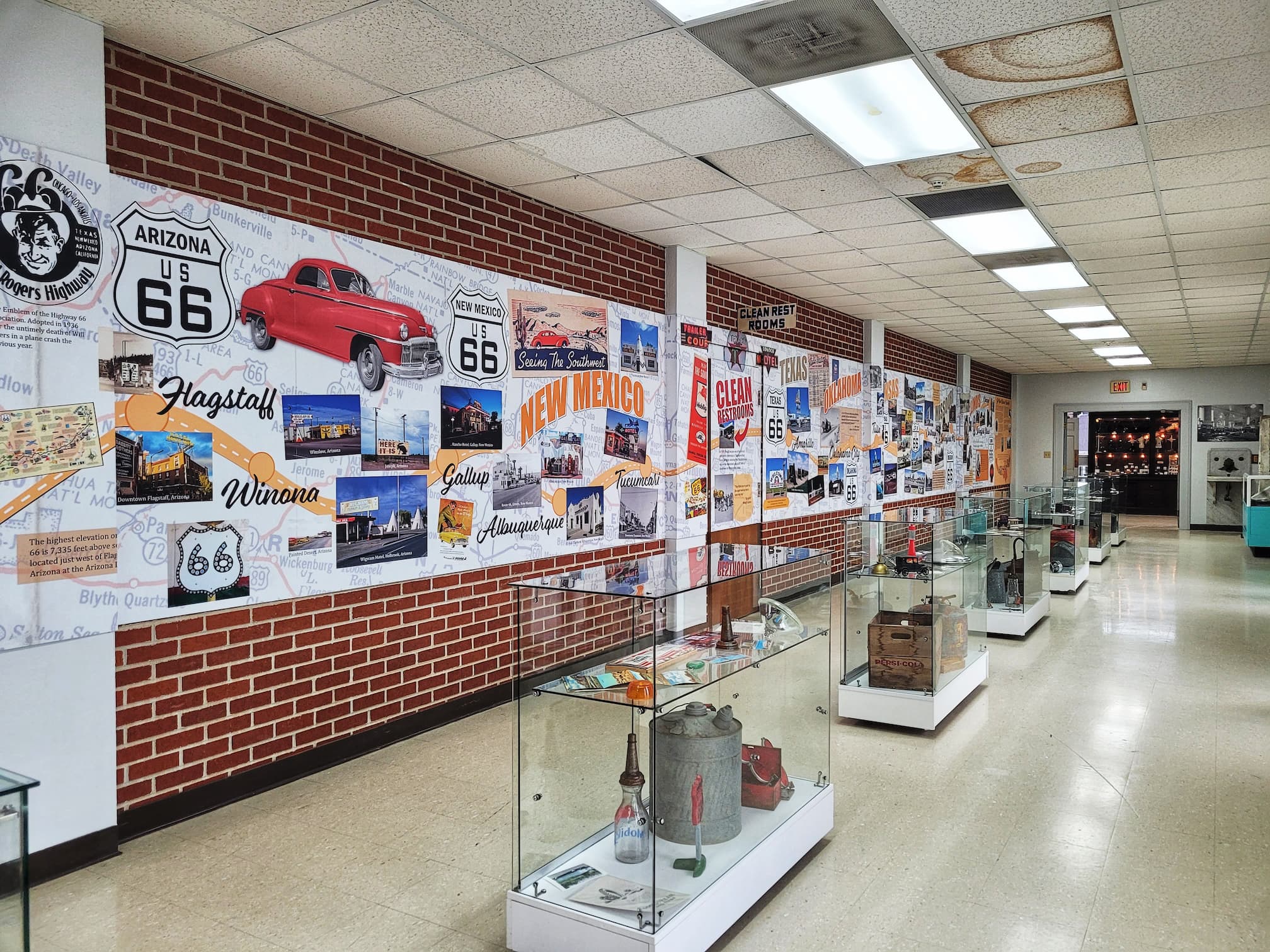
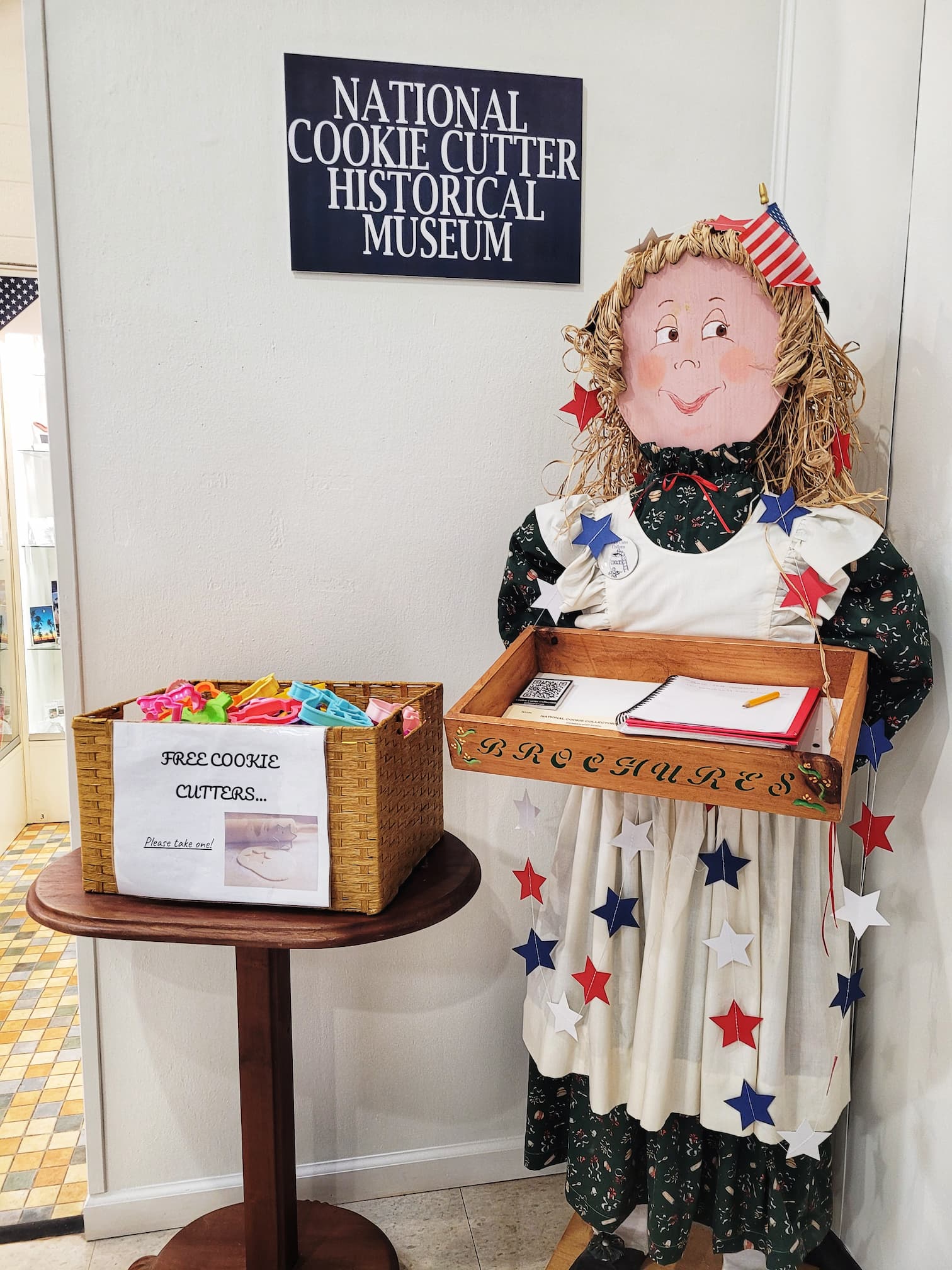
Joplin officially became a city in 1873, and by the early 1900s it had grown into a regional hub thanks to the railroads that connected its booming zinc mining industry to larger markets. Most of the mines eventually closed after World War II, and later the main road through town became part of Route 66. The museum also includes the wonderfully quirky National Cookie Cutter Historical Museum, which has been on my list to see for years. The displays were just as fun as I’d hoped, and I even got to take home a free cookie cutter as a souvenir.
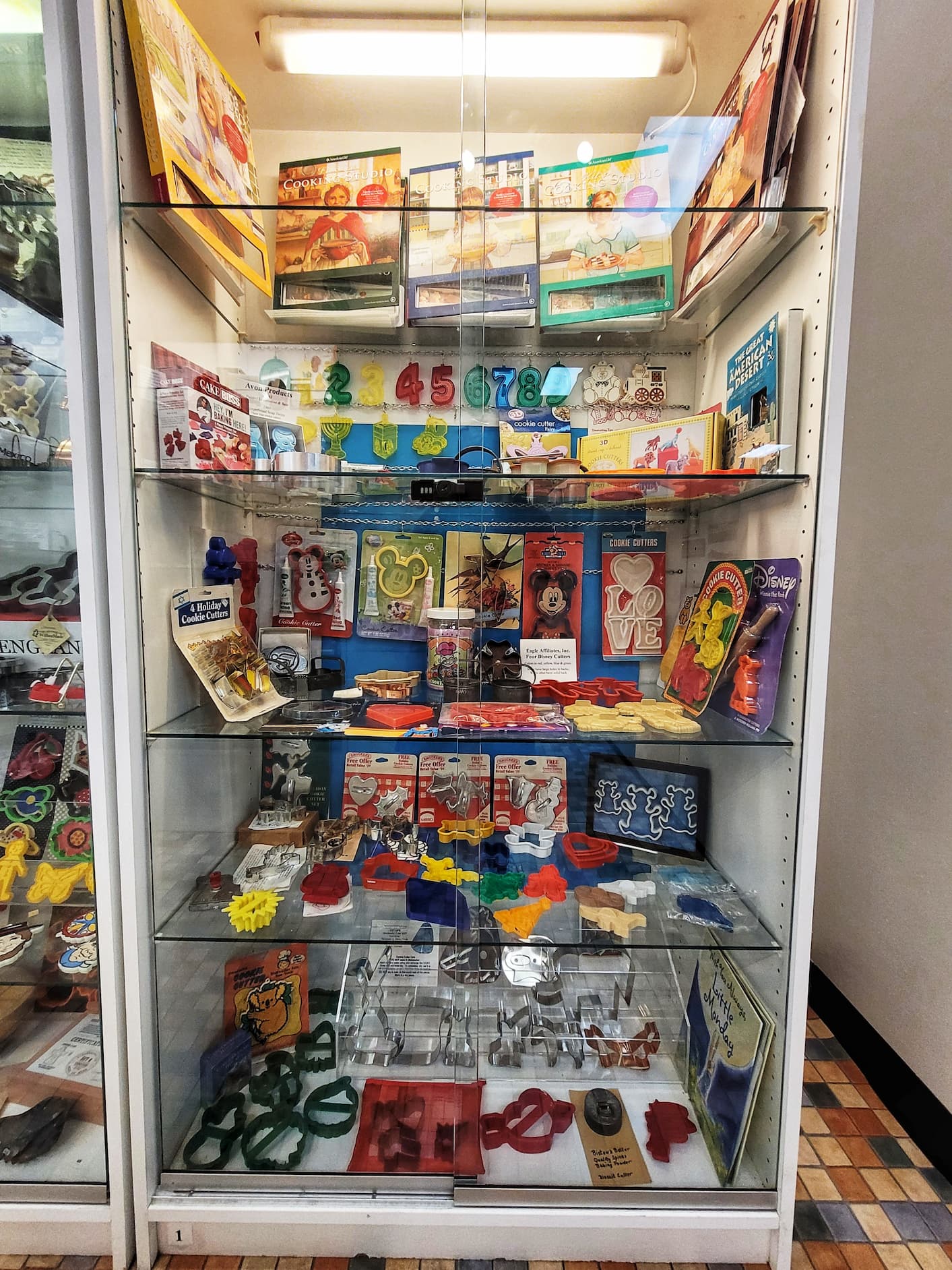
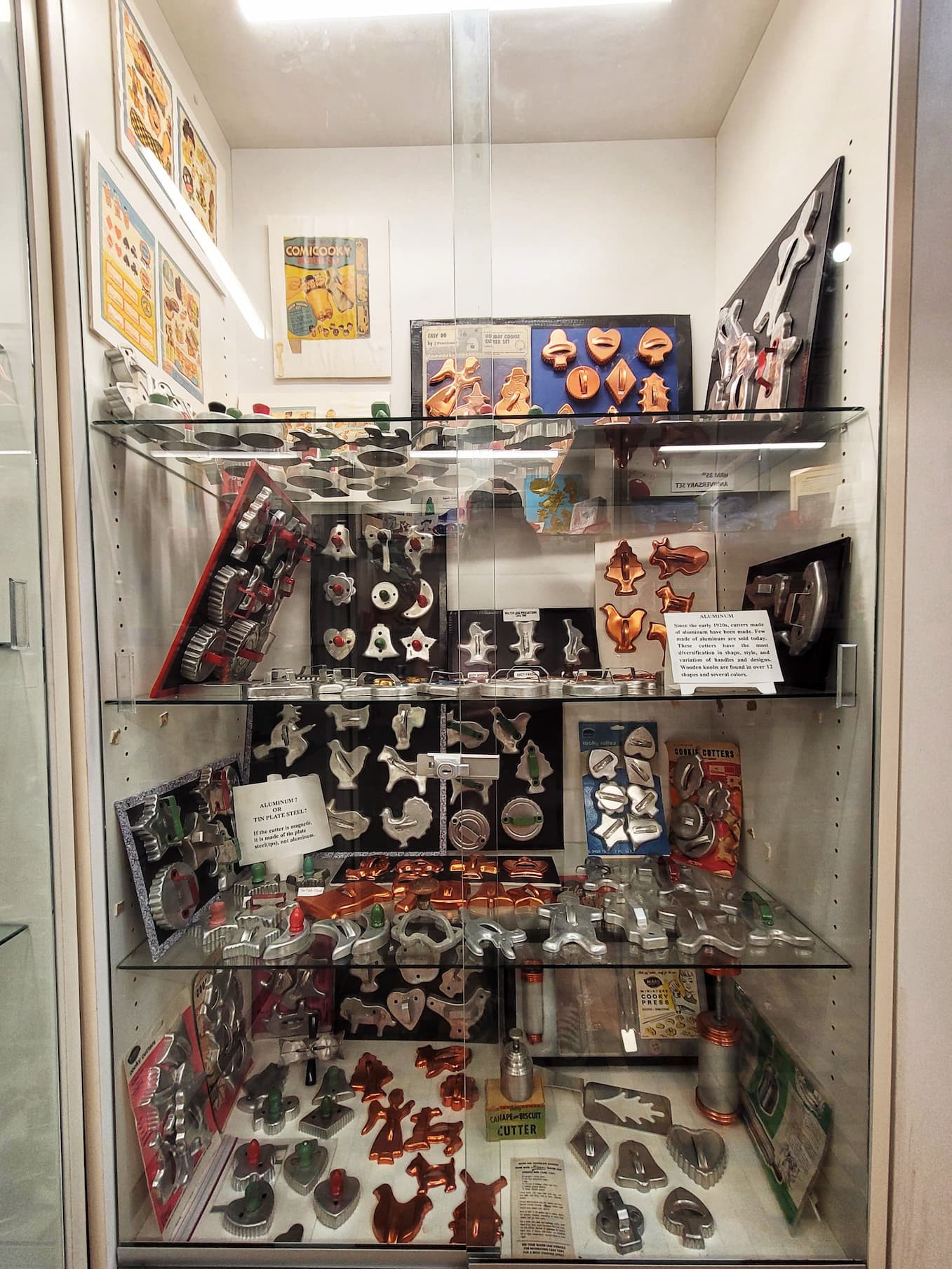
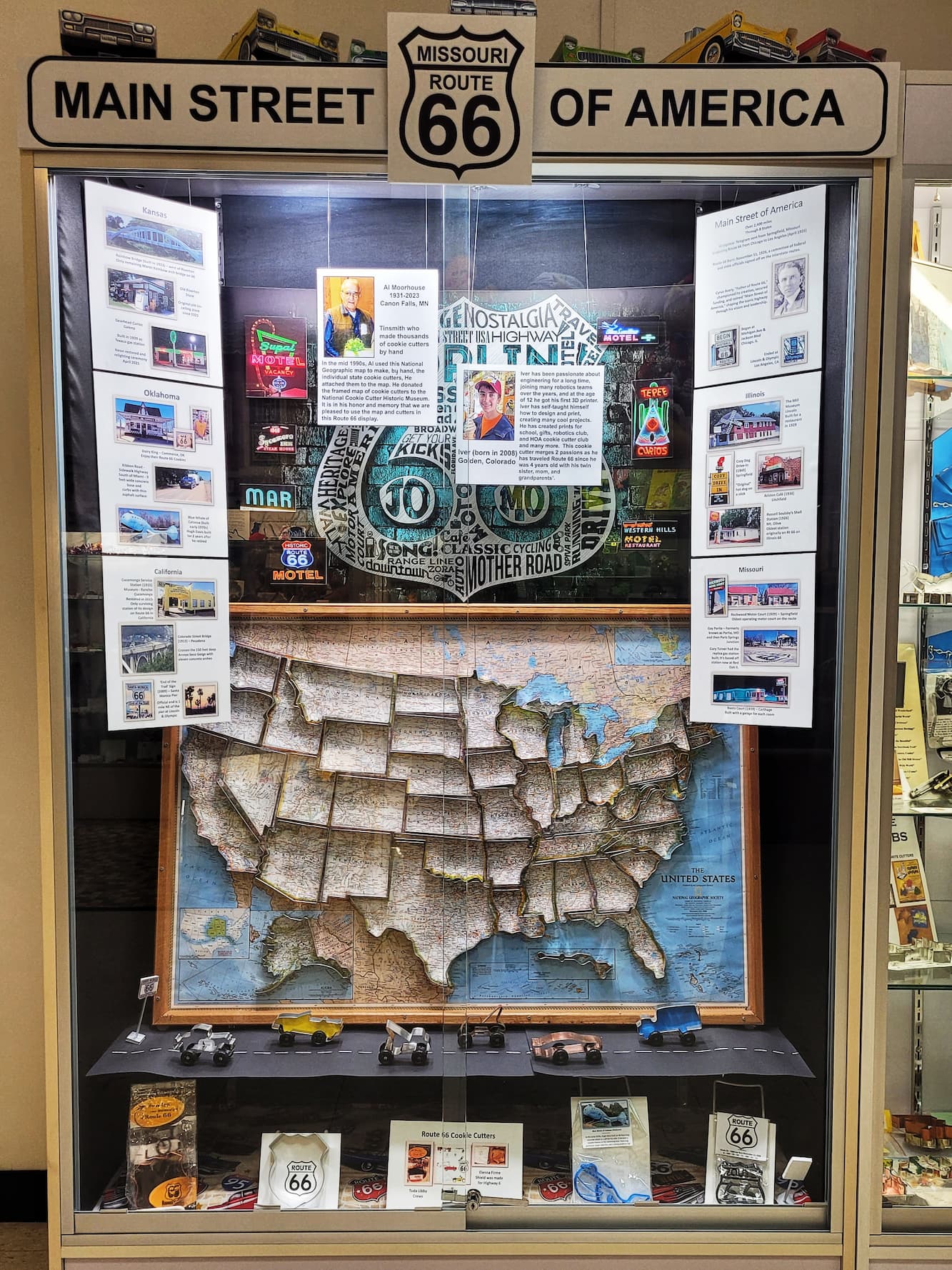
How to Visit Joplin History and Mineral Museum
Address: 504 S Schifferdecker Ave, Joplin, MO 64801
Website: https://www.joplin-museum.org/
Hours: Tues-Sat 10am-5pm
Admission: Adults $6, Senior/Military $5, Kids under 12 Free
Joplin World Street Painting Festival Gallery
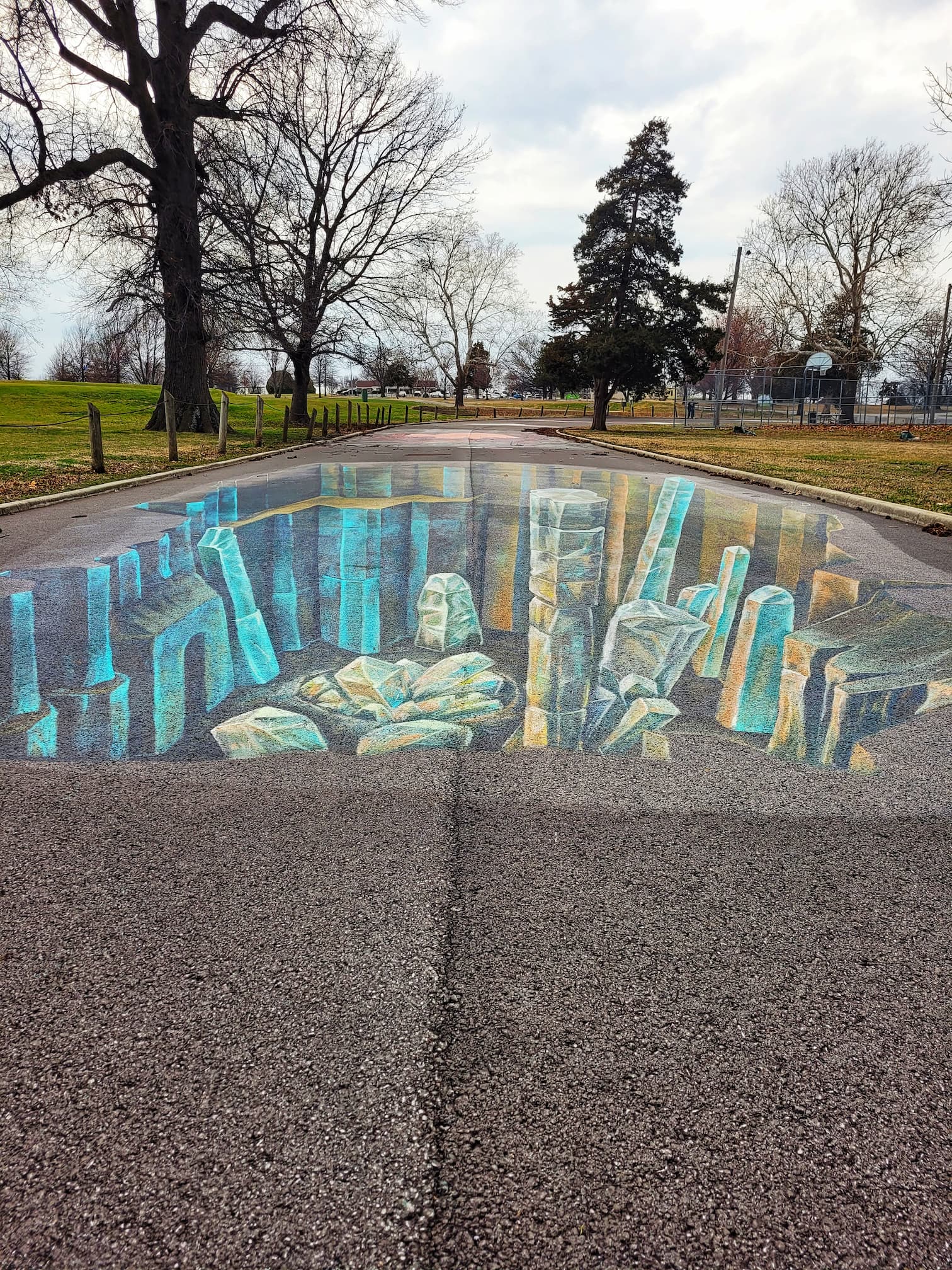
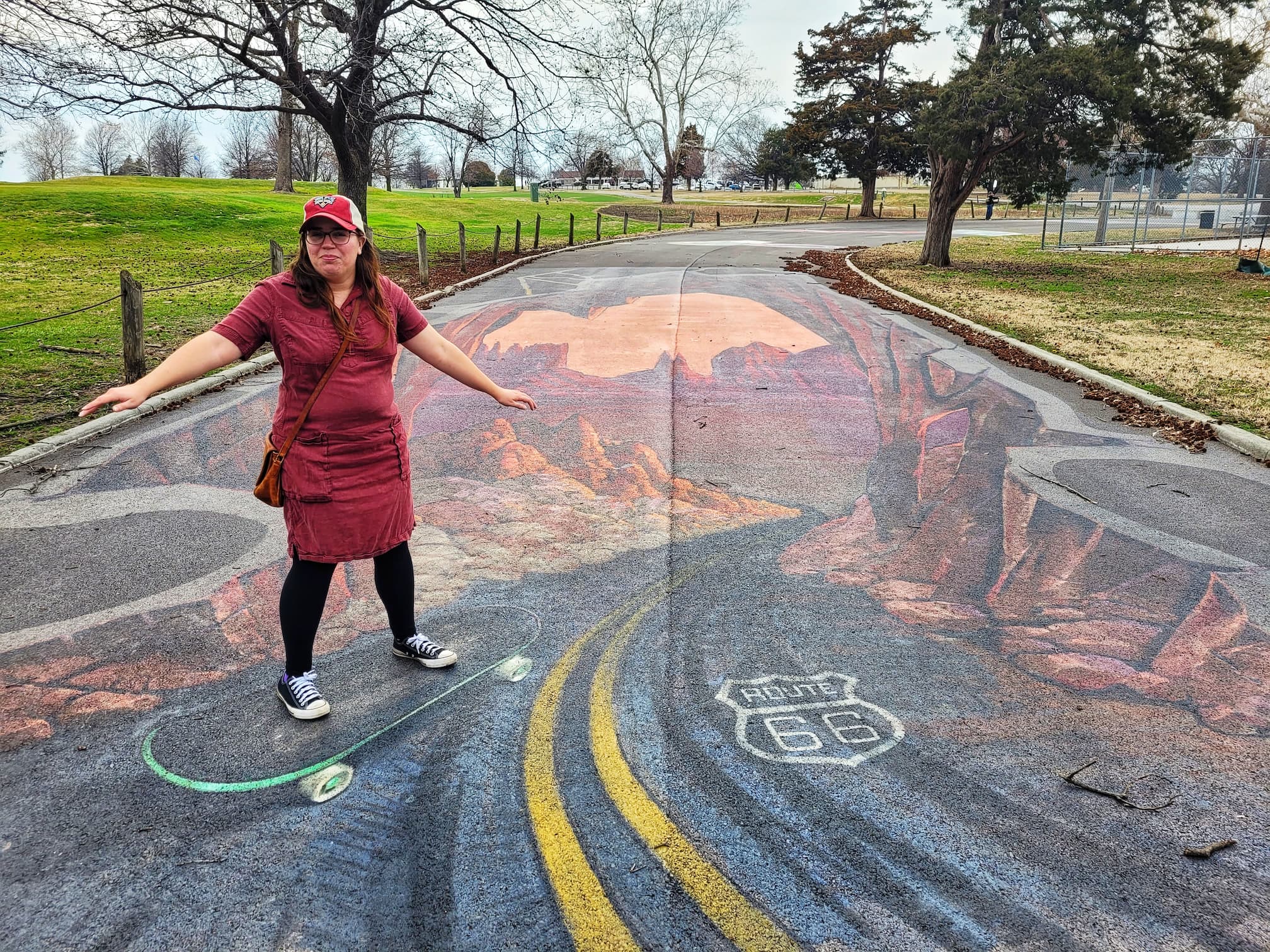
Just across the street in Schifferdecker Park we found something completely different: the Joplin World Street Painting Festival gallery. Joplin partnered with the World Street Painting Foundation in the Netherlands to create a series of large 3D street paintings celebrating the Route 66 centennial. Each painting has footprints showing where to stand so the perspective lines up correctly, and watching the images “transform” through a camera lens was surprisingly fun. We spent quite a while wandering between them and taking photos.
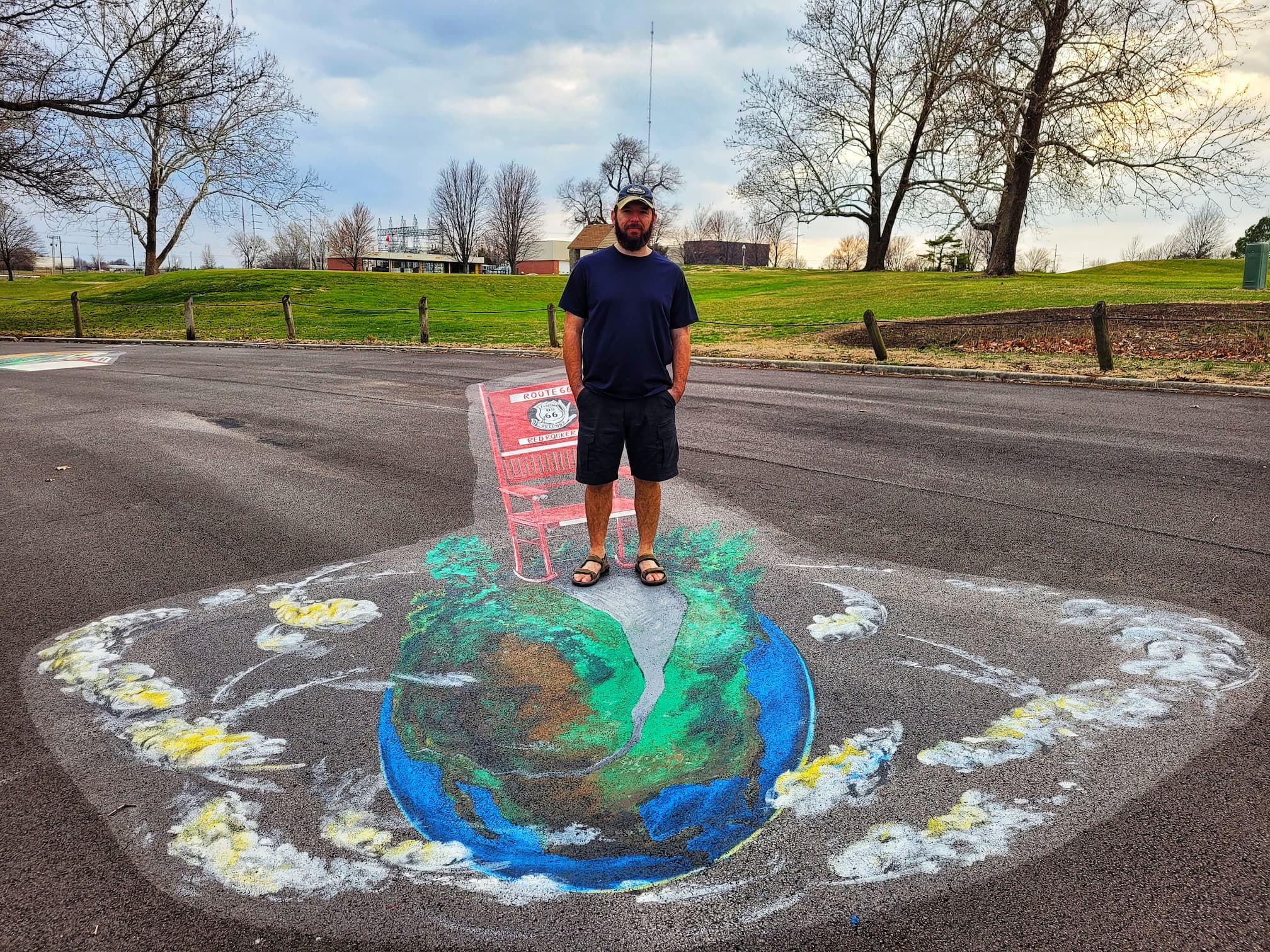
How to Visit Joplin World Street Painting Festival Gallery
Address: Schifferdecker Park, W 4th St, Joplin, MO 64801
Website: https://worldstreetpainting.com/
The Miracle of the Human Spirit
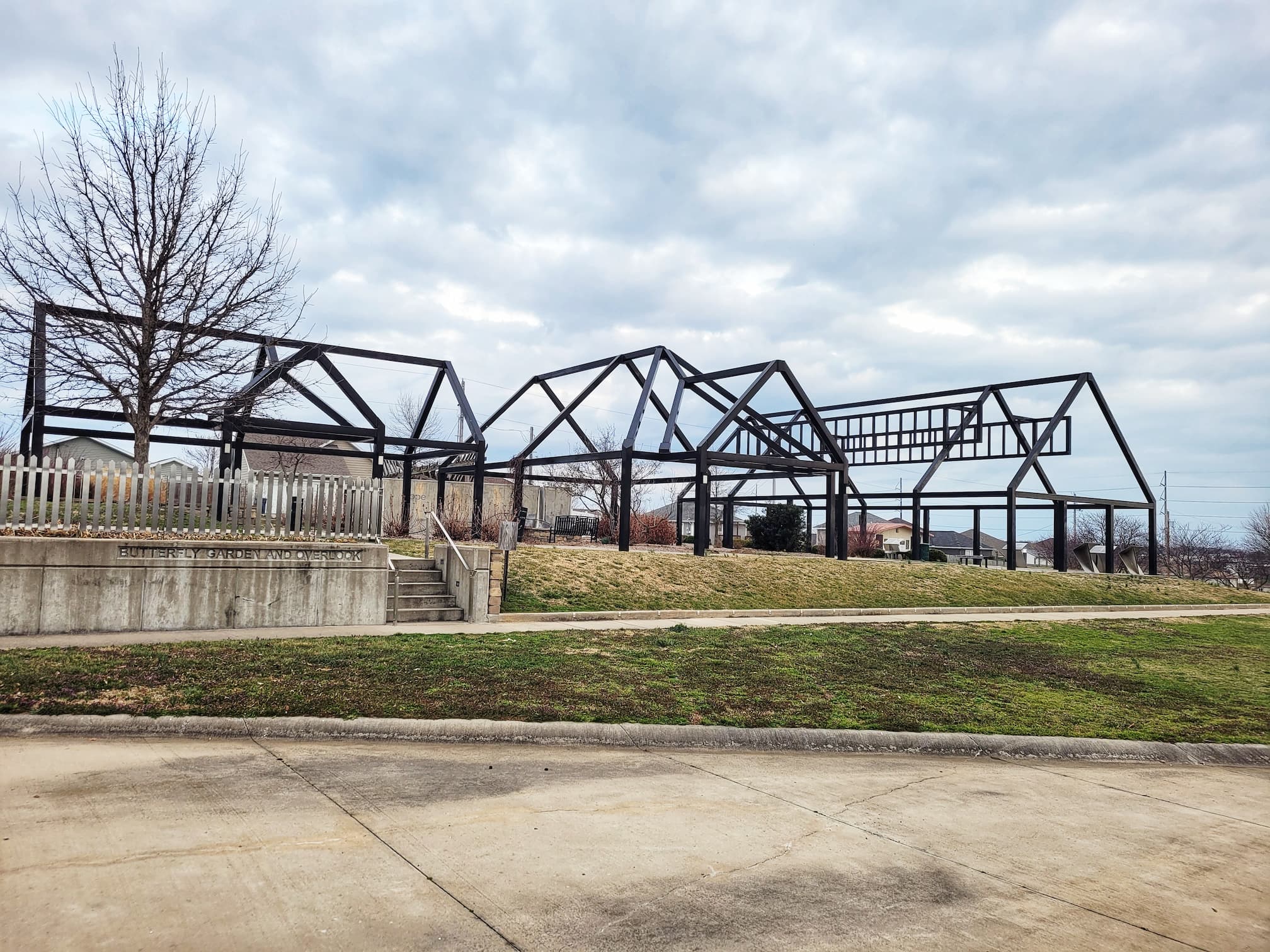
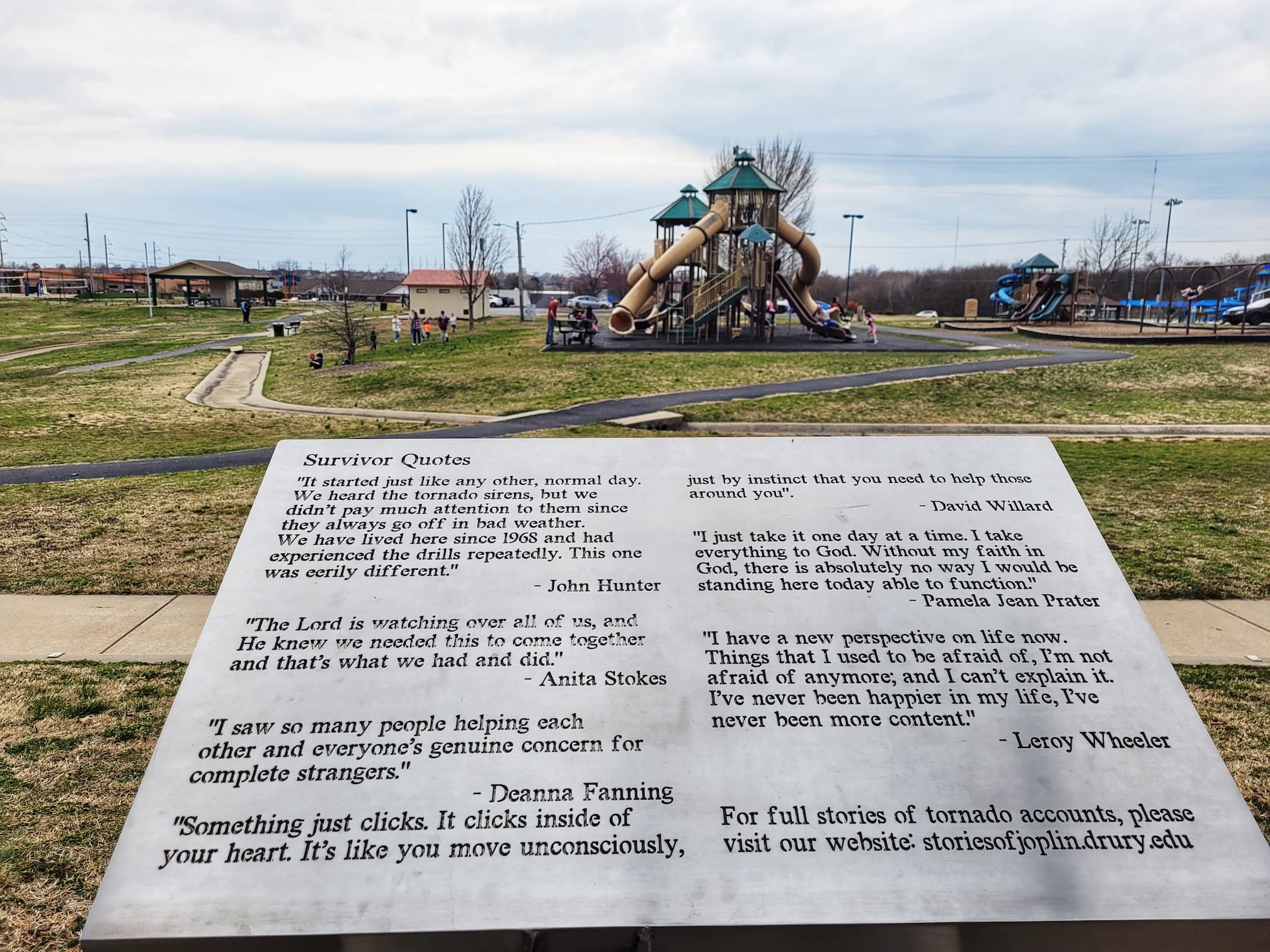
From there, the mood shifted as we visited Cunningham Park to see the memorial called The Miracle of the Human Spirit, which honors the victims of the 2011 Joplin tornado. We visit a lot of historic memorials while traveling, but it always feels different when the event happened during our own lifetimes. The space is beautifully designed and deeply thoughtful. A butterfly garden and overlook guide visitors through quiet areas meant for reflection, while another section features four circular walls representing Rescue, Recovery, Demolition, and Rebirth. Nearby, plaques list the names of the 161 people who lost their lives, and 161 trees have been planted in their memory. A reflecting pond honors the children lost in the storm and sits on the site of the park’s former playground. Standing there looking out at the current playground, full of kids running and laughing, was both emotional and strangely hopeful.
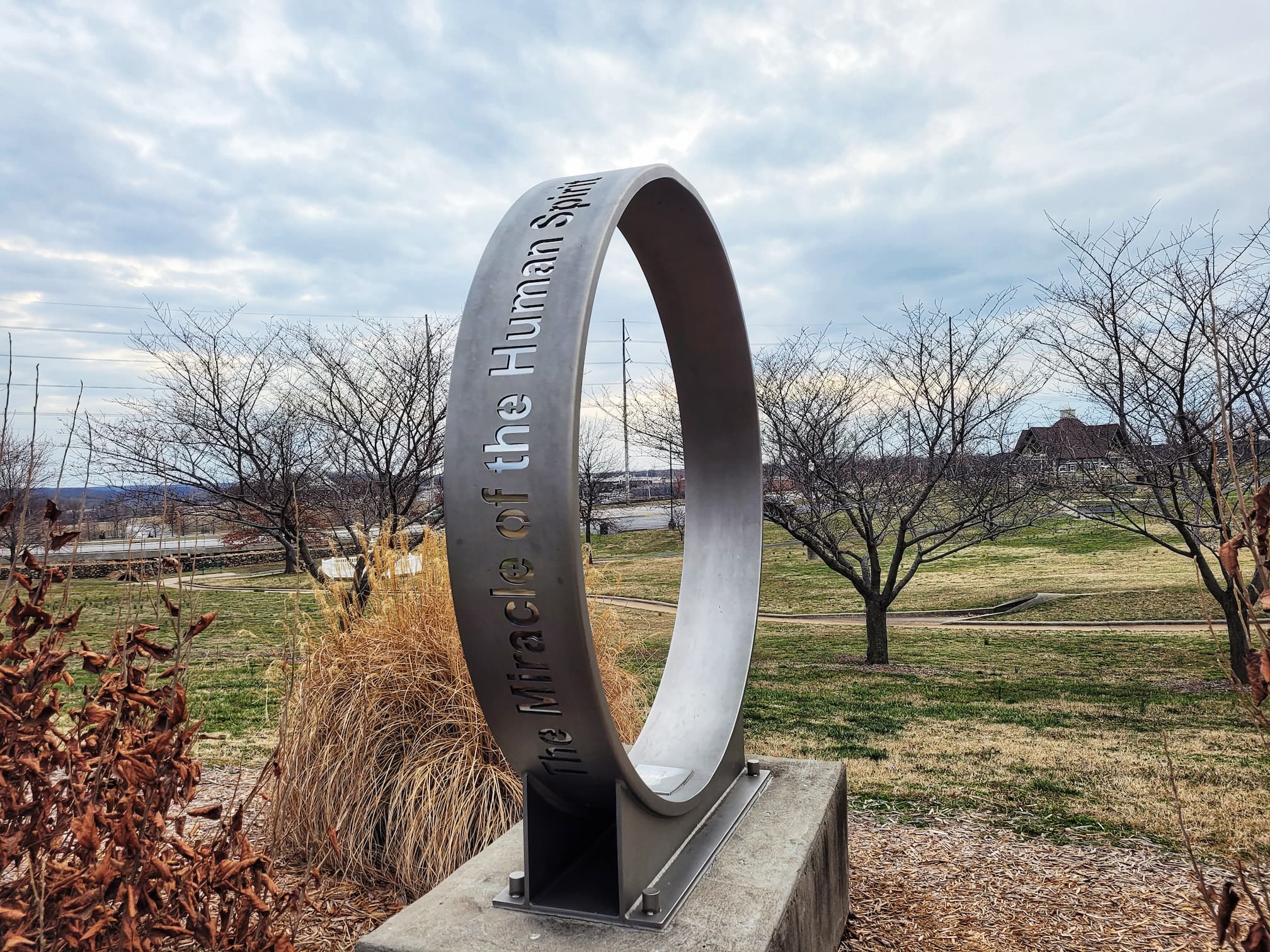
How to Visit The Miracle of the Human Spirit
Address: Cunningham Park, W 26th St &, 2409 S Maiden Ln, Joplin, MO 64804
Bonnie & Clyde Apartment
Before leaving town, we made one more quick drive-by to see the former apartment connected to Bonnie Parker and Clyde Barrow. In 1933 the pair rented a garage apartment in Joplin while members of the Barrow Gang were committing robberies in nearby towns. Law enforcement initially suspected the group might just be bootleggers, but when officers came to investigate, the outlaws opened fire, killing two officers before fleeing. In their rush to escape, the gang left behind a roll of undeveloped film whose photos, showing the couple posing with guns, would soon make them nationally infamous.
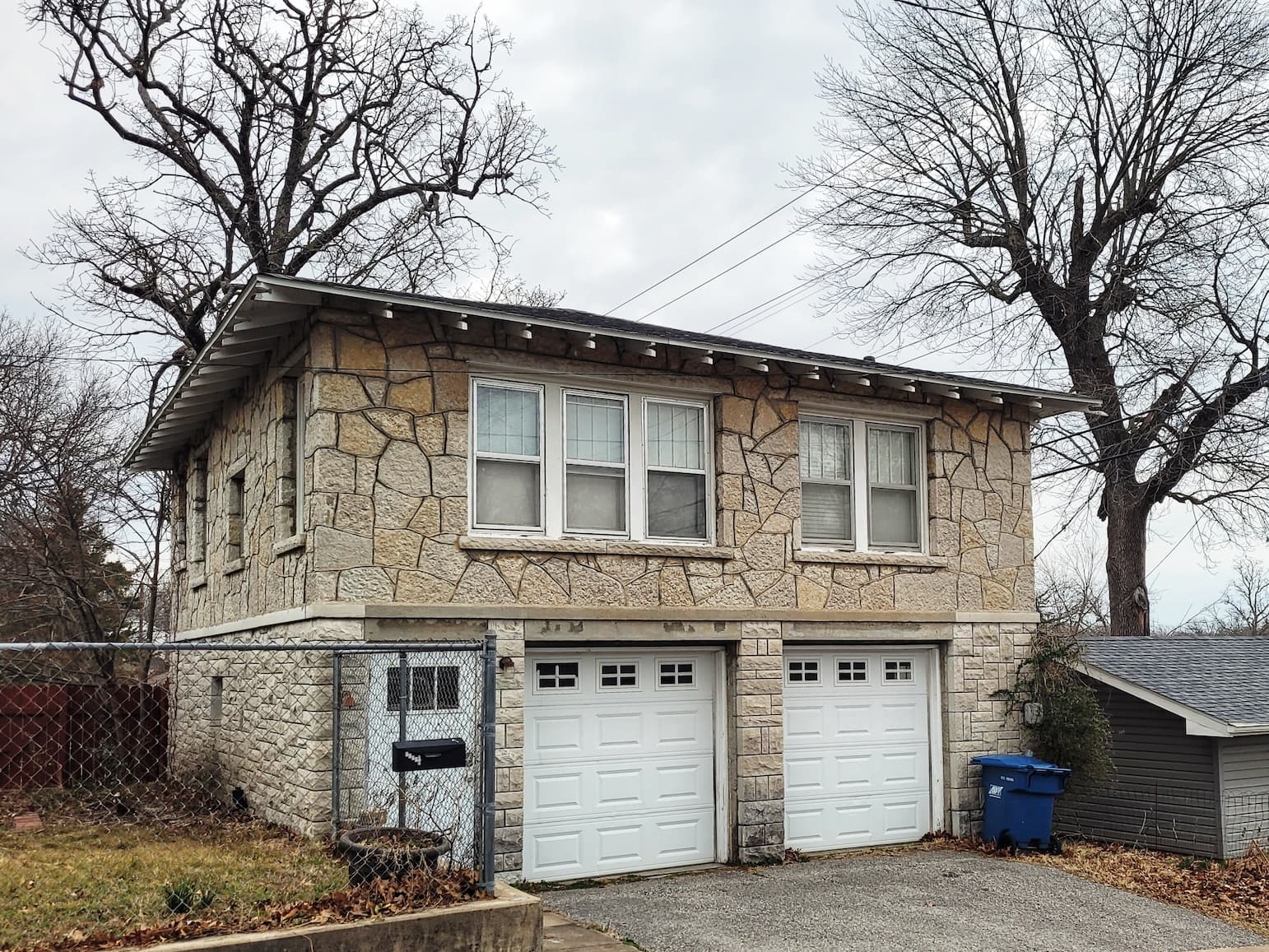
How to Visit the Bonnie & Clyde Apartment
Address: 3347 Oak Ridge Dr, Joplin, MO 64804
Bricks & Brews Woodfire Grill and Pub
After a full day in Missouri, we headed back to Baxter Springs for dinner at Bricks & Brews Woodfire Grill and Pub. Tuesday night happens to be their wood-fired pizza buffet, and at $8.99 per person (or $12 with the salad bar) it felt like an incredible deal. The pizzas were genuinely good, and the buffet meant we could try a bunch of different toppings, which is always fun. We paired the meal with a couple beers, conveniently during happy hour, when drafts were $2 off, making it one of those rare travel dinners that’s both delicious and very budget-friendly.
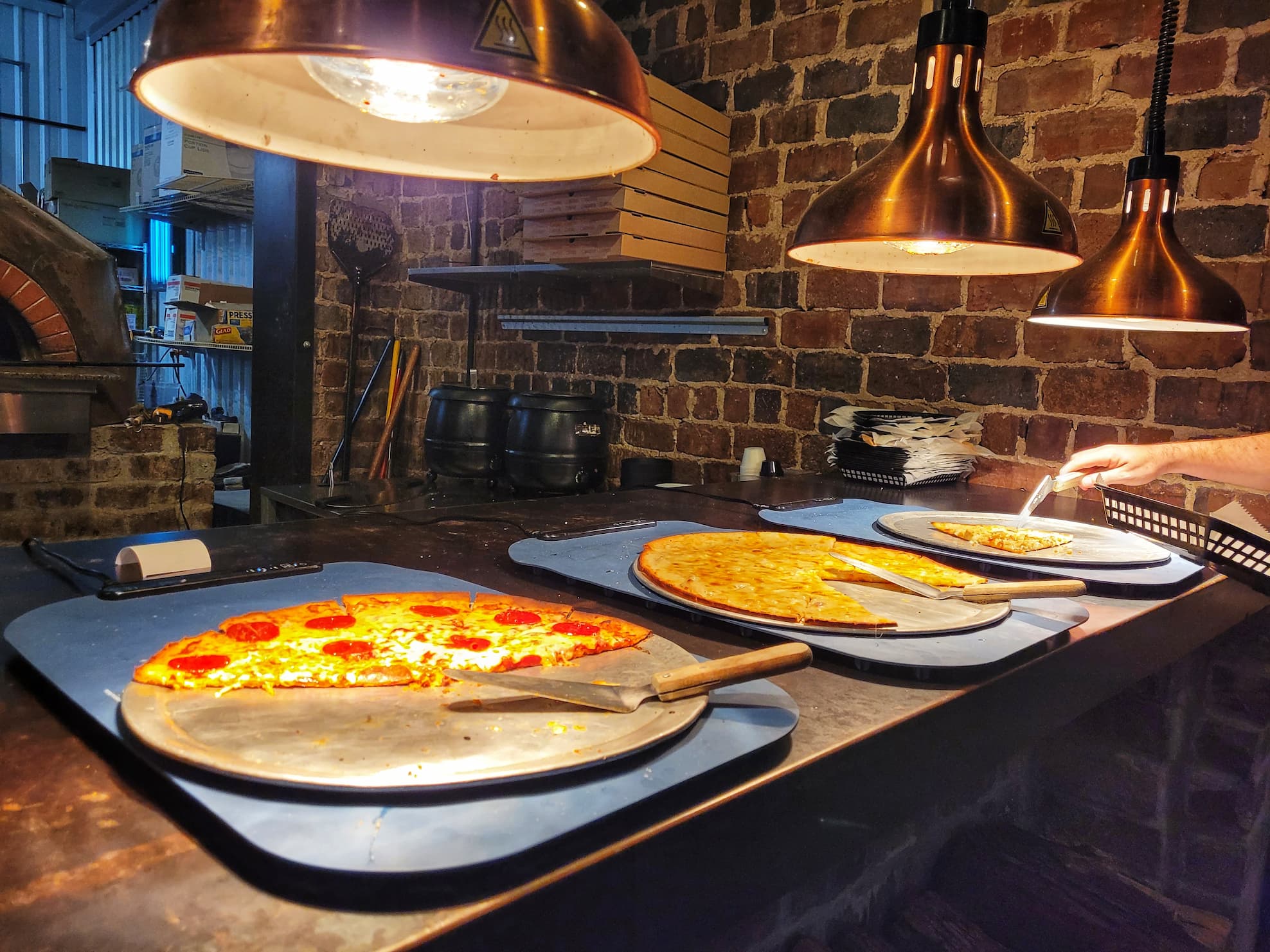
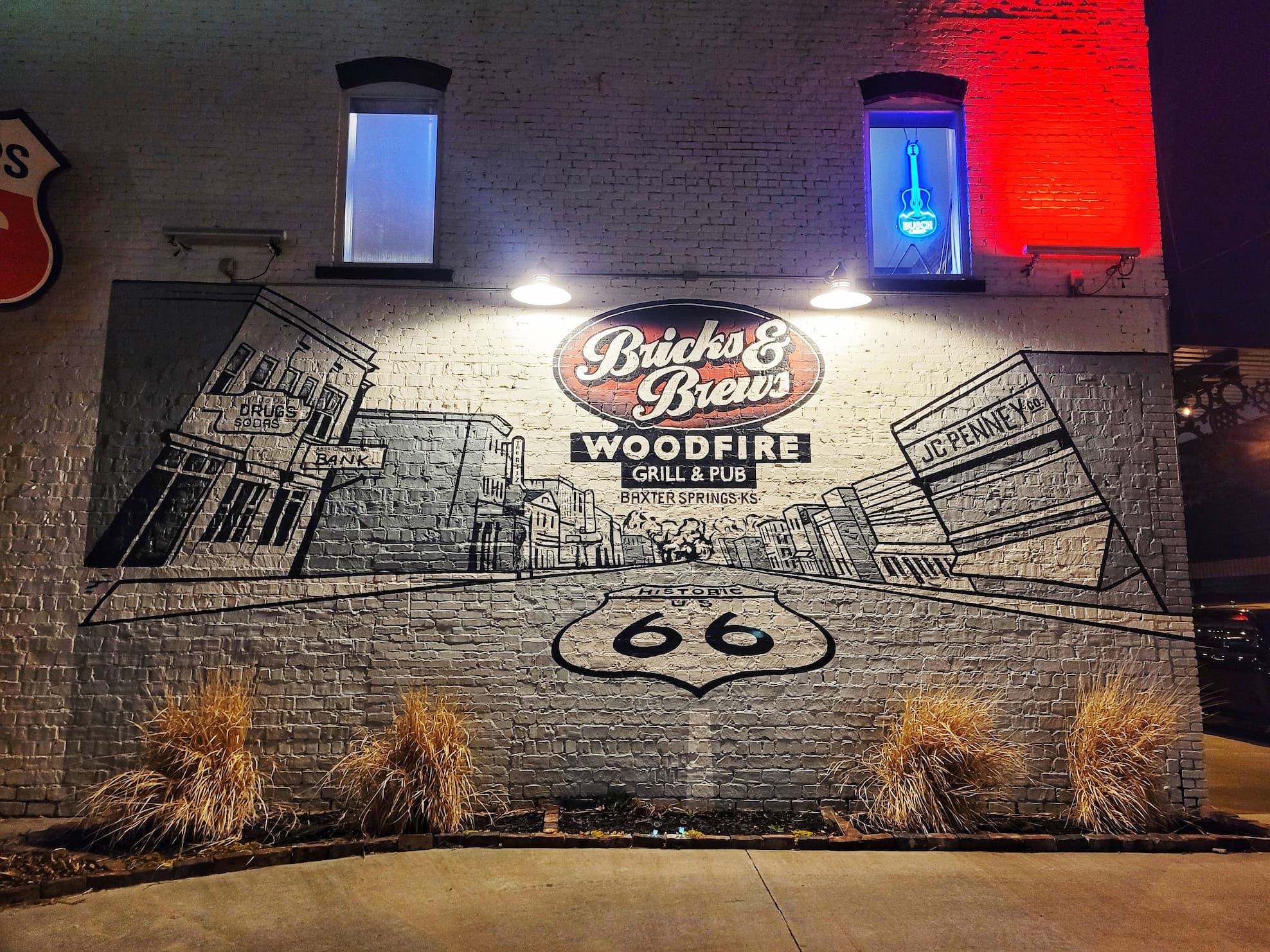
How to Eat at Bricks & Brews Woodfire Grill and Pub
Address: 1531 Military Ave, Baxter Springs, KS 66713
Wednesday: Webb City and Carthage, Missouri
Webb City Area Chamber of Commerce & Downtown Webb City
Our first stop Wednesday morning was the Webb City Area Chamber of Commerce so I could add another stamp to my Route 66 passport. We pulled up just before they were supposed to close, but unfortunately they had shut the office a few minutes early. Thankfully someone there had clearly anticipated the possibility- a small baggie of passport stamp stickers along with a free magnet had been left outside the door for visitors.
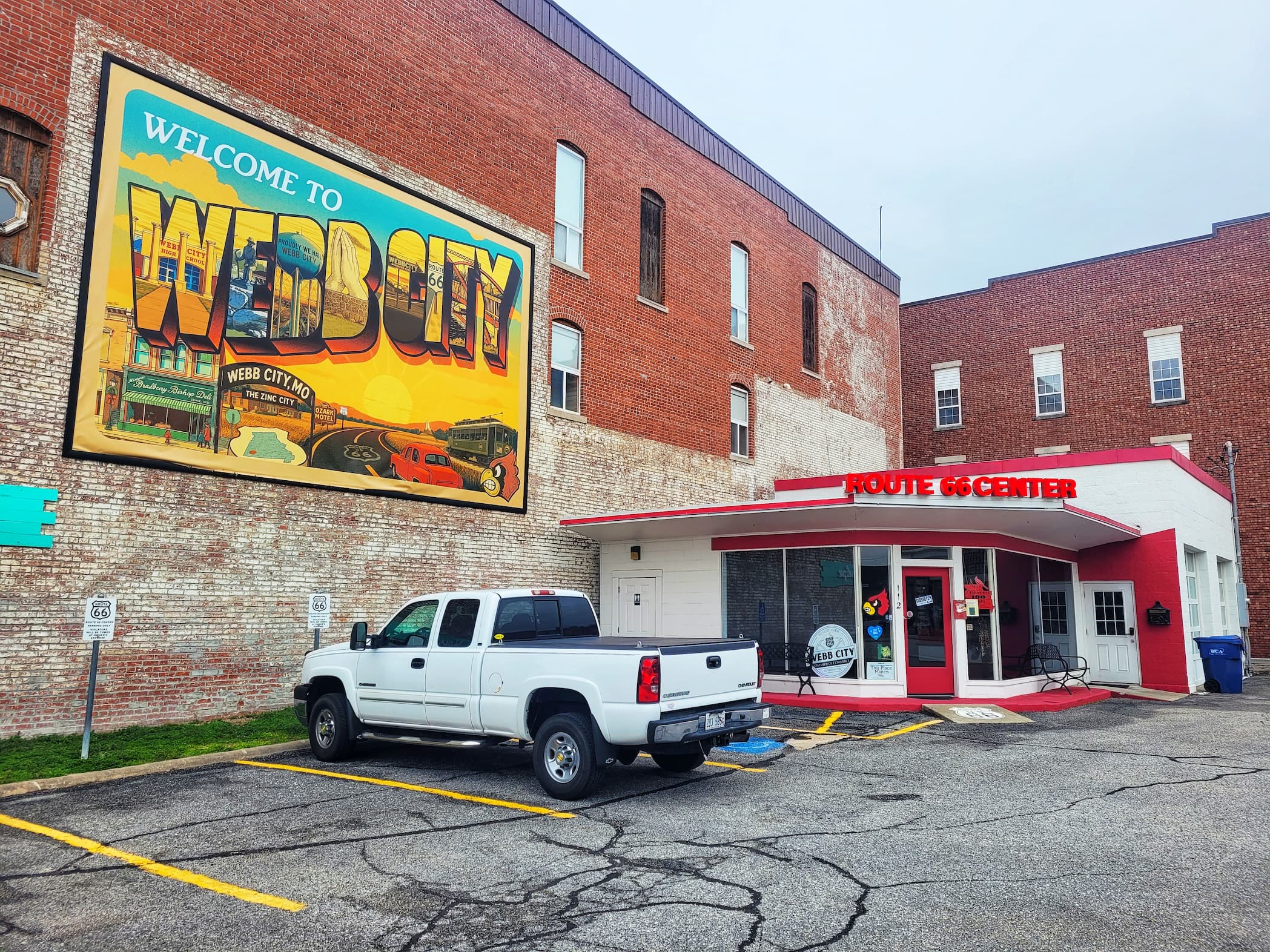
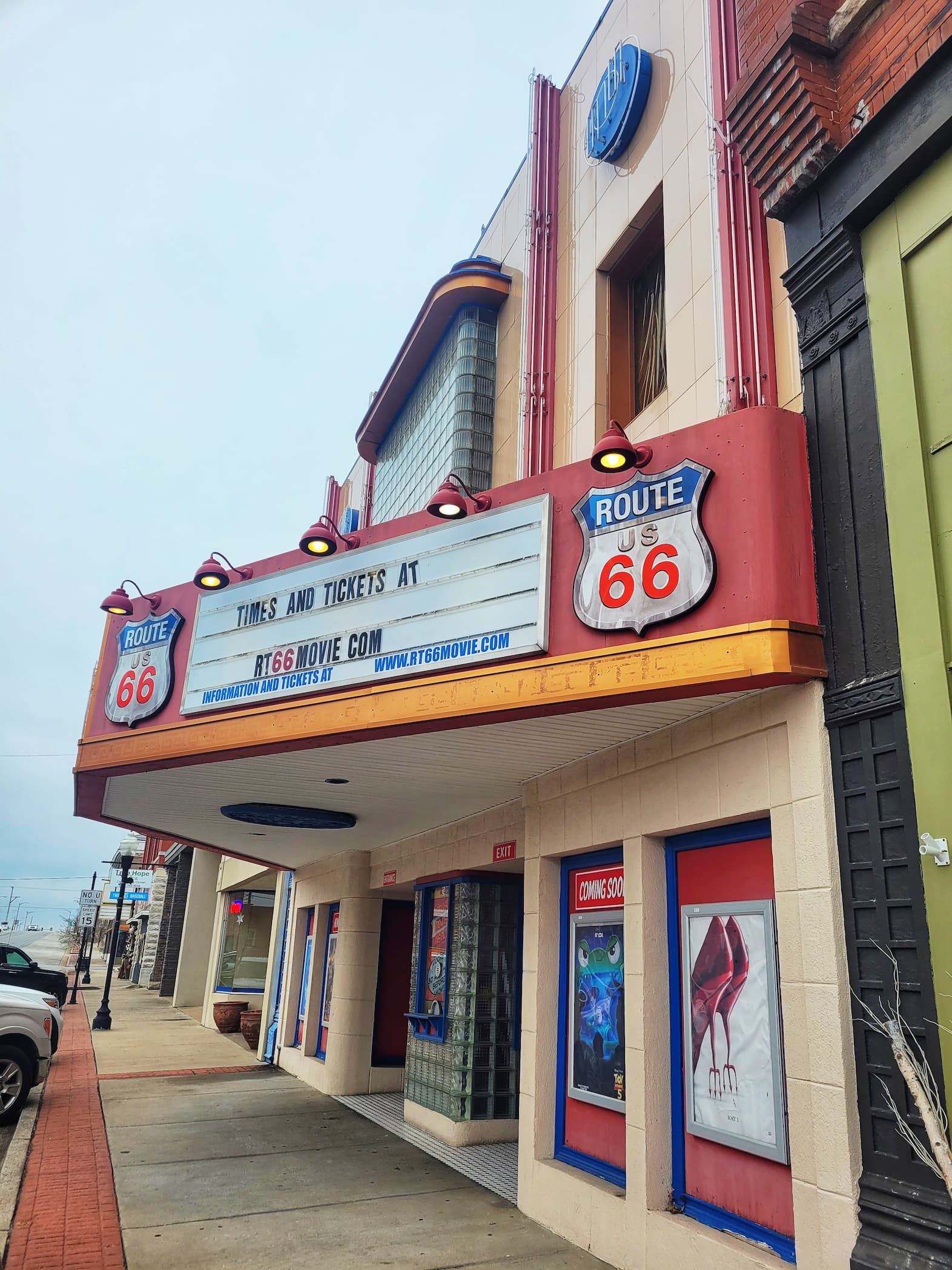
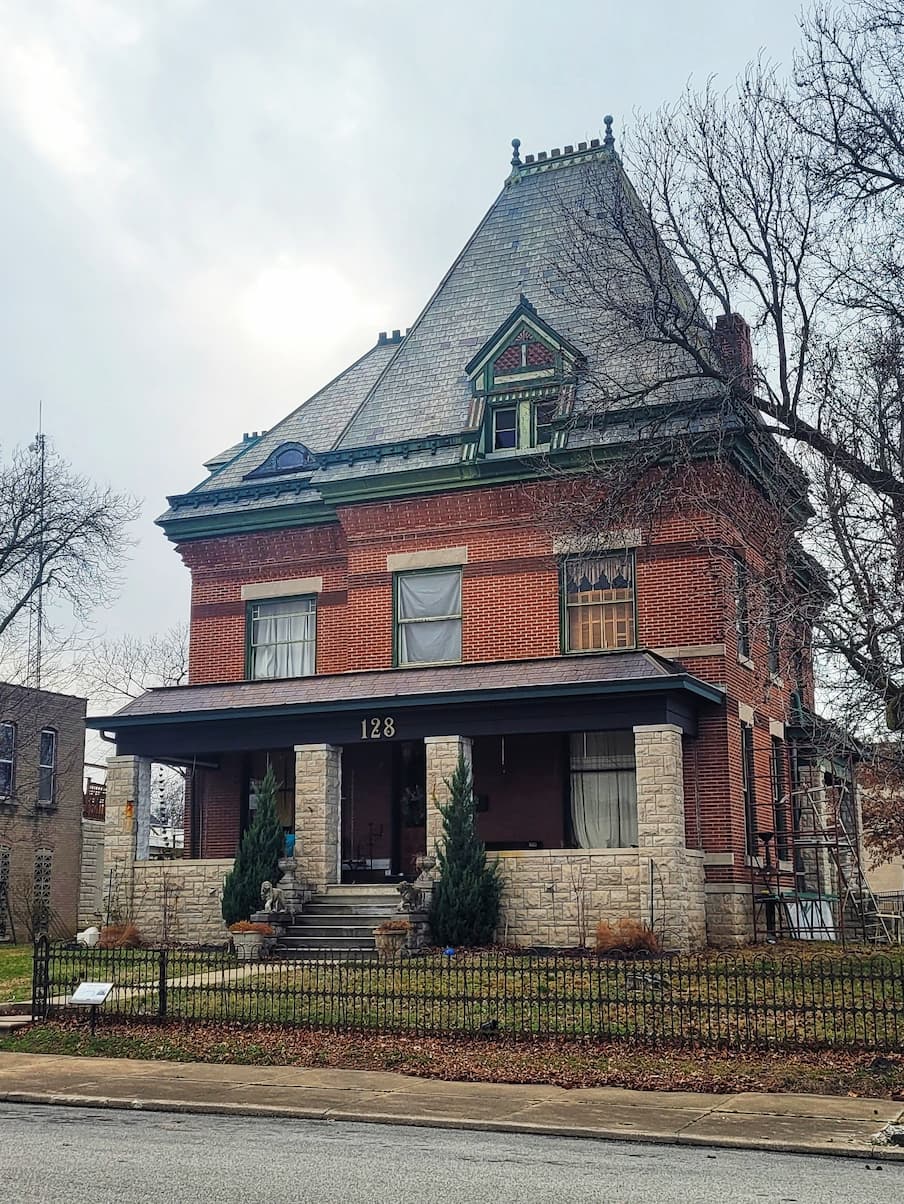
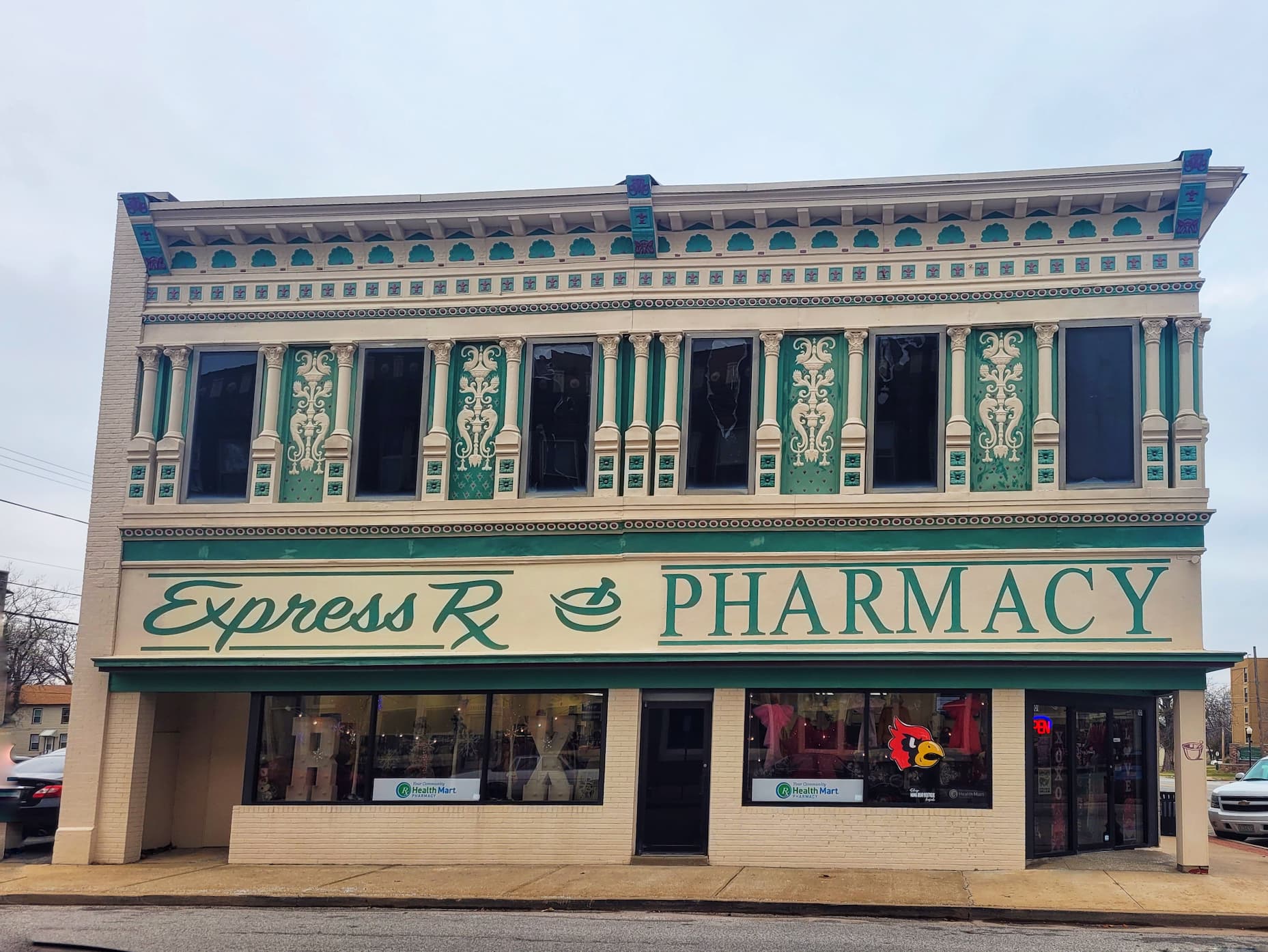
Since we were already there, we spent some time walking around Webb City taking photos of the vintage signs and historic buildings downtown. There were a lot more interesting storefronts and architectural details than we expected, making it a fun place to wander for a bit.
Historically, Webb City was once known as the “Zinc Capital of the World.” In the late 1800s, lead and zinc mining fueled the local economy, and by the 1880s the town was booming. Like many communities in the tri-state mining district, production began to decline after World War I, but Webb City adapted by shifting toward other industries. When U.S. Route 66 was officially aligned in 1926, it wound its way through Webb City in a somewhat snaking path through town.
By the late 1940s that winding route, combined with deteriorating road conditions from the 1922 construction, nearly caused Webb City to lose its place on the highway entirely. Plans were proposed for a straighter new highway through town, but the city would have needed to pass a bond to cover its share of the project. When the bond vote failed, the local chamber of commerce stepped in and raised the money themselves. In a twist of local politics, the city council initially refused to accept the funds, so the chamber gave the money directly to the state highway department and let them handle negotiations. Eventually the new road, MacArthur Drive, opened in fall 1950. Even though it technically bypassed the original winding Route 66 path, it helped keep Webb City connected to the highway system and preserved its place on the map.
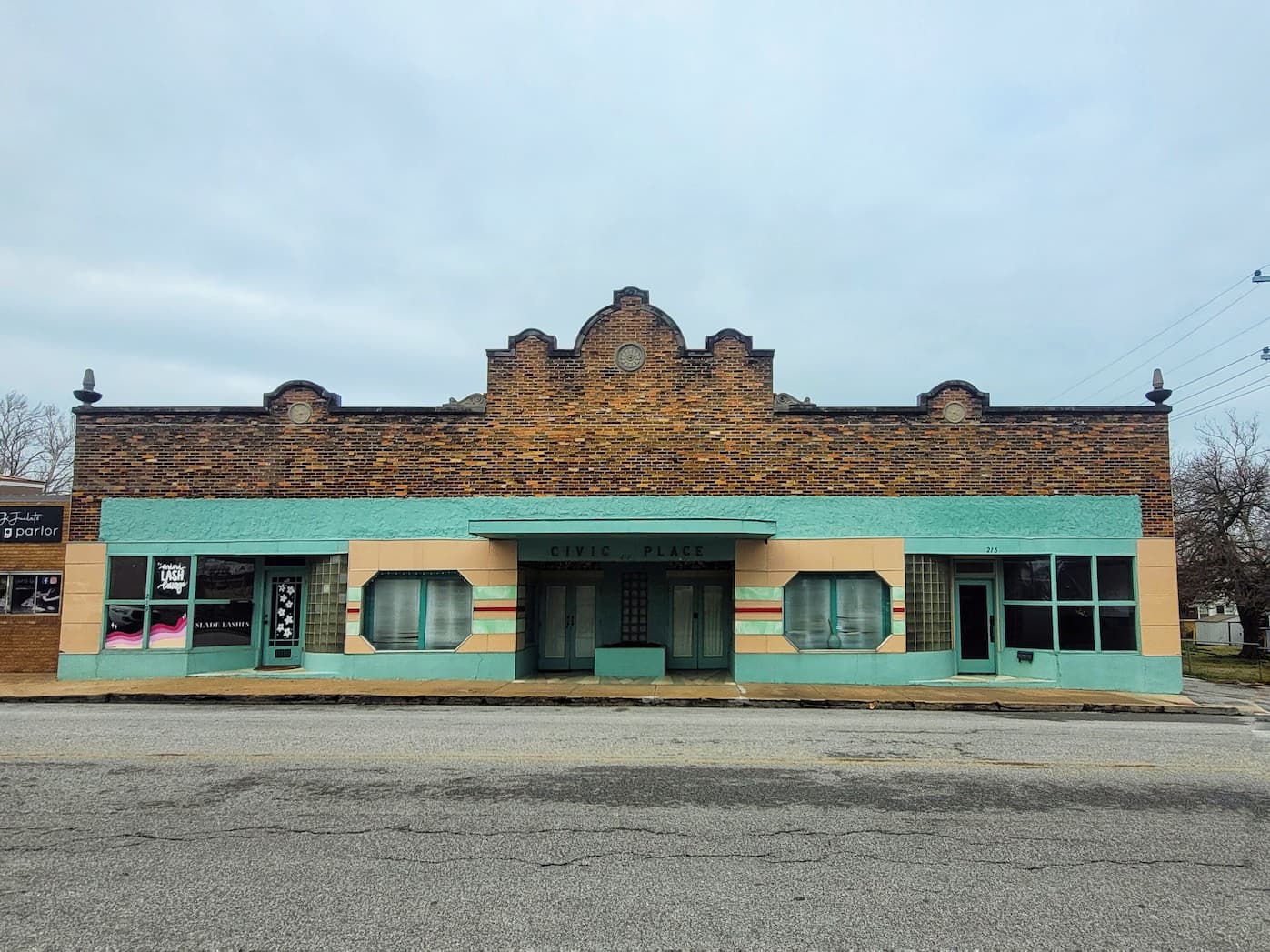
How to Visit Webb City Area Chamber of Commerce
Address: 112 W Broadway St, Webb City, MO 64870
Website: http://www.webbcitychamber.org/
Hours: Mon-Fri 9am-4pm
Supertam on 66… Kind of
From there we continued west to Carterville hoping to visit Supertam on 66. Earlier in the week I had messaged them on Facebook to clarify their seasonal hours because Facebook, Google, and their website all listed different schedules. They told me they were starting their spring hours that week- but when we arrived, the place was closed. We even checked again later on our way back toward camp just in case they were running late. It was definitely a little disappointing since we had gone out of our way to stop there.
Boots Court Motel
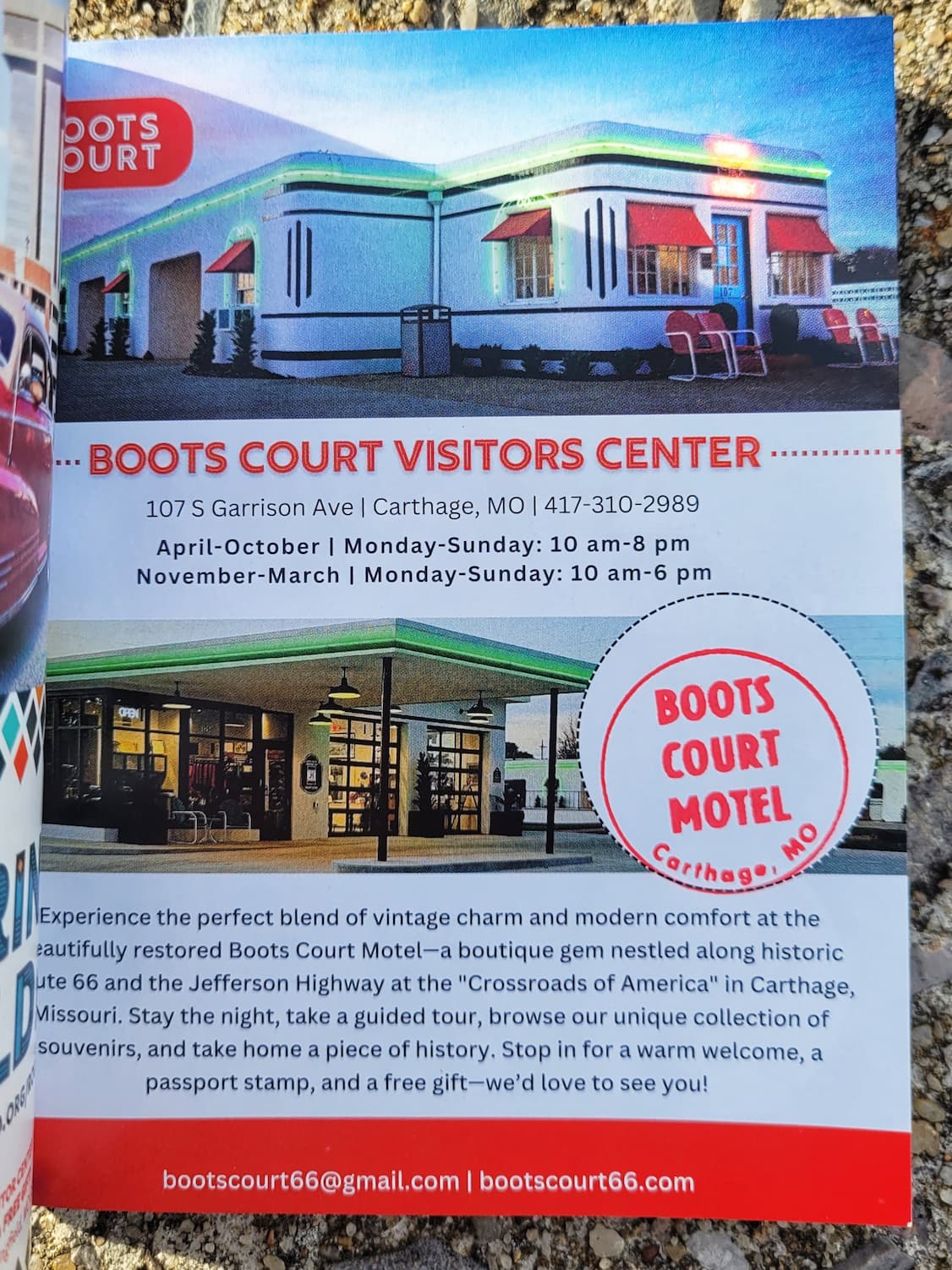
Luckily the rest of the day more than made up for it. Our next stop was in Carthage at the beautifully restored Boots Court Motel. The original Boots Cottage Court was built in 1930 in Eldon, and the owner’s younger brother was inspired to build a second location in Carthage, which opened in 1939. Before the motel itself was constructed, he had already built the Red Horse service station on the property, which later became the motel’s front office.
The Carthage motel originally featured eight rooms built in the distinctive Streamline Moderne architectural style, each with its own carport for travelers. New owners expanded the property in 1946, adding five additional rooms in a separate building. Over the years it hosted countless road trippers, including one especially famous guest: Clark Gable, who stayed here multiple times.
After decades of decline, preservationists purchased the property in 2011 and began a careful restoration. In 2021 the Boots Court Foundation was formed to purchase and operate the motel. Today it functions both as a working motel and as a small visitor center and gift shop for Route 66 travelers, and it was also another spot where I could add a stamp to my Route 66 passport.
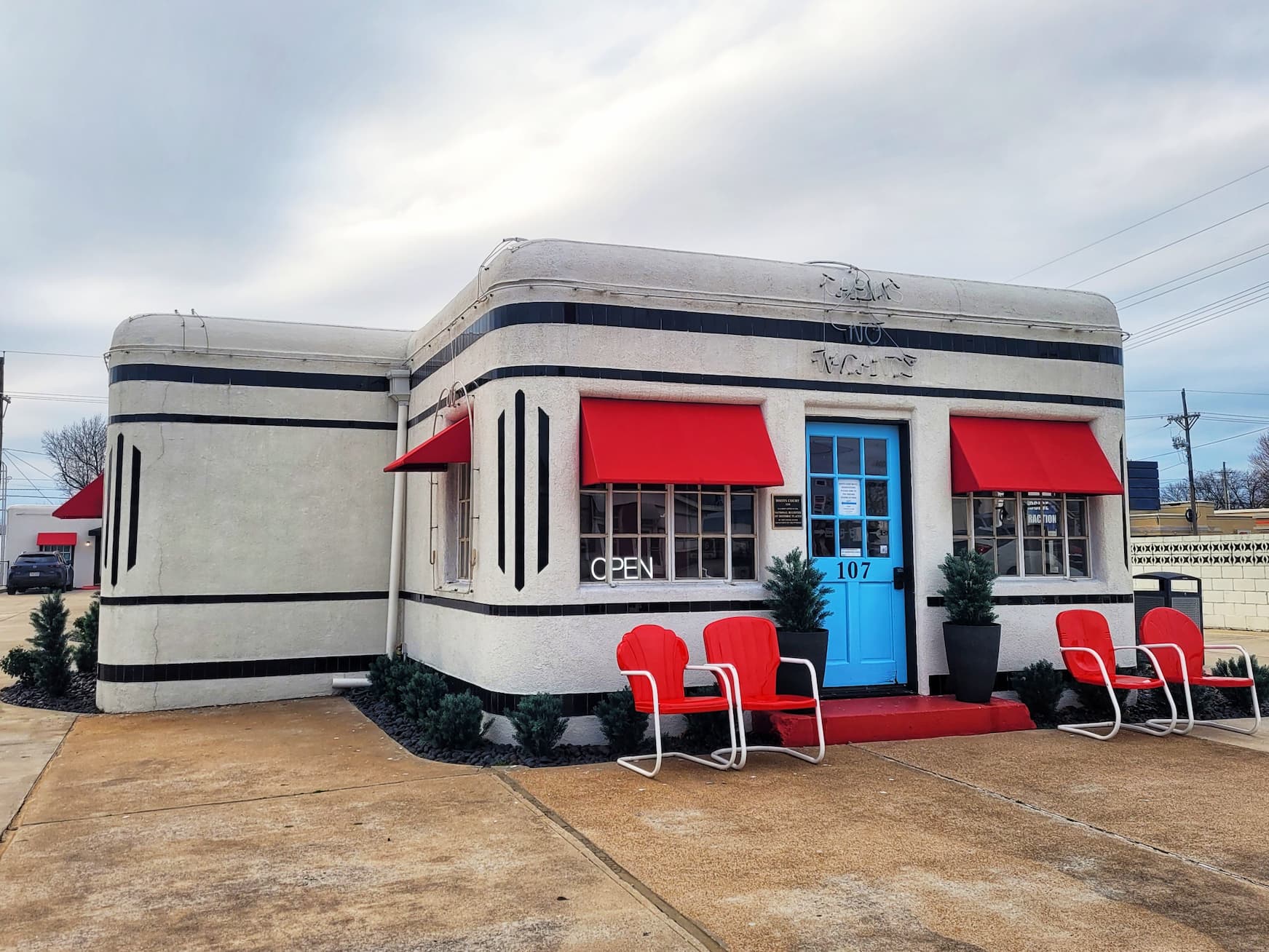
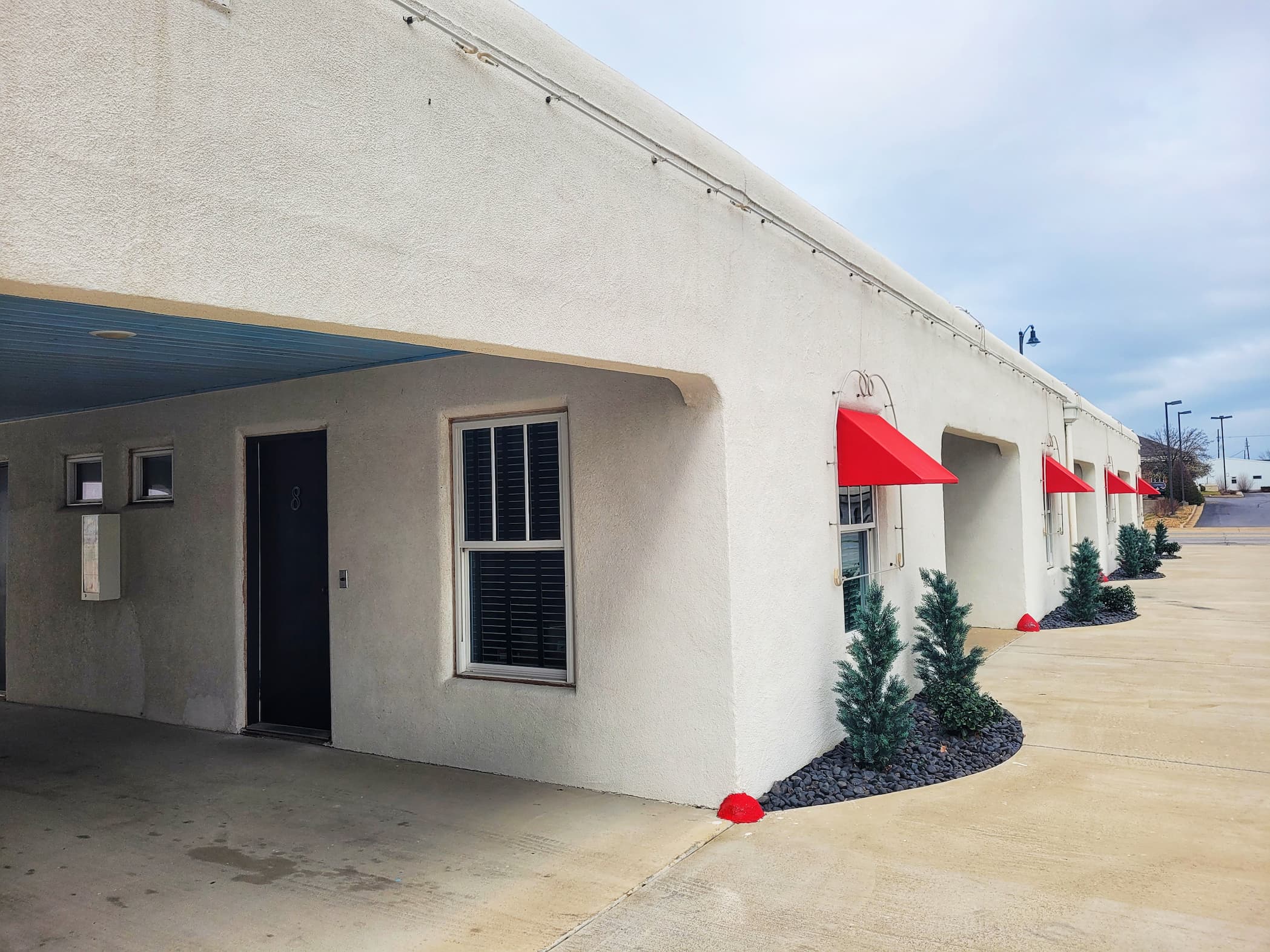
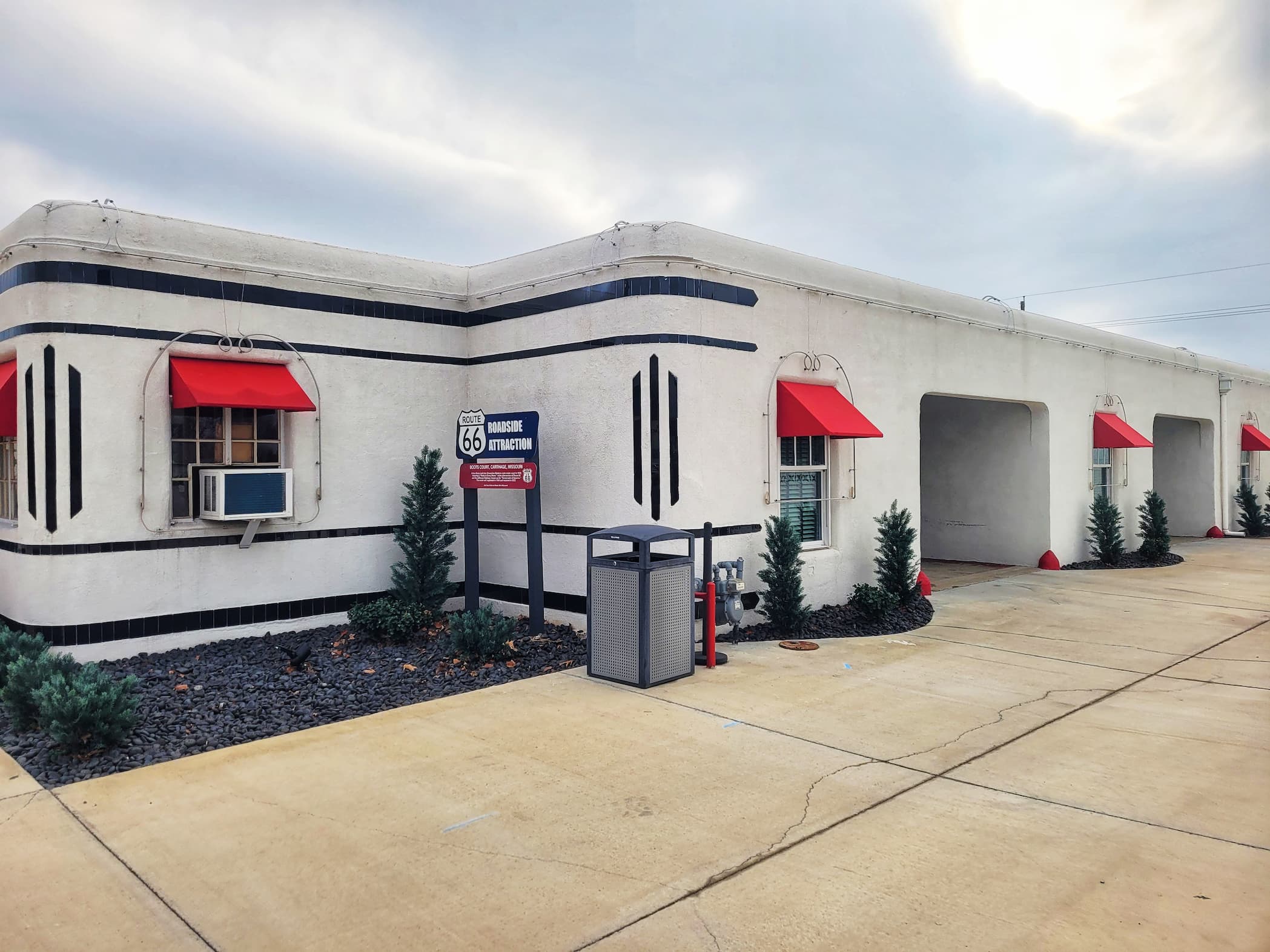
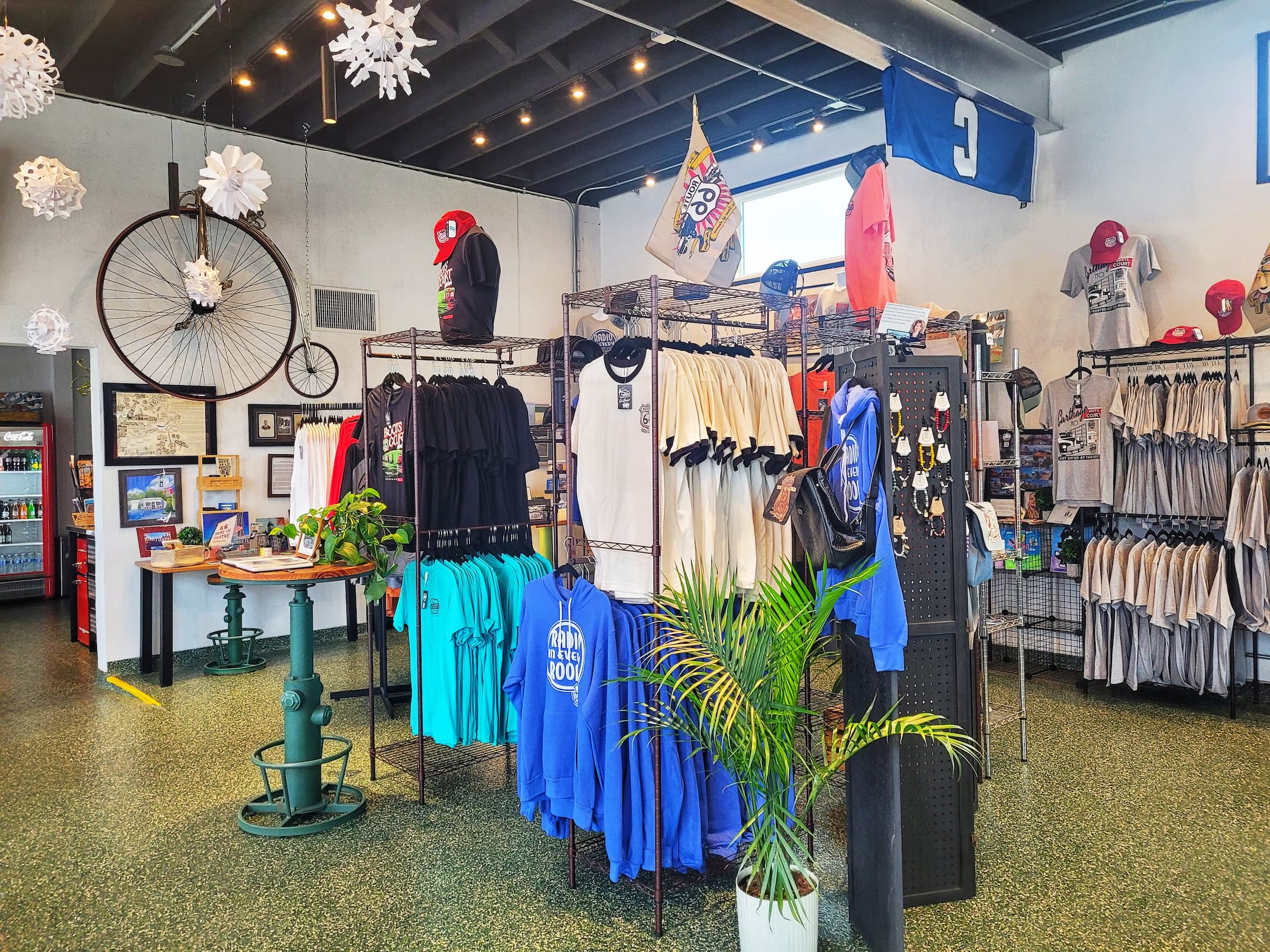
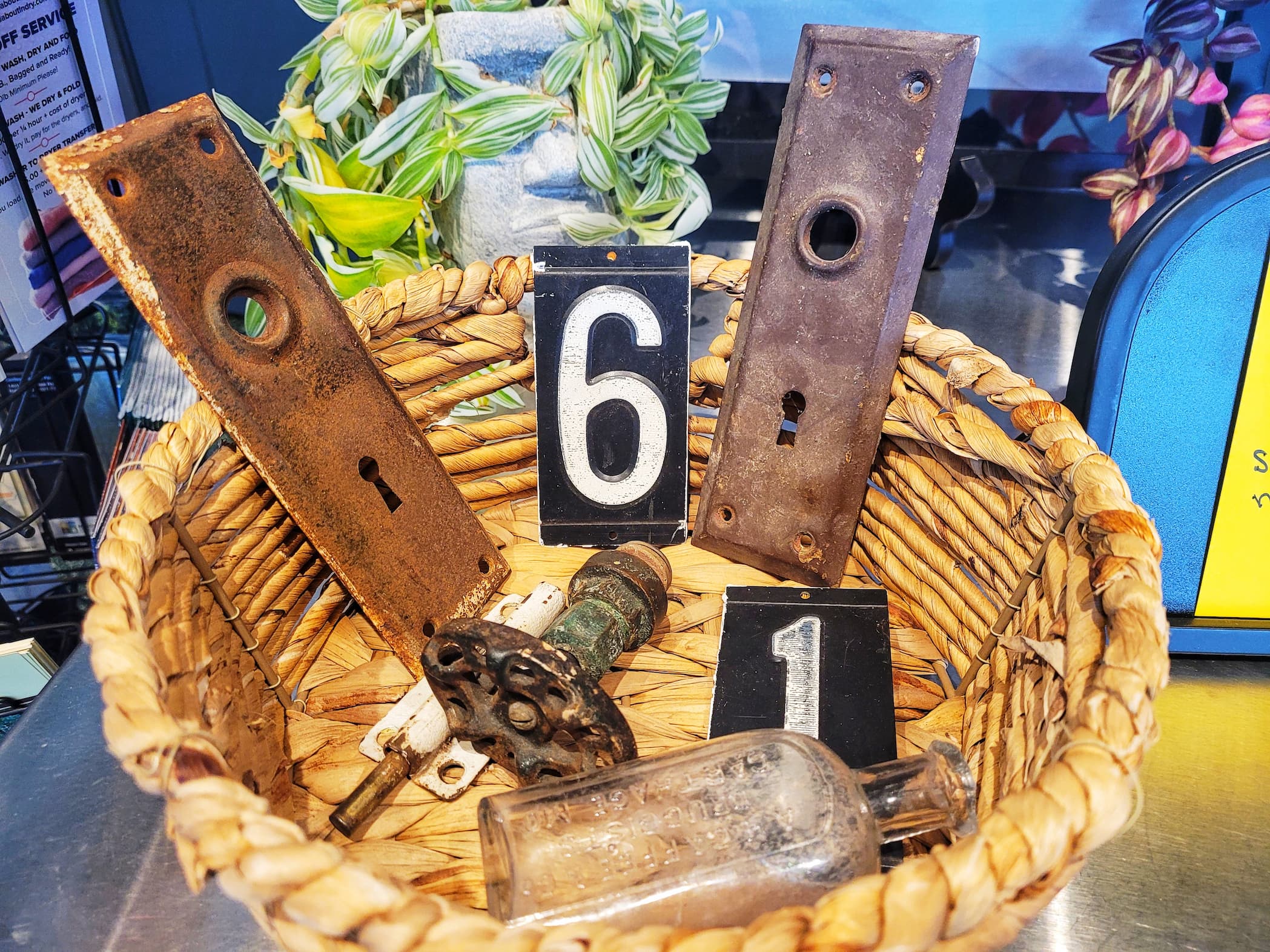
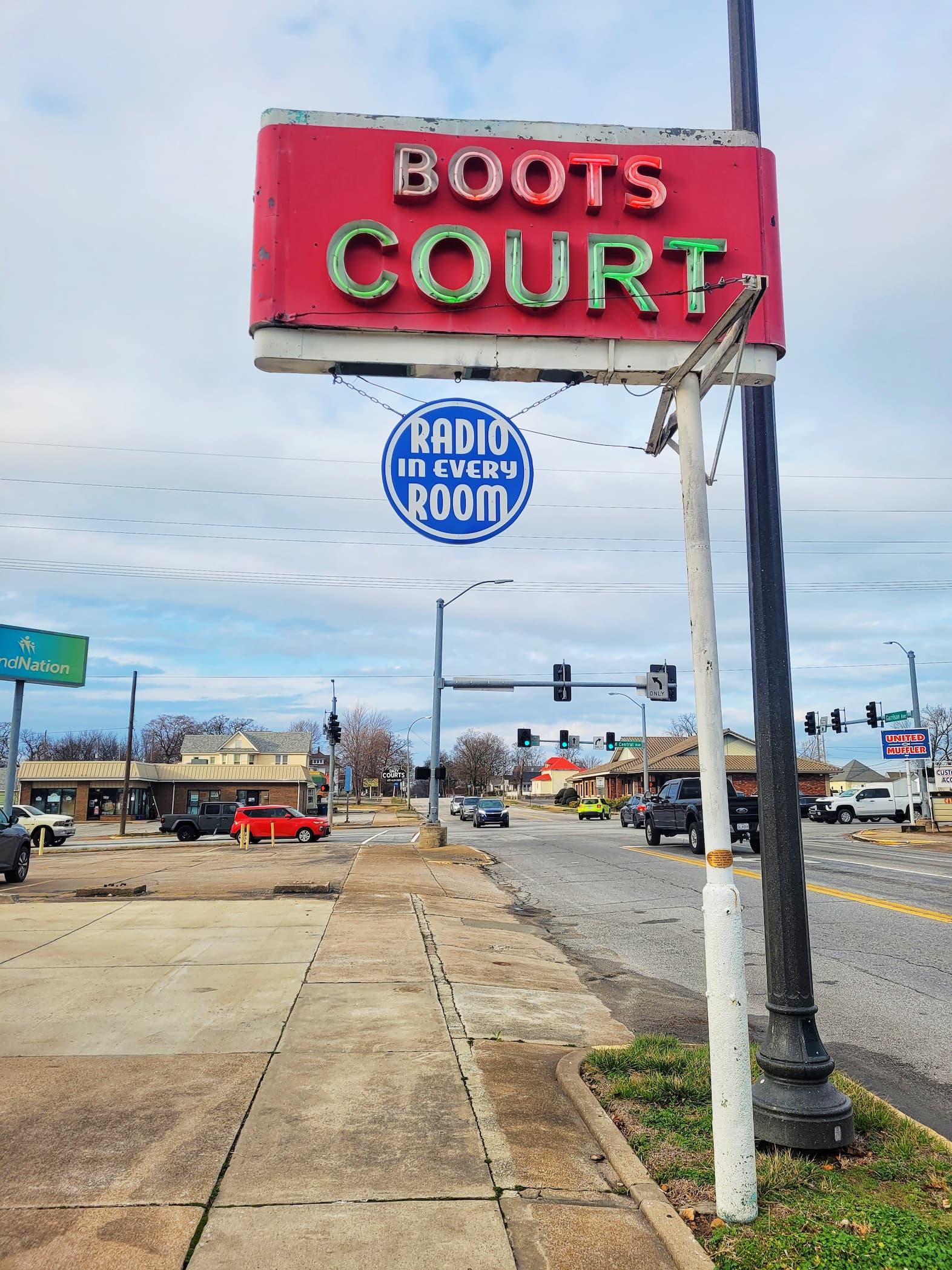
How to Visit Boots Court Motel
Address: 107 S Garrison Ave, Carthage, MO 64836
Website: https://bootscourt66.com/
Visitor Center Hours: April-October Mon-Sun 10am-8pm, November-March Mon-Sun 10am-6pm
Red Oak II
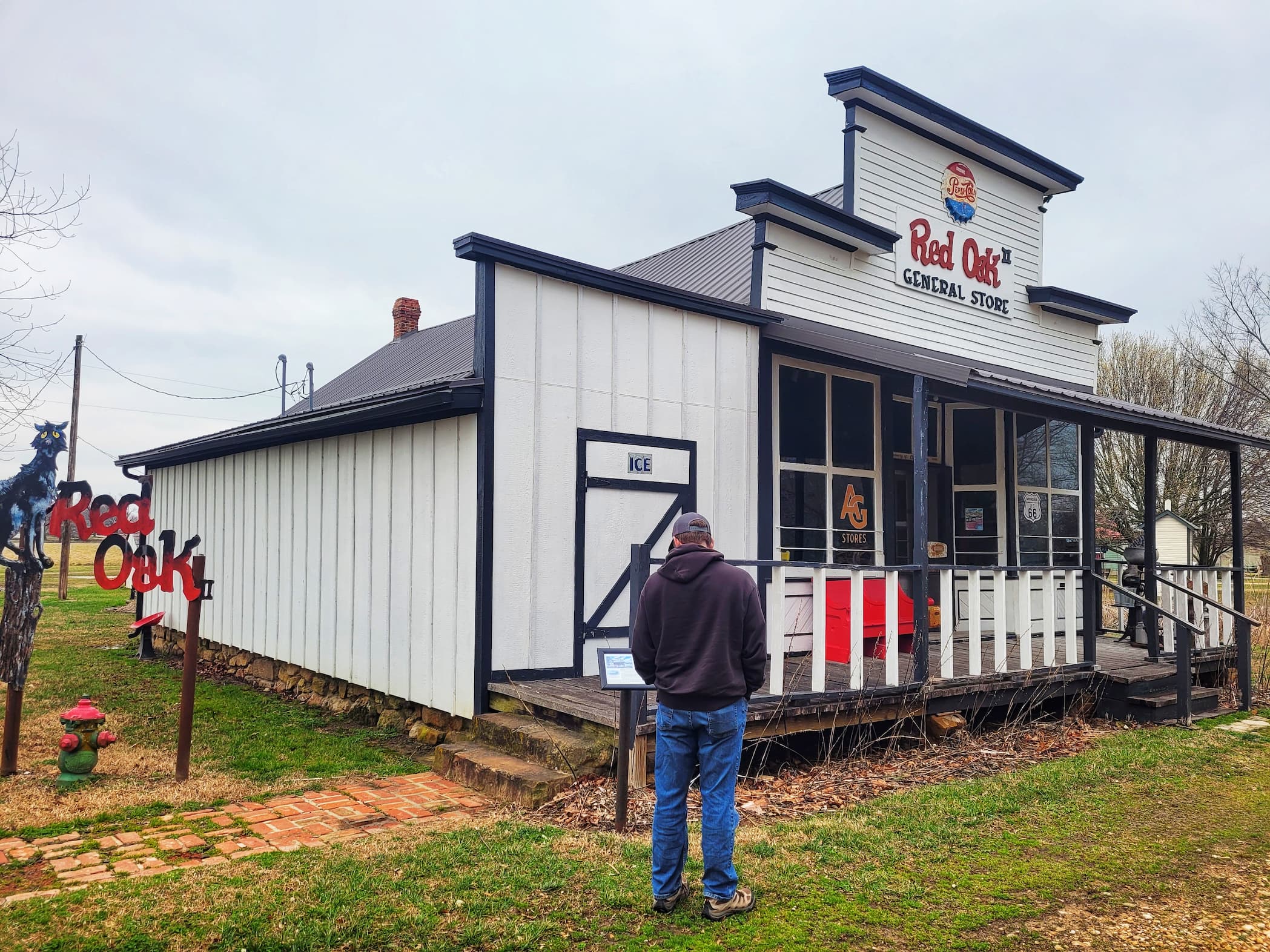
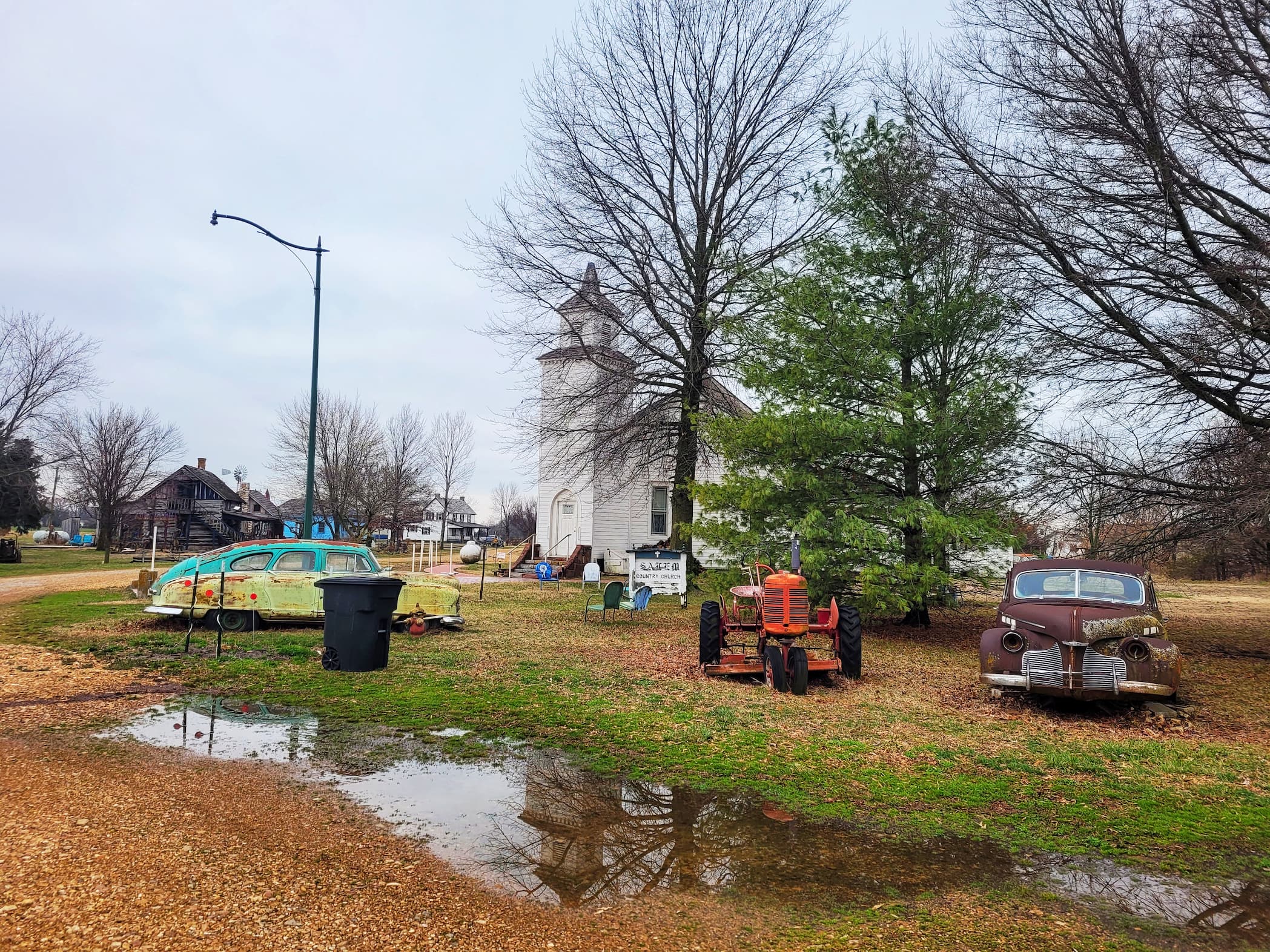
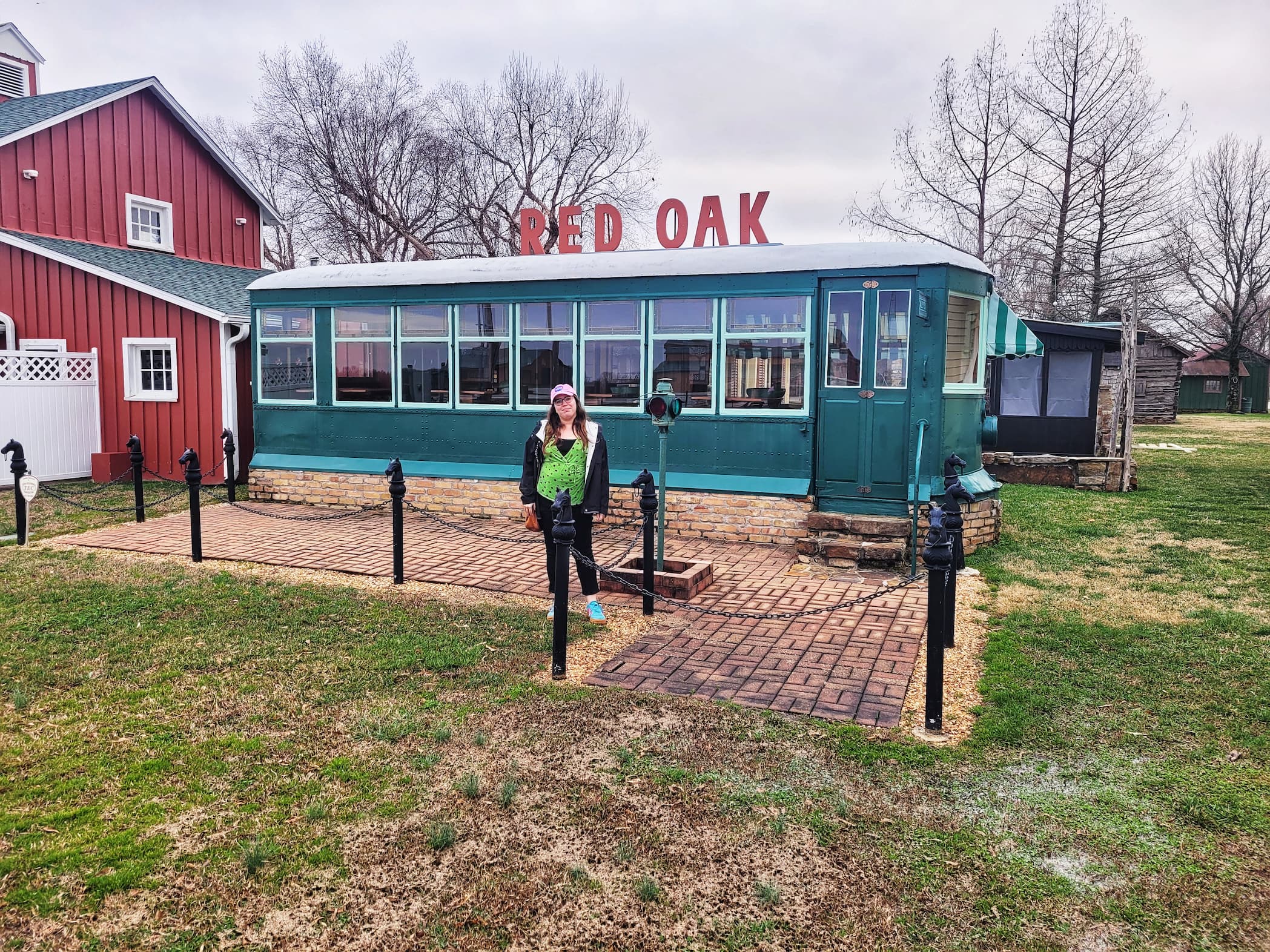
Our final stop of the day was one of the most unusual places we visited all week: Red Oak II. It’s hard to describe Red Oak II without seeing it, because it’s part outdoor art installation, part preserved town, and part living community. The project was created by artist Lowell Davis, who grew up in the small Missouri town of Red Oak. When he returned years later and found the town essentially abandoned, he began purchasing historic buildings and moving them to his family’s land near Carthage to recreate the spirit of the original town.
Over time, additional buildings from other nearby communities, including several from Carthage, were added to the site. Today the structures are privately owned homes and studios, but visitors are still welcome to wander through the quiet streets and admire the historic buildings and Davis’s whimsical artwork. The church in the center of the “town” still hosts music nights on Fridays and services on Sundays. Davis passed away in 2020, but the residents who now live in Red Oak II continue to keep his unique vision alive.
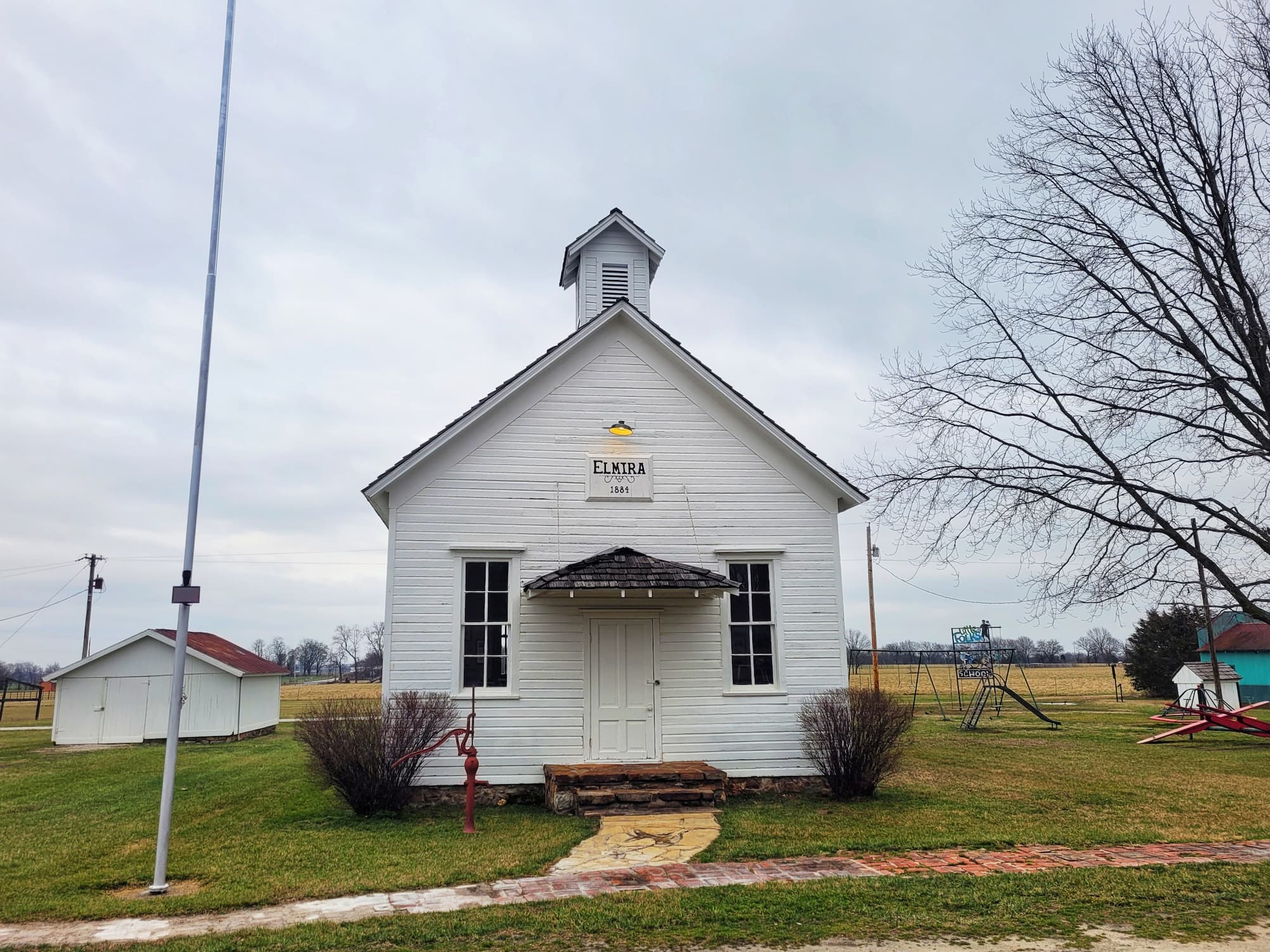
How to Visit Red Oak II
Address: 10917 County Loop 122, Carthage, MO 64836
Website: https://redoakiimissouri.com/
Thursday: Miami, Oklahoma (& more)
Thursday we headed to the last state in our tri-state loop: Oklahoma. Our plan for the day was to explore a few towns along the northeastern stretch of U.S. Route 66, including Miami, Commerce, and the former mining town of Picher.
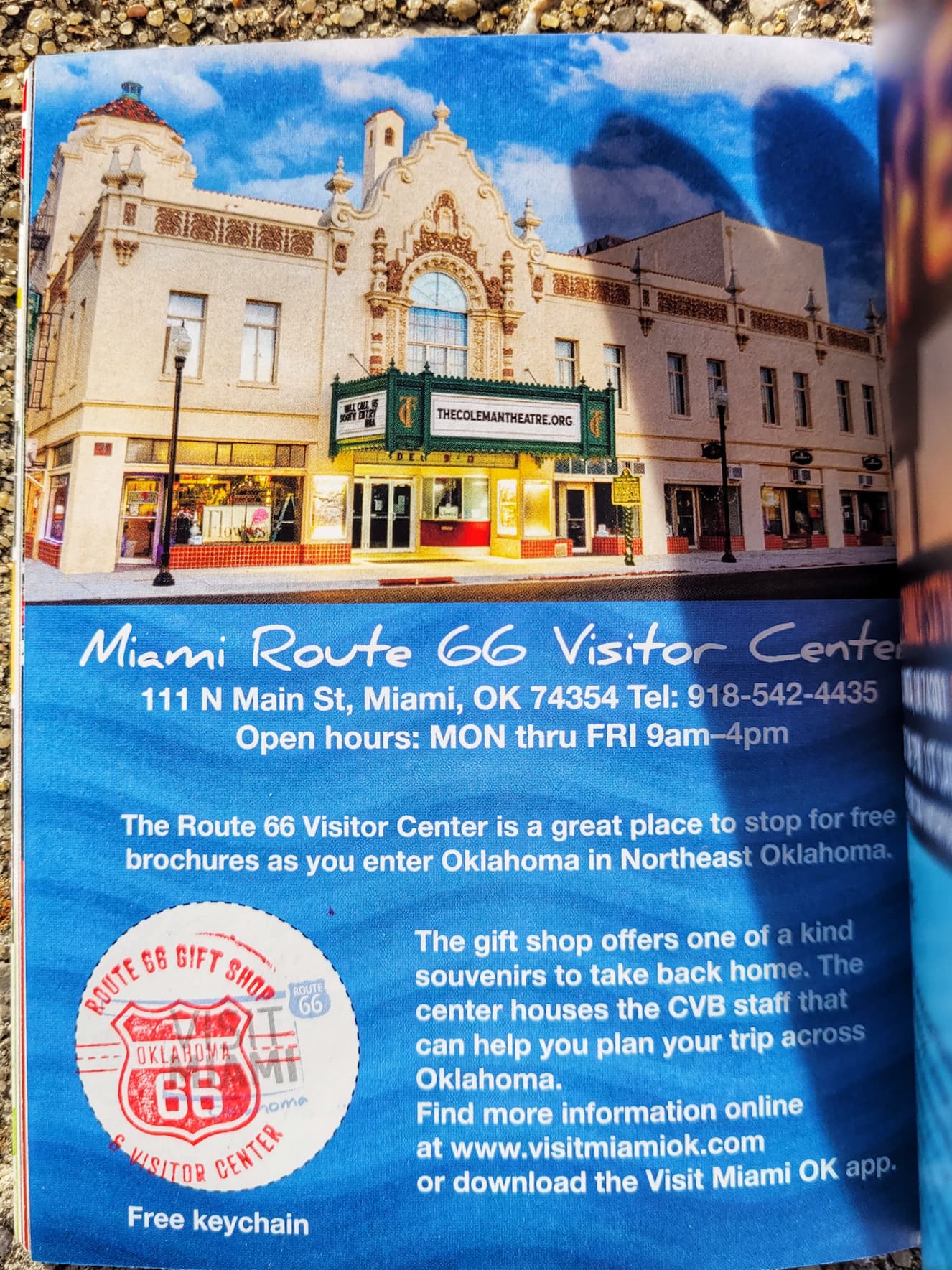
Miami Convention and Visitors Bureau
Our first stop was the Miami Convention and Visitors Bureau so I could add another stamp to my Route 66 passport. Oklahoma actually has the longest stretch of Route 66 of any state, with roughly 400 miles of the highway crossing it. Miami also boasts the longest continuous Main Street anywhere along the entire route, and it’s the first major stop travelers reach after leaving the short Kansas section behind.
The town itself dates back to the early 1900s. It was founded by Wayland Lykins, the son of a missionary to the Peoria Tribe of Indians of Oklahoma, who came to the area to raise cattle. Lykins eventually traveled to Washington, D.C., to seek congressional approval to establish a town here. After the chief of the Miami Tribe of Oklahoma spoke before the U.S. Indian Commission in support of the proposal, the township patent was approved. By 1902 the community had grown quickly, with around 2,500 residents.

Like many of the towns we visited earlier in the week, Miami was part of the massive tri-state lead and zinc mining region that stretched across northeast Oklahoma, southeast Kansas, and southwest Missouri. After mining declined, the local economy shifted toward manufacturing with companies like BFGoodrich and Blue Manufacturing Company operating in the area. Today Miami is also home to a plant operated by Newell Coach- something we RVers found pretty exciting since those million-dollar motorhomes are not something we usually see up close.
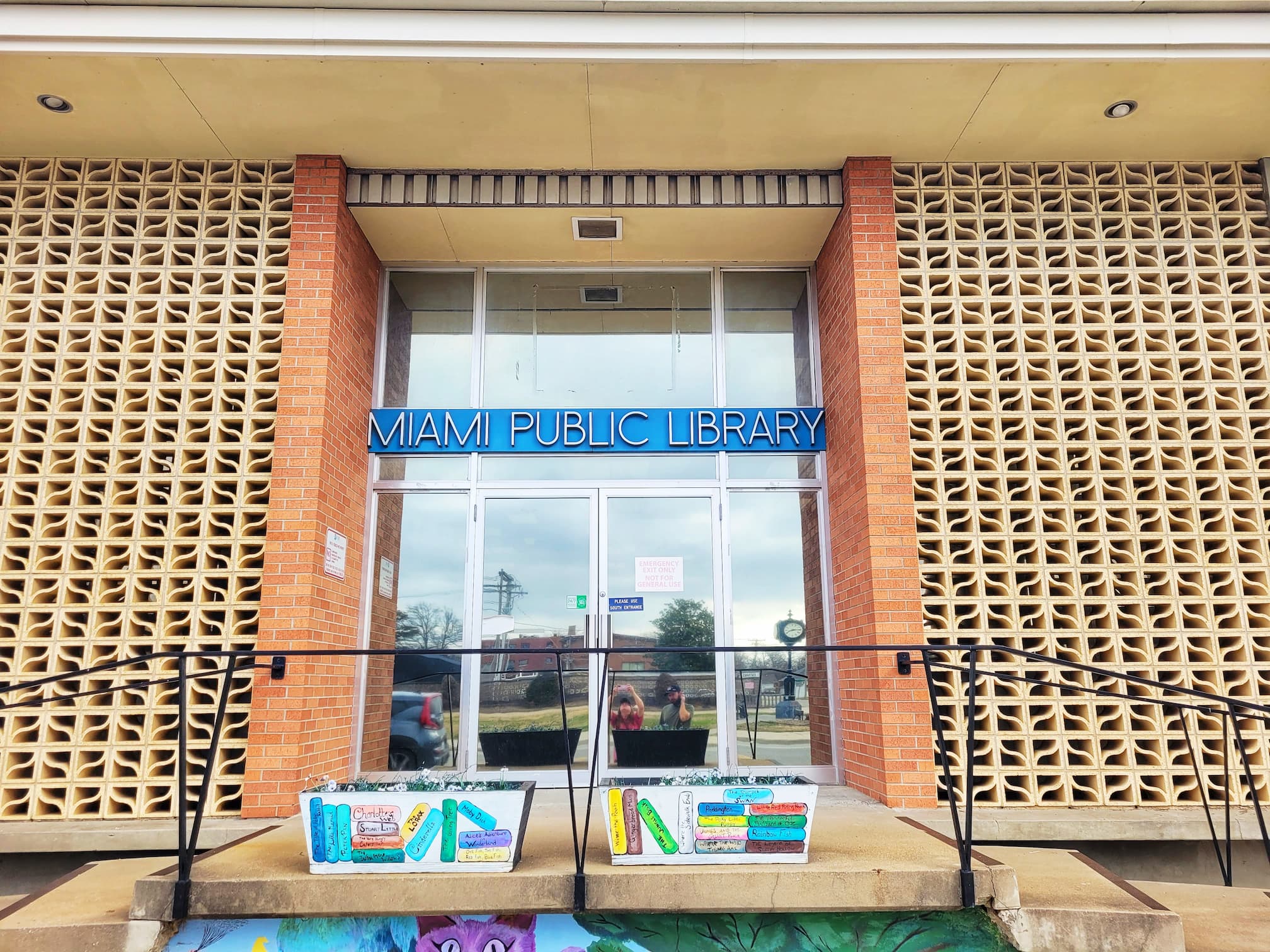
How to Visit the Miami Convention and Visitors Bureau
Address: 111 N Main St, Miami, OK 74354
Website: https://www.visitmiamiok.com/
Hours: Mon-Fri 9am-4pm
Coleman Theatre
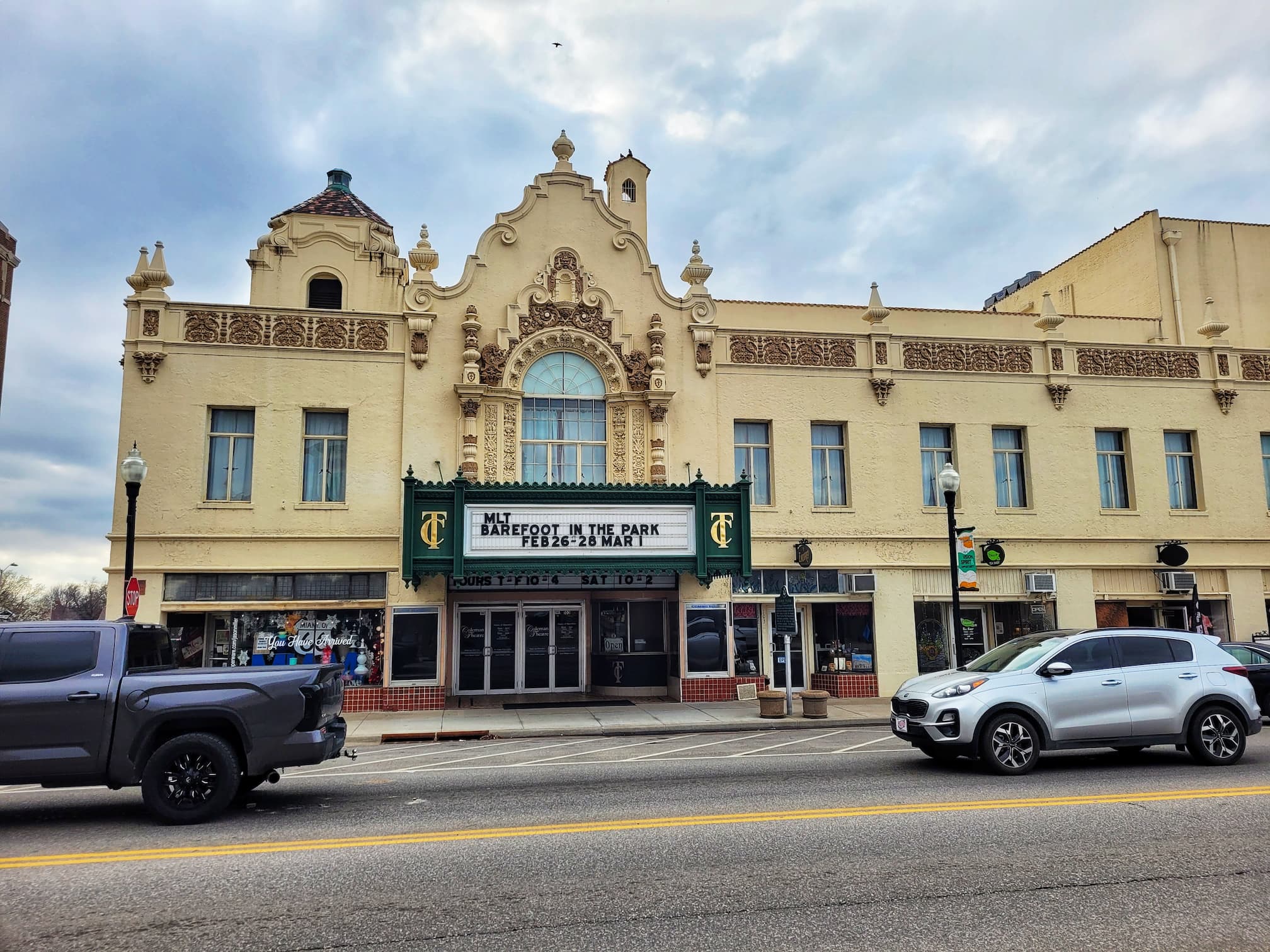
Right next to the visitor center sits one of Miami’s architectural highlights, the beautiful Coleman Theatre. The visitor center staff told us there were still a few minutes before the theater closed for the day, so we walked over hoping to take a quick look. As it turned out, a local high school was rehearsing inside, so they couldn’t let visitors into the auditorium. The docent was incredibly kind though and gave us a quick peek into the lobby and toward the theater doors. Even that short glimpse made it clear why the theater is considered the jewel of Miami. The building opened in 1929 with a Spanish Mission Revival exterior and an ornate Louis XV–style interior, and it has since been fully restored. It’s definitely on our list for a future stop when we have time for a full tour.
How to Visit the Coleman Theatre
Address: 103 N Main St, Miami, OK 74354
Website: https://thecolemantheatre.org/
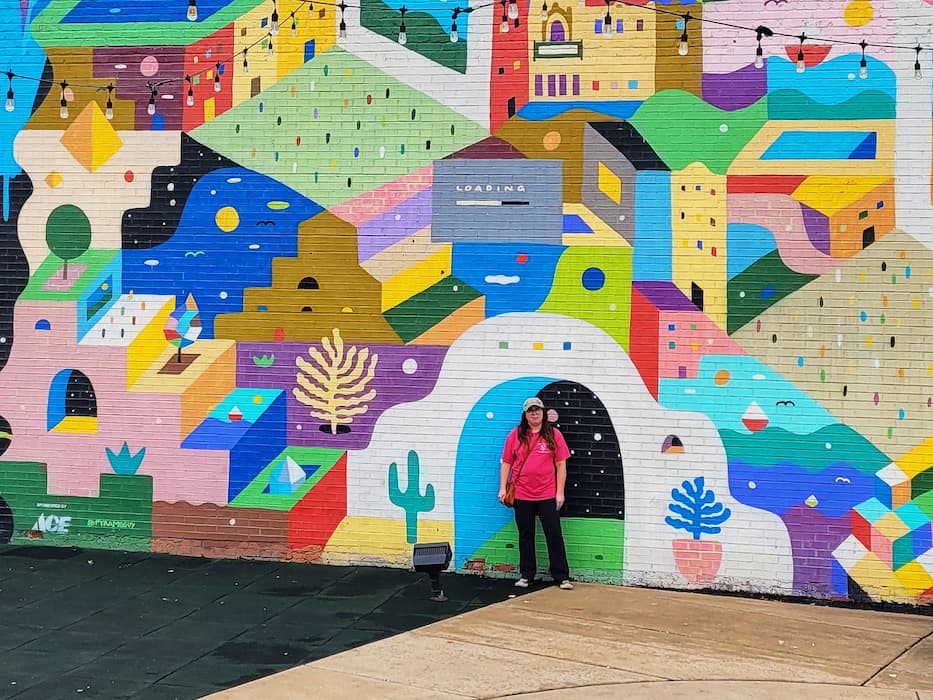
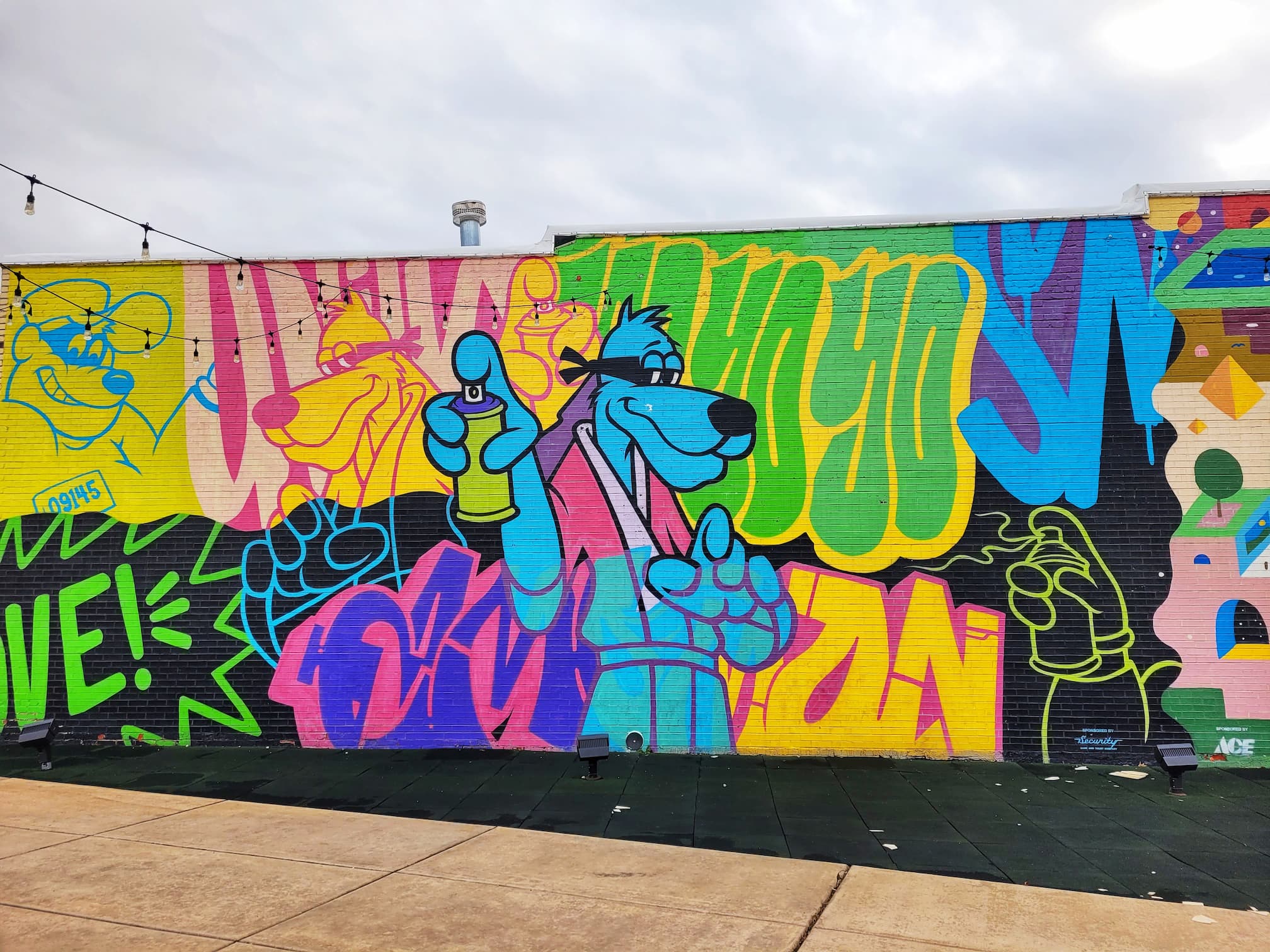
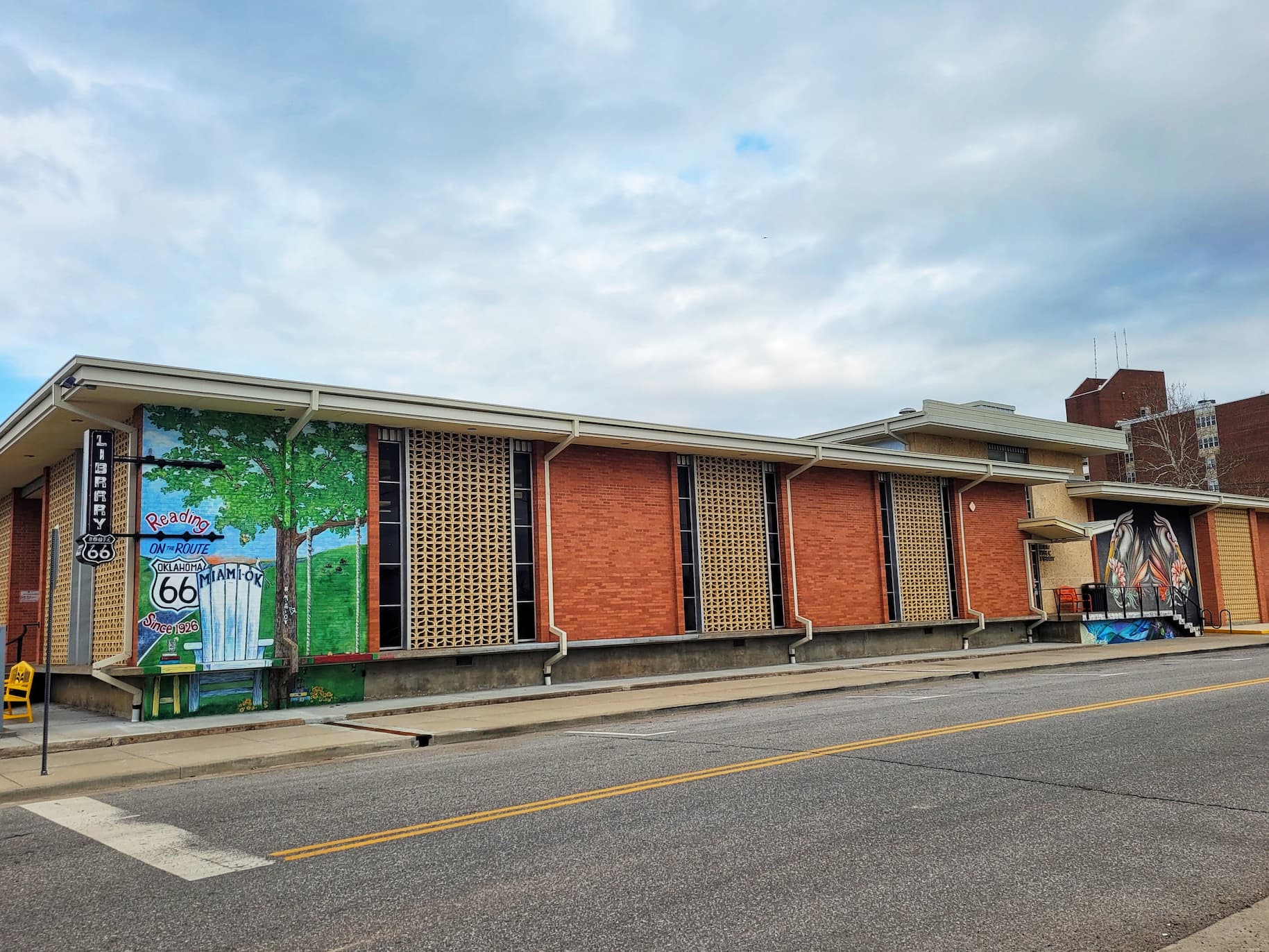
After that we wandered around downtown Miami for a bit, taking photos of murals and historic buildings. The city has really leaned into public art, and murals pop up all over downtown. It’s a fun way to bring color and life to historic districts, and it made the whole area feel vibrant and welcoming.
Route 66 Ribbon Road
Just outside town we stopped to experience one of the most unusual surviving pieces of early Route 66: Miami’s famous “Ribbon Road.” This stretch preserves the last remaining section of the original nine-foot-wide pavement that once carried the highway. The road actually predates Route 66, having been built in the early 1920s. According to local legend, the state’s road budget was so tight that instead of paving half the planned mileage, they paved the full length but only half the normal width. The result was a narrow concrete strip running through the countryside, just wide enough for a single lane of traffic. Driving along it today was such a tangible way to connect with what early highway travel must have been like.
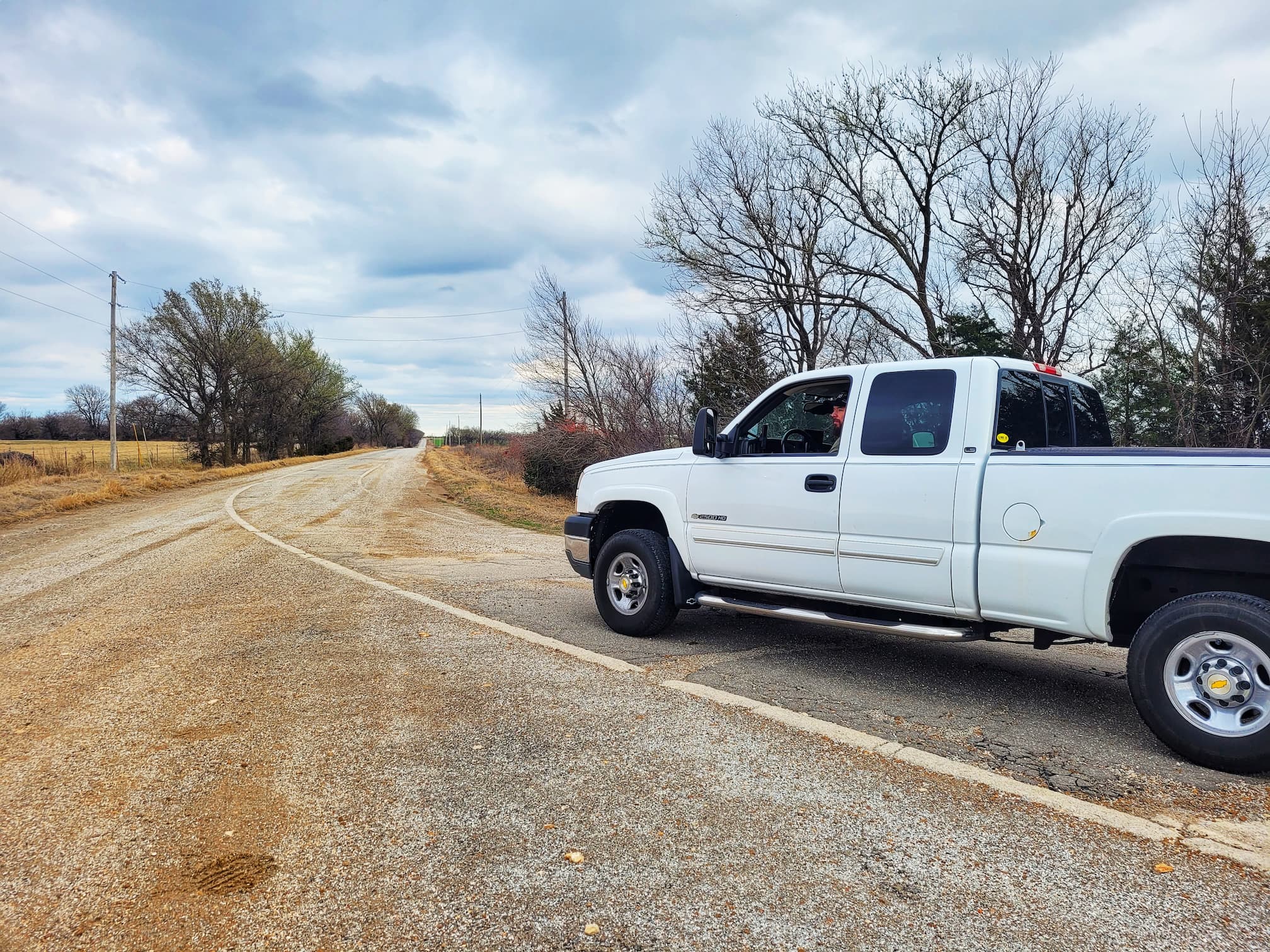
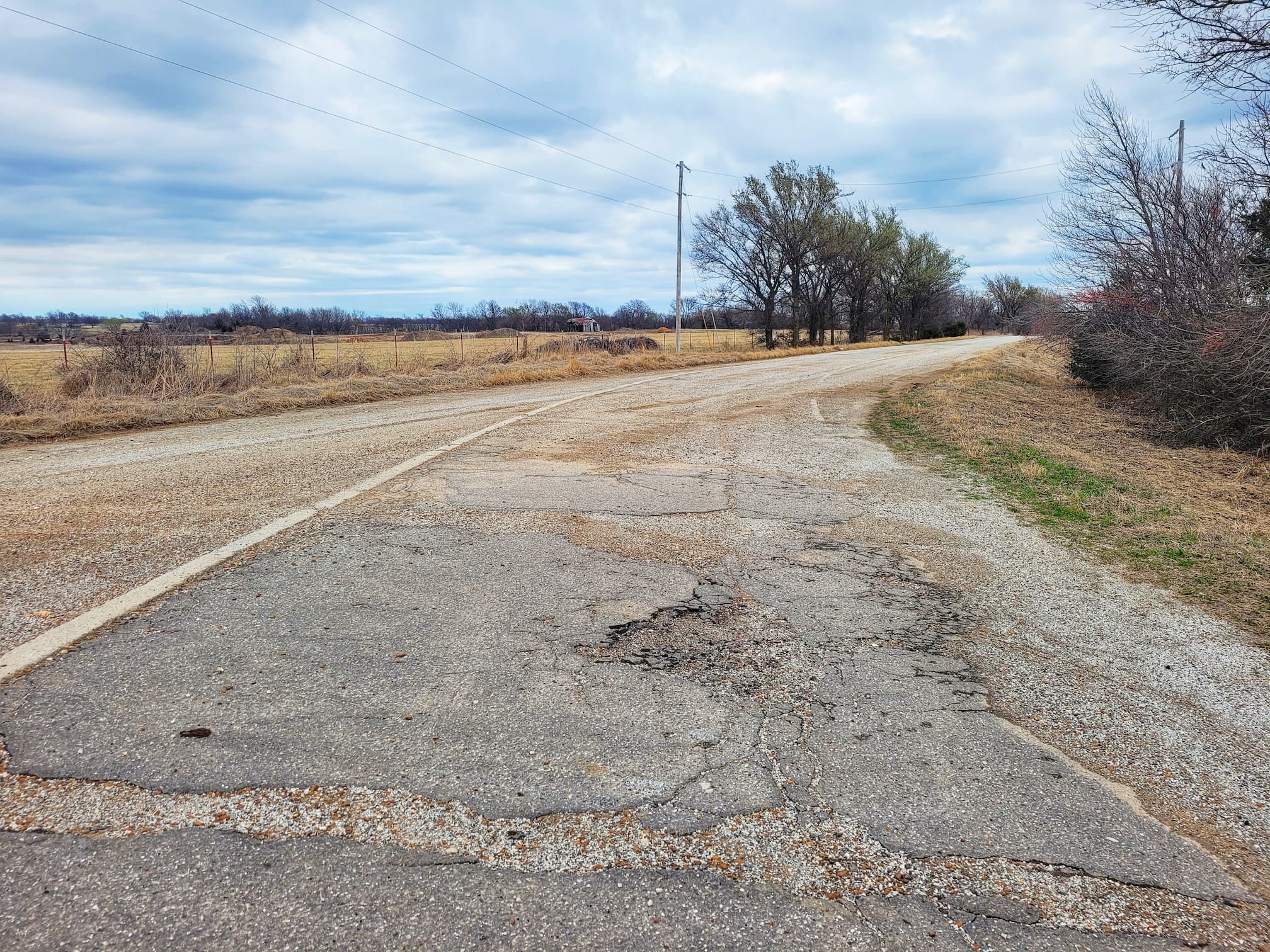
How to Visit the Route 66 Ribbon Road
Address: On Google Maps as “Miami Original Nine-Foot Section of Route 66 Roadbed,” S 540 Rd, Miami, OK 74354
Waylan’s Ku-Ku
Back in town we made a quick photo stop at Waylan’s Ku-Ku, which has one of the best neon signs on this stretch of the route. The quirky building dates to 1965 and is the last surviving location from a chain that once had more than 200 restaurants.
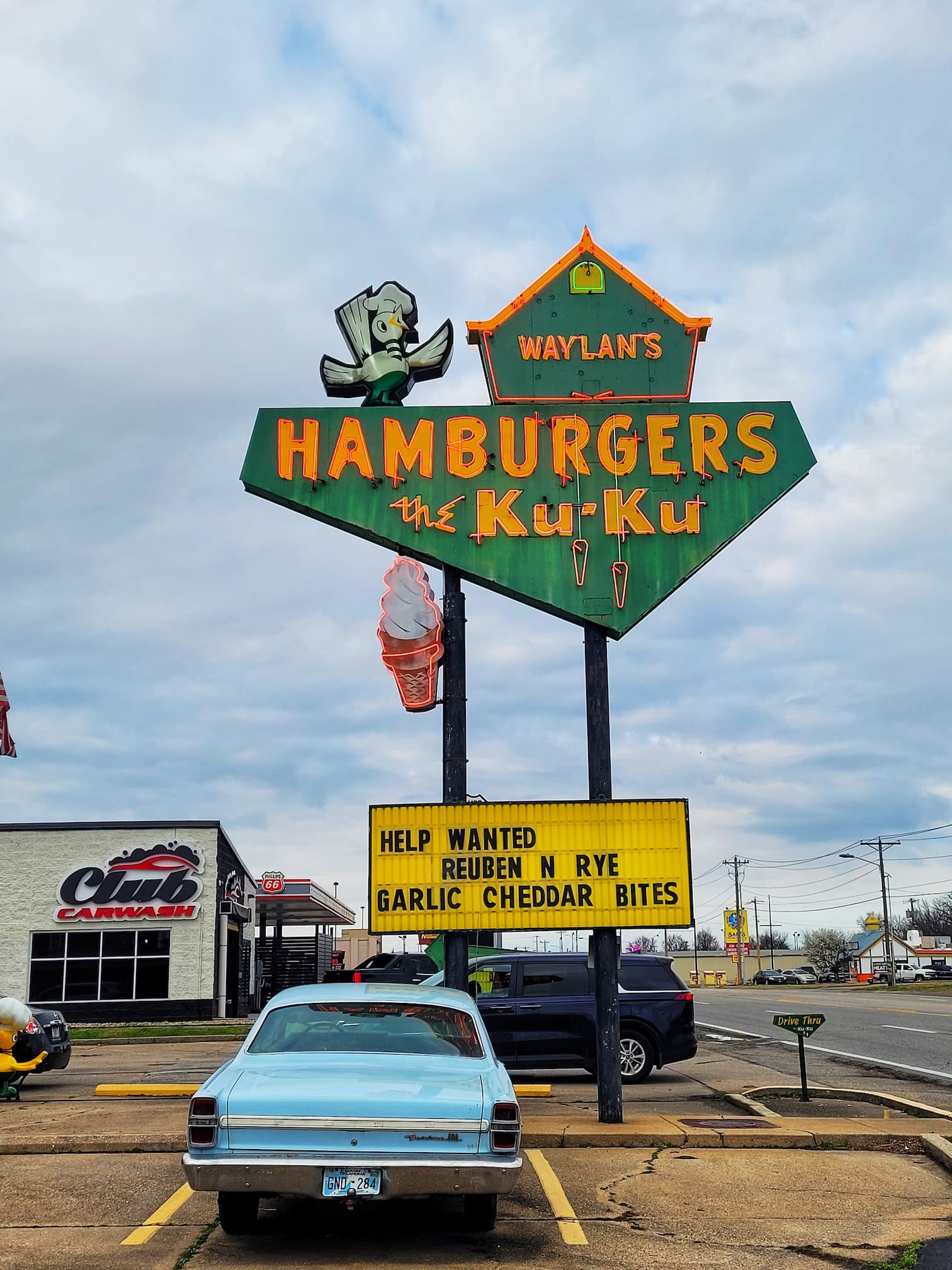
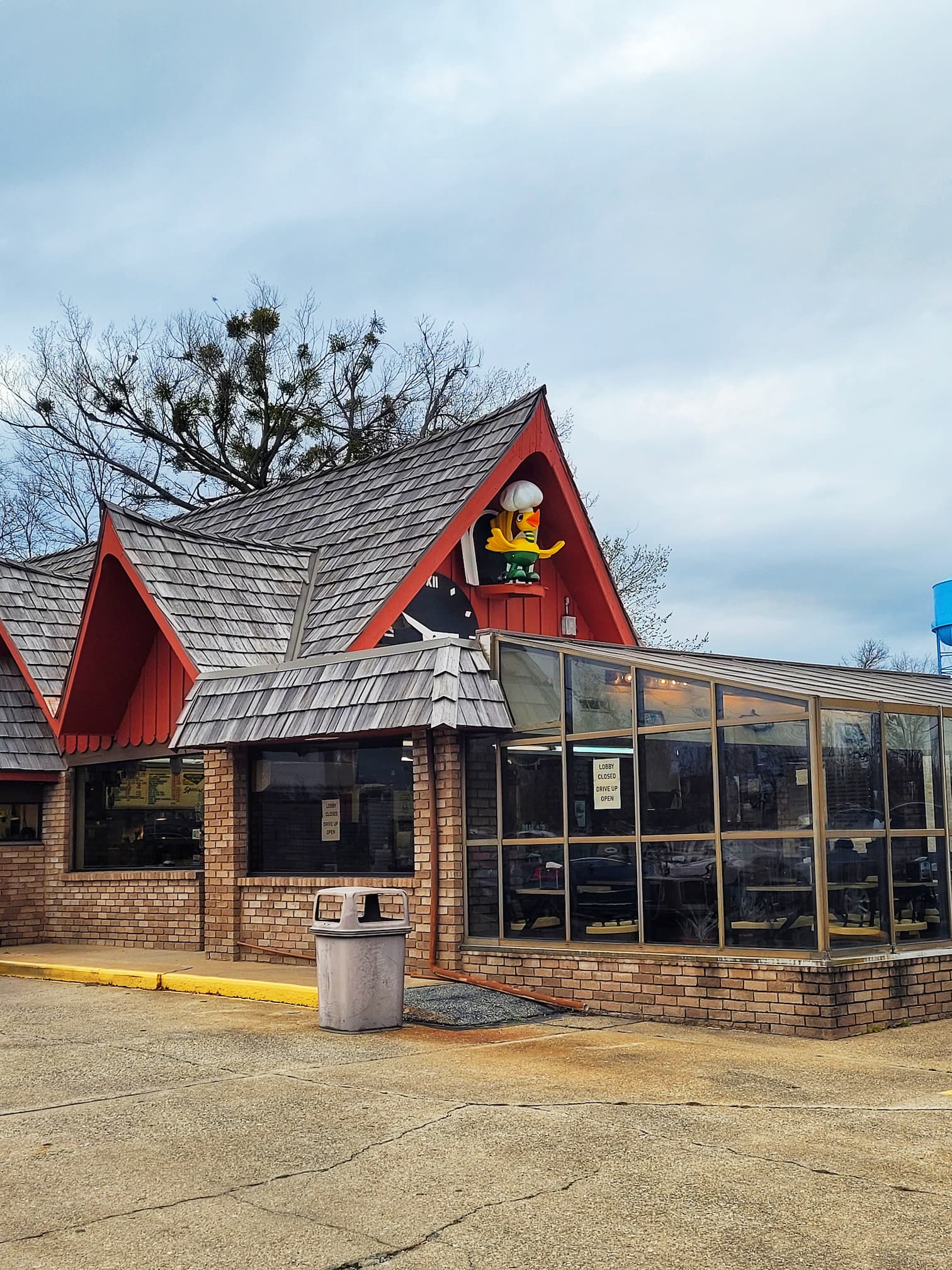
How to Visit Waylan’s Ku-Ku
Address: 915 N Main St, Miami, OK 74354
Website: https://www.facebook.com/pages/Waylans-Hamburgers-the-Ku-Ku/144640298912751
Mickey Mantle Memorial Statue
From there we headed into nearby Commerce, best known as the hometown of baseball legend Mickey Mantle. Our first stop was the statue honoring Mantle, nicknamed the “Commerce Comet.” Mantle moved to Commerce when he was three years old and graduated from Commerce High School in 1949 before beginning his career with the New York Yankees.
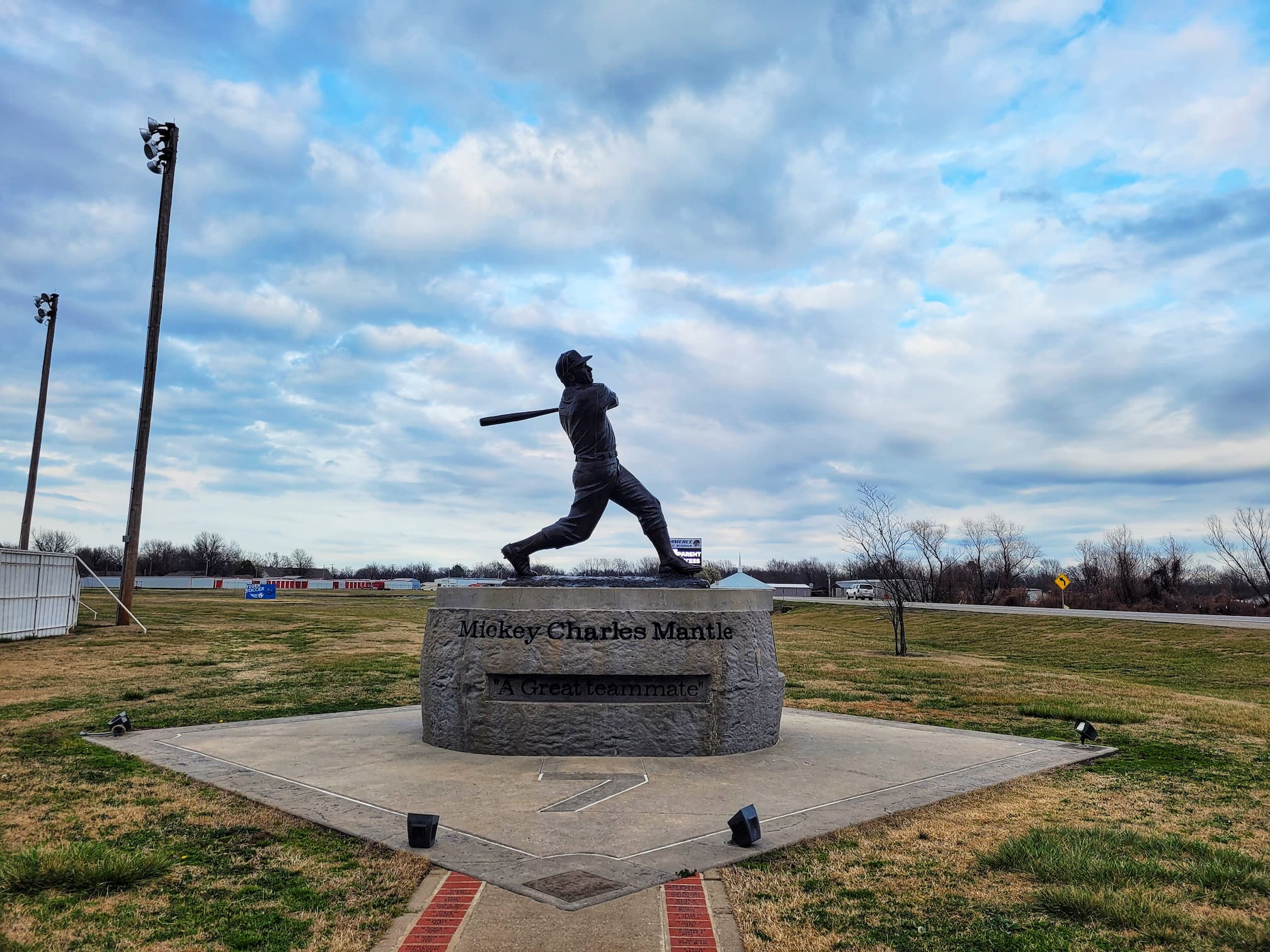
How to Visit the Mickey Mantle Memorial Statue
Address: Mickey Mantle Field, 400 S Mickey Mantle Blvd, Commerce, OK 74339
Dairy King
Just before closing time we made it to Dairy King to grab milkshakes. The little stand started life as a gas station before eventually adding soft-serve ice cream. The current owners, a mother and son who have run the place for more than forty years, were incredibly welcoming and happily shared stories and historic photos from the business. The stand itself has been operating in some form for over a century. Stops like this are what make a Route 66 trip so special: a little bit of history, friendly conversation, and a good milkshake.
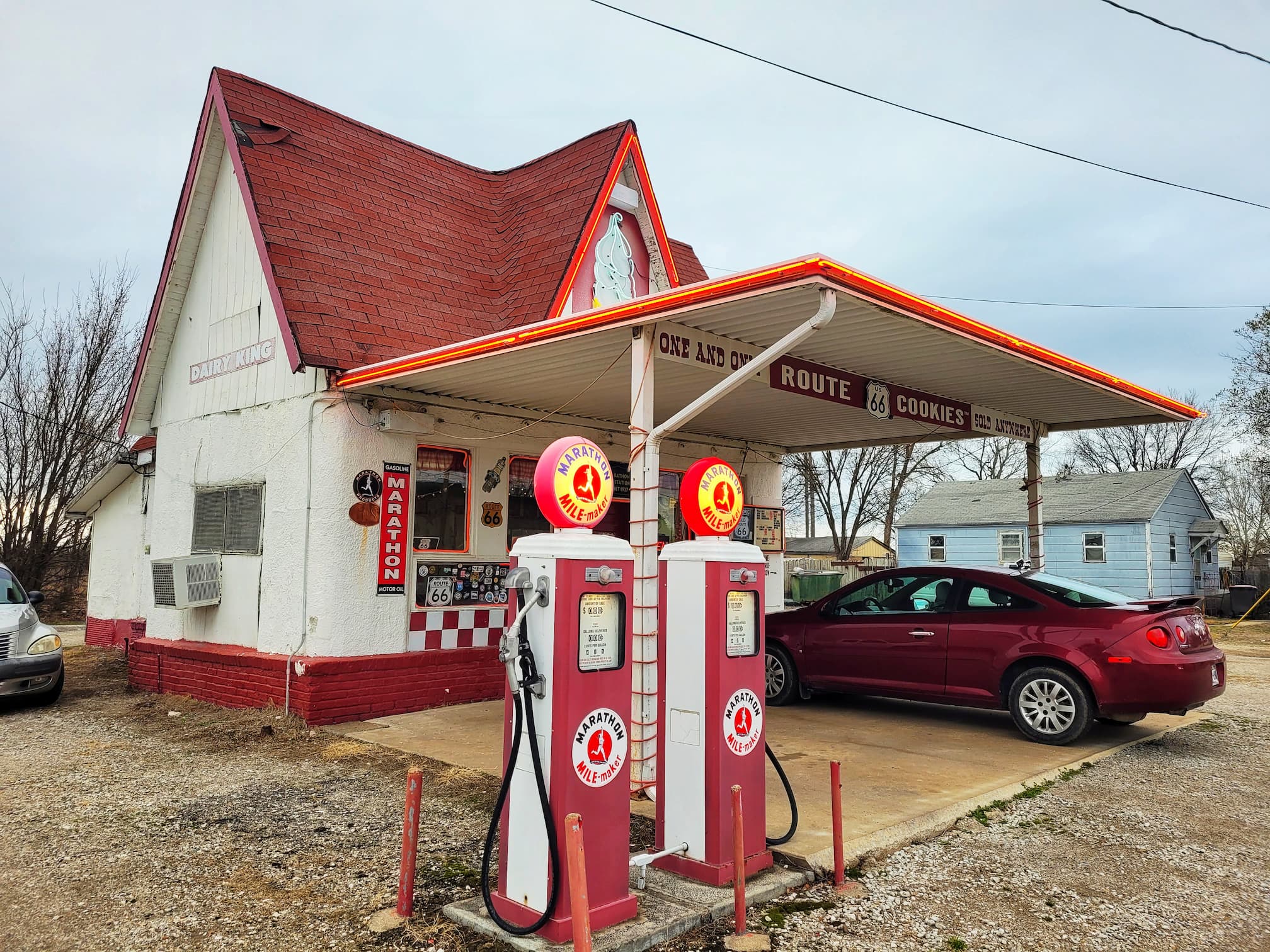
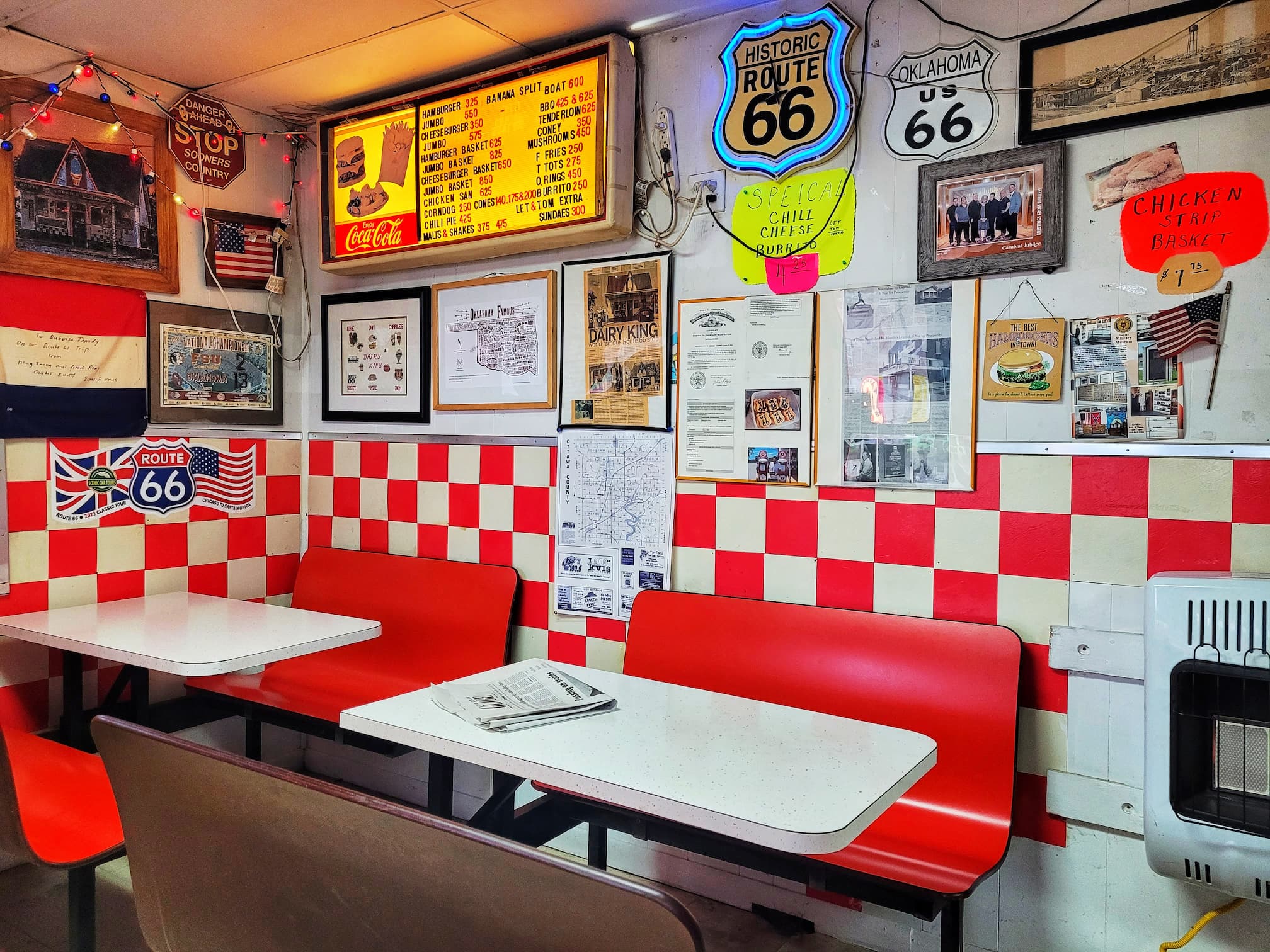
How to Eat at Dairy King
Address: 100 N Main St, Commerce, OK 74339
Hours: Tues-Fri 10am-5pm, Sat 11am-3pm
Mickey Mantle’s Childhood Home
After finishing our shakes we drove a couple blocks over to see the childhood home of Mickey Mantle. It’s a privately owned house today, but there’s a marker out front and it’s clearly a common stop for Route 66 travelers.
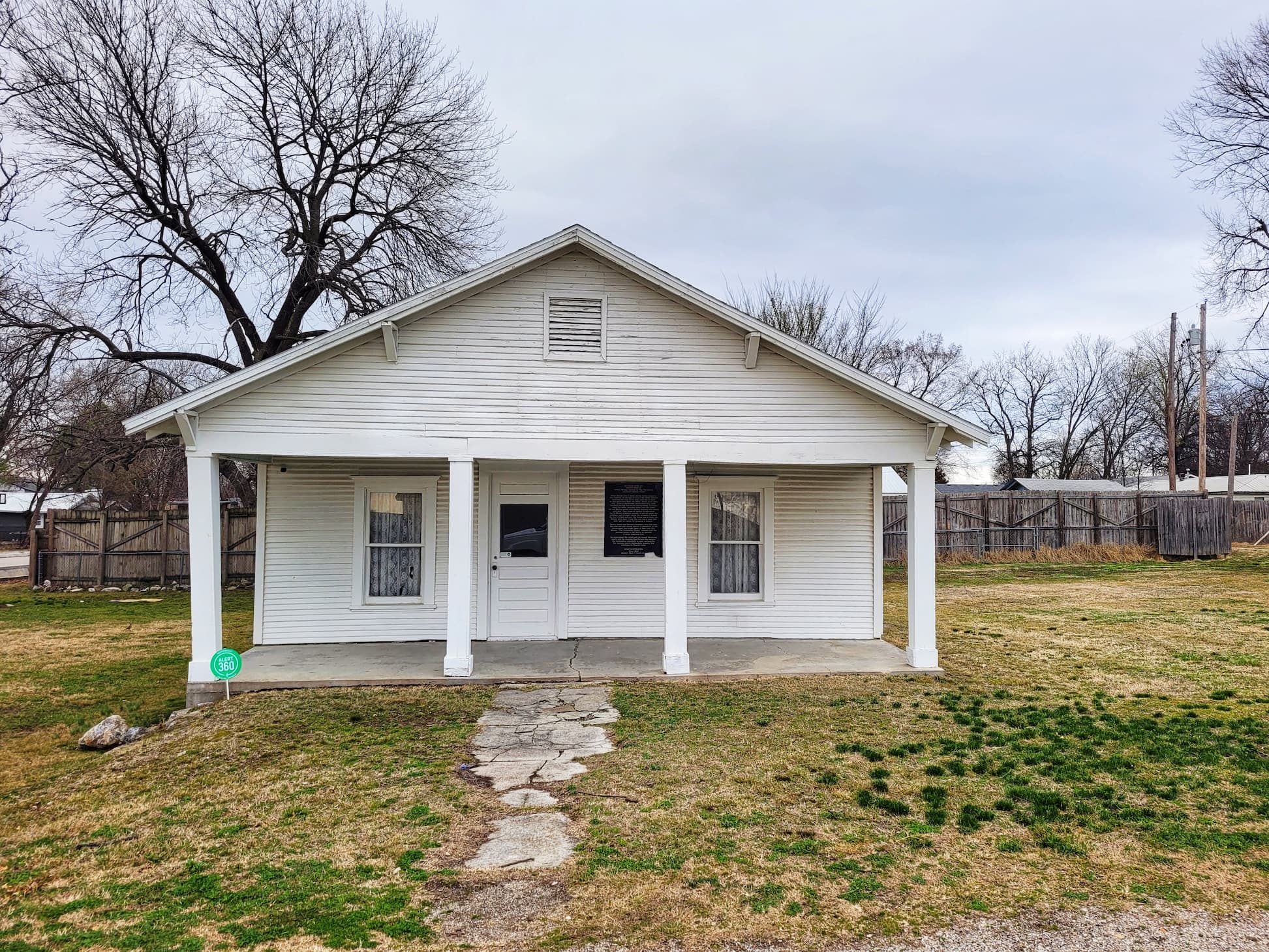
How to See Mickey Mantle’s Childhood Home
Address: 319 S Quincy St, Commerce, OK 74339
Ghost Town of Picher
Our final destination of the day was the most sobering place we visited all week: the former mining town of Picher. Calling it a town now feels strange, because it technically doesn’t exist anymore.
Picher and the nearby community of Cardin once sat at the center of the tri-state lead and zinc mining boom. The minerals were discovered here in 1913, and mining began almost overnight. The town was named after the Picher Lead Company and was officially incorporated in 1918 with a population of nearly 10,000. At the height of production more than 14,000 miners worked in the surrounding mines, and during both World Wars roughly 75% of the bullets and bomb shells used by American troops were made from metal mined here. In 1927 alone there were 248 processing mills operating in Picher. Mining eventually declined, and the last operations closed in 1967.
All of that mining left behind enormous piles of waste rock known as “chat.” These chat piles formed literal mountains around the town. For years residents treated them almost like parks- families picnicked on them, kids slid down their slopes, and high school teams even trained on them. Tourists visiting the area often climbed the piles to look out over the landscape.
But the chat piles were also highly toxic.
After the mines closed, the underground shafts began filling with contaminated water. In 1983 the Picher area was designated a Superfund site by the United States Environmental Protection Agency, and at one point it was considered the most contaminated Superfund site in the country. In the early 2000s the federal government began a voluntary buyout program to relocate residents, but it eventually became a mandatory evacuation of the entire community. The pollution wasn’t the only risk, decades of underground mining had left the ground unstable, creating the possibility of sudden cave-ins beneath buildings.
Then in 2008 an EF4 tornado struck the area, destroying more than 150 homes and killing six residents. Rather than rebuilding, the disaster accelerated the relocation efforts already underway. In 2009 Picher was officially disincorporated and ceased to exist as a town.
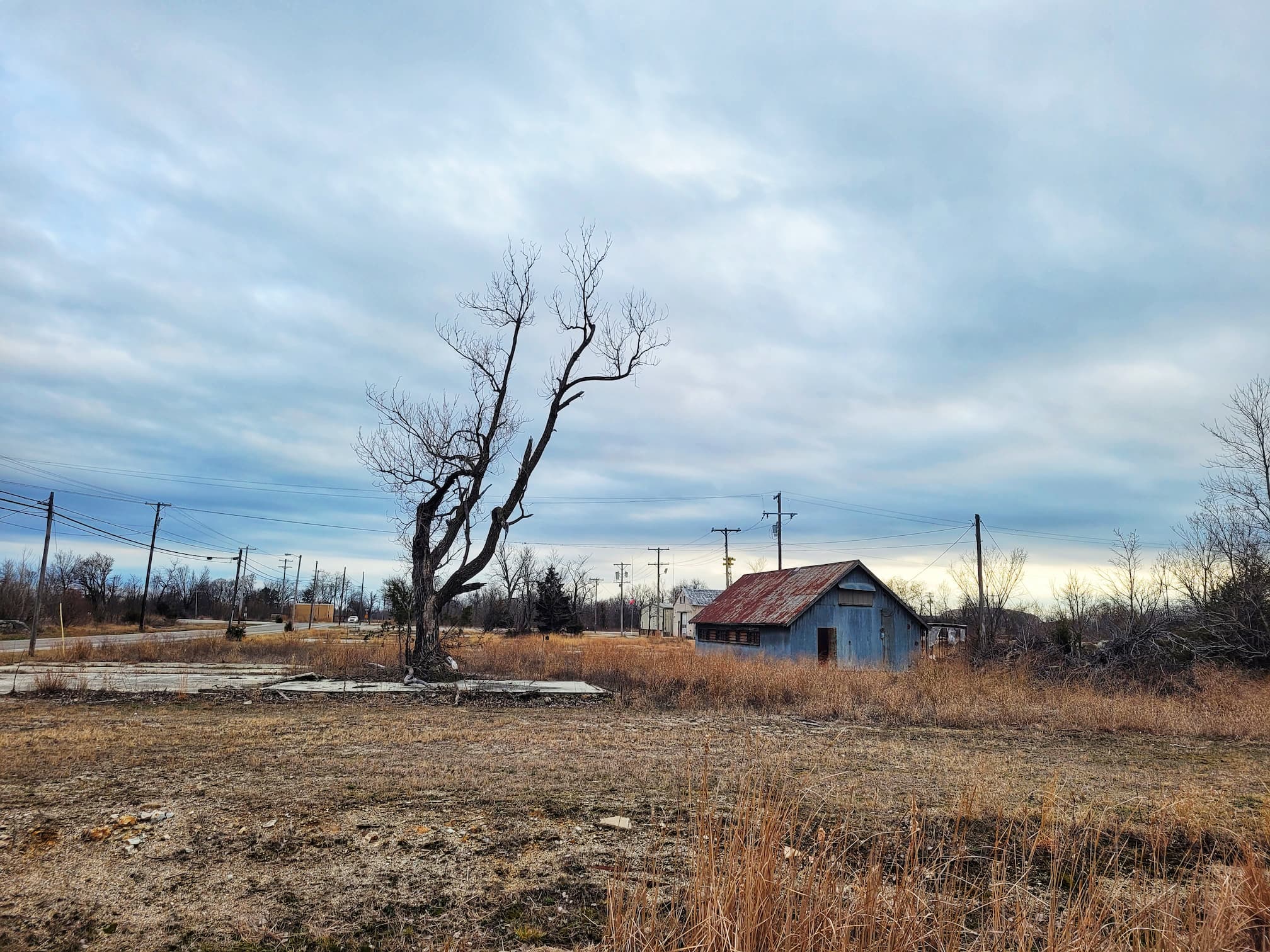
Driving through the area today is incredibly eerie. Some abandoned buildings remain, but much of the landscape is empty foundations, blocked-off streets, and overgrown intersections where neighborhoods once stood. The towering chat piles are still visible in the distance, silent reminders of the industry that built, and ultimately destroyed, the community.
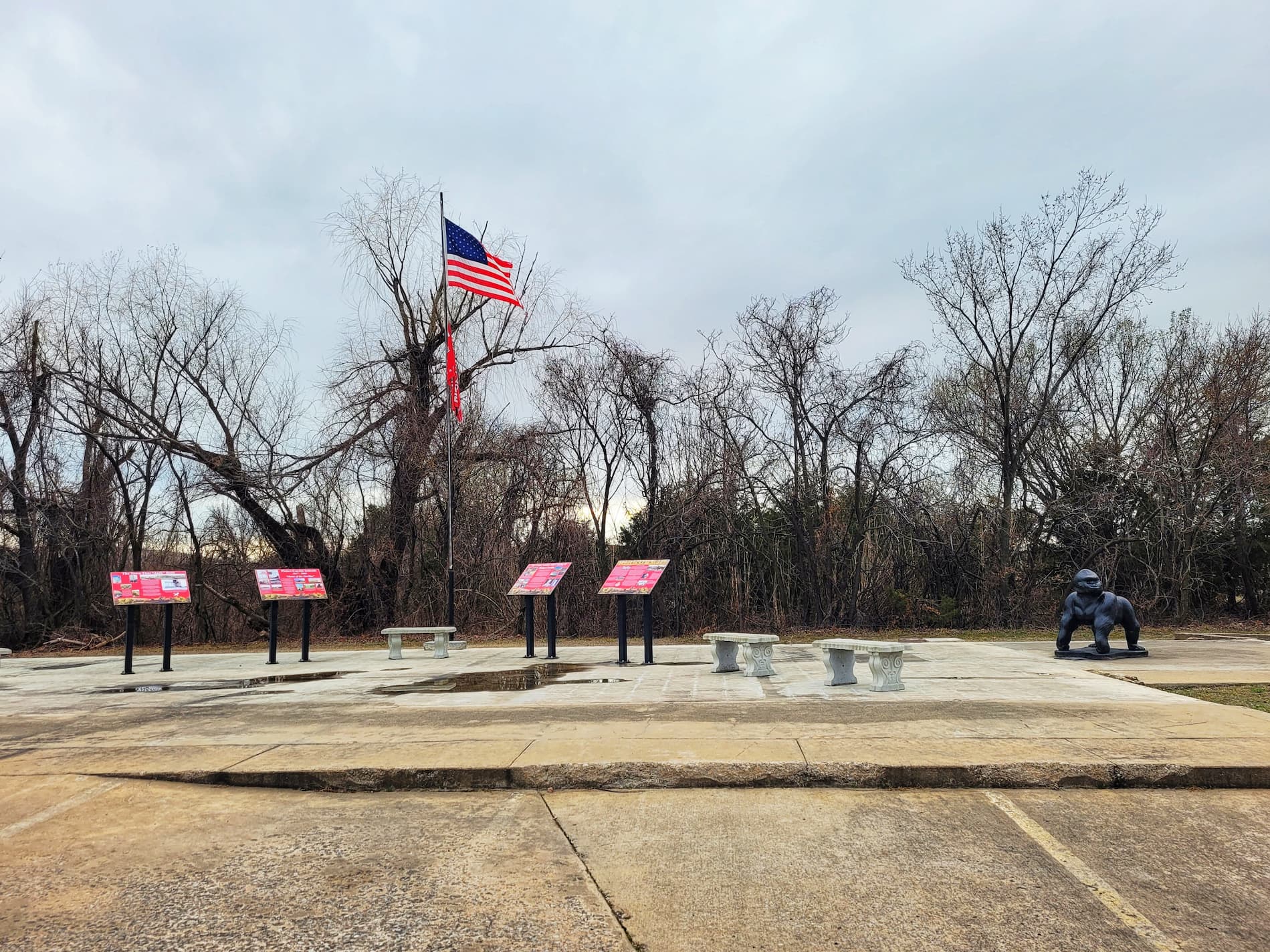
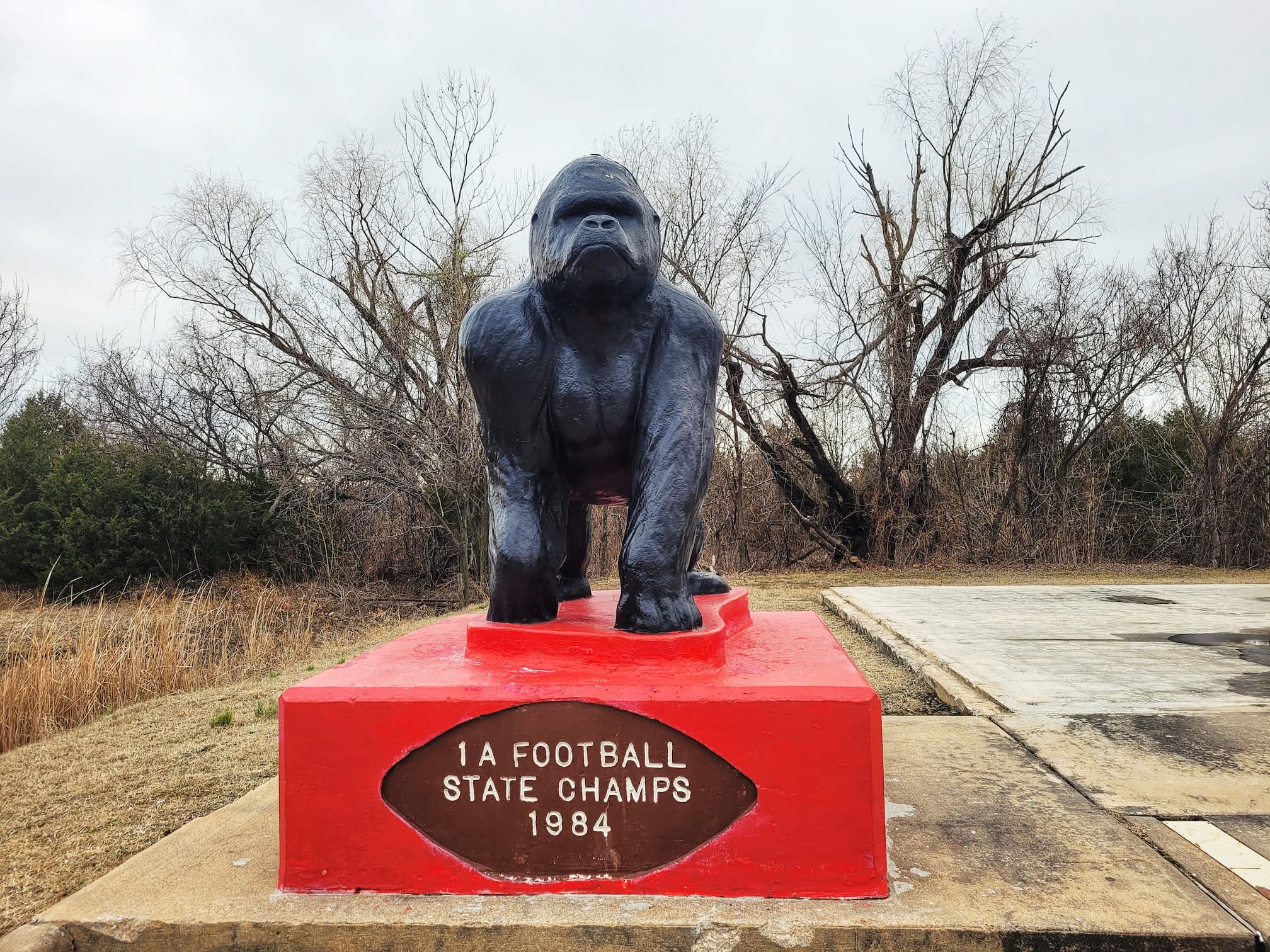
We stopped briefly at the Picher Gorilla statue, salvaged from the town’s high school, whose mascot was the Gorillas. A set of interpretive signs nearby explains the town’s history and what happened here.
How to Visit Picher
Gorilla Statue: On Google Maps at “Picher Gorilla Statue,” N Connell Ave, Picher, OK 74360
Treece Marker
On the way back toward camp we tried to make one last stop in the former mining town of Treece. Like Picher, Treece was abandoned due to the pollution left behind by decades of mining. There’s a historic marker along the roadside commemorating the town, but when we arrived it looked like a car had recently hit it and the sign was damaged. It was a bit of an anticlimactic ending to the day- though thankfully the full text of the marker is on The Historical Marker Database website for anyone curious about the town’s story.
How to Visit the Treece Marker
Coordinates: 36° 59.936′ N, 94° 49.886′ W
Friday: Last Stops in Kansas, and a Stormy Exit
Friday was our final day exploring the Kansas stretch of U.S. Route 66. We had a few things left on our list before leaving the area, and before storms hit.
OK-KS-MO Tri-State Marker
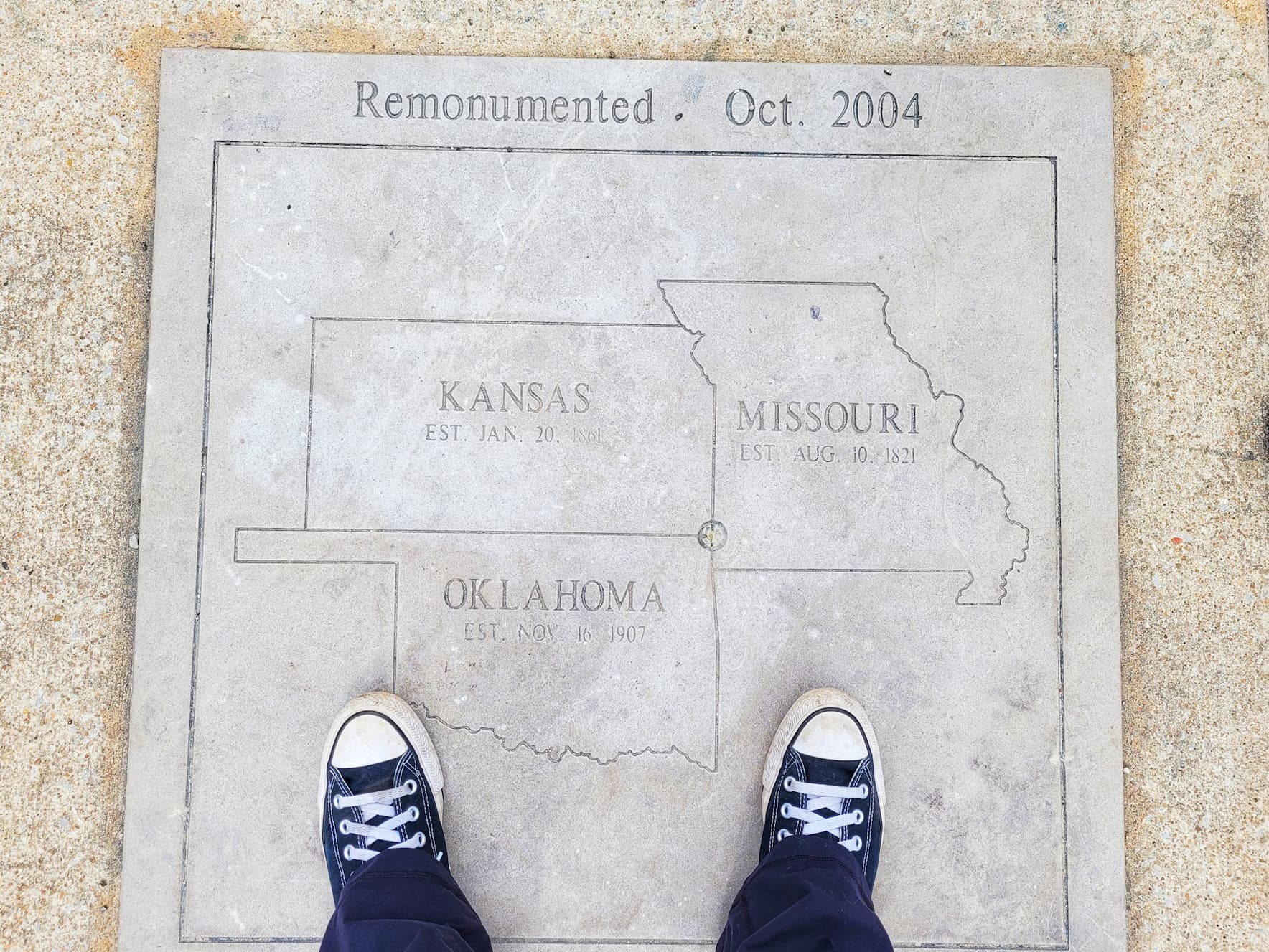
Our first quick stop of the morning was the tri-state marker near Downstream Casino Resort, where Oklahoma, Kansas, and Missouri all meet. It’s a simple marker, but it’s fun to stand in three states at once. While we were there we ran into a storm photographer who had come to the area specifically to be ready for the severe weather forecast that night. Definitely not the most reassuring conversation to have when everyone was already on edge about the weather.
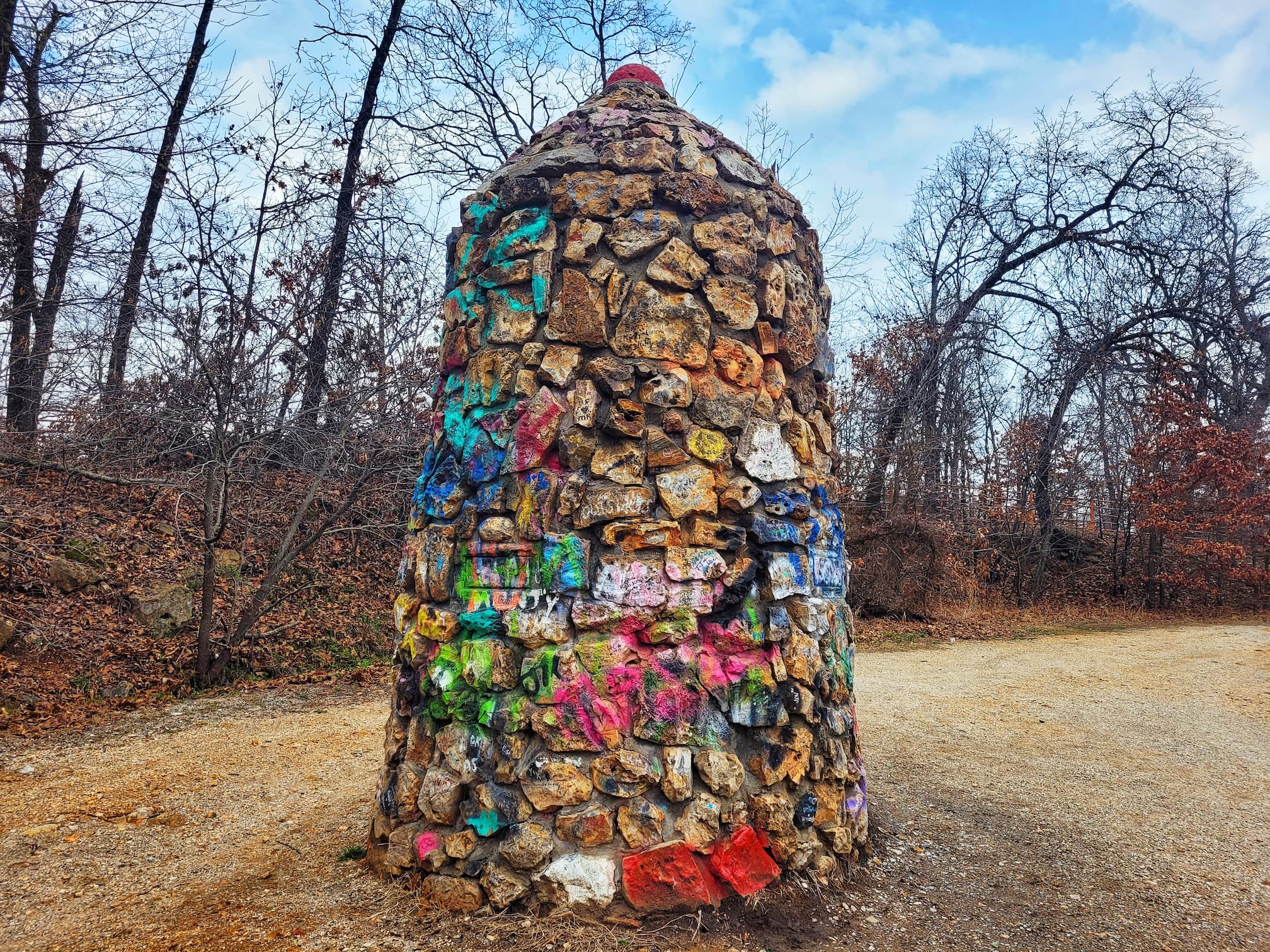
OK-KS-MO Tri-State Marker
Address: 1183 SE 118th St, Joplin, MO 64804
Cars on the Route
From there we headed back into Galena to visit a few places we had missed earlier in the week. First up was Cars on the Route, which had been closed when we first stopped earlier in the week. This time the shop and cafe were open, and the incredibly friendly owner gave us the full story behind the attraction and its connection to the movie Cars.
Before making the film, a crew from Pixar actually traveled the real Route 66 for research and inspiration. One of their stops was Galena, where they saw a restored gas station with a rusty tow truck parked outside known as “Tow Tater.” If that sounds familiar, it’s because that truck became the inspiration for the character Mater. We had rewatched Cars the night before visiting just to get in the spirit, and I had completely forgotten the details of the plot. Watching it again made it surprisingly clear how much the filmmakers captured the real story of Route 66 towns that fell into decline after the interstate bypassed them. Luckily, the movie has also helped spark renewed interest in the historic highway and brought new visitors back to places like Galena.
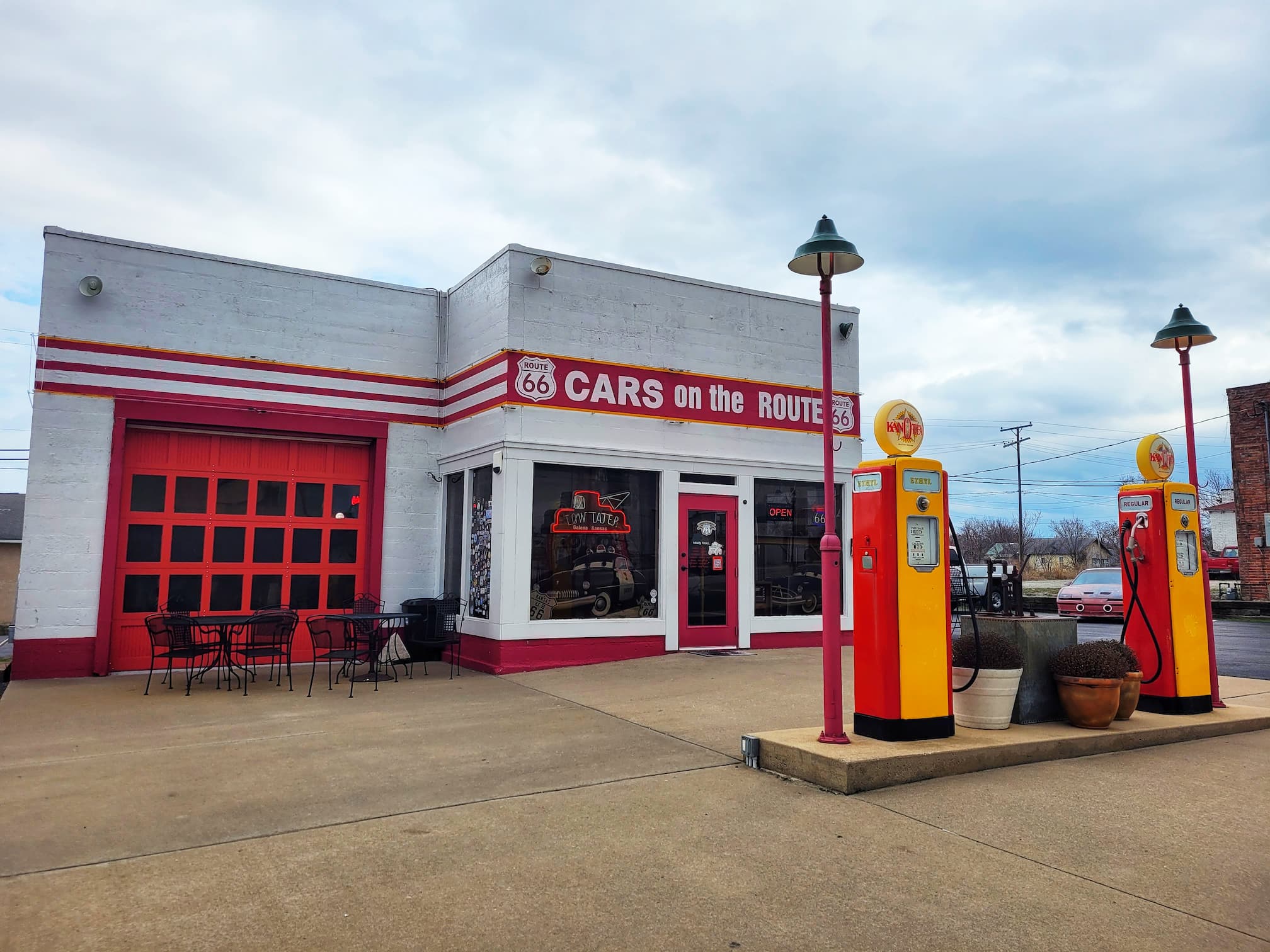
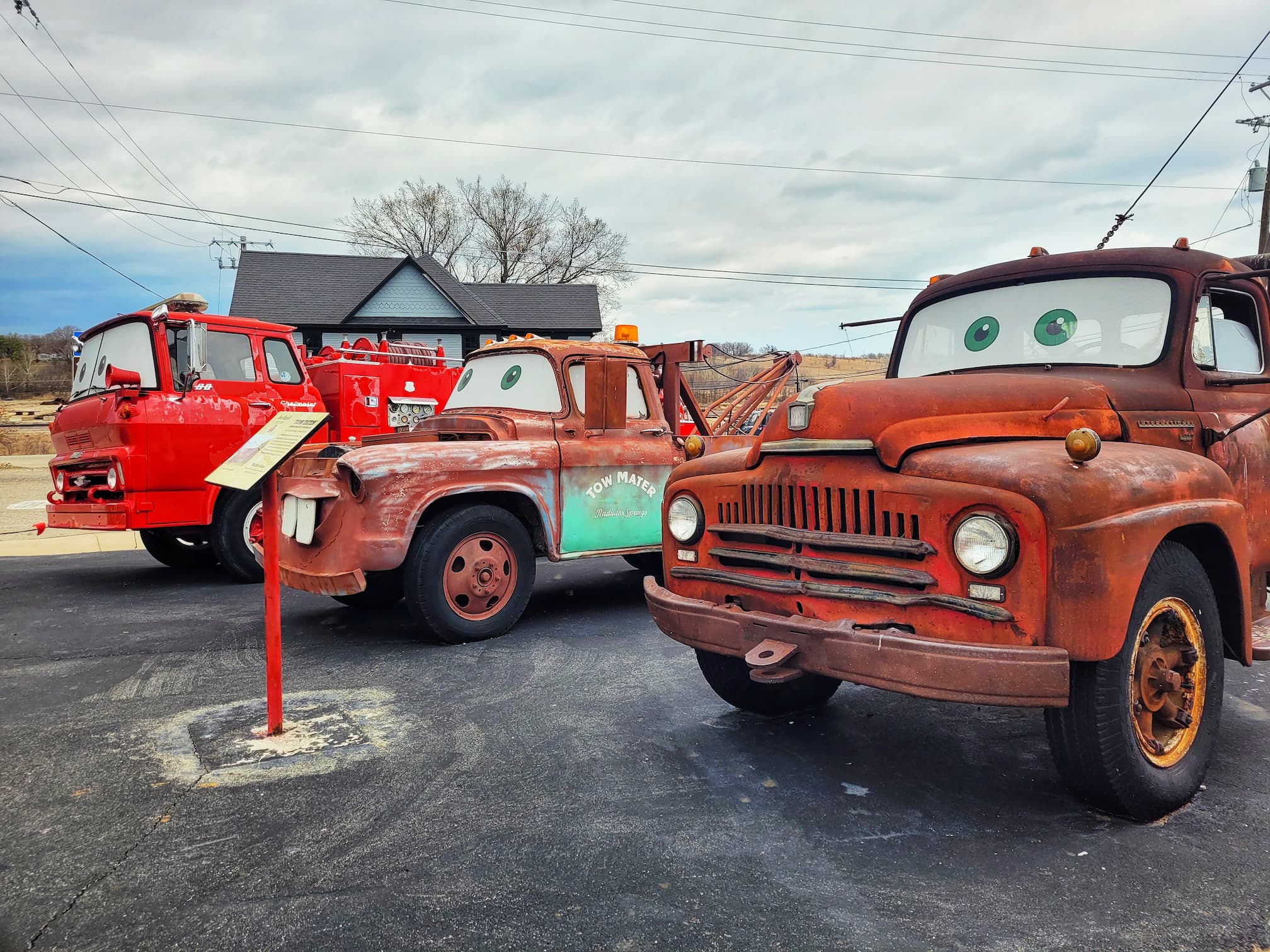
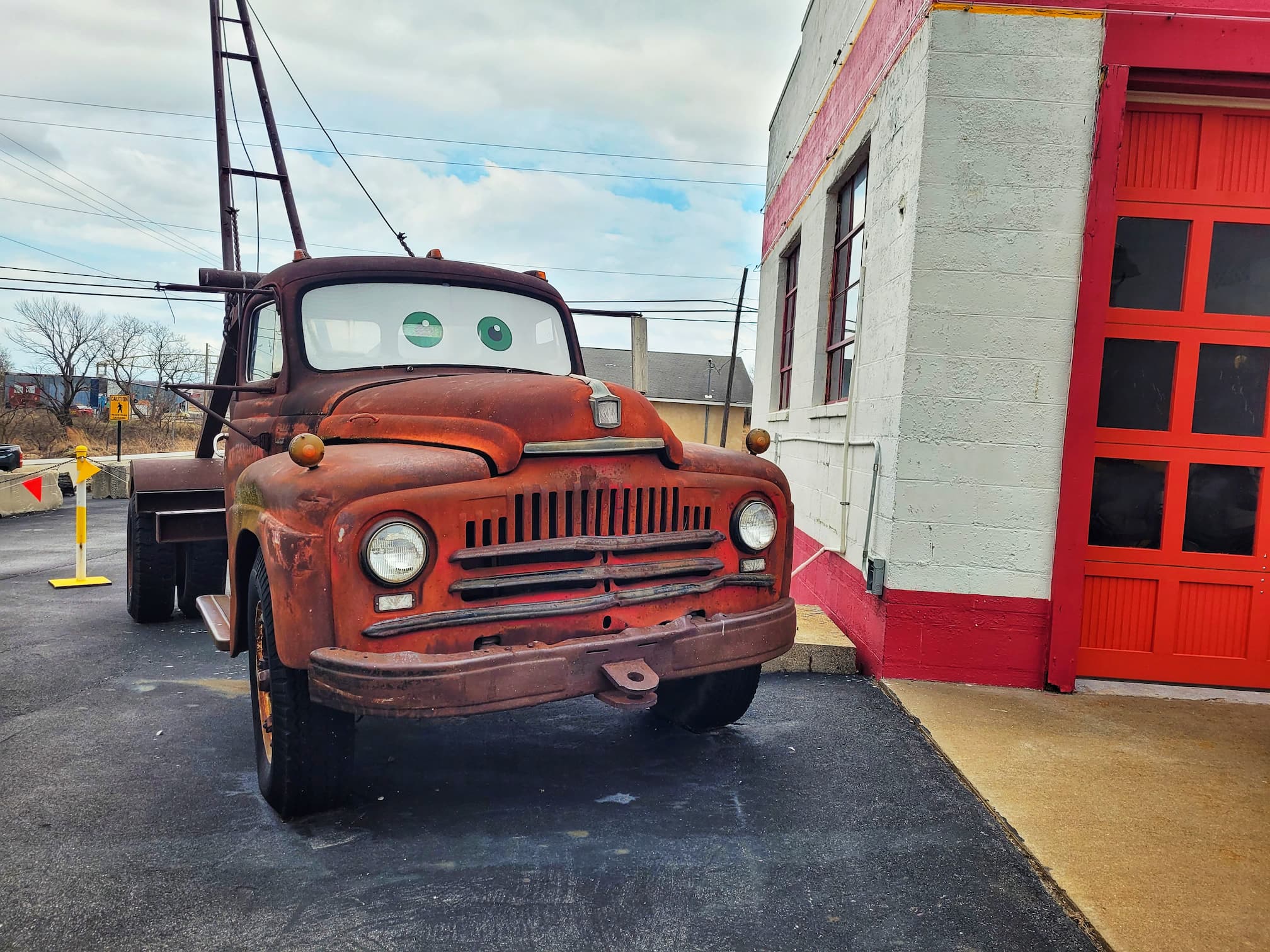
How to Visit Cars on the Route
Address: 119 N Main St, Galena, KS 66739
Website: https://carsontheroute.my.canva.site/
Hours: Tues-Sun 10am-4pm (Thurs-Sun in winter)
Gearhead Curios
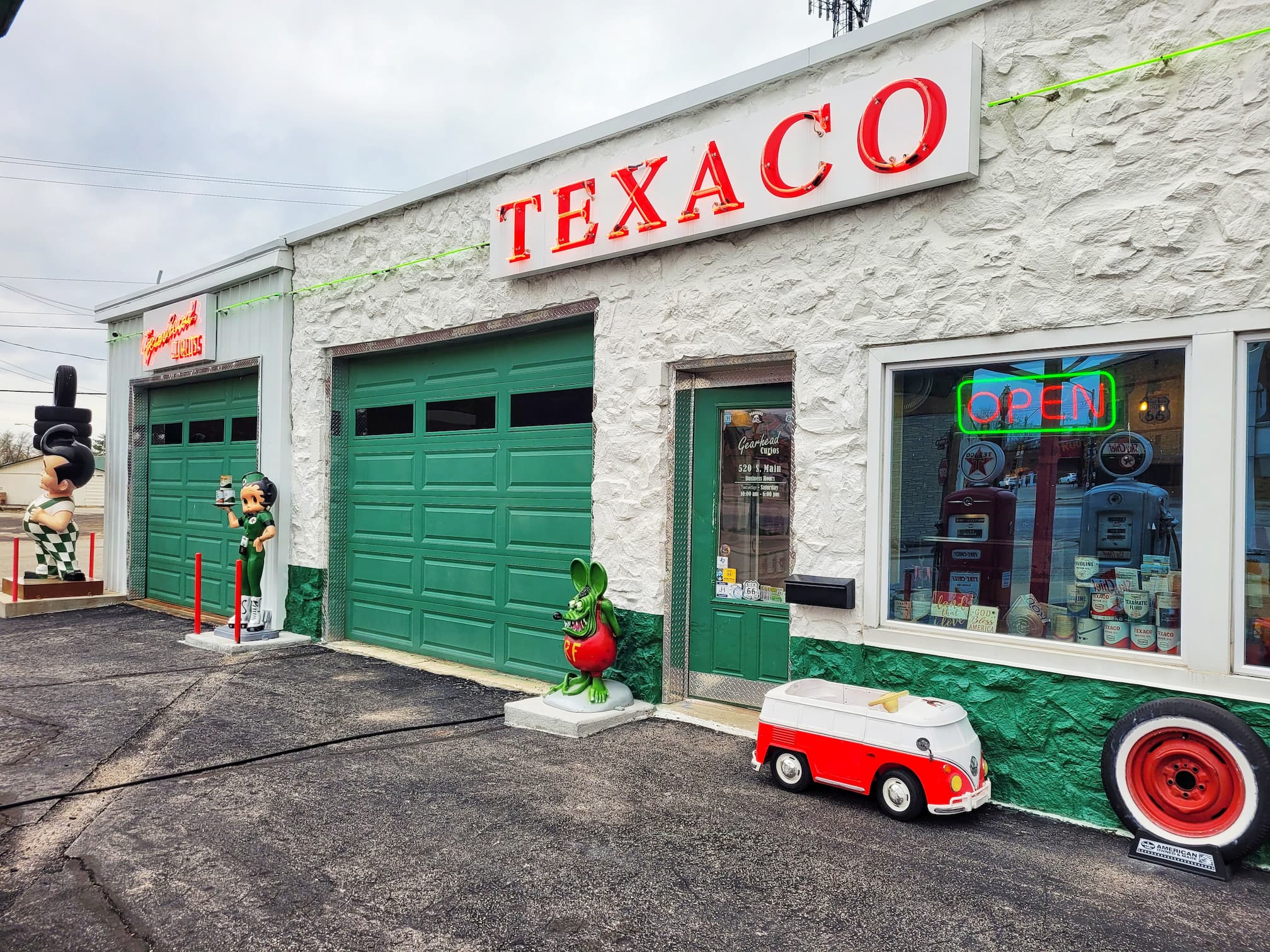
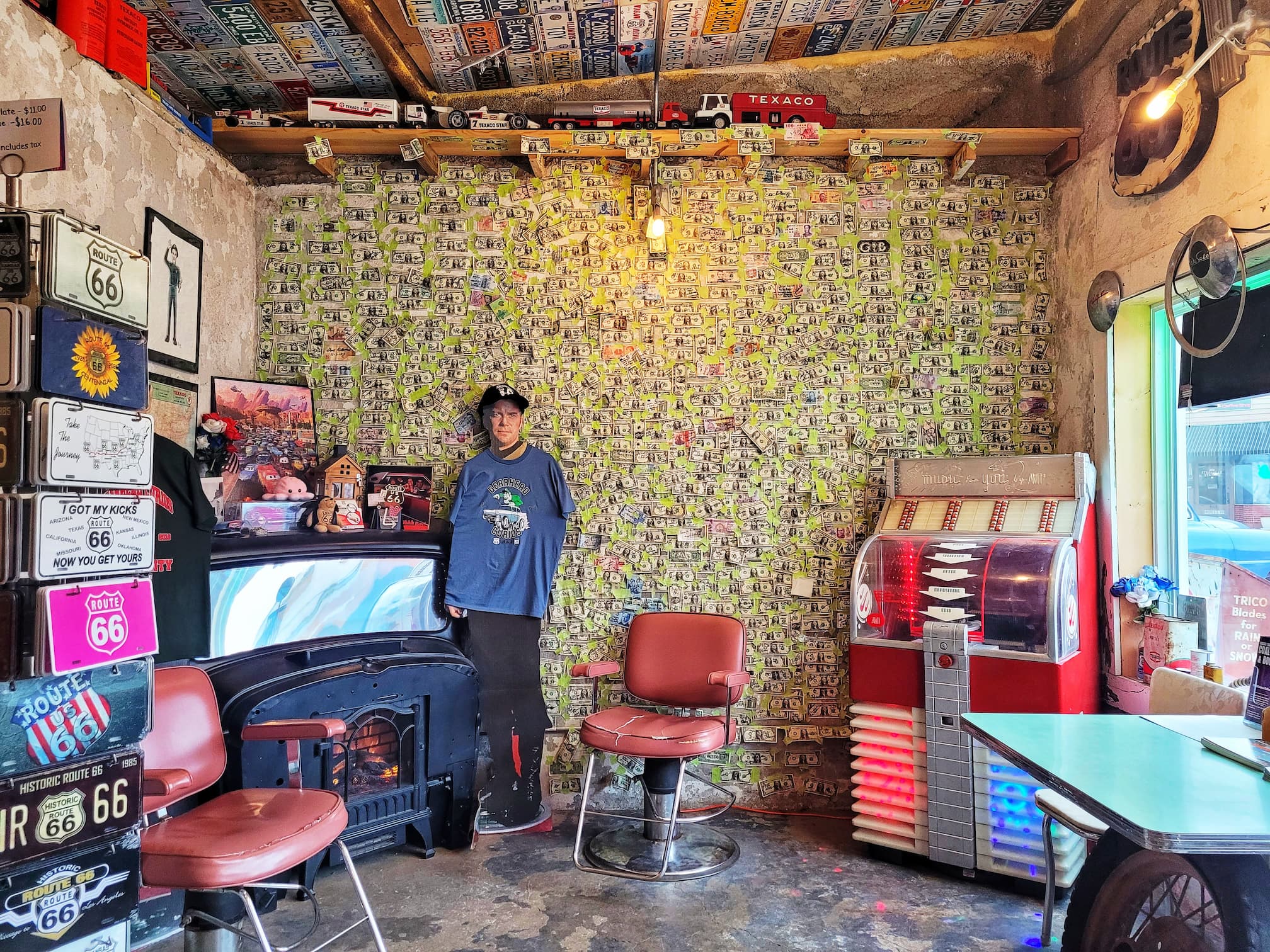
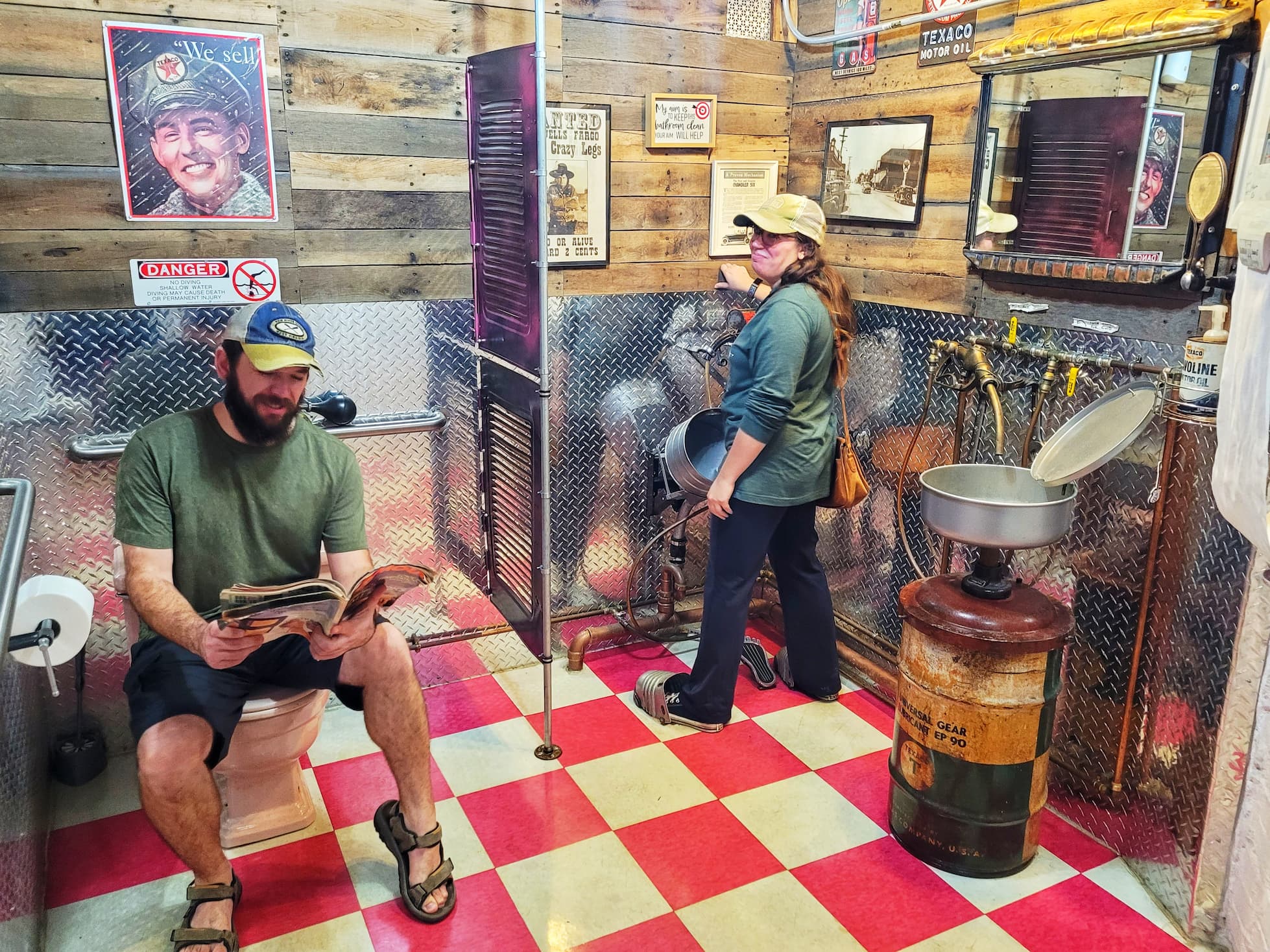
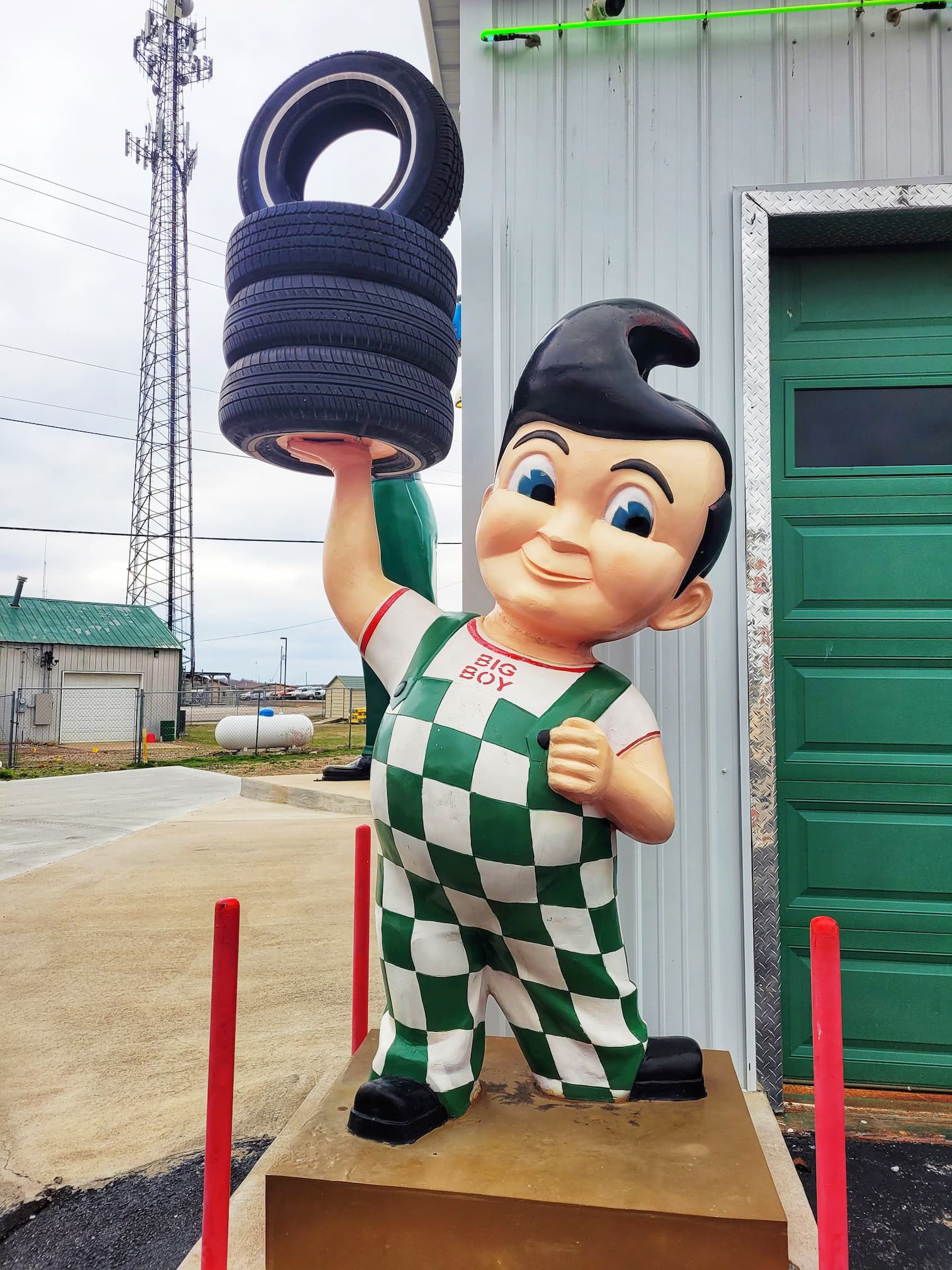
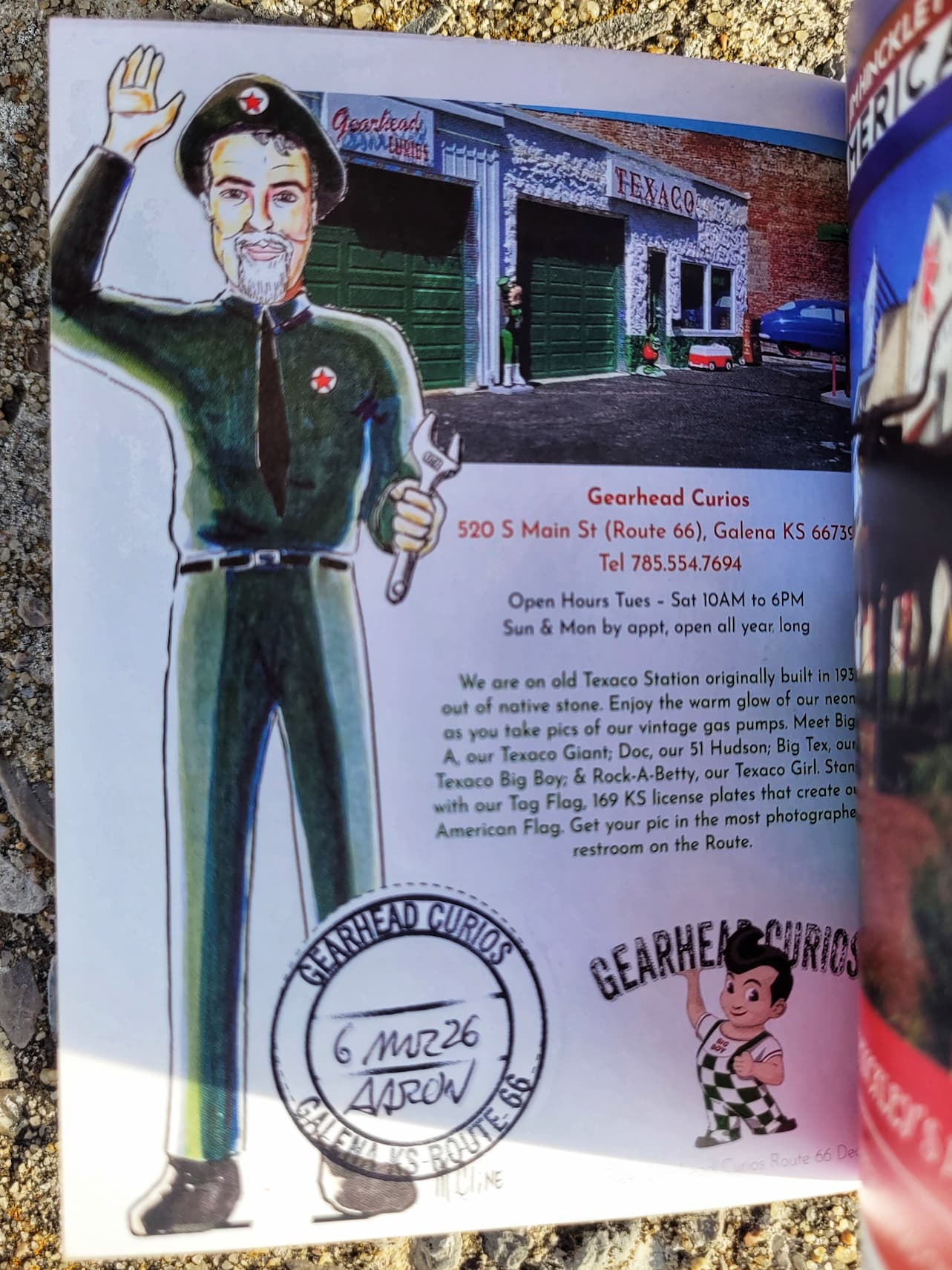
Next up was another passport stamp stop at Gearhead Curios. The shop sits inside a restored 1939 Texaco station and is packed with Route 66 memorabilia. It’s also known for having one of the most famous bathrooms along the entire route, which the owner happily gave us a full tour of.
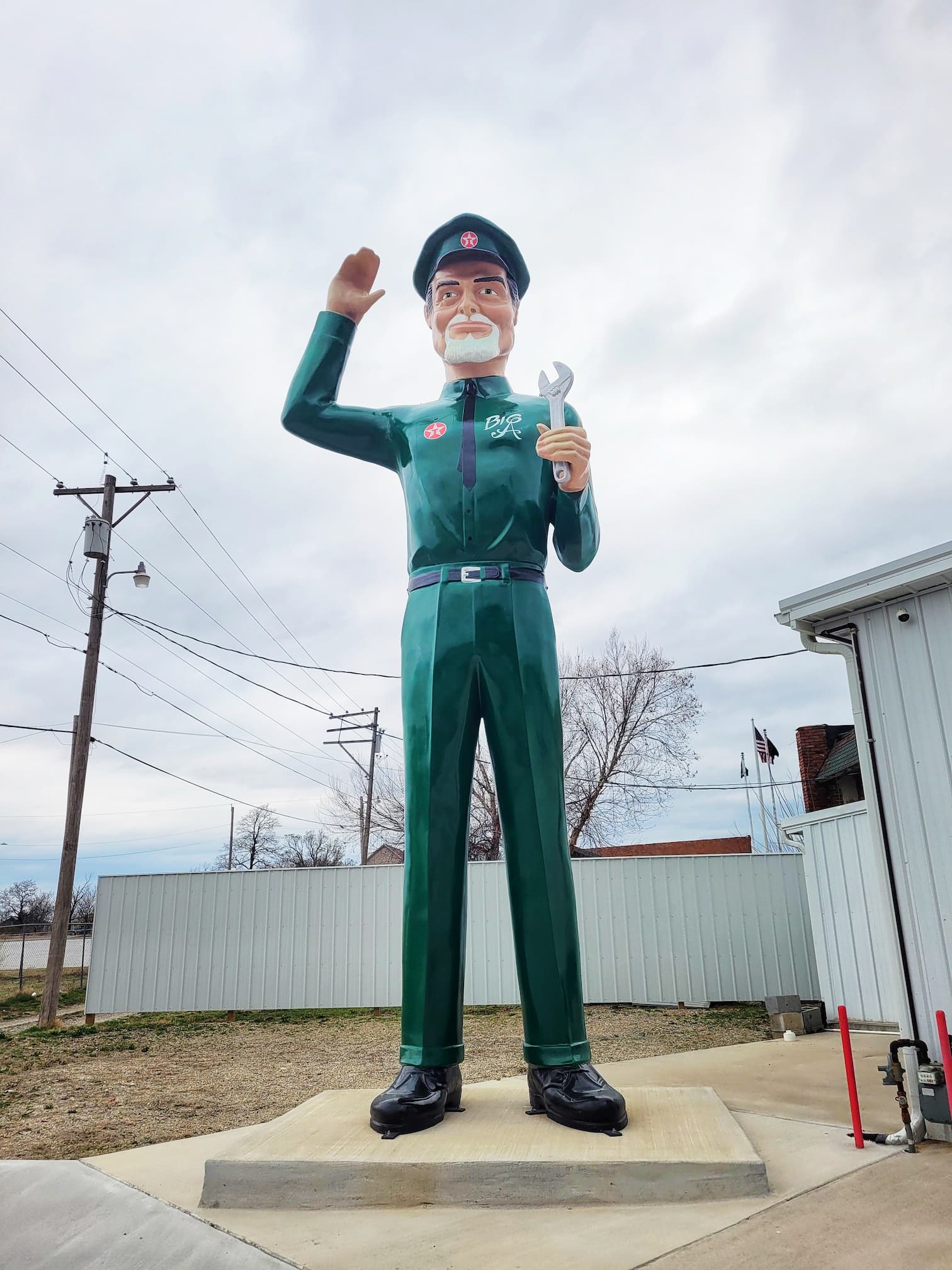
How to Visit Gearhead Curios
Address: 520 S Main St, Galena, KS 66739
Hours: Daily 10am-6pm
After that we wandered around Galena a little more, grabbing photos of murals and Route 66 signs around town. Galena has done a great job leaning into its Route 66 heritage, and there are a lot of fun little photo ops tucked around downtown.
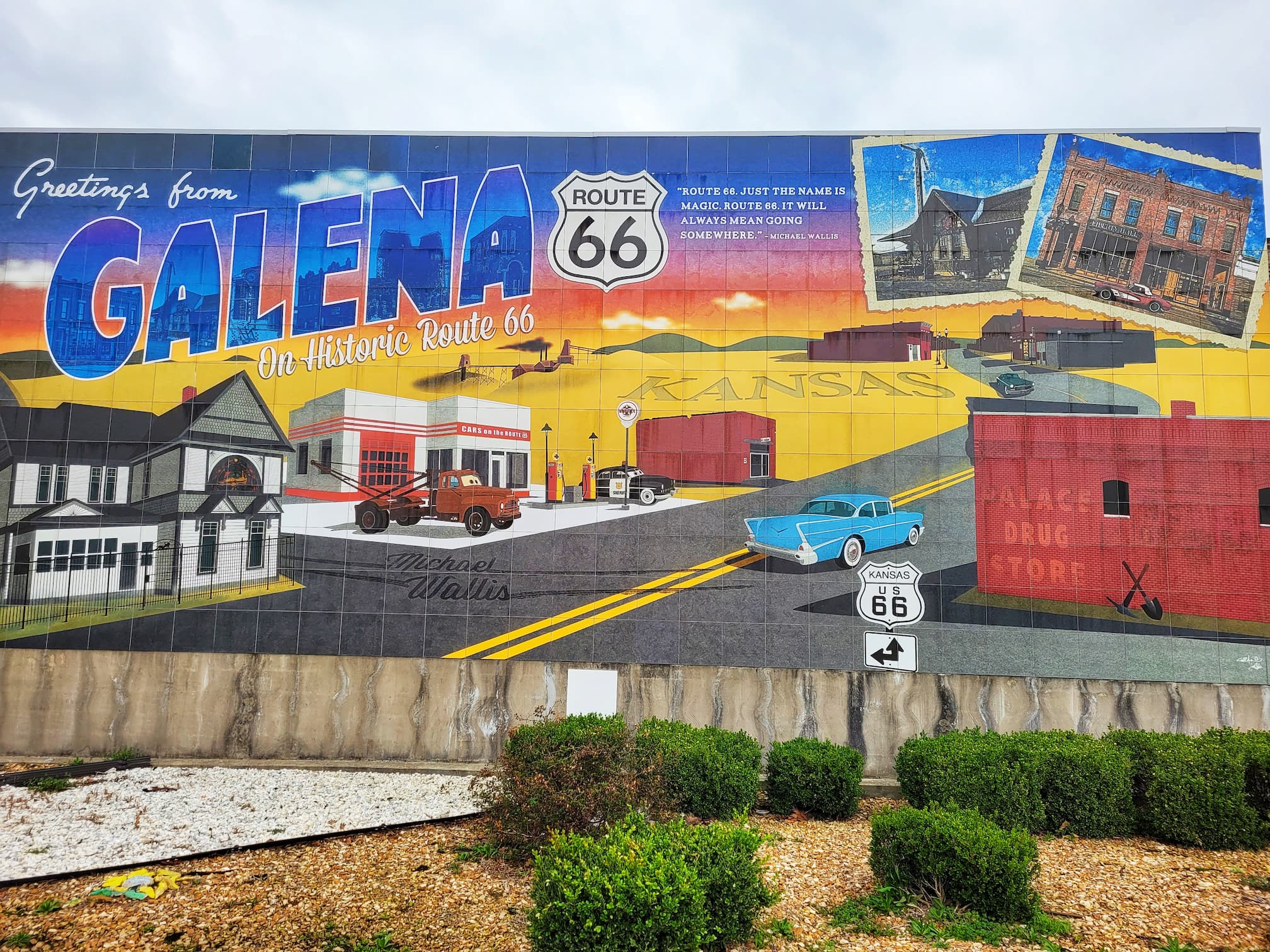
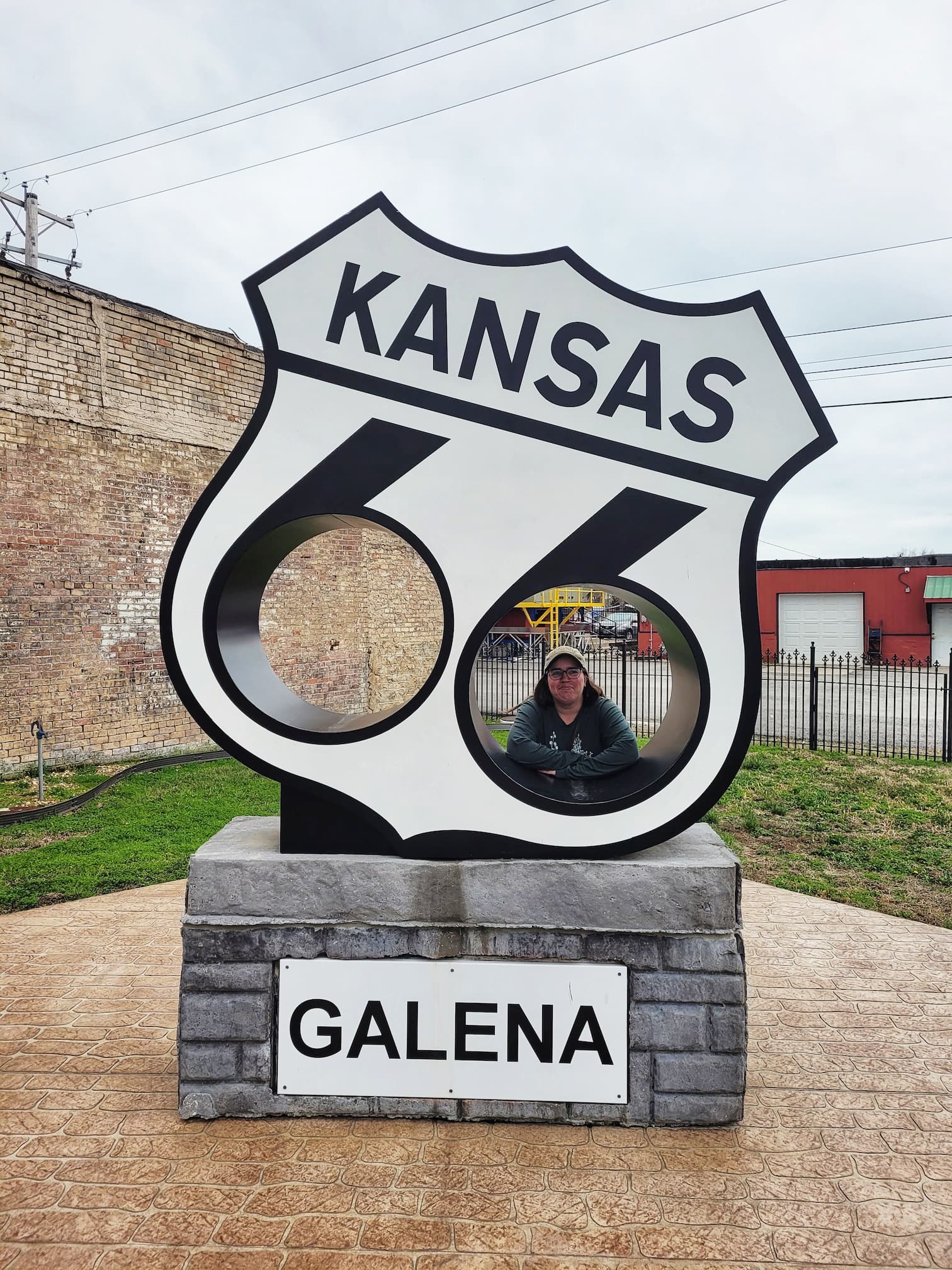
Bonnie & Clyde Shotgun at Liberty Pawn
One of the more unusual stops in town was Liberty Pawn, which is famous for displaying a shotgun connected to Bonnie Parker and Clyde Barrow. The gun was used by the gang during the 1933 shootout in Joplin, the same incident tied to the garage apartment we had driven by earlier in the week. After the shootout, one of the responding officers kept the shotgun as a souvenir, and today it’s displayed in the pawn shop along with newspaper clippings and documentation about the event.
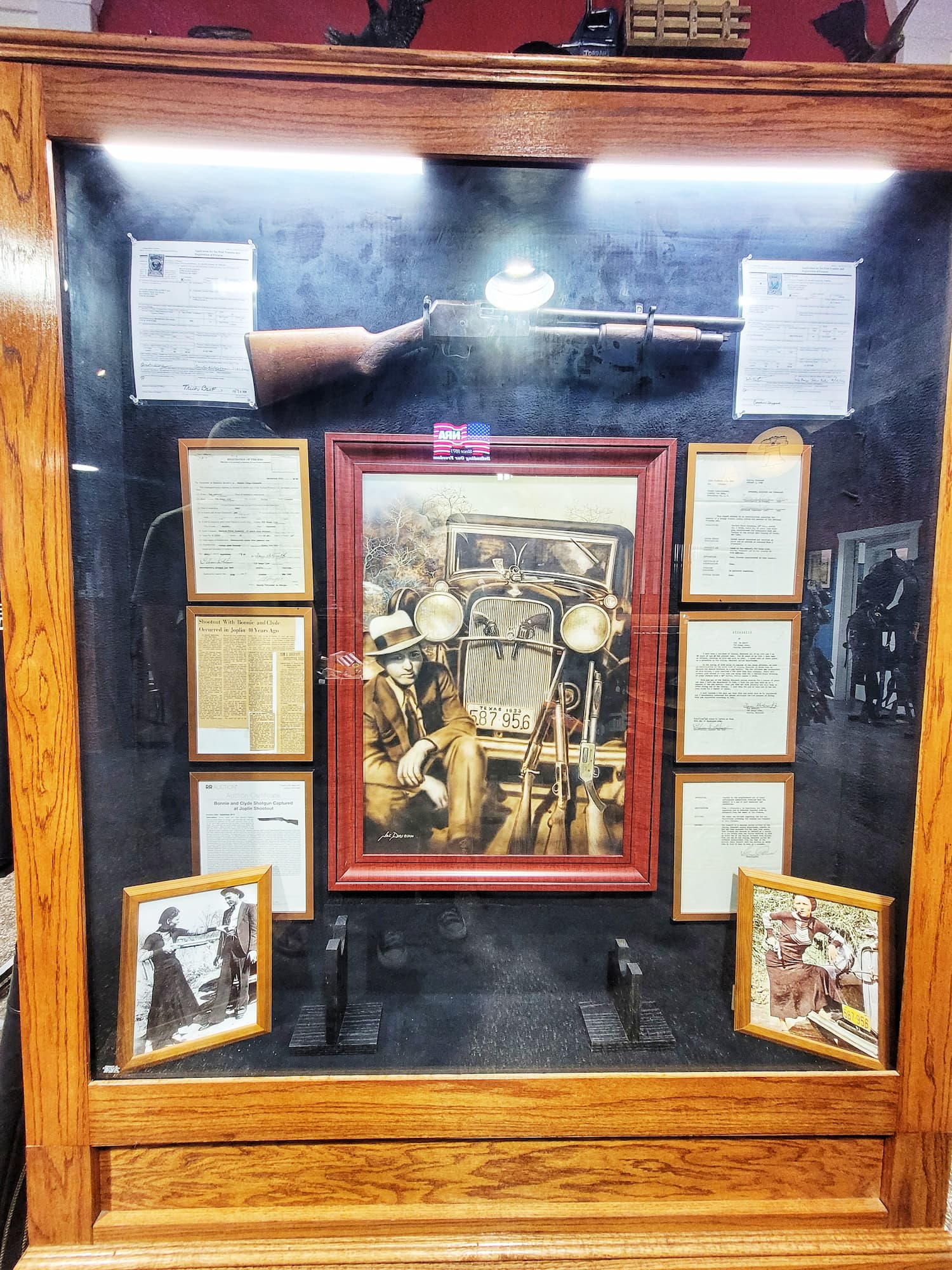
How to See the Bonnie & Clyde Shotgun at Liberty Pawn
Address: Galena Liberty Pawn, 708 S Main St, Galena, KS 66739
Website: https://galenalibertypawn.com/
Hours: Mon-Fri 9am-6pm, Sat 9am-12pm
Kicks Bar and Grill on 66
For dinner we stopped at Kicks Bar and Grill because Josh has a very specific mission this year: trying fried cheese curds in every state we visit and ranking them. Finding curds in Kansas turned out to be surprisingly difficult, but we eventually discovered through Facebook that Kicks had recently added them to their menu. They were good, but if we’re being honest, they weren’t really cheese curds. They were definitely mozzarella, so it was more like eating mini cheese sticks than actual curds. Still tasty though. We also shared a pizza, which we both enjoyed. The place had just been remodeled, so even though it had the vibe of a classic local dive bar, it was clean, comfortable, and the staff was very friendly.
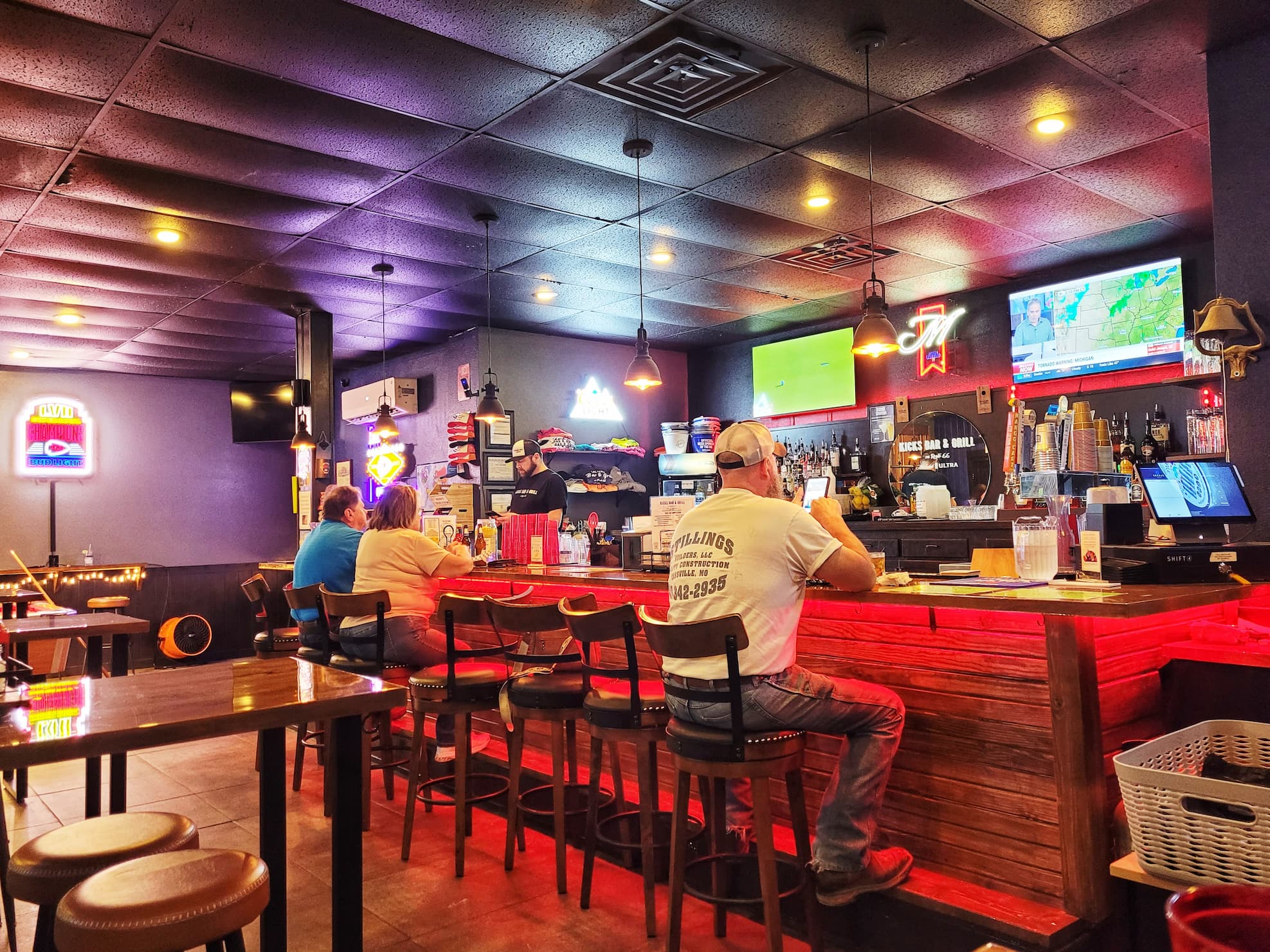
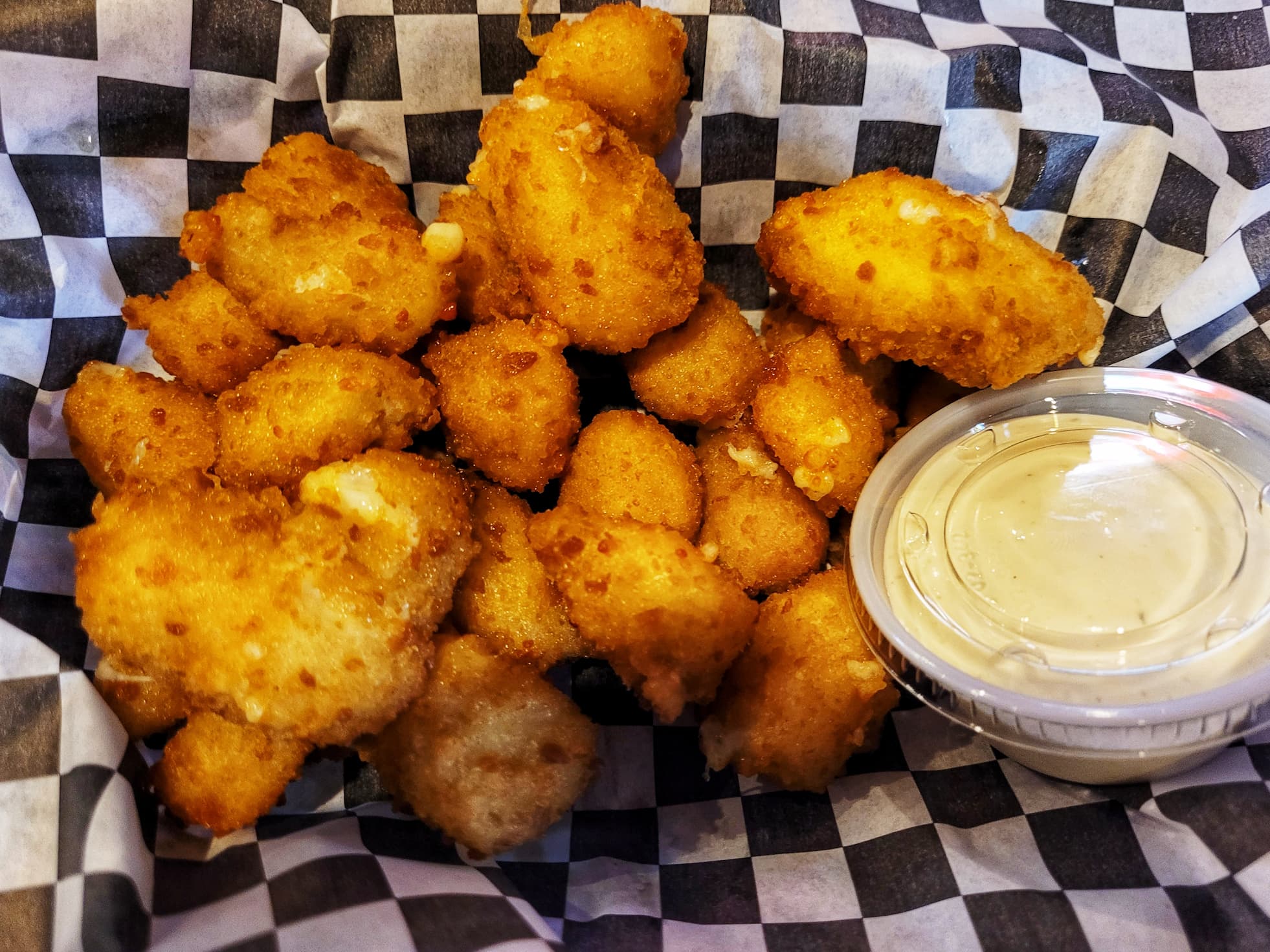
How to Eat at Kicks Bar and Grill on 66
Address: 202 W 7th St, Galena, KS 66739
Kitchen Hours: Mon 11am-2pm, Tues-Sat 11am-8pm
Nelson’s Old Riverton Store
Our final Route 66 stop of the day was in the tiny town of Riverton at Nelson’s Old Riverton Store. I’ll admit that part of the reason we wanted to stop here was simply because it has Nelson in the name. The store dates back to 1925 and is listed on the National Register of Historic Places. Like several of the other places we visited that day, it was also one of the stops the Pixar team made during their Route 66 research trip for Cars. Today it operates as a small market, and there’s also a back room packed with Route 66 souvenirs for travelers passing through.
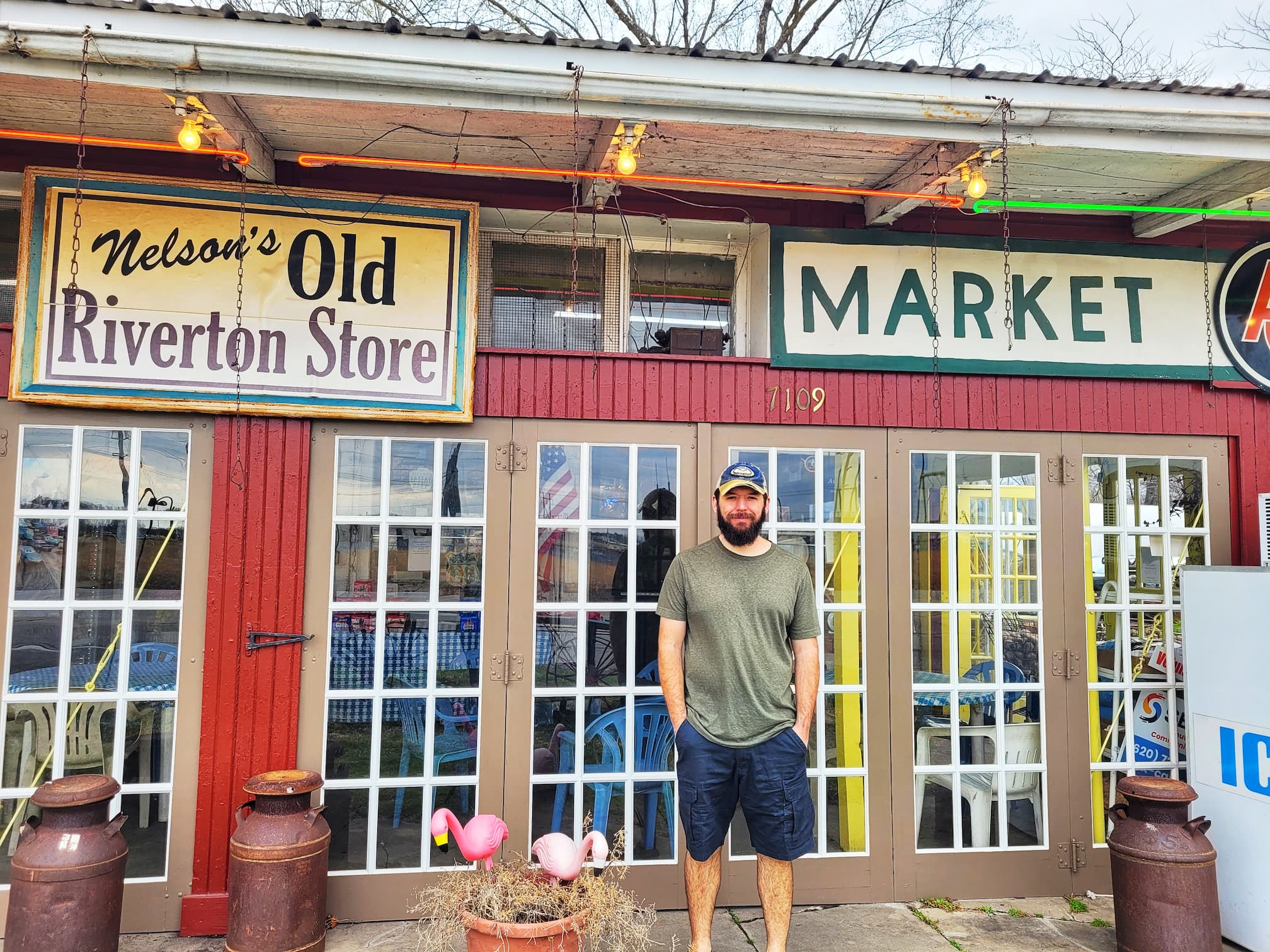
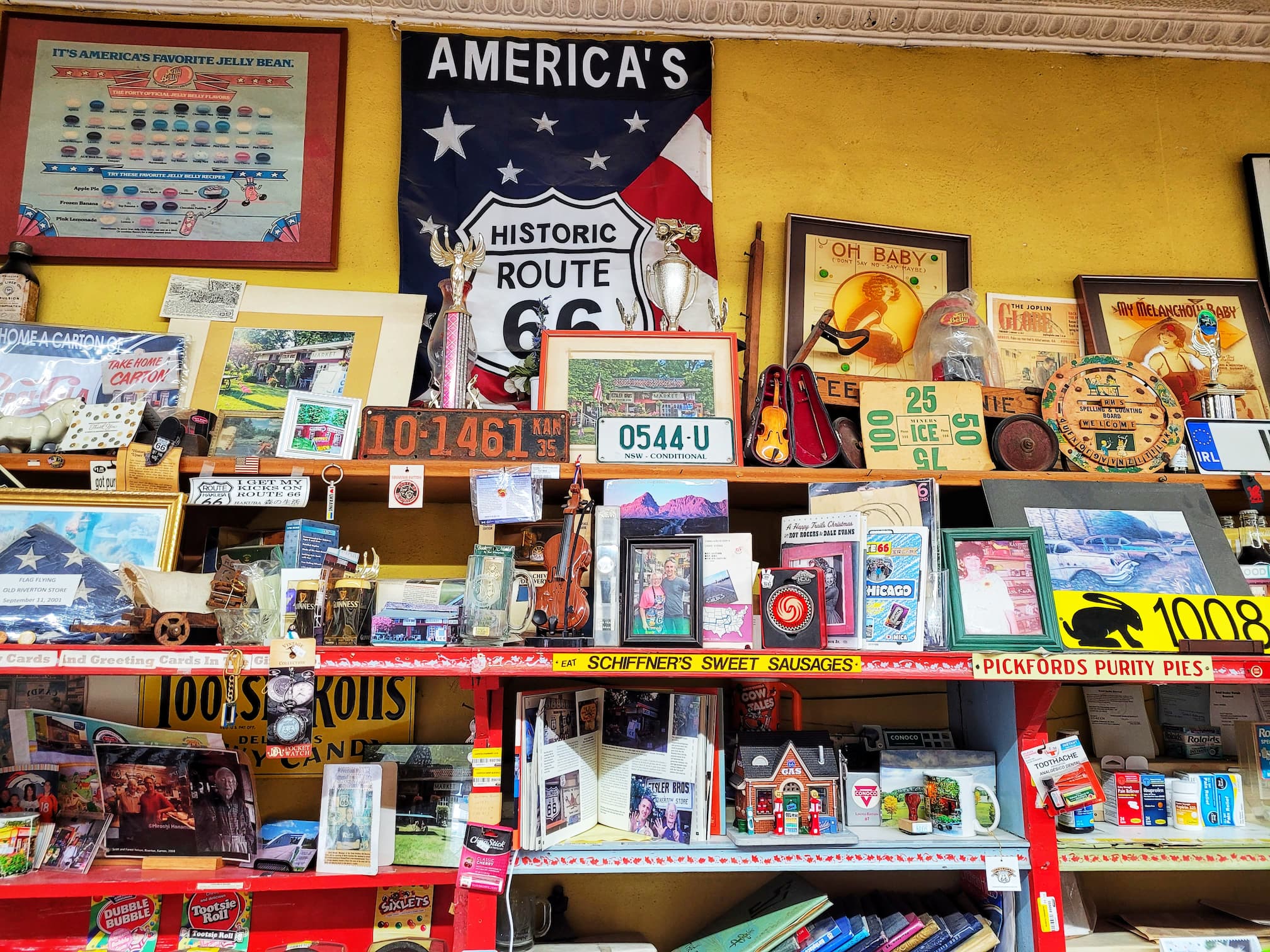
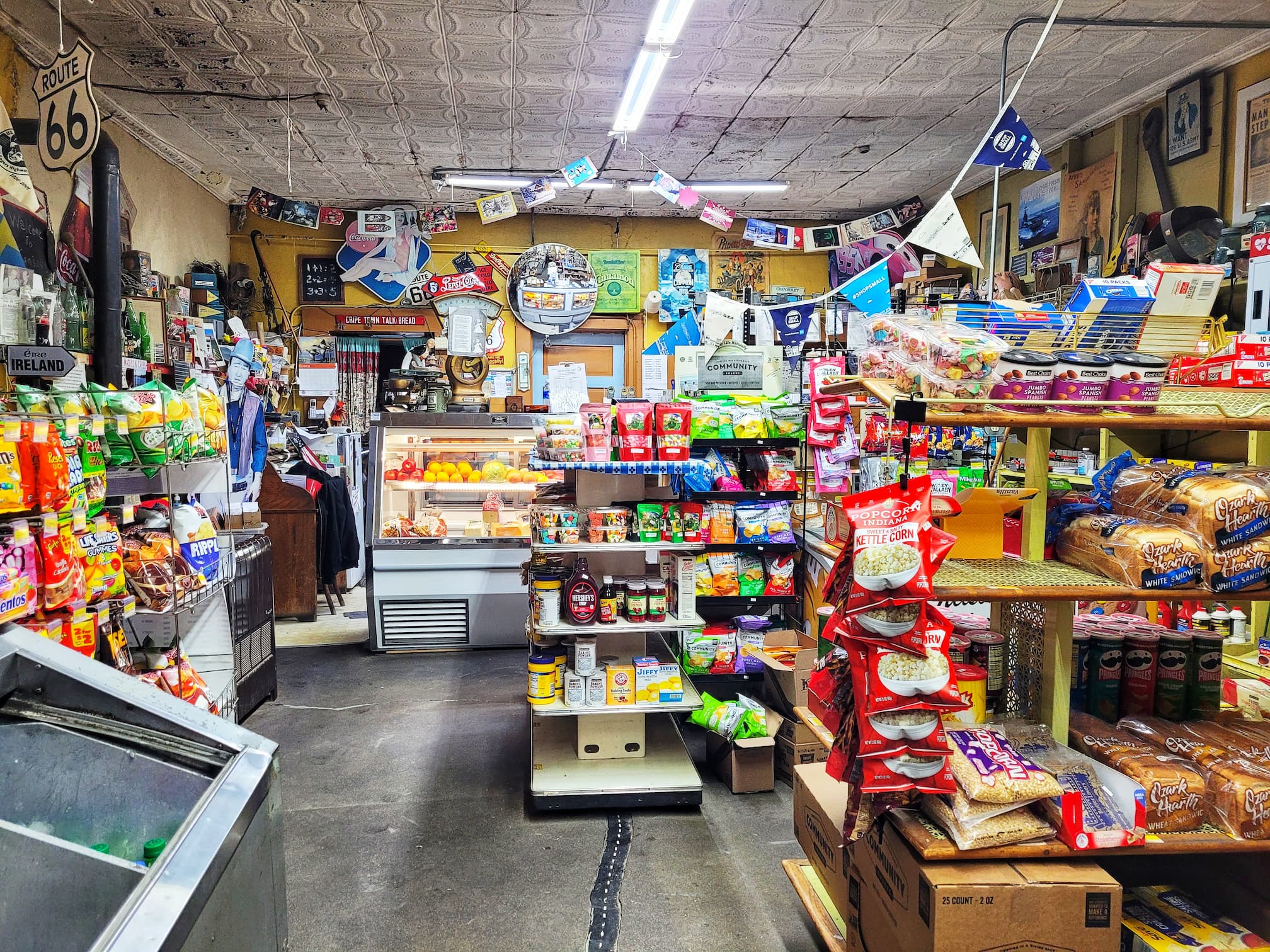
How to Visit Nelson’s Old Riverton Store
Address: 7109 KS-66, Riverton, KS 66770
Website: https://oldrivertonstore.com/
Hours: Mon-Sat 8:30am-7pm, Sun 12-6pm
A Stormy Night
And then… the relaxing sightseeing portion of the day ended.
All day we had been watching the weather because the forecast included a real tornado threat. Being so close to Joplin, where the devastating 2011 Joplin tornado is still very much in people’s memories, everyone in the area seemed understandably on edge.
The campground we were staying at didn’t have any storm shelters or sturdy buildings, so earlier in the day the local police officer who checked on the campground stopped by to let us know that if we needed shelter we could go to the fire department in town. As evening approached the storms started moving in, and we were keeping an eye on the radar while deciding what to do.
Right around nightfall a patrol car came through the campground. At first we thought it was the same officer as earlier, but this time it was a sheriff’s deputy. He told us the river nearby was rising and suggested we might want to consider leaving.
At first we debated it. It didn’t seem possible that the water would rise enough to cause a real problem, but there was also a creek behind our campsite that was already getting noticeably higher. When a local tells you to think about leaving, it’s usually smart to listen.
So we packed up and hitched the RV in record time, all while getting absolutely soaked in the pouring rain. The deputy said we could park at the local high school, which also serves as a storm shelter, but navigating unfamiliar streets in the dark with heavy rain didn’t sound ideal. Instead we headed just down the road to the RV park at Downstream Casino Resort.
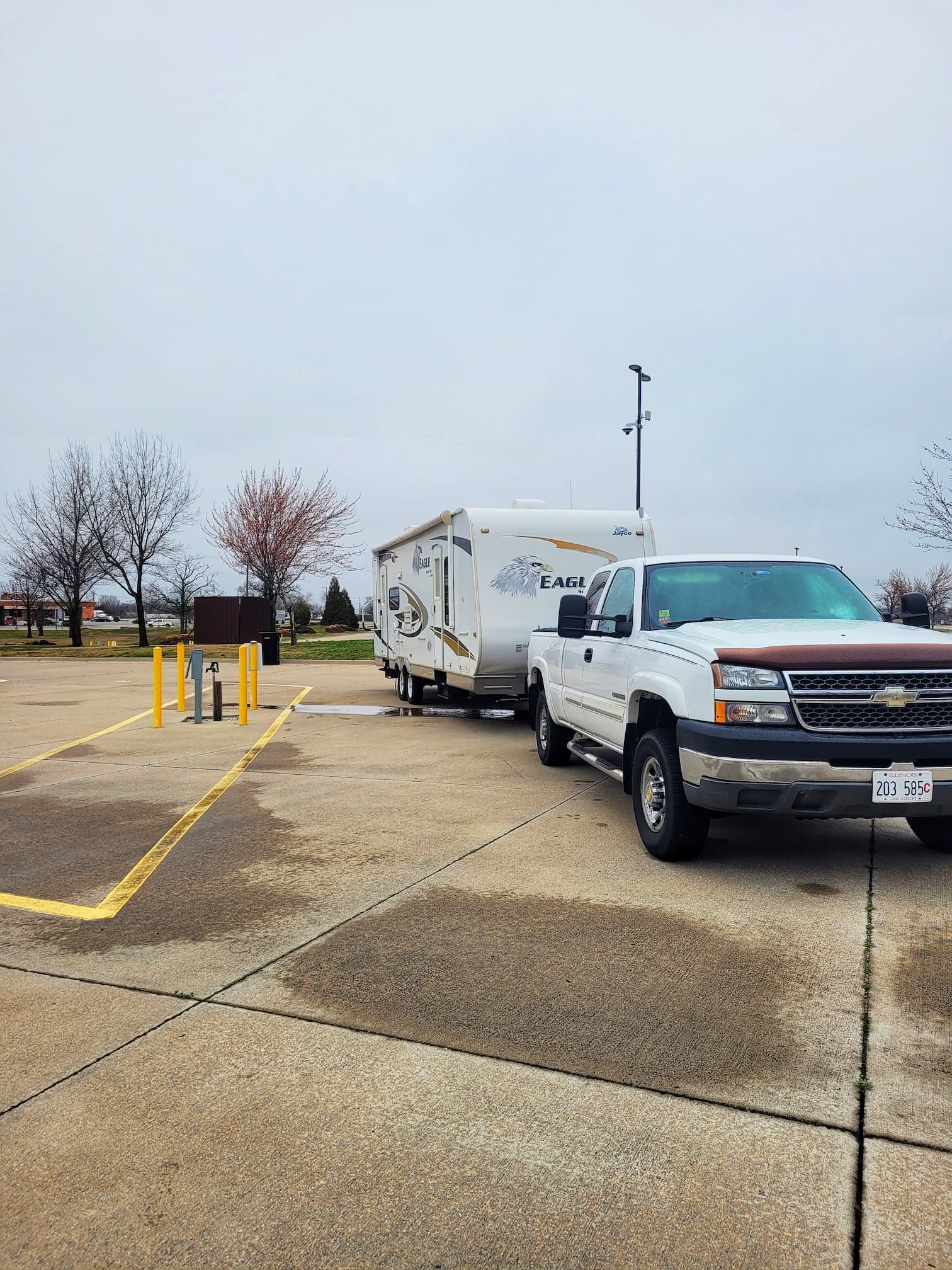
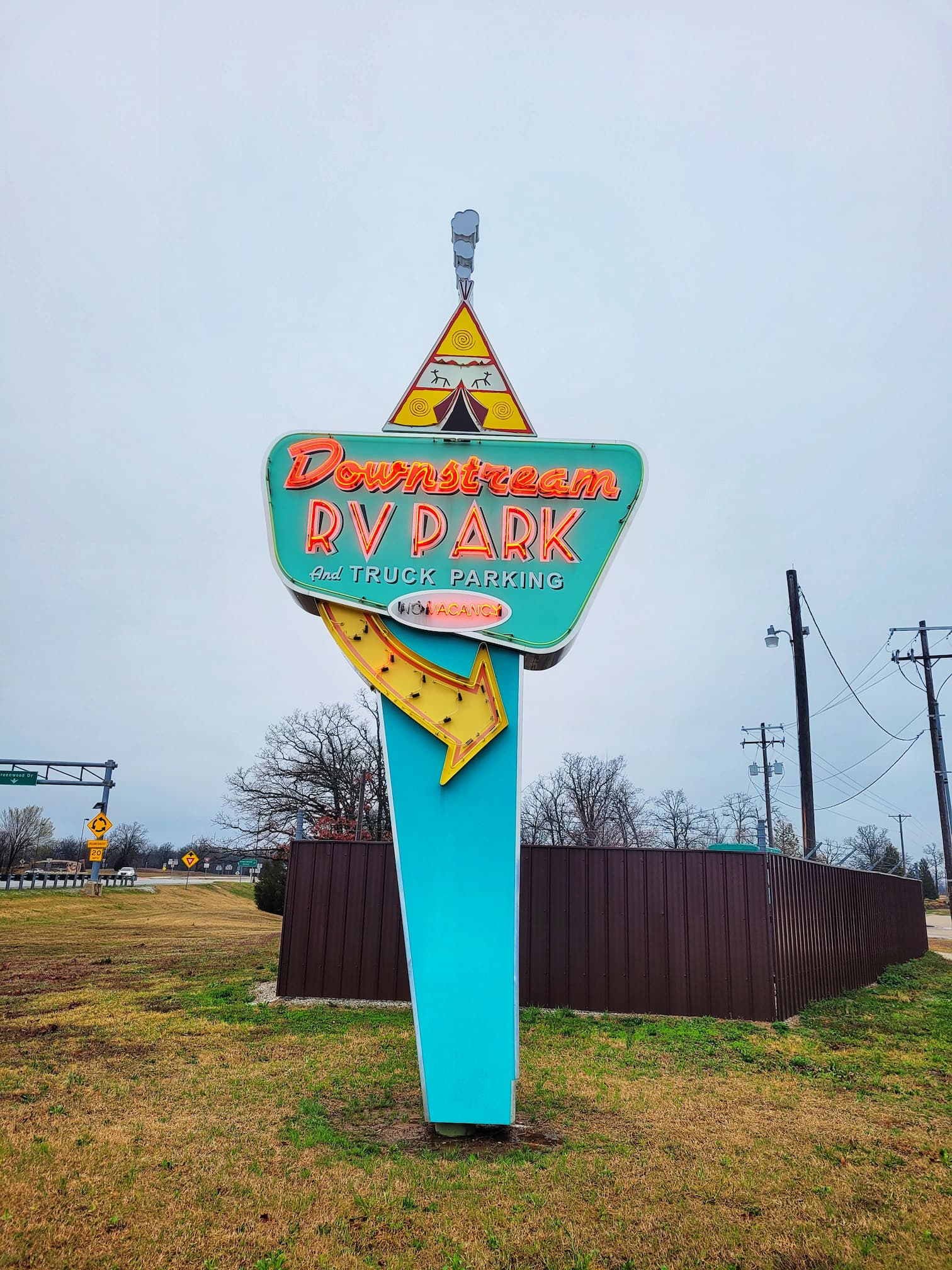
We had actually considered staying there earlier in the week anyway, so we knew the layout and knew there was a gas station nearby if we needed to run for shelter. Thankfully we never ended up needing it, but the drive over and the scramble to move everything in the middle of a storm definitely made for one of the more stressful nights we’ve had on the road. We did stop by our original campsite in the morning, and sure enough, even though the river was high, there was no flooding. But we know if we had stayed we would have been worried all nigh- and at least we have a new story now!
What We Missed in the Tri-State Area
It always feels like we never have enough time in area, between having to still work and do chores, and being in the off-season, we didn’t get to everything we would have liked to do. Here are some of the things we’d like to get to next time we’re in this area:
- Monarch Pharmacy & Soda Fountain in Baxter Springs
- Dobson Museum in Miami
- A full tour of the Coleman Theatre in Miami
- Miami G.A.R. Cemetery
- Southeast Kansas Nature Center (temporarily closed until a new director is hired)
- Grand Falls in Joplin
- Shoal Creek Conservation Education Center in Joplin
- Precious Moments Chapel in Carthage (closed in winter)
- Supertam on 66 in Carterville (tried to visit, but were closed)
- 66 Drive-In Theatre in Carthage (closed in winter)
- Jasper County Courthouse in Carthage (we were told it’s like a museum in there)
- Battle of Carthage State Historic Site
- Carthage Historic Homes Driving Tour
- George Washington Carver National Monument in Diamond, MO
- Neosho National Fish Hatchery in Neosho, MO
KS-OK-MO Tri-State Area Route 66 Passport Stamps
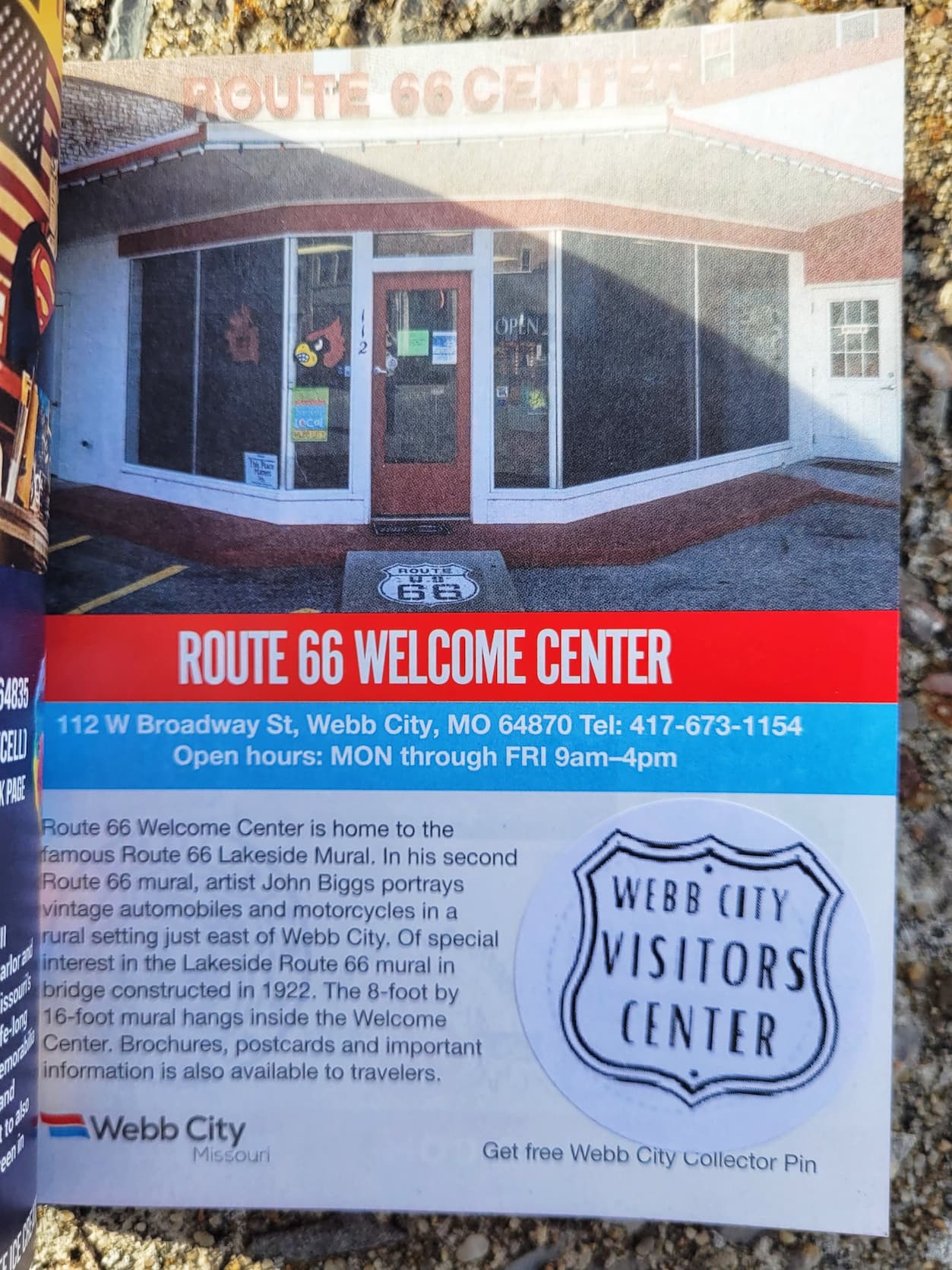
Missing: Supertam on 66