During our month-long stay in New Mexico, we spent a week based in Alamogordo, which made it the perfect time to finally visit the New Mexico Museum of Space History. Perched above the Tularosa Basin and closely tied to nearby White Sands Missile Range, this museum tells the story of how southern New Mexico became one of the launch points for America’s journey into space.
Often described as the birthplace of the U.S. space program, the museum focuses on honoring the pioneers of air and space exploration while preserving the history that made modern space travel possible. As a Smithsonian Affiliate and home of the International Space Hall of Fame, it highlights both global achievements and New Mexico’s outsized role in pushing the boundaries of flight, rockets, and human exploration beyond Earth.
In this post, we’re sharing our experience visiting the New Mexico Museum of Space History, including what to expect when you arrive, an overview of the exhibits, our honest review of the museum, and who we think it’s best suited for- especially families and road trippers passing through southern New Mexico. Whether you’re a lifelong space enthusiast or just looking for a unique museum to add to your itinerary, this guide will help you decide if it’s worth the stop.
How to Visit the New Mexico Museum of Space History
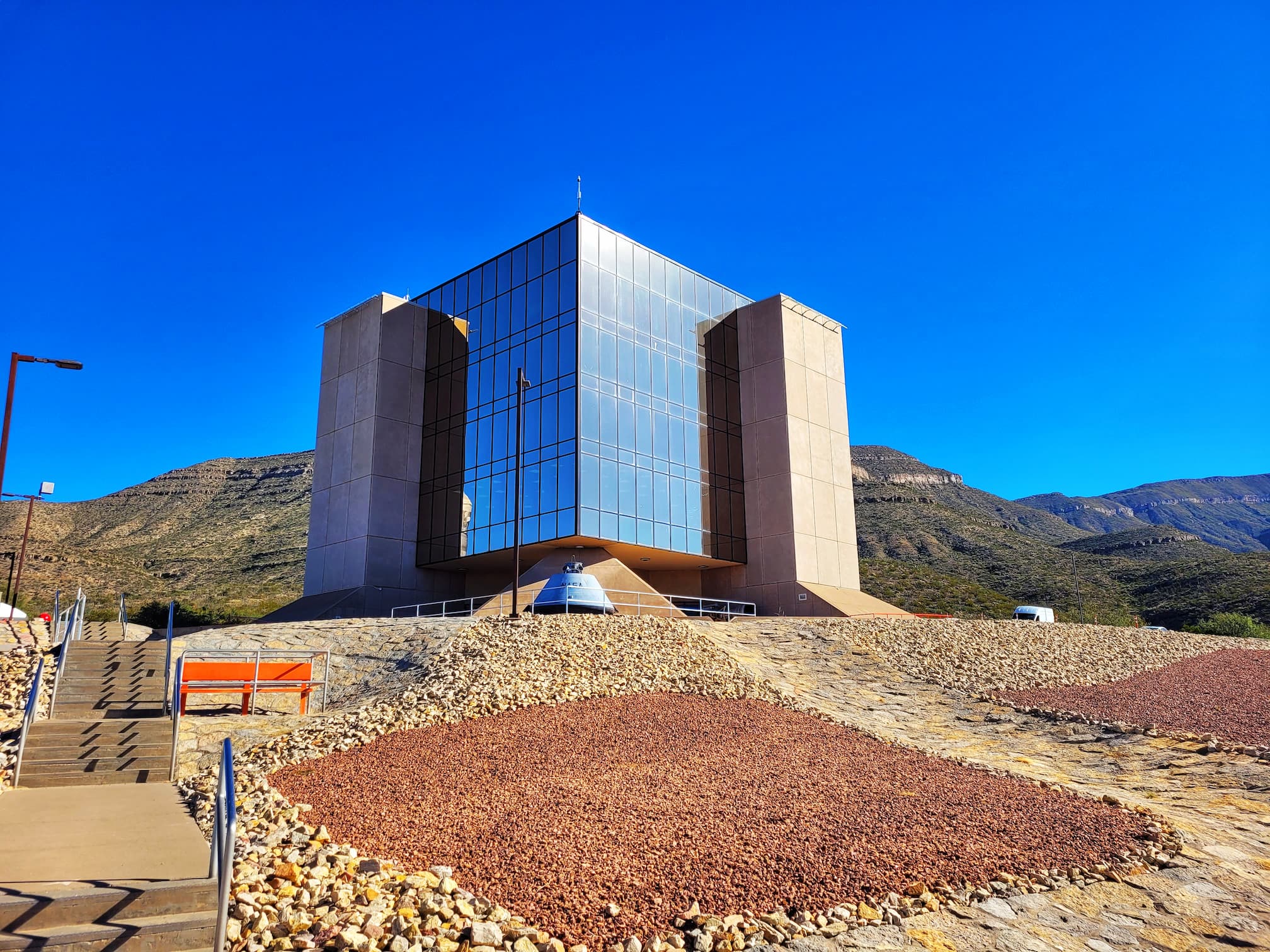
Perched above Alamogordo with views stretching out over the Tularosa Basin, the New Mexico Museum of Space History is an easy stop to add to your southern New Mexico itinerary, especially if you’re already exploring White Sands National Park or passing through on a road trip.
The museum is straightforward to visit, affordable, and easy to pair with other attractions in the area, whether you’re traveling solo, as a couple, or with kids.
Location
New Mexico Museum of Space History
3198 State Route 2001, Alamogordo, NM 88310
Official site: https://nmspacemuseum.org/
Hours
- Monday, Wednesday–Saturday: 10:00 AM – 5:00 PM
- Sunday: 12:00 PM – 5:00 PM
- Closed Tuesdays
Admission
- Adults: $8
- Seniors, Military, New Mexico Residents: $7
- Kids (ages 4–12): $6
- Kids 3 and under: Free
One thing we appreciated right away was how reasonably priced the museum is, especially compared to many large science museums.
Planetarium & Feature Films
In addition to the museum galleries, the planetarium and feature films can be purchased as standalone tickets or bundled together with museum admission. If you have extra time, or want to break up the exhibits with something immersive, this is an easy upgrade to consider.
What to See at the New Mexico Museum of Space History
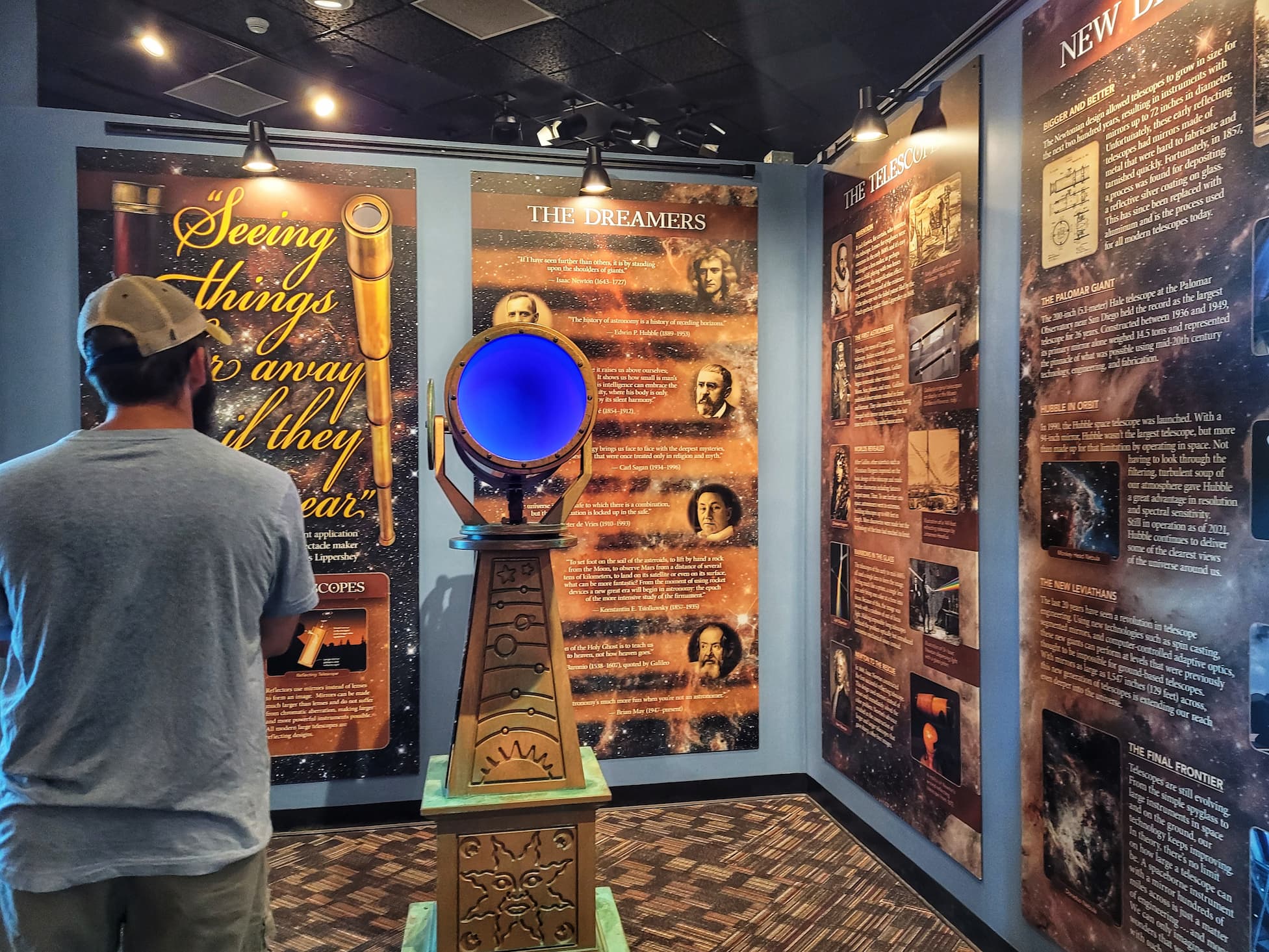
The New Mexico Museum of Space History does a great job breaking big, complex ideas into galleries that feel manageable and engaging. Even if you’re not a hardcore space nerd, the exhibits are laid out in a way that keeps things interesting and easy to follow.
Rockets!
This gallery walks through the evolution of rocketry while highlighting many of the pioneers who made space travel possible. One of the most memorable features is getting to hear different rocket engines- press the buttons and listen as they roar.
Icons of Exploration
Home to some of the museum’s most recognizable artifacts, this exhibit includes a real moon rock, replicas of early satellites like Sputnik and Explorer, and early missile technology. It sets the stage for many of the themes you’ll see expanded on throughout the rest of the museum.
Space Science in New Mexico
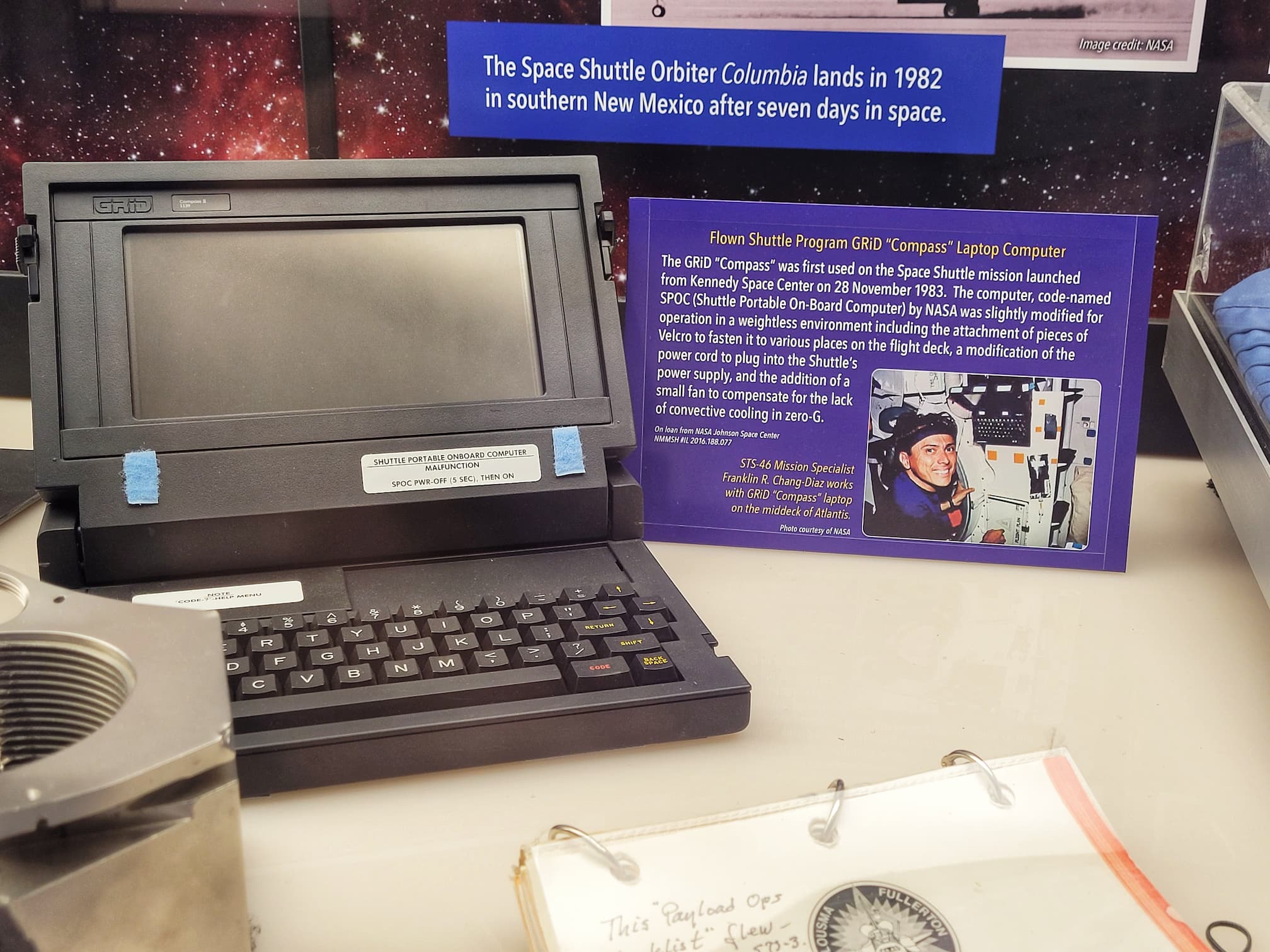
New Mexico plays a much bigger role in space history than you might expect, especially in the Tularosa Basin. This exhibit highlights local contributions, including early rocket components, V-2 testing at White Sands, and personal items from astronaut Harrison Schmitt- the only scientist to walk on the moon.
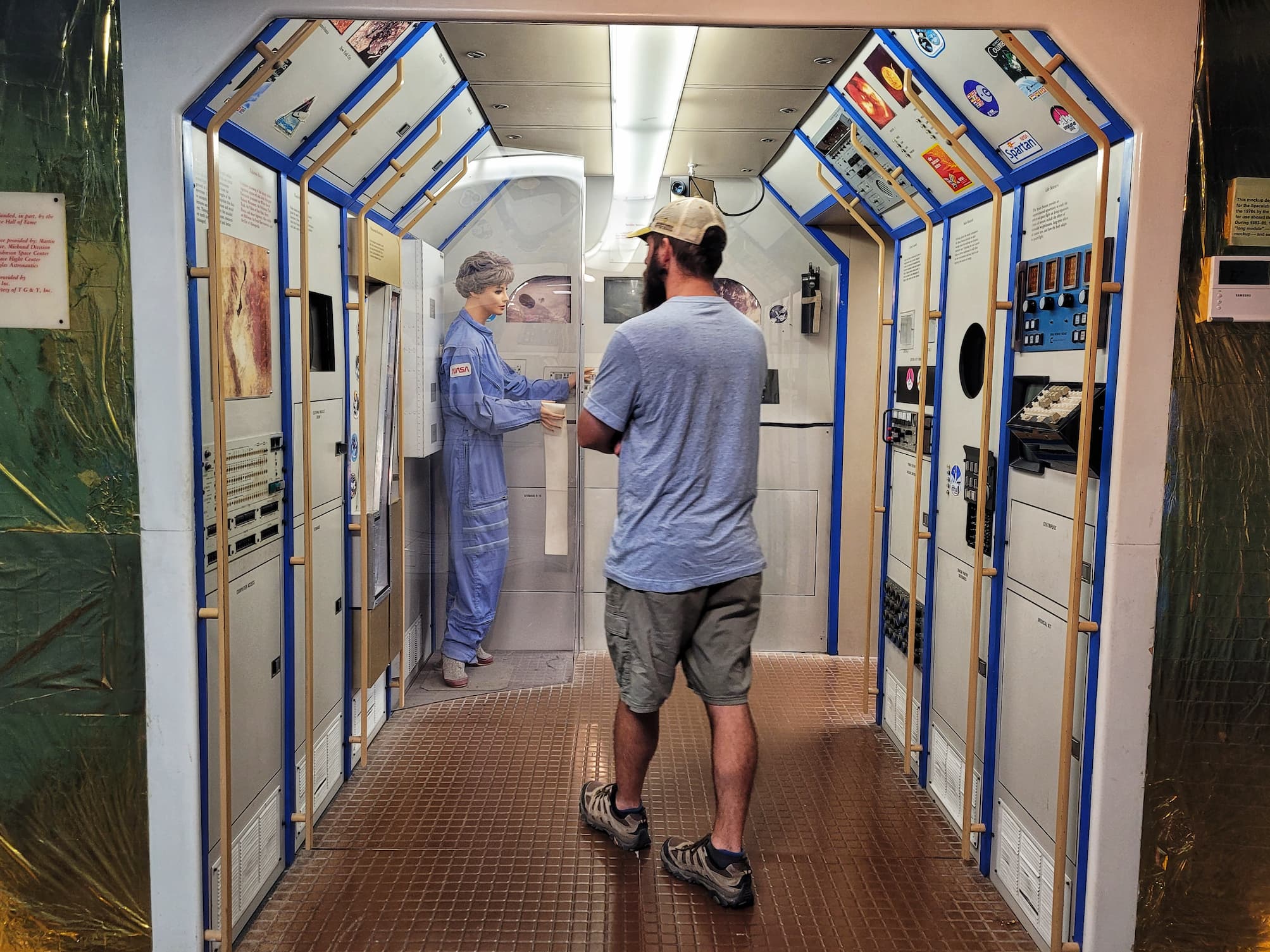
Living and Working in Space
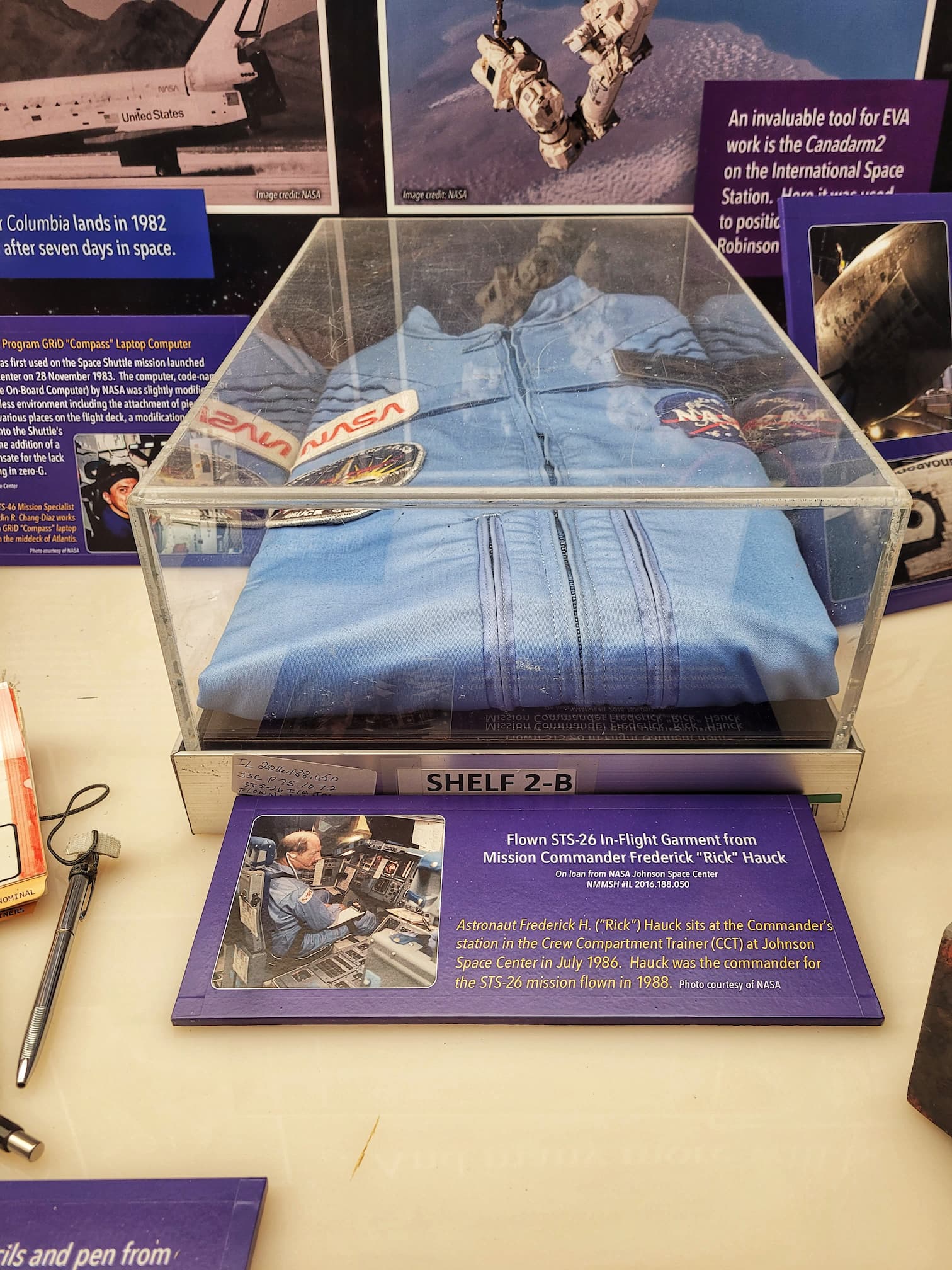
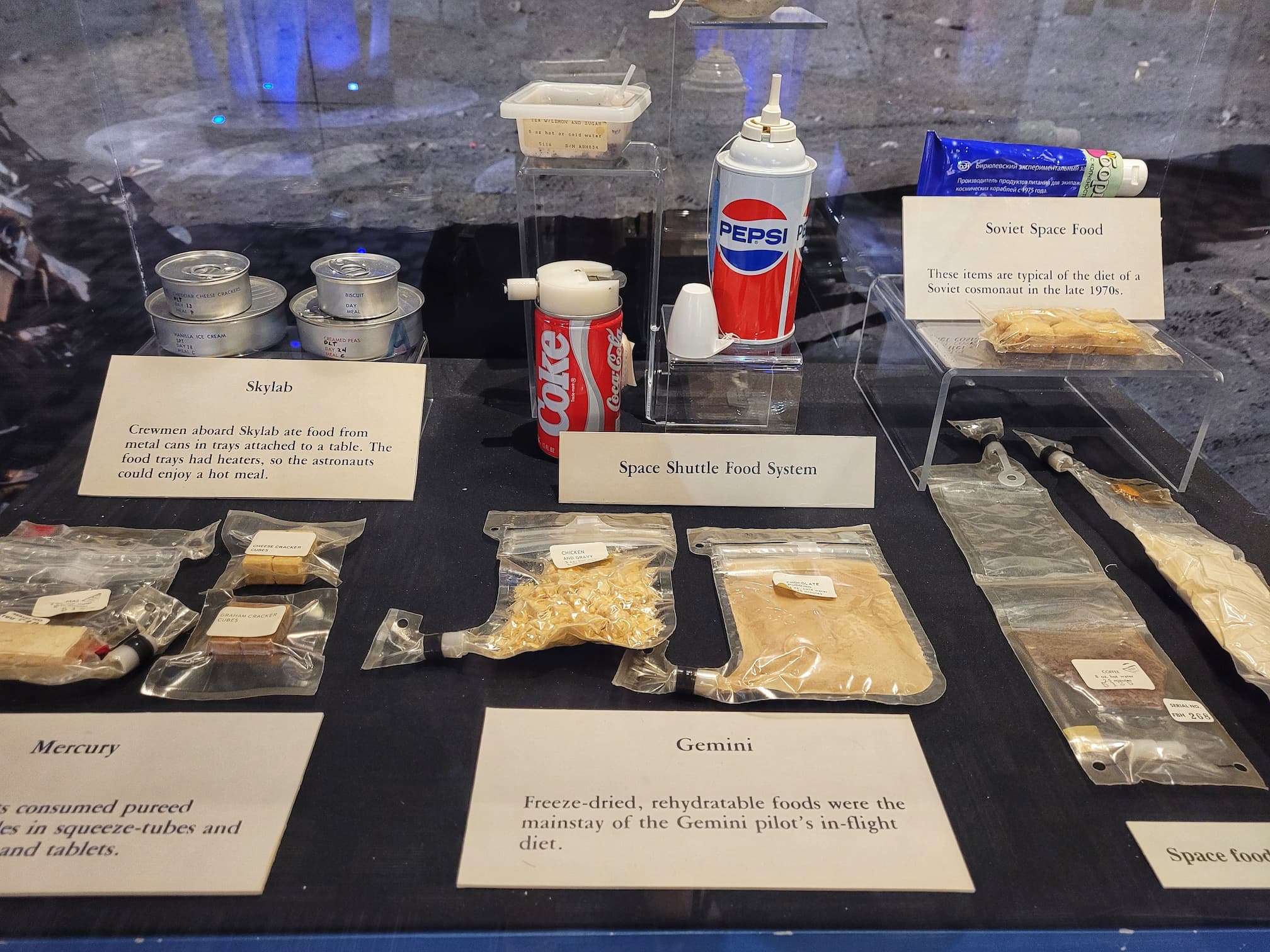
This gallery focuses on the very human side of space travel and how astronauts adapt to extreme conditions. You’ll see space suits, daily-use equipment, American and Soviet space food, and even a space toilet.
Looking Out, Looking Back
Before humans traveled into space, satellites paved the way, and they’re still shaping our lives today. This exhibit explains how satellite technology evolved and how it supports everything from GPS and communication to environmental monitoring and national defense.
Daisy Track & X-37
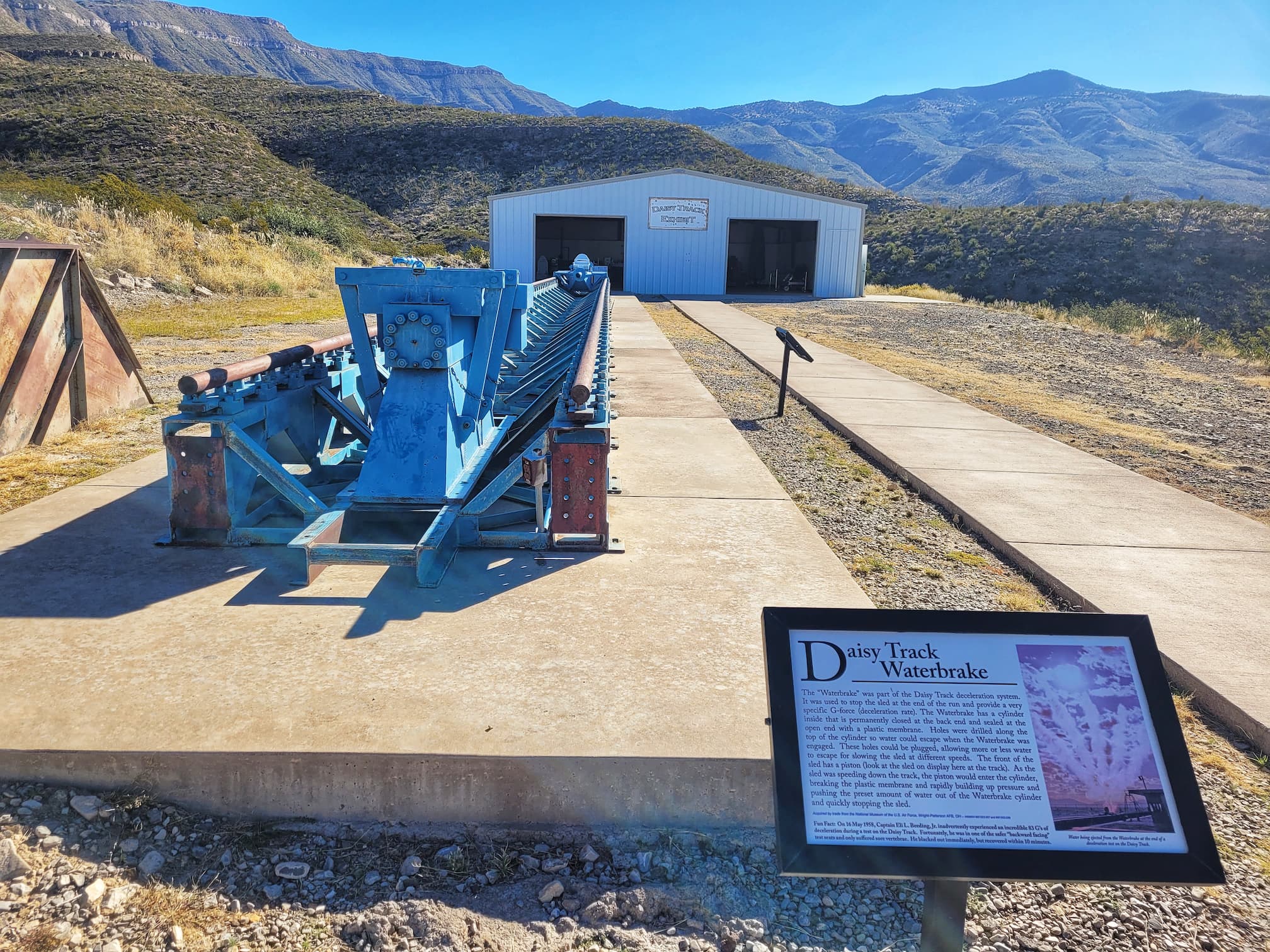
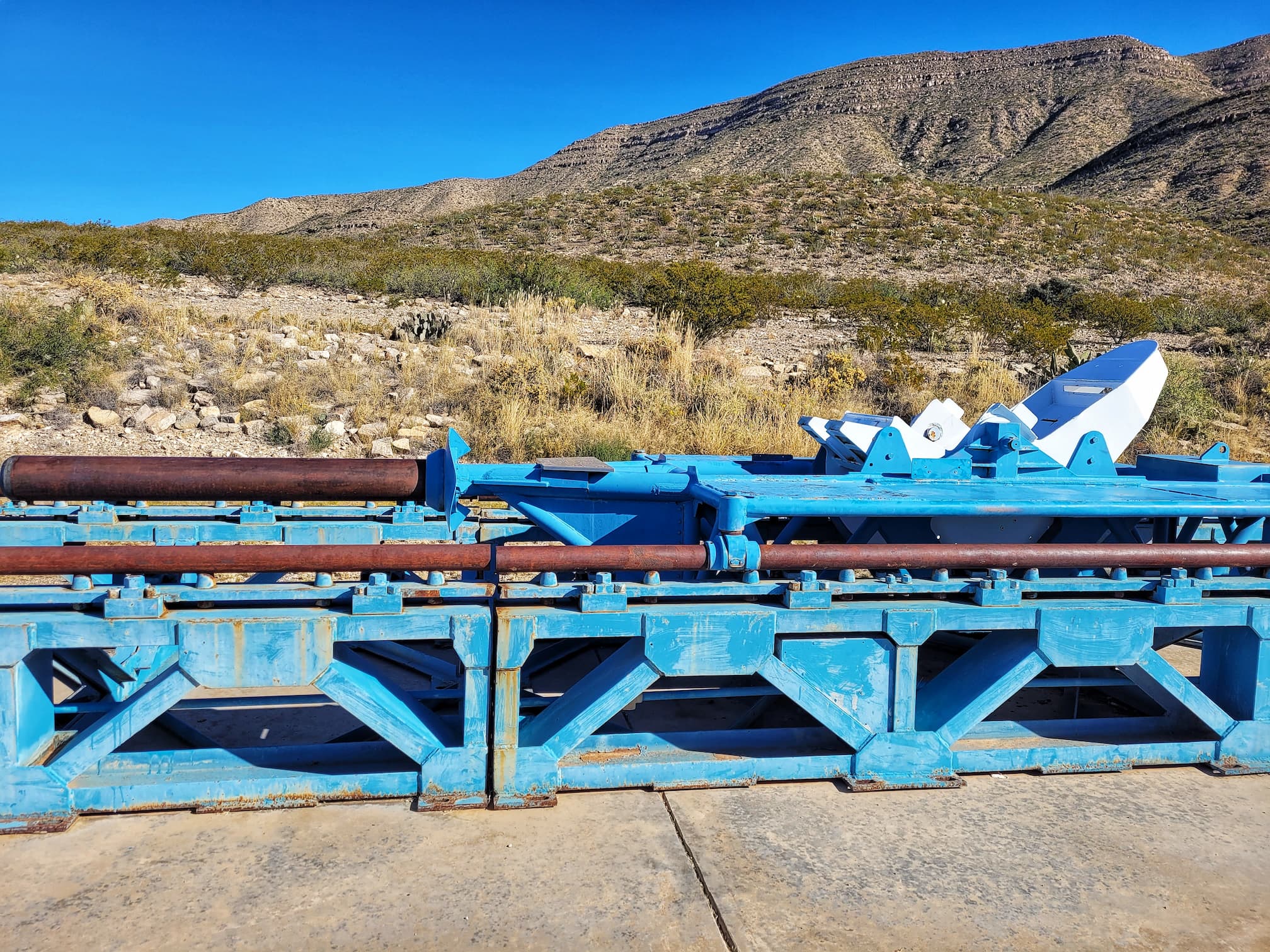
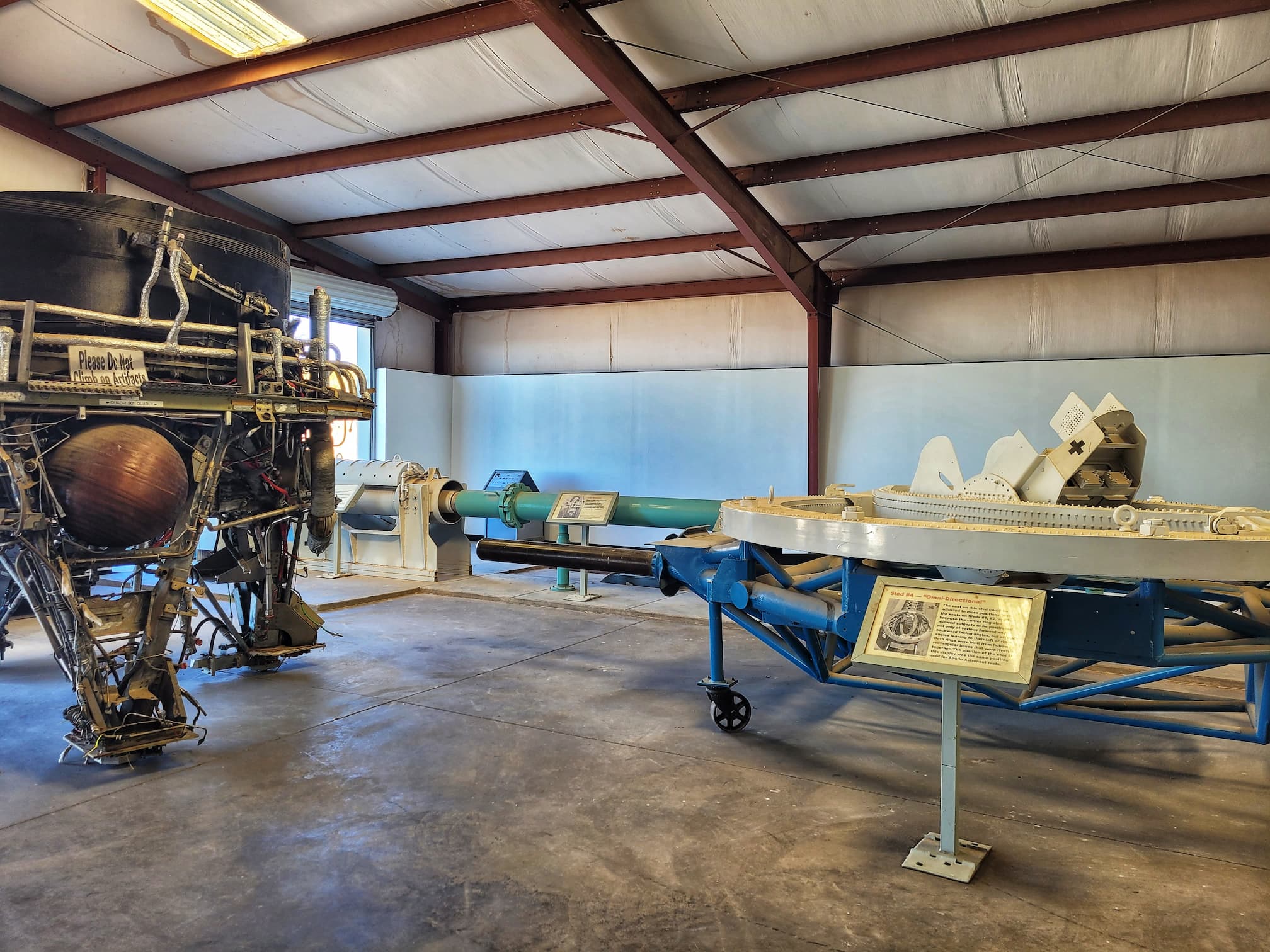
One of the most unique exhibits at the museum, the Daisy Track was used for decades to study how acceleration and impact affect the human body, research that directly supported the Mercury and Apollo programs. Sharing the space is a full-scale mockup of the X-37 orbital space vehicle, designed for deploying and retrieving satellites with minimal cost and turnaround time.
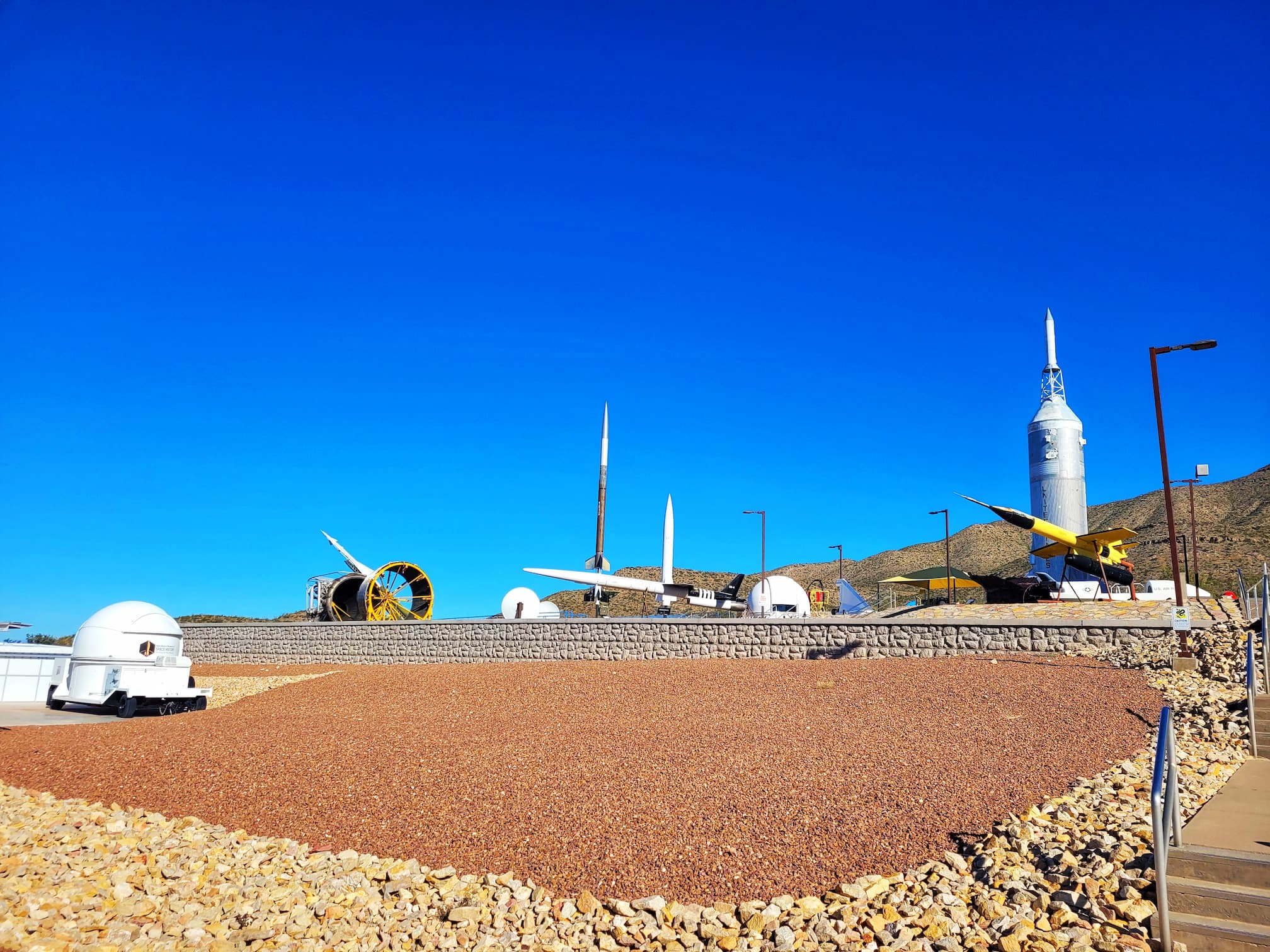
John P. Stapp Air & Space Park
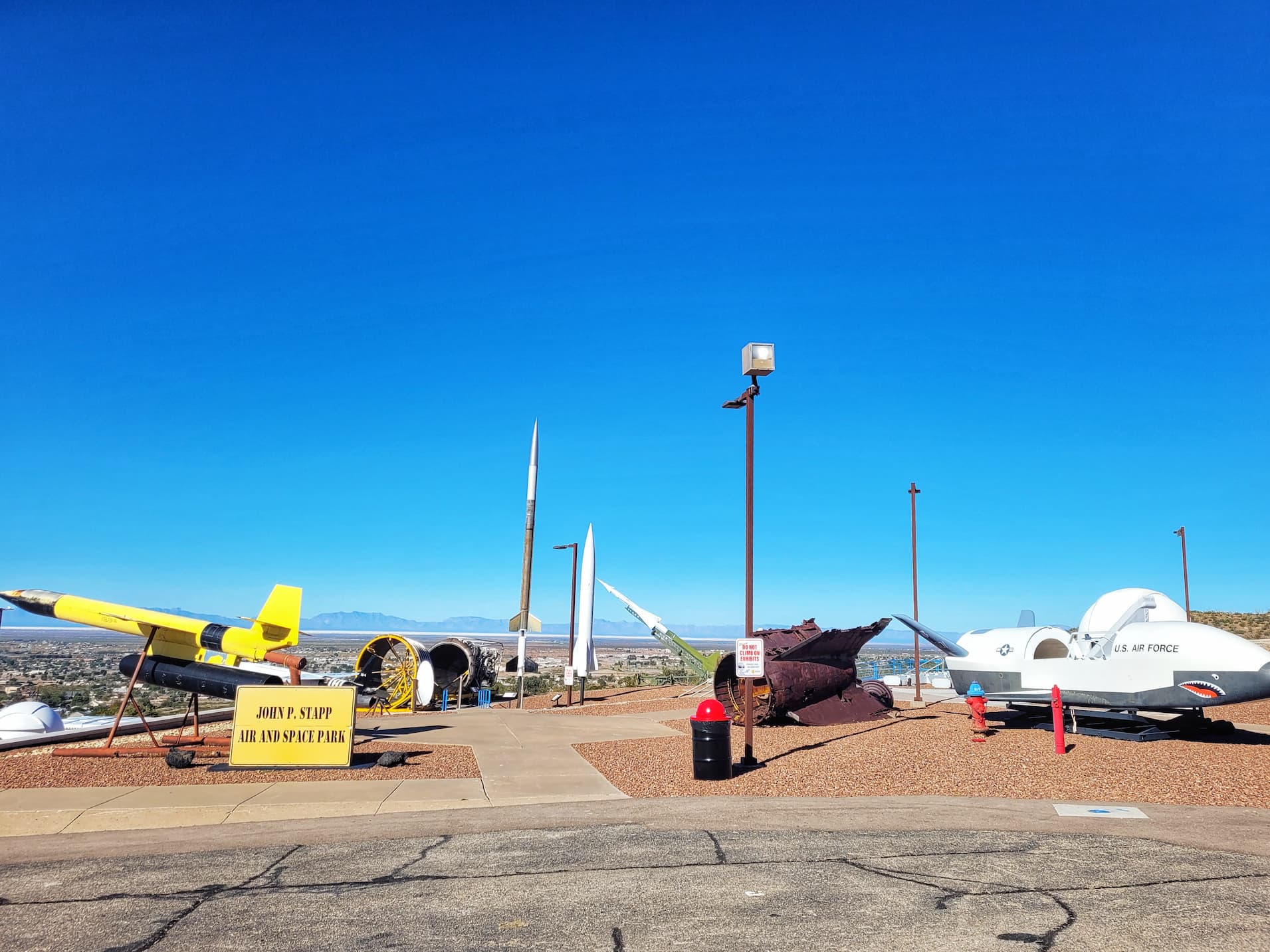
Located outdoors, this park features massive space artifacts you can’t miss, including the Little Joe II rocket. At 86 feet tall, it’s the largest rocket ever launched from New Mexico and was used to test the Apollo Launch Escape System.
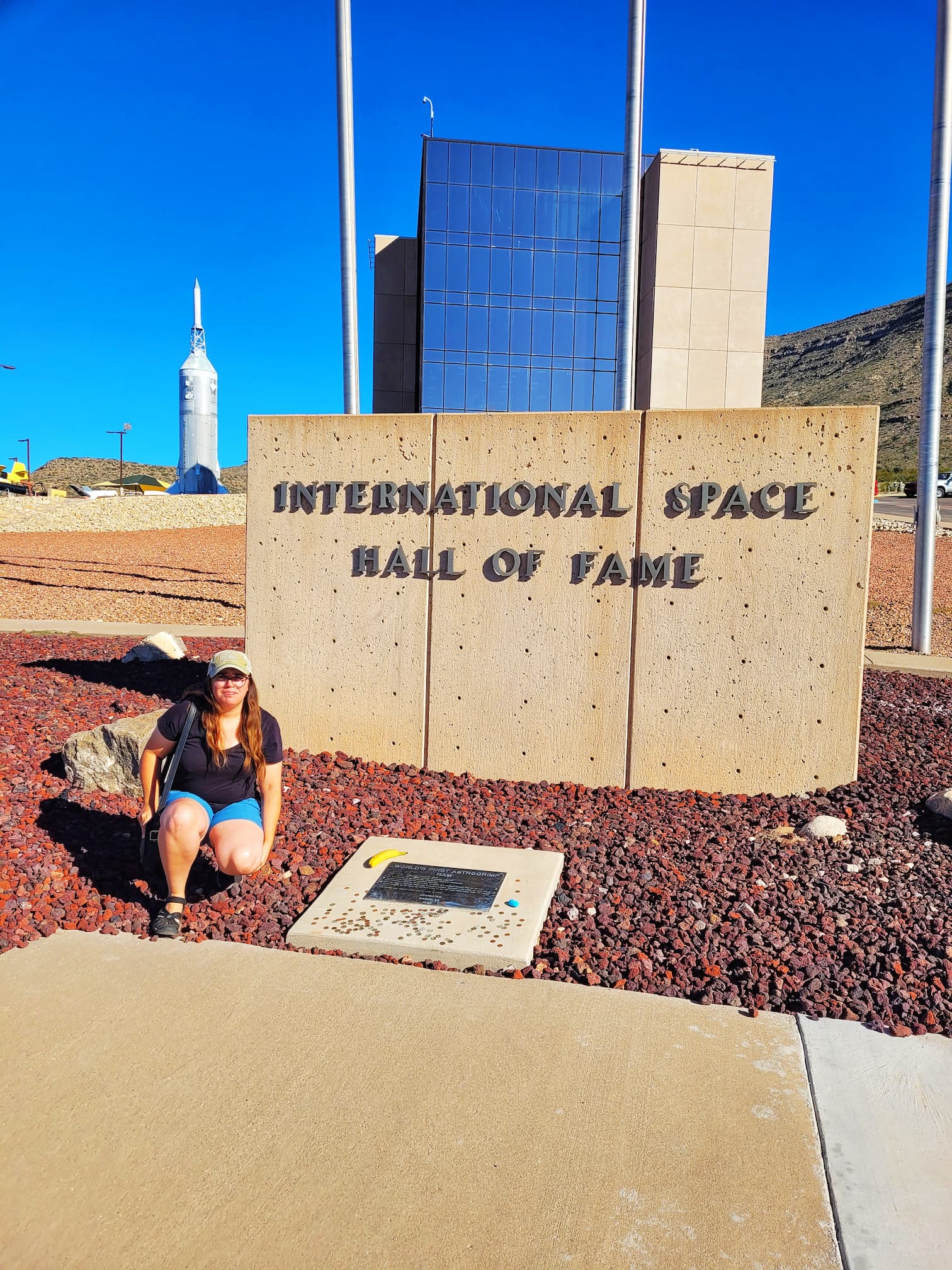
International Space Hall of Fame
Established in 1976, the International Space Hall of Fame honors individuals from around the world whose work advanced our understanding of space. It’s a quieter, reflective part of the museum that adds important context to everything you see throughout your visit.
Events & Programs
Beyond the permanent exhibits, the New Mexico Museum of Space History hosts a variety of events and educational programs throughout the year, which makes it worth checking the calendar before you visit.
You’ll find:
- Special events and seasonal programming
- Lecture series featuring speakers tied to science, space, and aviation
The museum also offers group tours for both students and adults. Groups of 15 or more receive discounted admission, and tours can be booked through the museum’s education department, making this a popular option for school trips and organized groups.
For kids and classrooms, the Rocketeer Academy is a standout offering. These programs include week-long summer camps as well as options where museum educators bring programming directly to schools or groups.
One of the more memorable experiences available is museum sleepovers, designed for youth groups. Spending the night surrounded by rockets and space history is a pretty unforgettable way to experience the museum.
Our Review & Experience
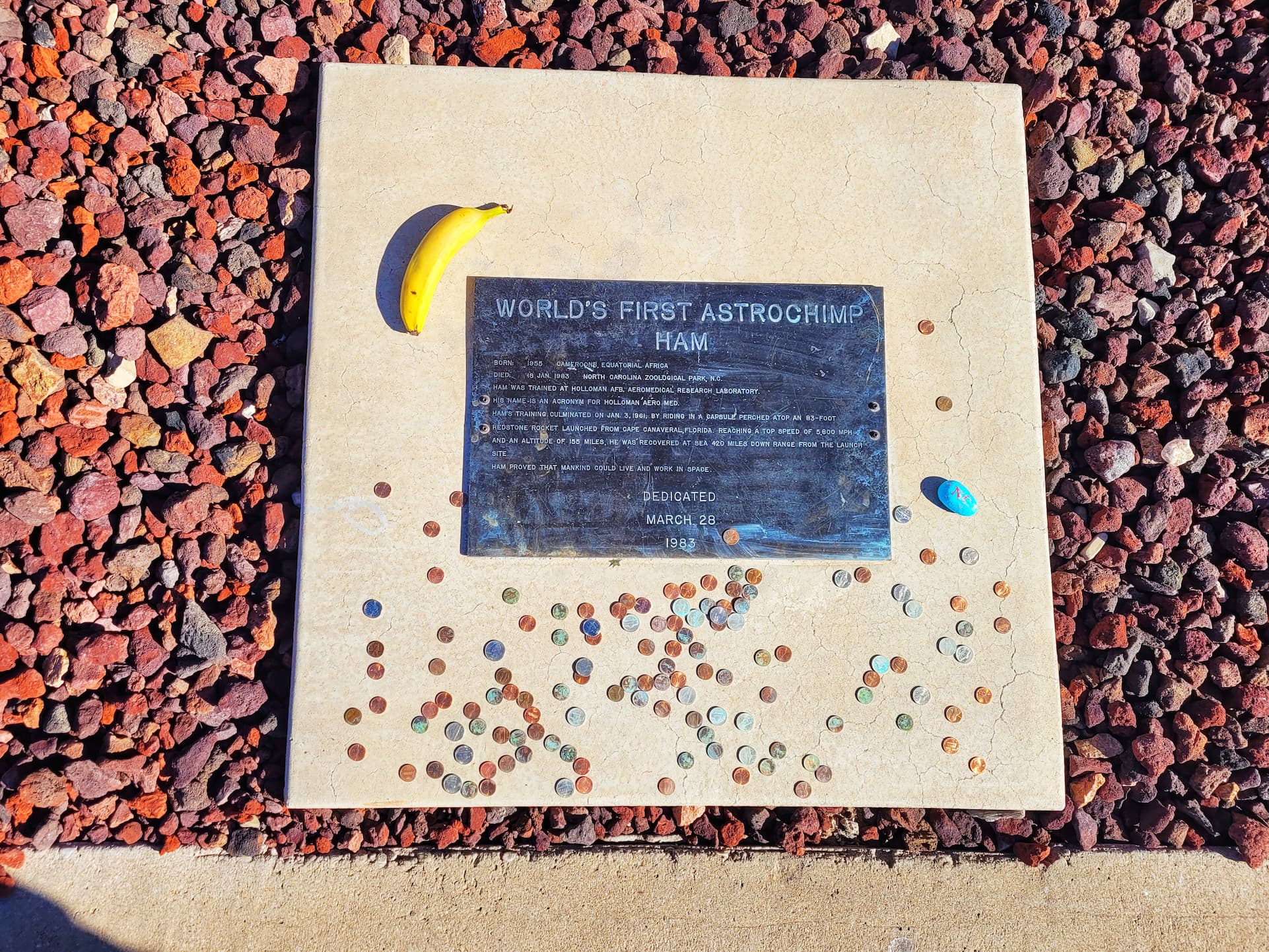
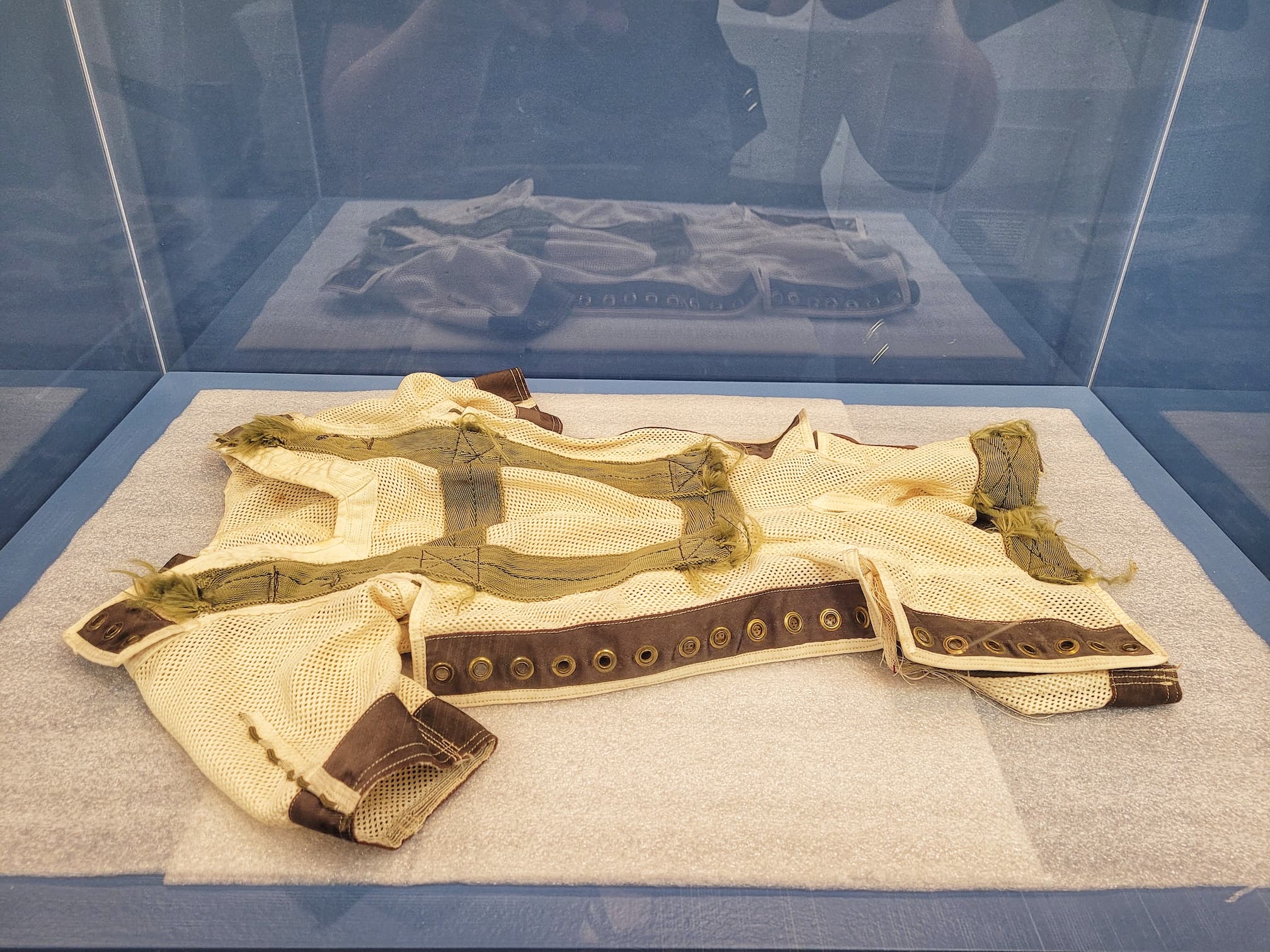
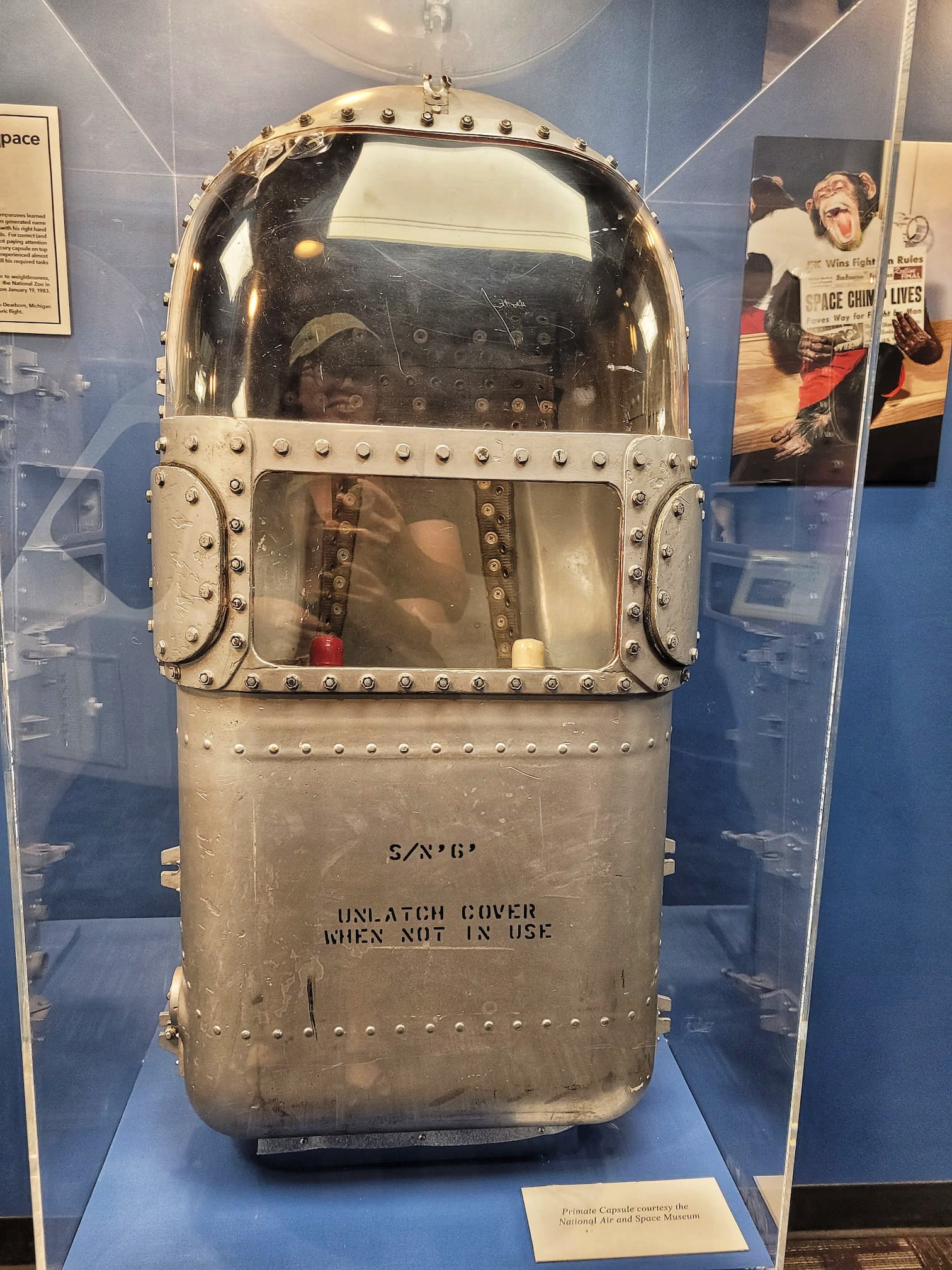
We started our visit outside, exploring the John P. Stapp Air & Space Park and the Daisy Track before heading indoors. One highlight out here was the grave of Ham the Astrochimp, which felt surprisingly moving. Inside the museum, we also came across more artifacts connected to Ham, including his space suit and capsule, which helped tie that story together.
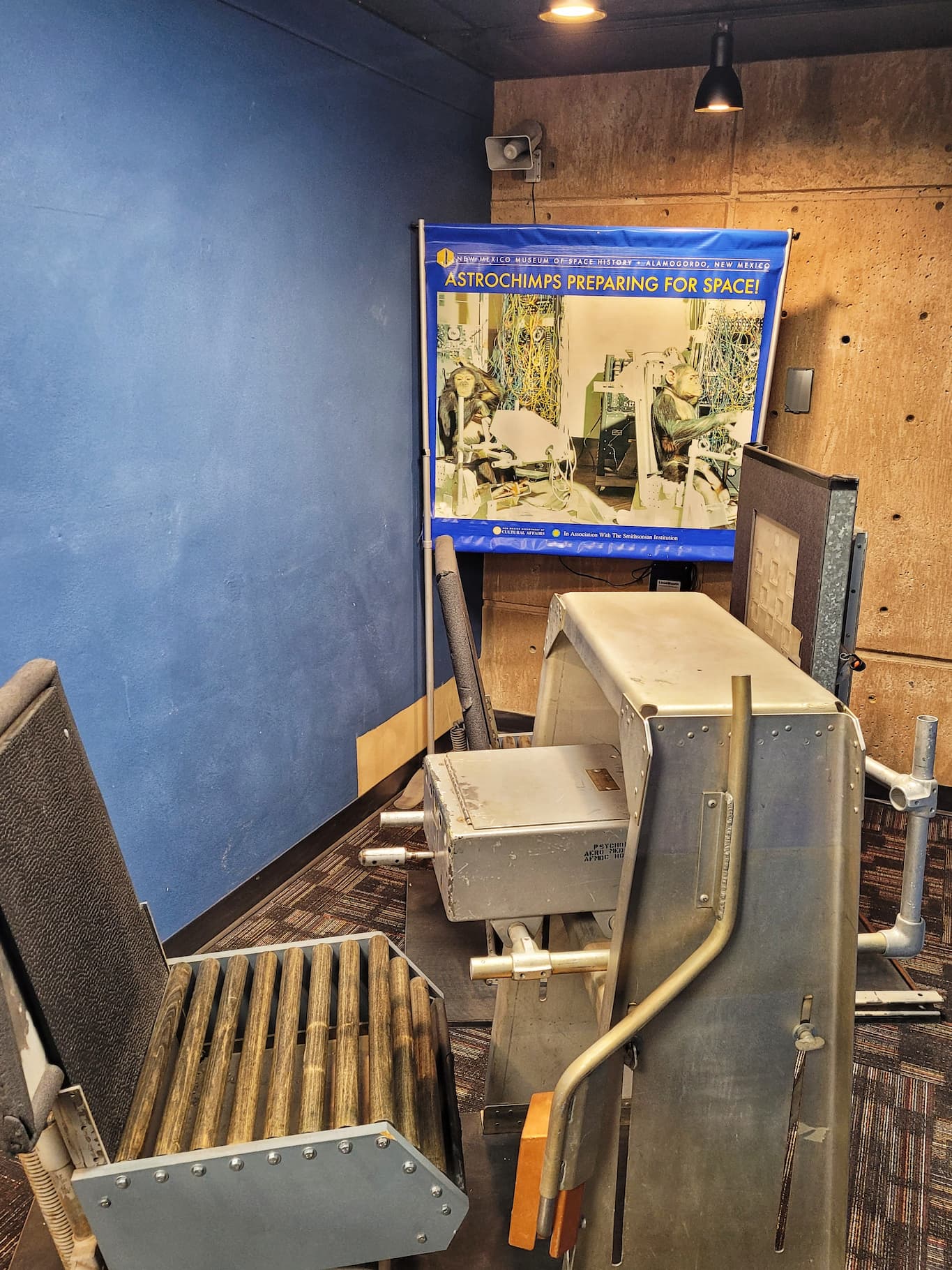
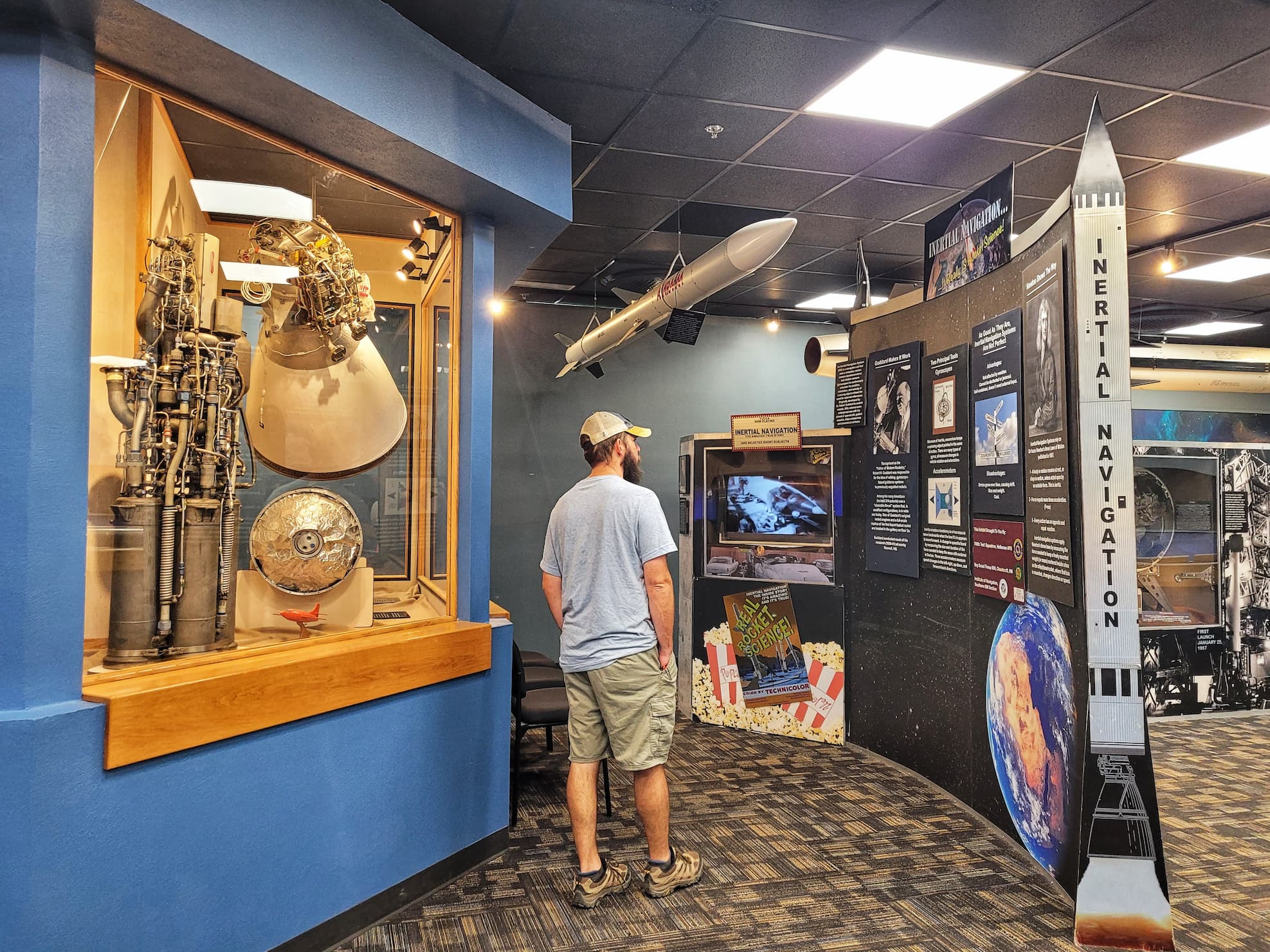
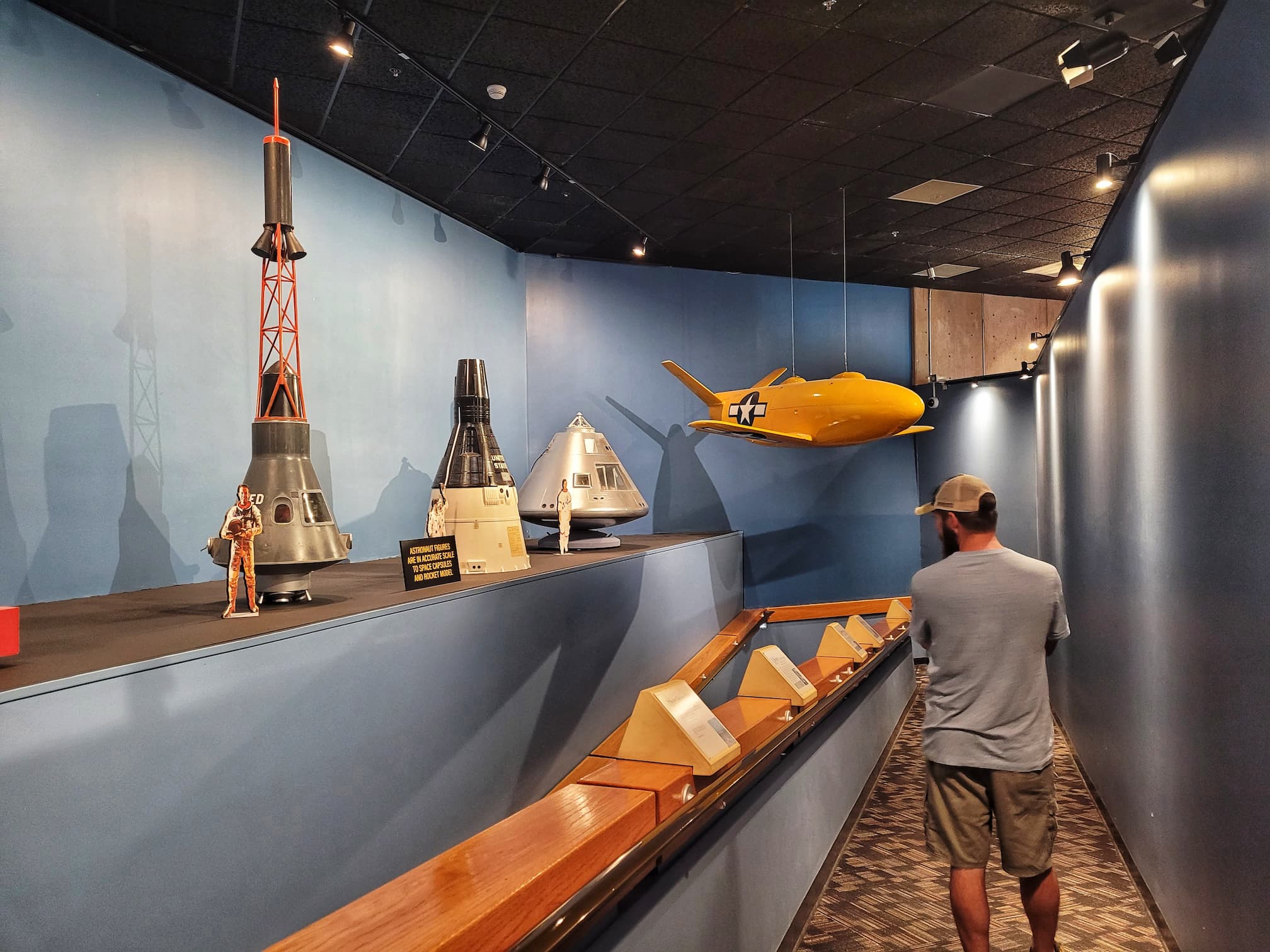
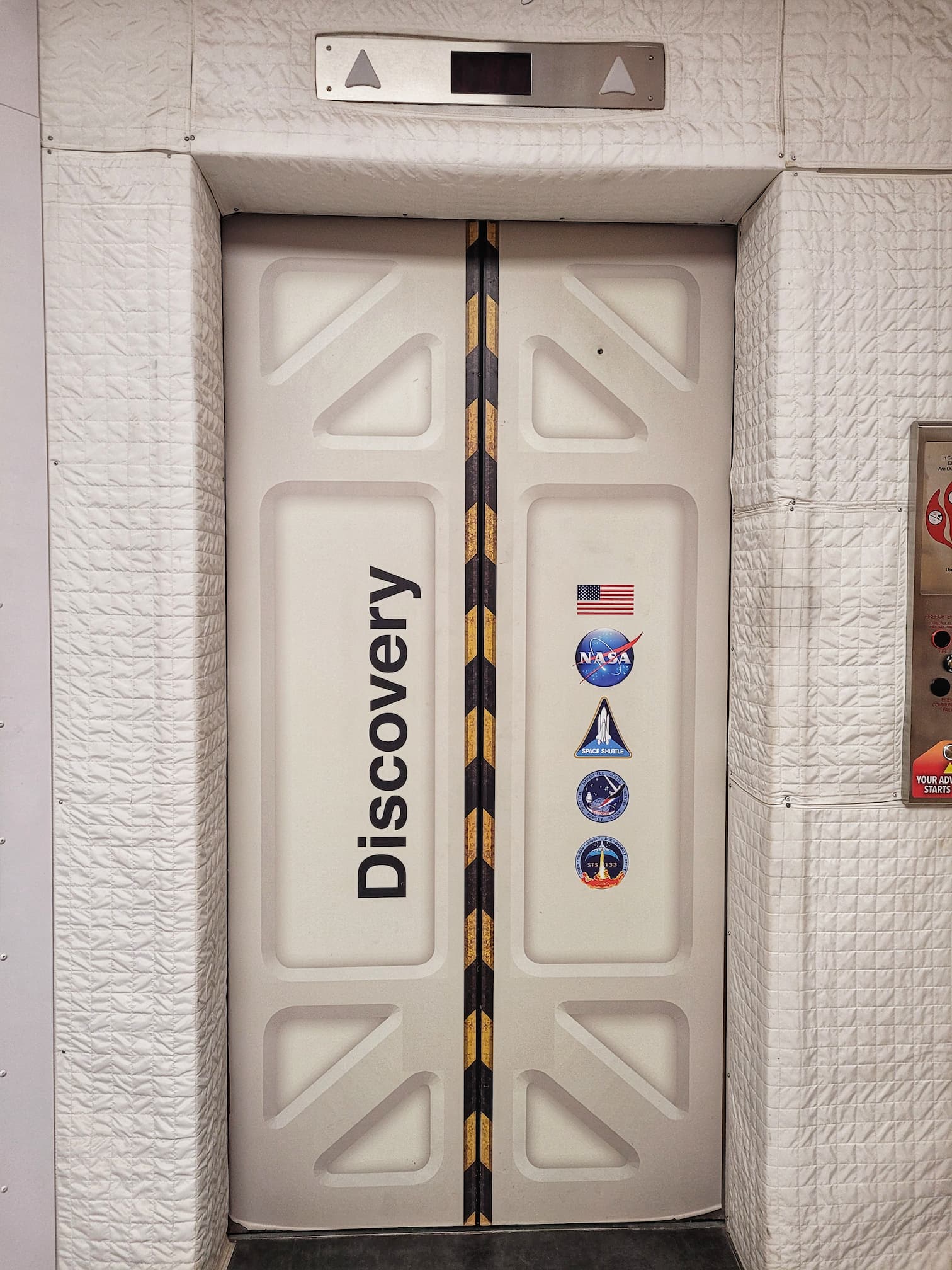
Once inside, the museum experience begins at the top floor, with an elevator ride up before you gradually make your way down via continuous ramps between levels. Not only is this layout very accessible, but it also gives the museum a clear, intuitive flow- something we really appreciate, especially after visiting museums with confusing layouts.
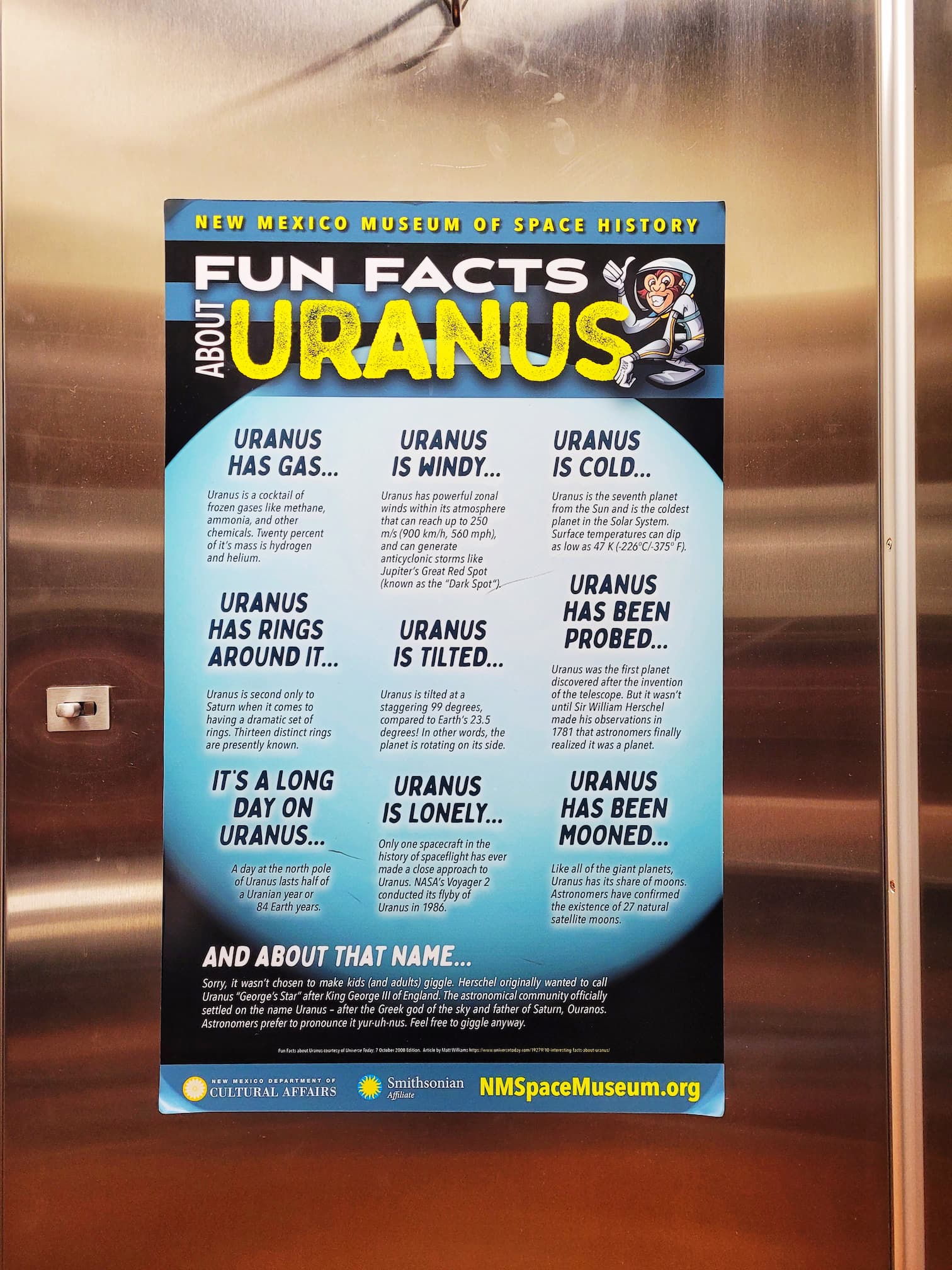
There weren’t quite as many artifacts as we expected, but what is on display is thoughtfully curated and genuinely interesting. Given how affordable admission is, it still felt like we got our money’s worth. We’ve visited some of the larger space museums out there (including the Smithsonian Air & Space Museum), so we’re admittedly a bit spoiled. If this were your first space-focused museum, it would probably feel even more impressive, but even with that comparison in mind, there’s a lot here to enjoy.
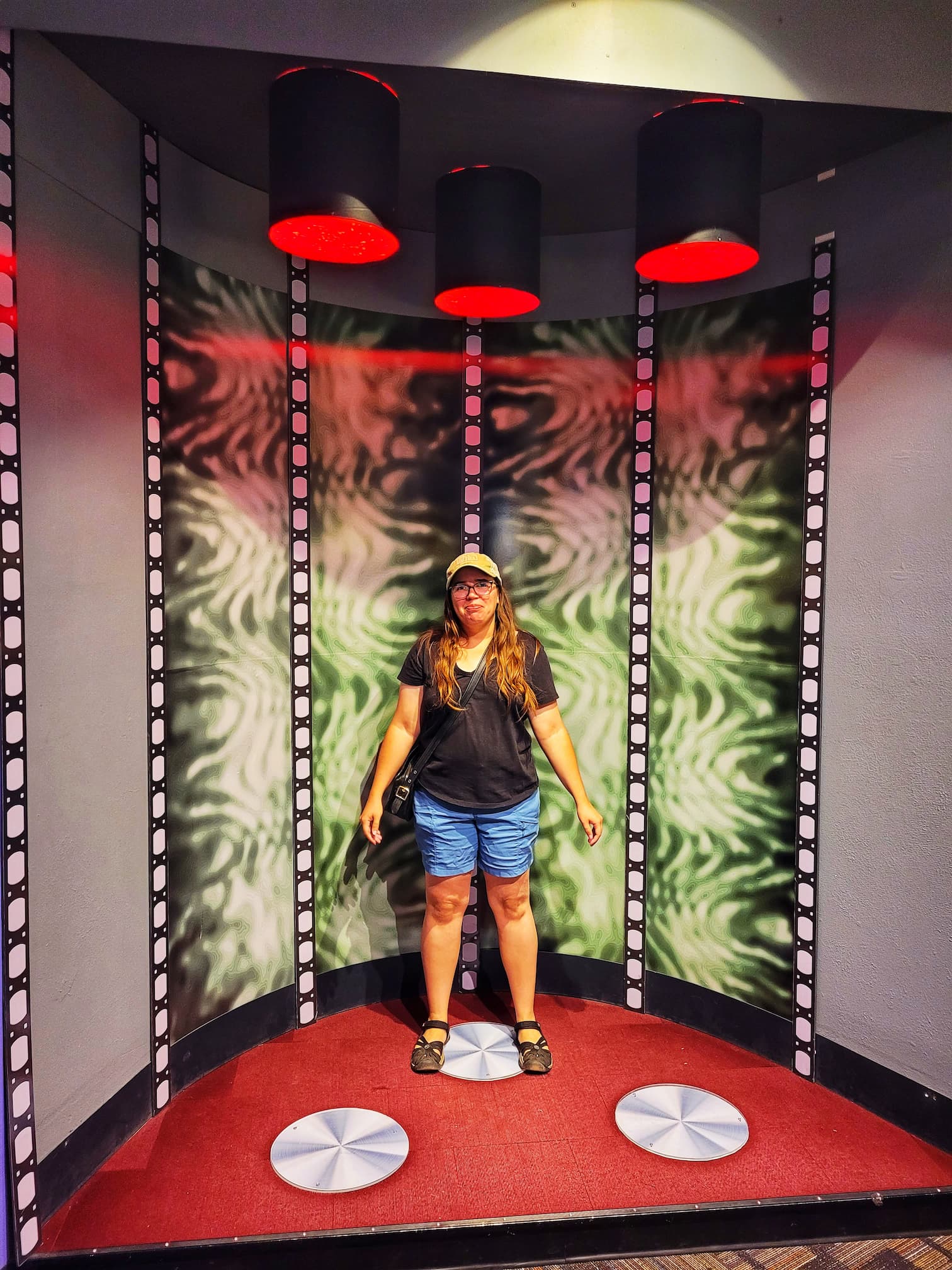
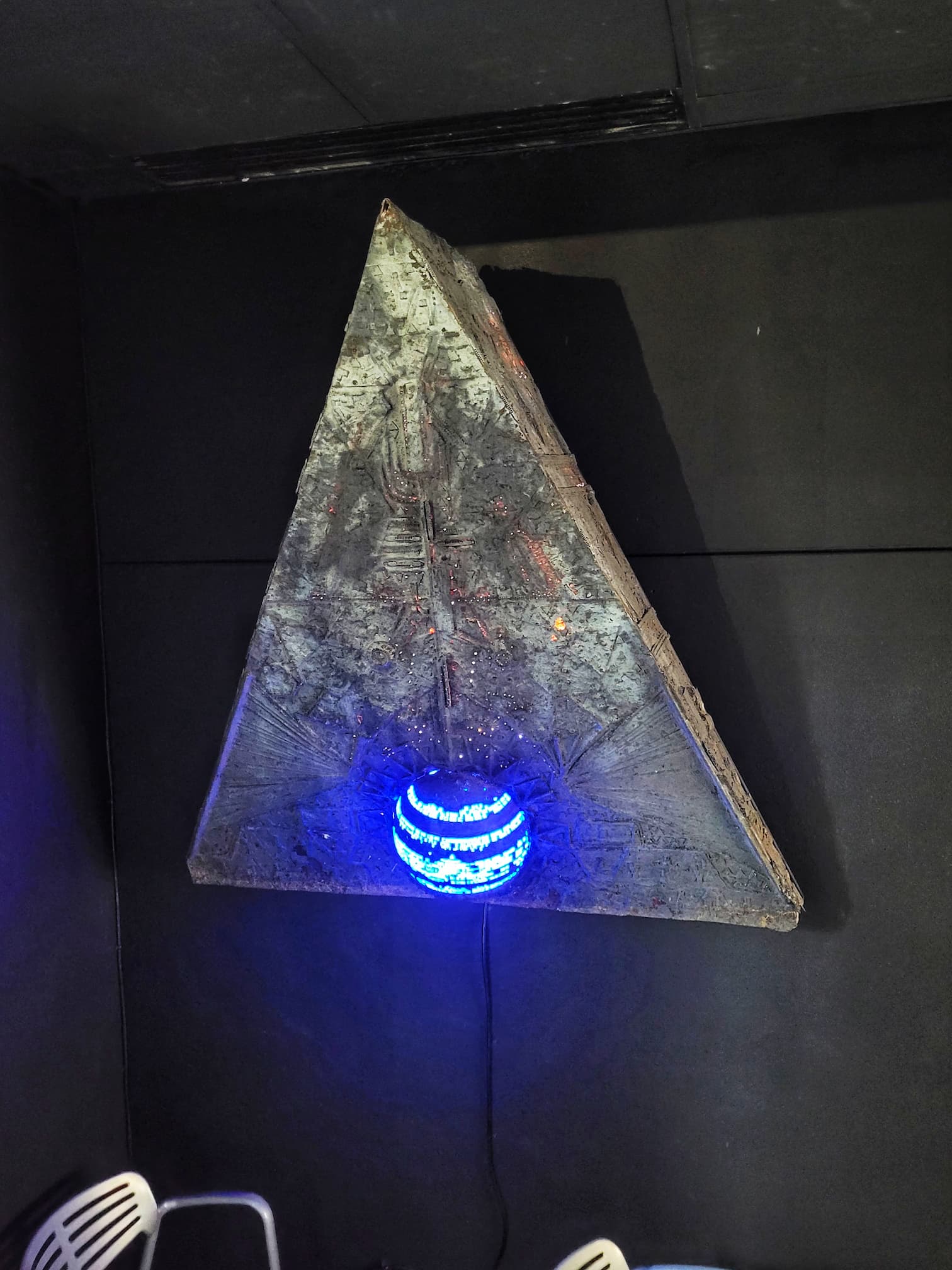
One thing we especially liked was the focus on New Mexico’s role in space history, which adds a layer of local context you won’t find in larger national museums. There’s also a section featuring costumes and props from sci-fi TV shows and movies, which was a personal highlight for me as a big sci-fi fan.
Hands-on activities are scattered throughout the museum, making it a solid option for families with kids who need a little interaction mixed in with the history. Overall, we’d definitely recommend this museum if you’re in the area.