If you’ve spent any time scrolling through “most haunted places in America” lists, chances are the Trans-Allegheny Lunatic Asylum has popped up more than once. This massive stone building in Weston, West Virginia, has been standing for more than 160 years, and its history is every bit as layered as you’d expect from a place that survived the Civil War, housed thousands of patients, and evolved through generations of changing mental health practices.
Originally built as a state-of-the-art refuge for the mentally ill, the asylum was designed with the then-progressive belief that sunlight, fresh air, and thoughtful architecture could help heal the mind. Over the decades, it collected stories of medical breakthroughs, heartbreaking patient experiences, war-time occupation, and even a gold robbery—plus enough ghost tales to keep paranormal teams busy year-round. (And they really do stay busy: crews from almost every ghost show have filmed here thanks to reports of apparitions, mysterious voices, and unexplained sounds).
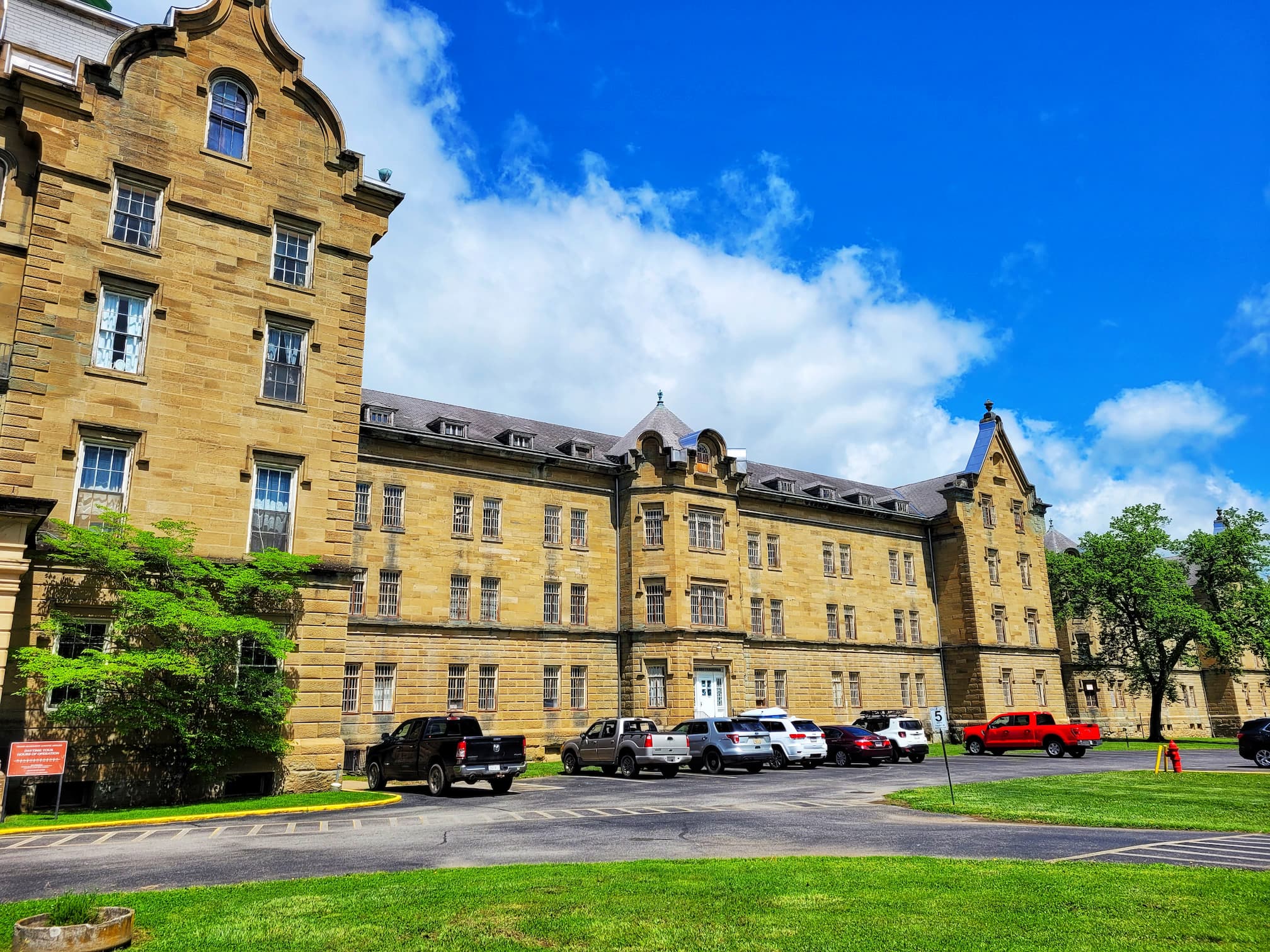
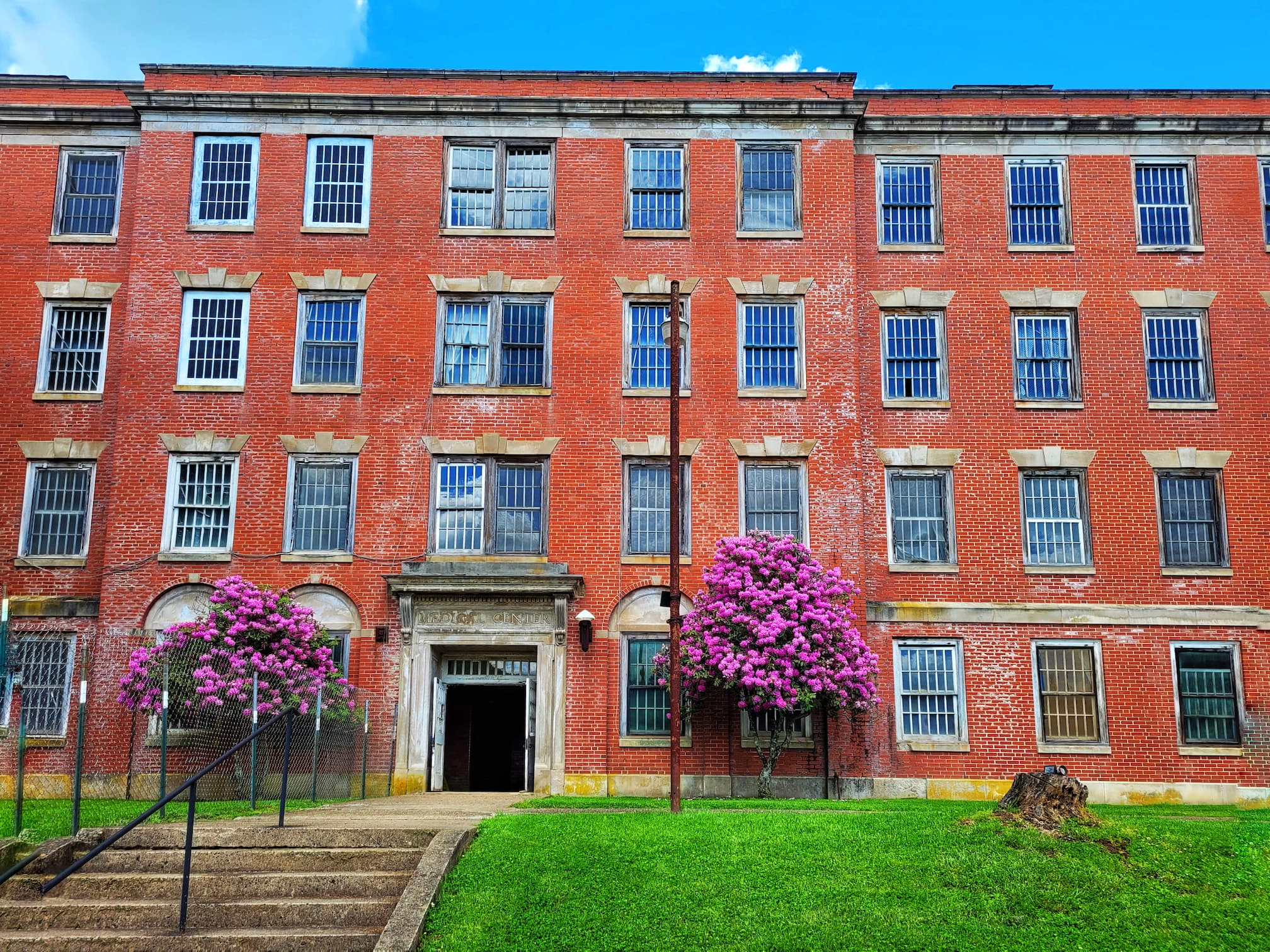
Today, the building is a National Historic Landmark and one of West Virginia’s most unique attractions. Visitors can choose from a huge variety of tours, everything from straightforward history walks to full-on overnight ghost hunts, and get a glimpse into the complicated, often sobering history of mental health care in America.
We had the chance to visit recently and tour the entire main building and part of the Medical Center. Below, I’ll share a little history, what the tour options look like, and what our experience was like wandering the enormous halls of this iconic institution.
A Quick History of the Trans-Allegheny Lunatic Asylum
West Virginia’s Trans-Allegheny Lunatic Asylum has gone by a few names over the years, you might also see it referred to as the West Virginia Hospital for the Insane or Weston State Hospital. No matter what you call it, the place has a lot of history packed into its 26.5-acre footprint.
Construction began all the way back in 1858, following a design by architect Richard Snowden Andrews. He used what’s known as the Kirkbride Plan, a 19th-century approach to asylum architecture that believed the building itself could be part of the healing process. Picture wings stretching outward from a central hub, arranged so every ward could soak up natural light and get plenty of fresh air- kind of an early attempt at “environmental therapy.” The idea was that sunlight, air circulation, quiet surroundings, and a bit of beauty could calm and heal people struggling with mental illness.
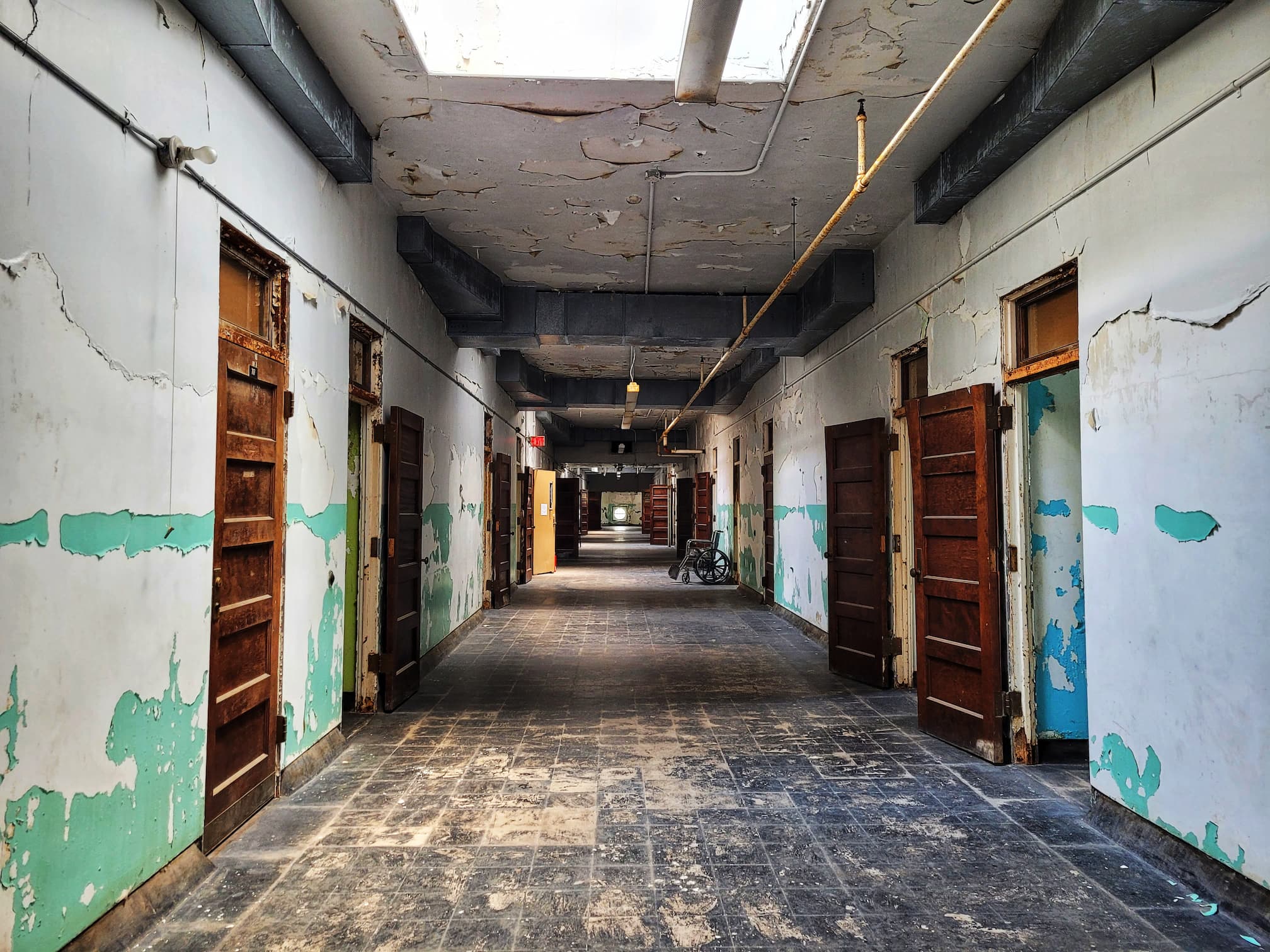
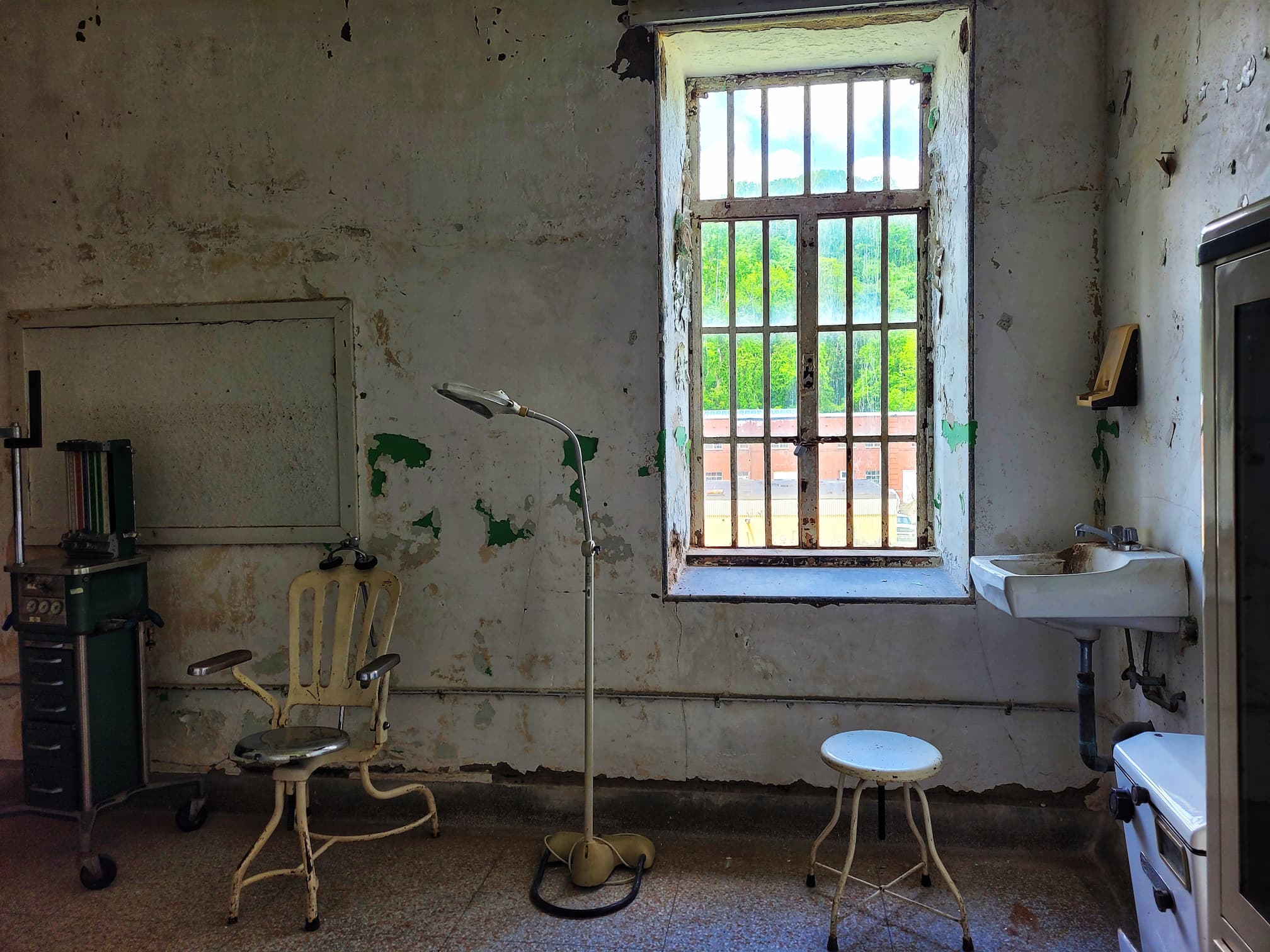
Progress slowed dramatically during the Civil War, when both Union and Confederate forces used the partially built structure and grounds for various purposes. Despite all the setbacks, the hospital opened its doors to patients in October 1864 and eventually wrapped up construction in 1881.
The asylum was originally meant to house around 250 patients… but like many state hospitals of the era, it became severely overcrowded. Some years saw more than 2,400 people packed inside what remains the largest hand-cut stone masonry building in North America.
Treatments over the decades ranged from the comforting to the questionable: think occupational and art therapy, hydrotherapy, hypnotherapy, early medications, and, during a darker chapter, lobotomies.
After 130 years in operation, the hospital finally closed in May 1994. It sat empty for a while until reopening in 2008, this time welcoming tourists instead of patients. Today you can explore the sprawling halls, hear the stories, and learn about the complicated, often heartbreaking history of mental health care in America.
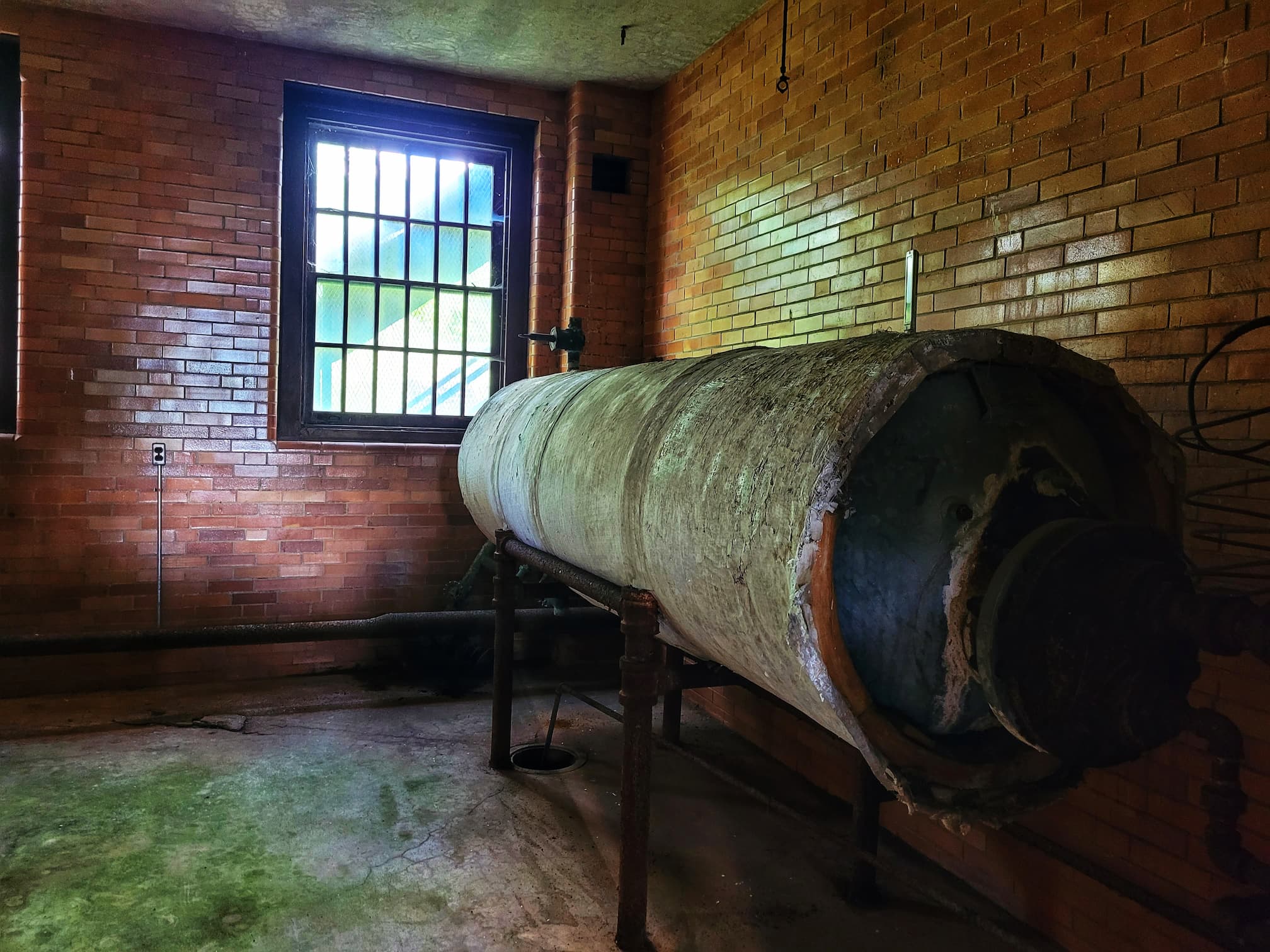
Trans-Allegheny Lunatic Asylum Tour Options
Trans-Allegheny offers a lot of different ways to explore the property, but the tours fall into a few main categories: history, photography, VIP/custom options, deep-dive experiences, and paranormal tours. Here’s a quick breakdown to help you make sense of it all.
Heritage & History Tours
These daytime historic tours run Tuesday–Saturday, depart every hour on the hour, and are first come, first served. They cover the hospital’s history, treatments for mental illness, Civil War impacts, architecture, and the Kirkbride philosophy.
Historic Tour Options:
- 1st Floor Tour – South (45 min) – $15
Covers Civil War history and a restored patient ward. - 1st Floor Tour – North (45 min) – $15
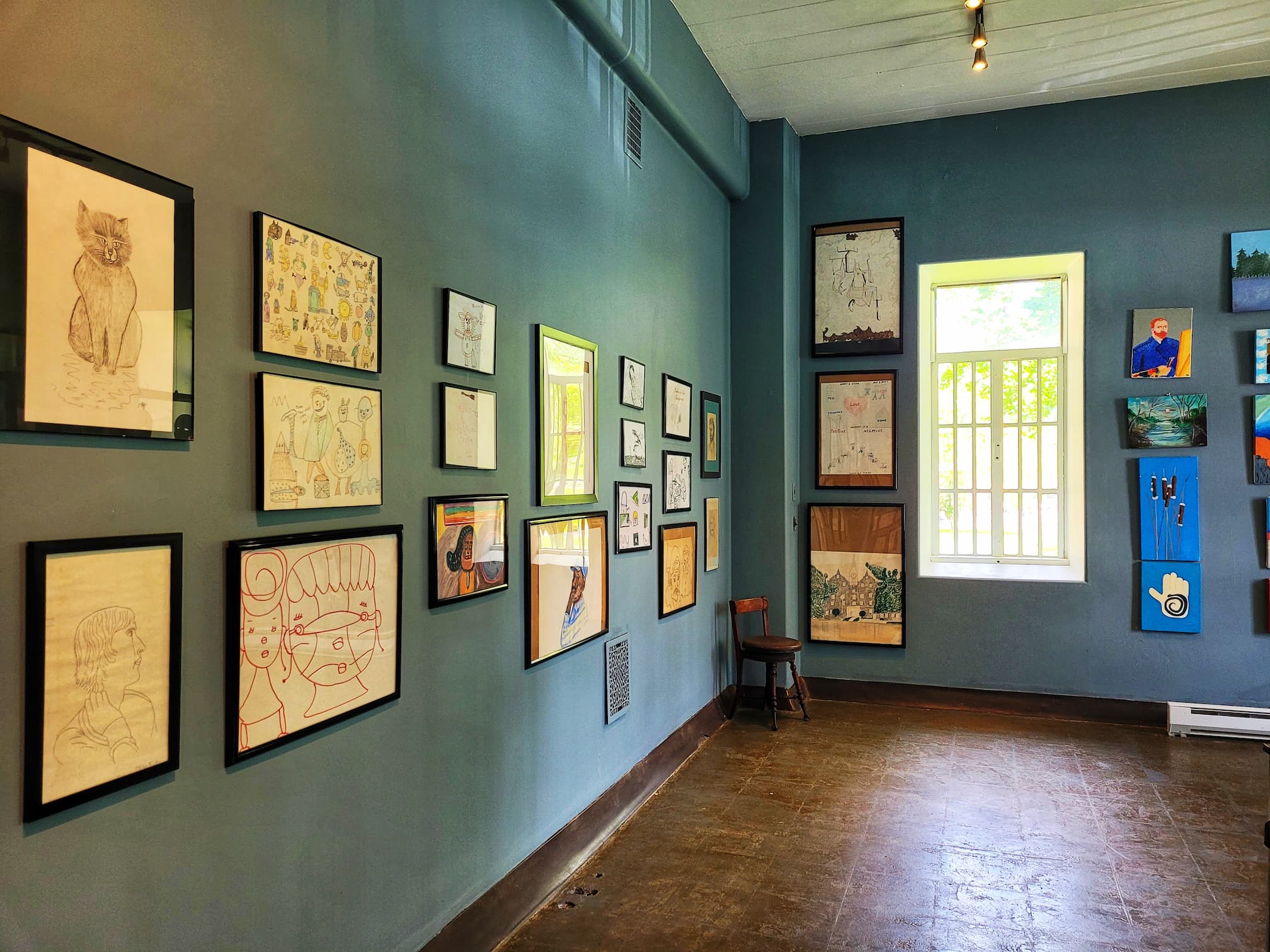
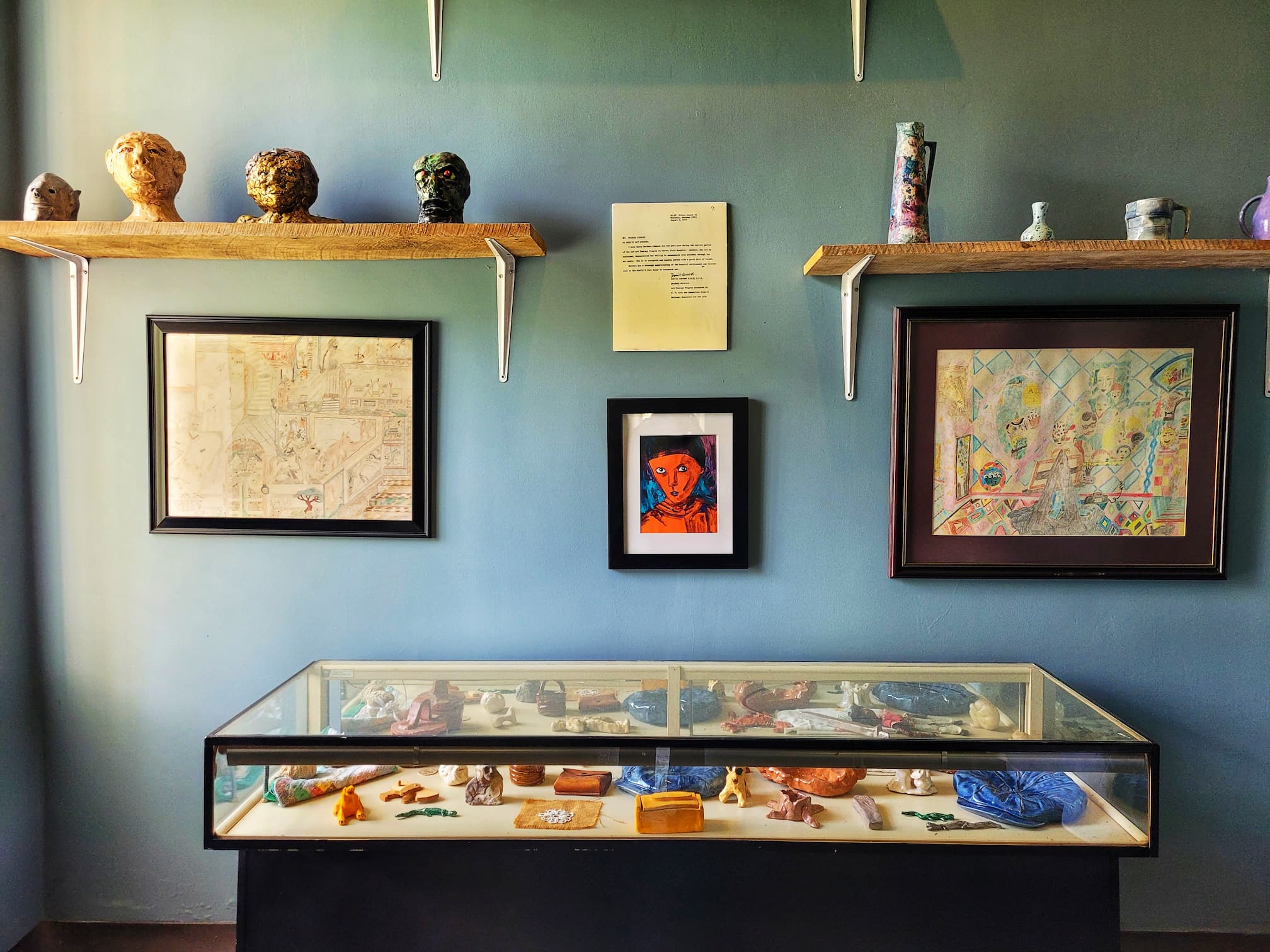
Includes the maximum-security area and the former art therapy wing. - Criminally Insane Tour (45 min) – $15
Focuses on the Forensics Building. - All 4 Floors + Medical Center (90 min) – $30
A comprehensive look at all four floors of the main building plus the 1st floor of the Medical Center.
Photography Tours
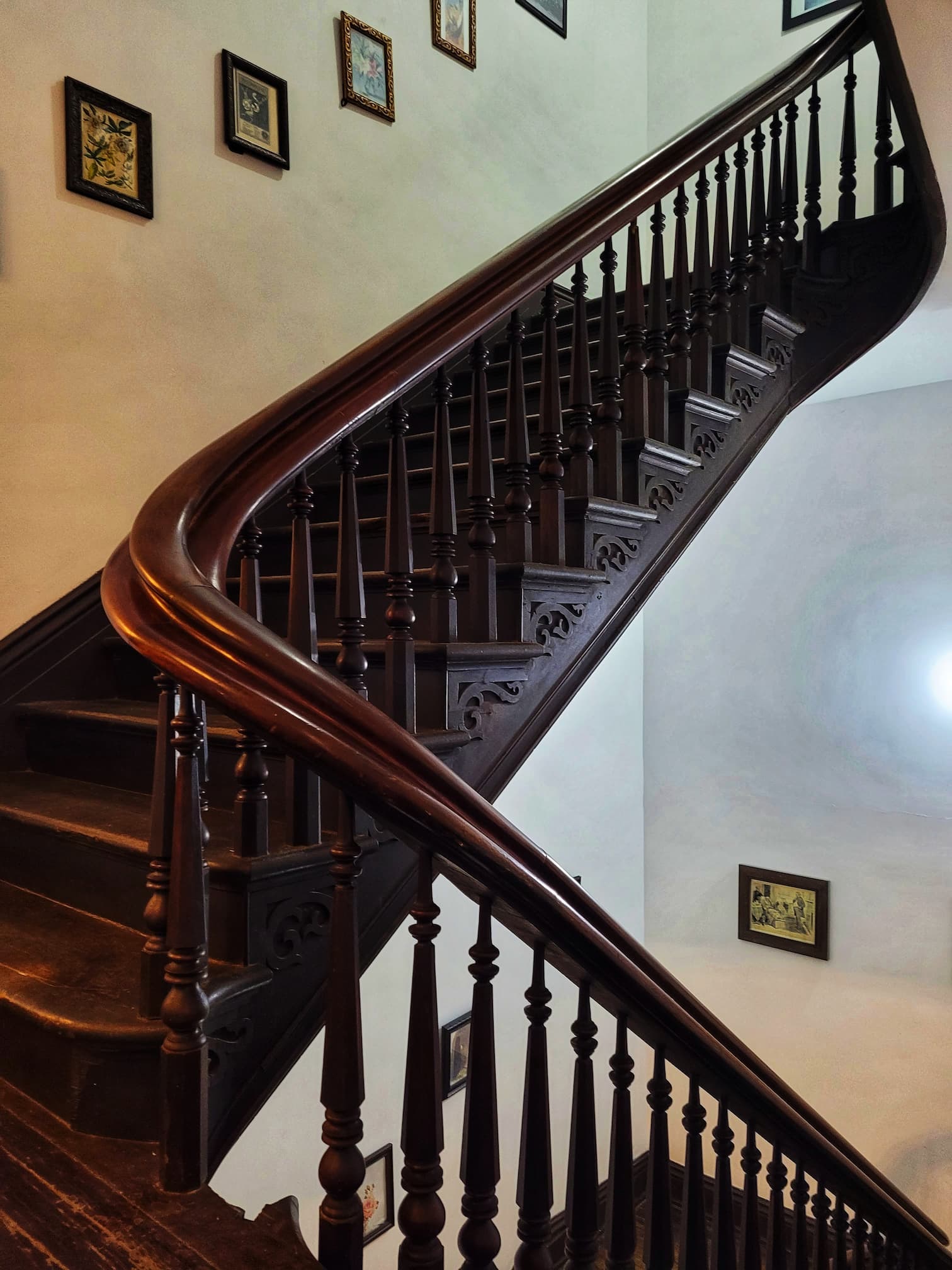
If you’re here for the architecture or want uninterrupted time with your camera, these semi-guided tours give you access to the interiors of the Kirkbride building, Medical Center, Geriatric Building, and Women’s Auxiliary Building, plus the grounds.
- Reservations required
- No historical narration, and not a substitute for commercial filming permissions
- Morning or Afternoon – $100
- Both sessions – $150
VIP Tour (90 min) – $40
A customizable mix of history, paranormal stories, Civil War info, architecture, and treatments. There’s no standard script- your guide shapes the tour around what your group is interested in.
Runs Wednesdays and Saturdays.
Discover the Asylum Tour (6 hours) – $150
This is the ultimate deep-dive. It runs on Mondays, when the asylum is closed to the general public so groups get full, unrestricted access.
You’ll explore:
- All four floors of the Main Building
- The oldest section of the hospital
- The Medical Center
- The Criminally Insane Unit
- The Women’s Auxiliary Building
This one includes history, medical treatments, and paranormal elements, and it requires good physical stamina (lots of stairs and walking). A $10 box lunch can be added.
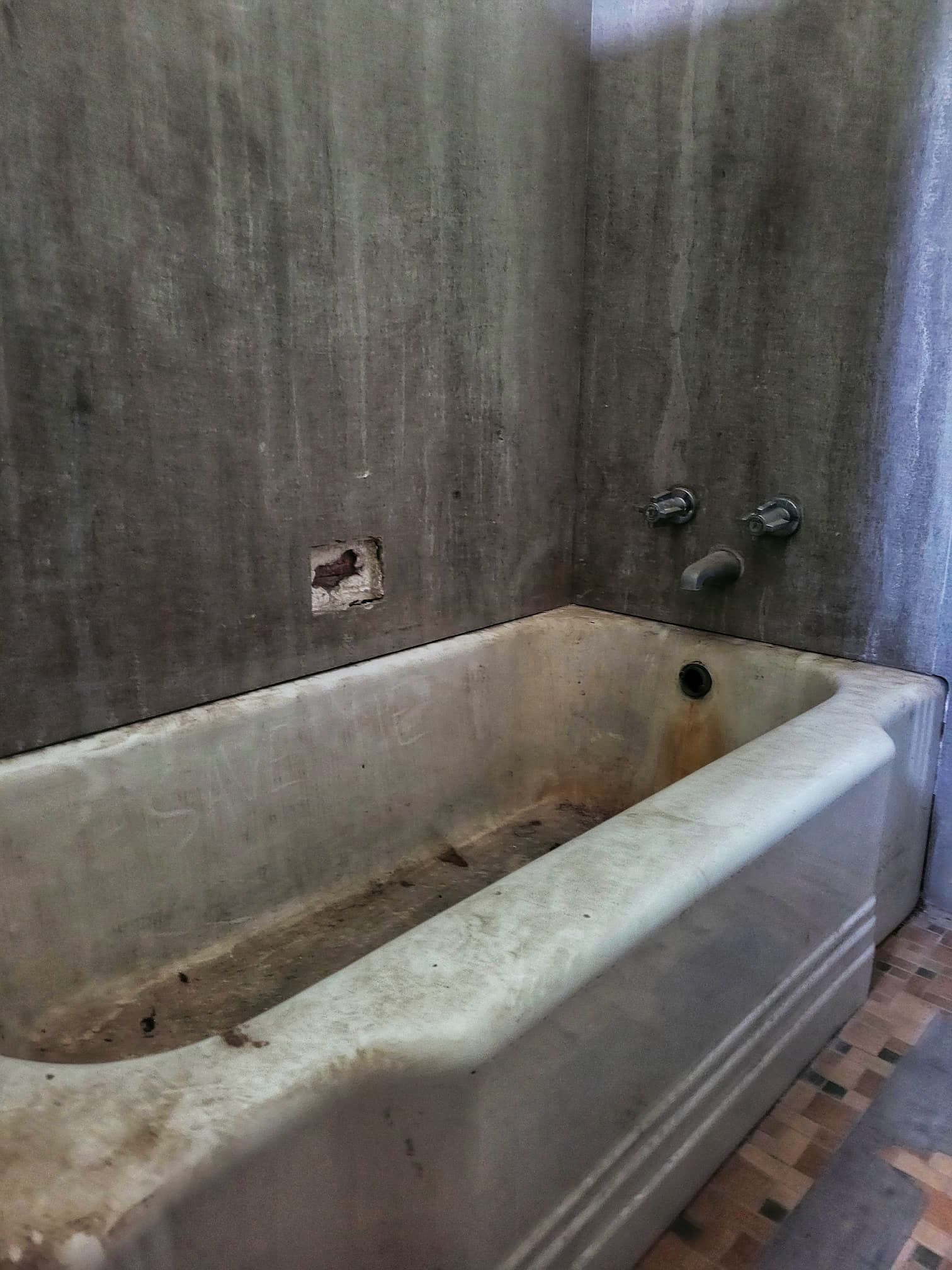
Paranormal & Ghost Tours
If you’re here for the spooky side, you’ve got options- from casual paranormal tours to full overnight investigations.
Ghost Hunts (Public, Overnight, 8 hours):
- Main Building – $100
- Medical, Forensics & Geriatrics Buildings – $100
- Asylum After Dark (6 hours) – $100
Starts at 11:30 pm, with options for the Main Building or other buildings.
All public hunts include a short guided walkthrough and then free investigation time, either solo or with guides.
Private Ghost Hunts (Overnight, 8 hours):
- $150 per person, minimum 10 people
- No other groups on site
- Must provide your own insurance or buy coverage from the asylum for $250
Paranormal Tours (2 hours) – $40
A guided evening tour (9:30–11:30 pm) of four of the most active hotspots. Reservations required.
Daytime Paranormal Tours (90 min) – $35
A shorter paranormal-focused option, available Tuesday–Saturday, first come, first served.
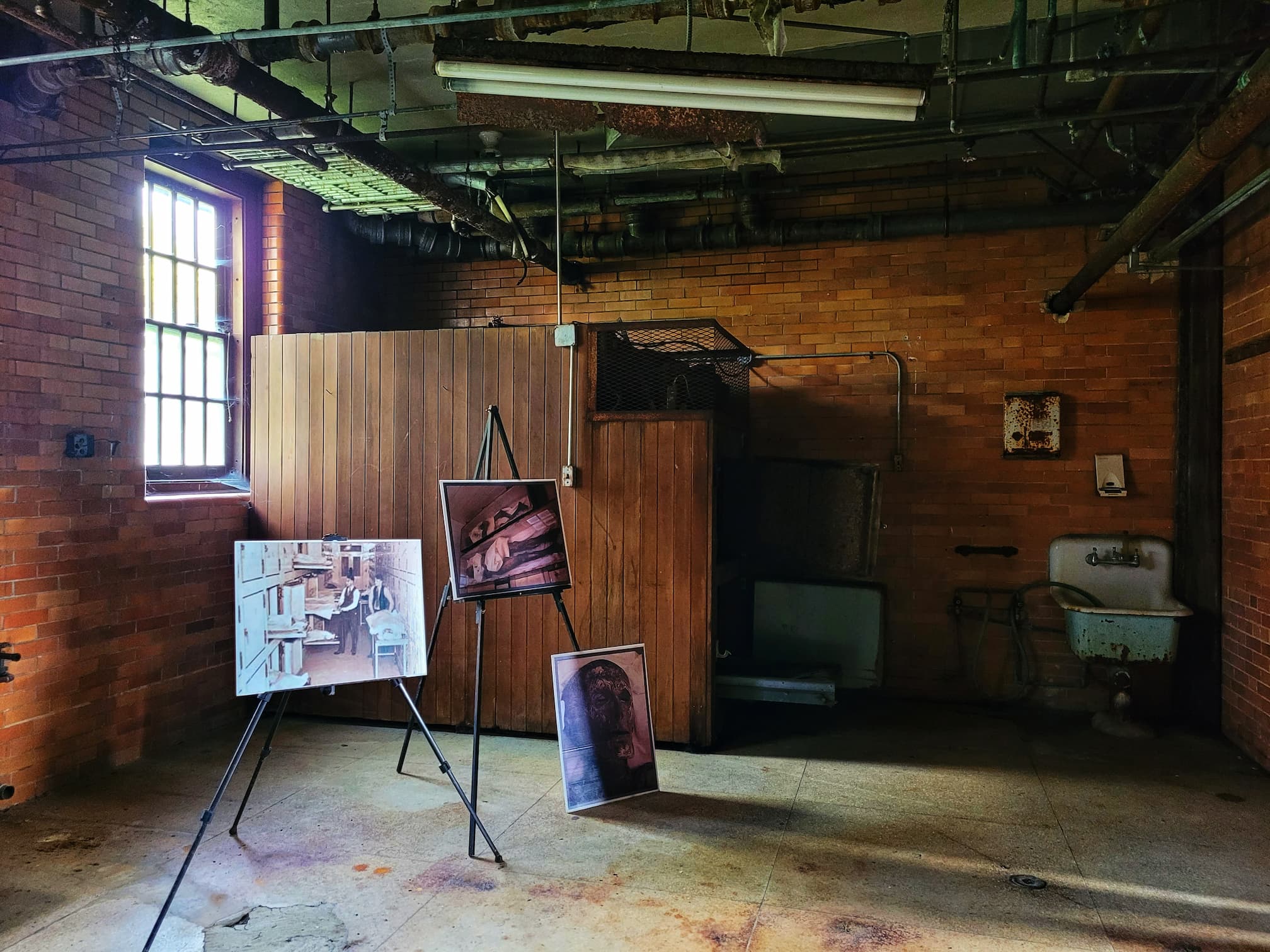
Our Experience at the Trans-Allegheny Lunatic Asylum
For our visit, we chose the 90-minute history tour that covers all four floors of the main building plus the first floor of the Medical Center. It ended up being a great overview of the asylum’s past, the people who lived and worked here, and how the place evolved over more than a century.
Our guide clearly knew their stuff- dates, stories, treatment history, architectural details, all of it. The only downside was that their delivery was a little on the monotone side, so it wasn’t the most high-energy tour we’ve ever been on. At one point someone in our group asked about ghosts, and the guide explained they’re not allowed to answer any paranormal questions on the history tours. I get keeping the history and ghost experiences separate, but it still felt a little strange (and honestly a bit money-grabby on the management side). I’ve never been on a tour where a guide can’t even answer a direct question.
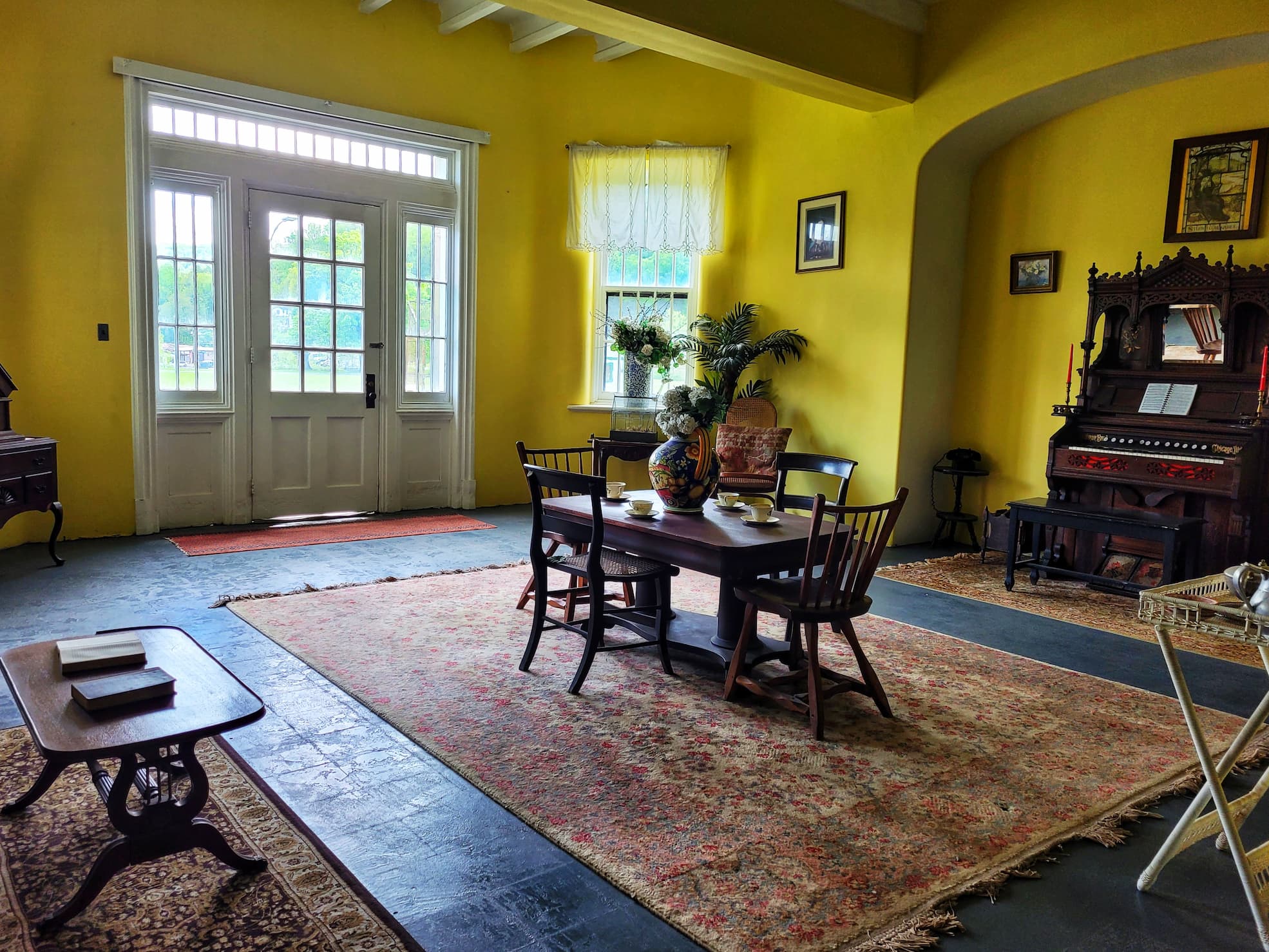
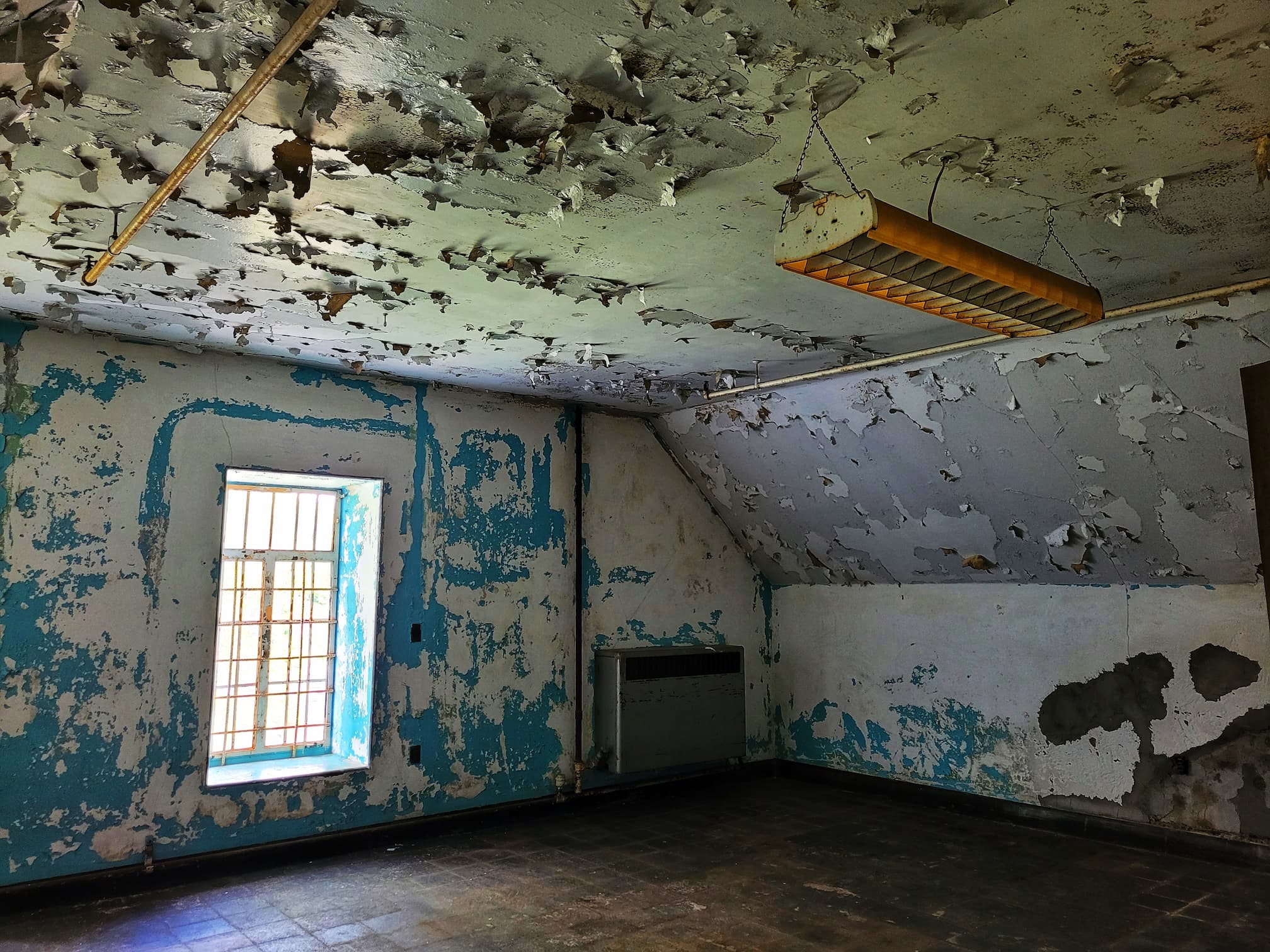
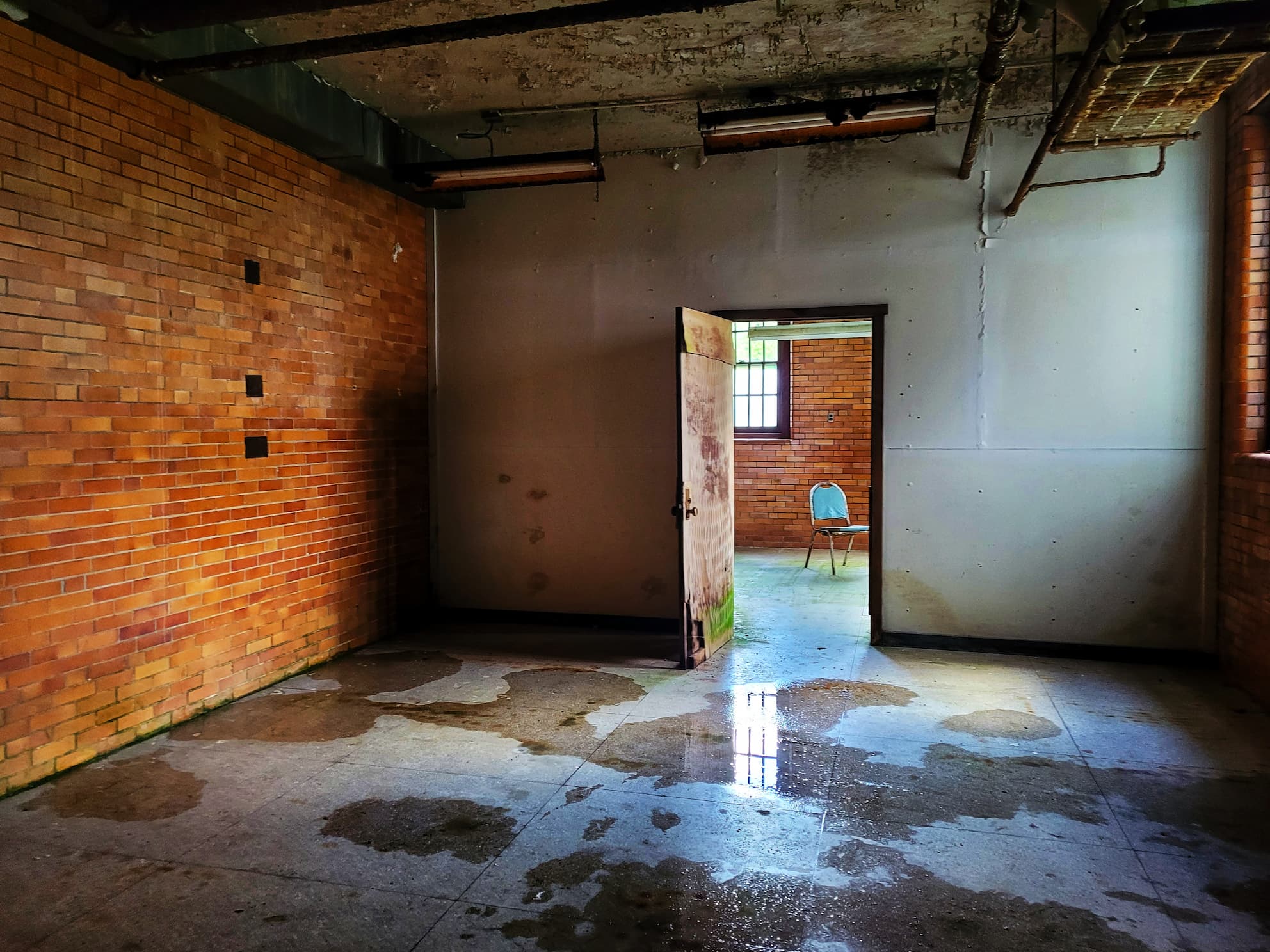
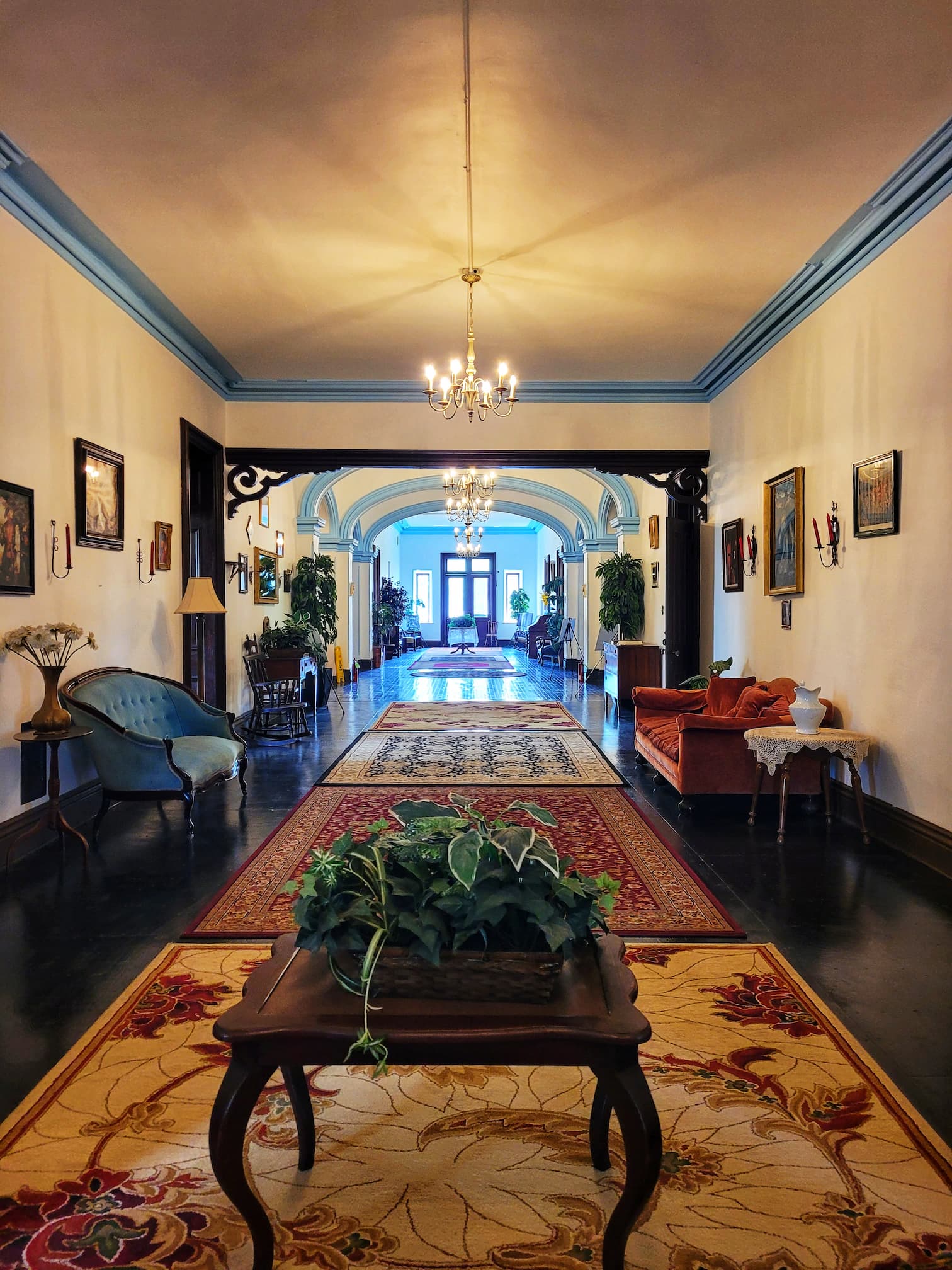
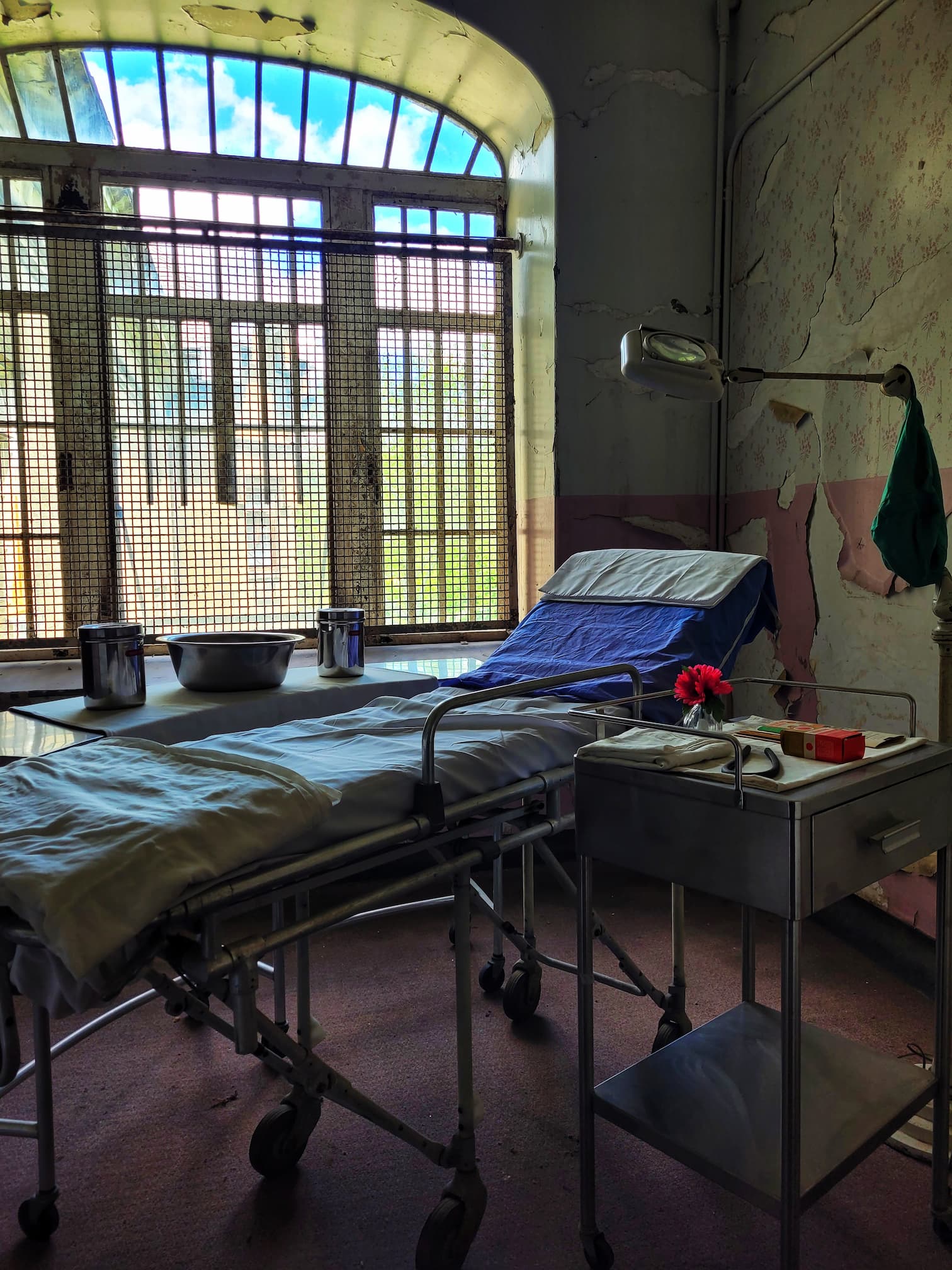
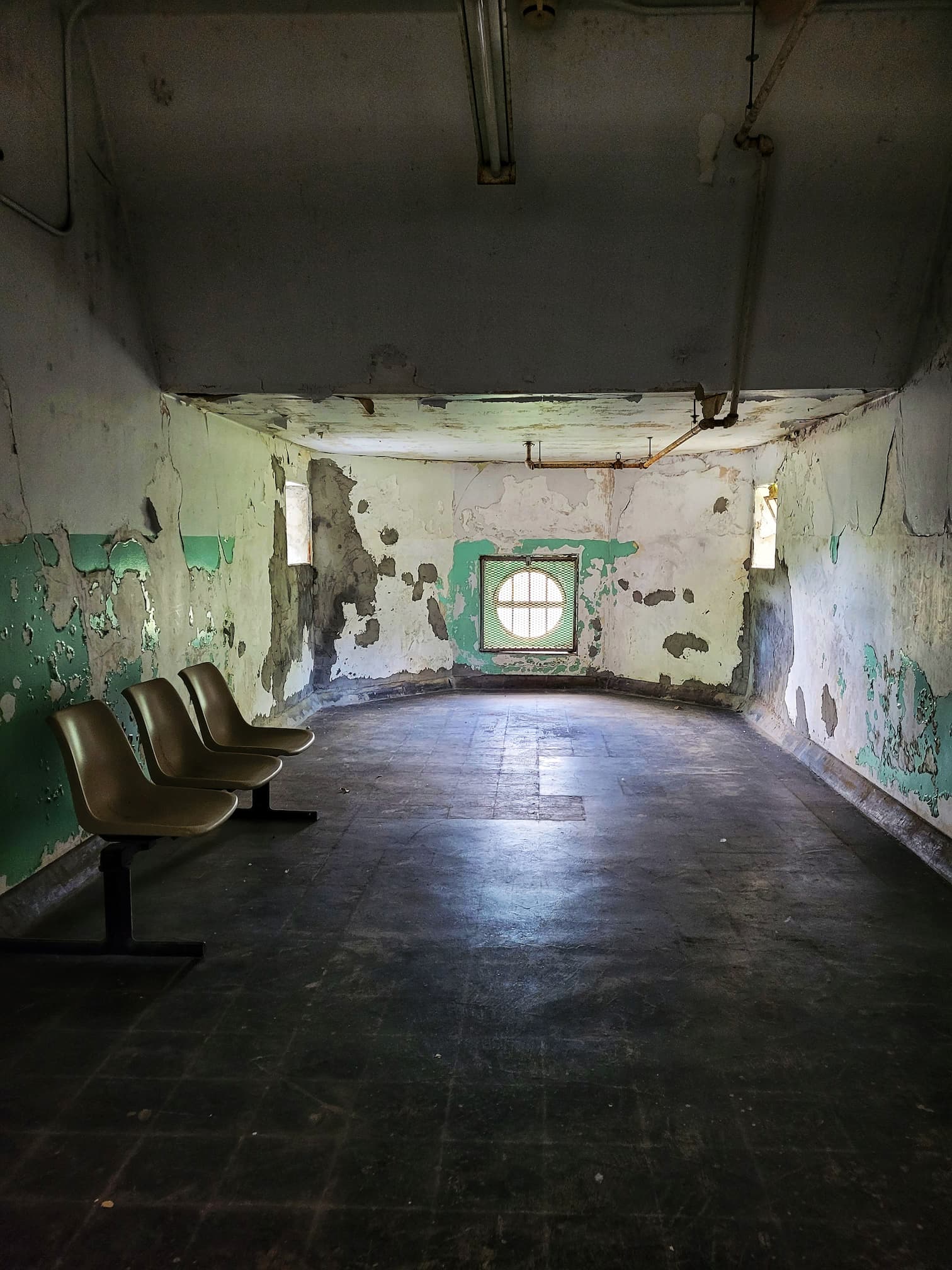
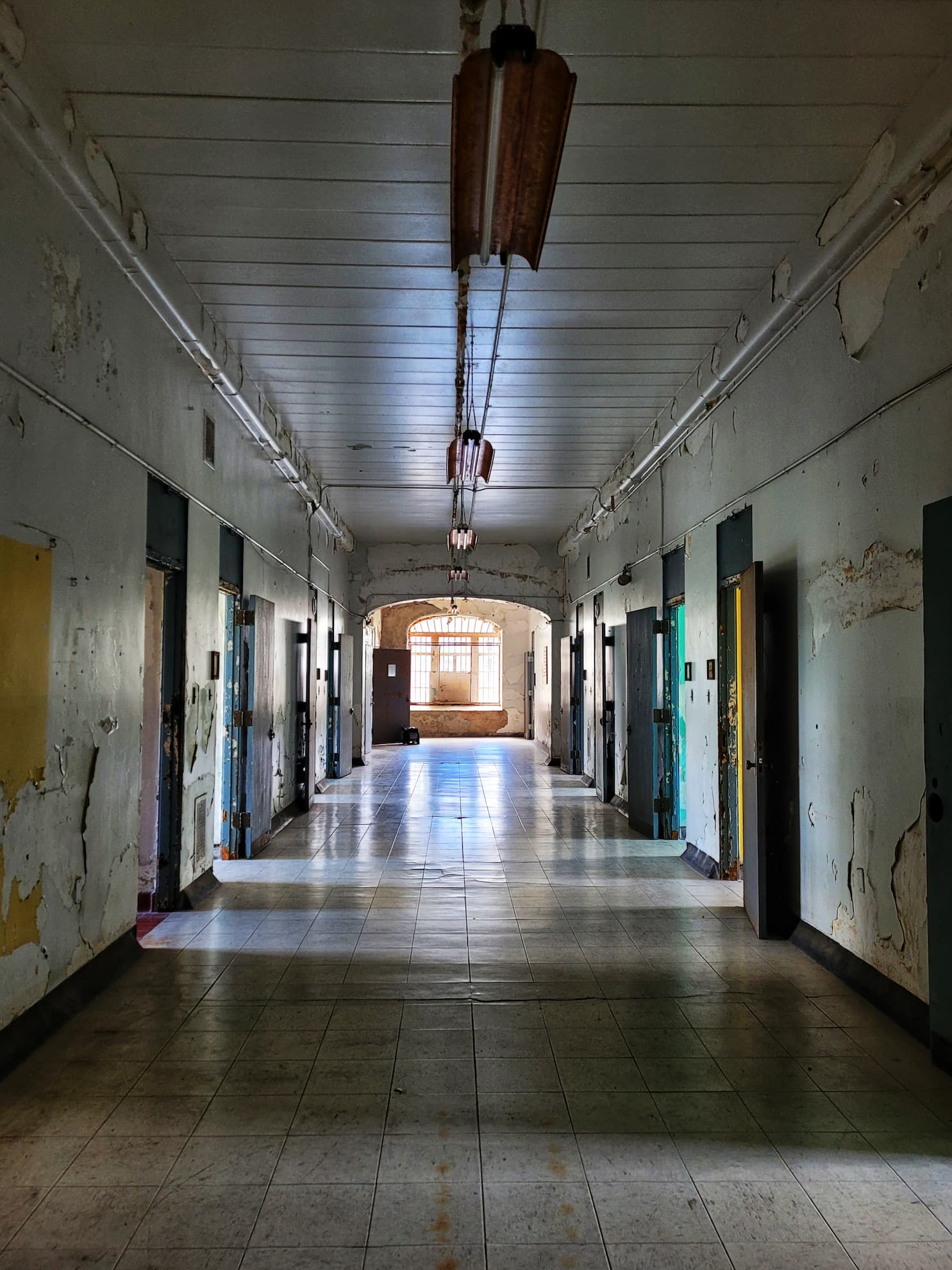
That said, we still really enjoyed the experience. Some areas of the building have been beautifully restored to resemble their original appearance, while others have been left untouched with peeling paint, cracked plaster, and that eerie abandoned feel. I loved getting to see both sides of it, it gives you a fuller sense of the building’s long, complicated life.
Be prepared for a good amount of walking, including stairs, long hallways, and large rooms. The tour packs in a lot of information: stories about former patients and staff, examples of medical treatments used through the decades, and context about how mental health care changed over time.
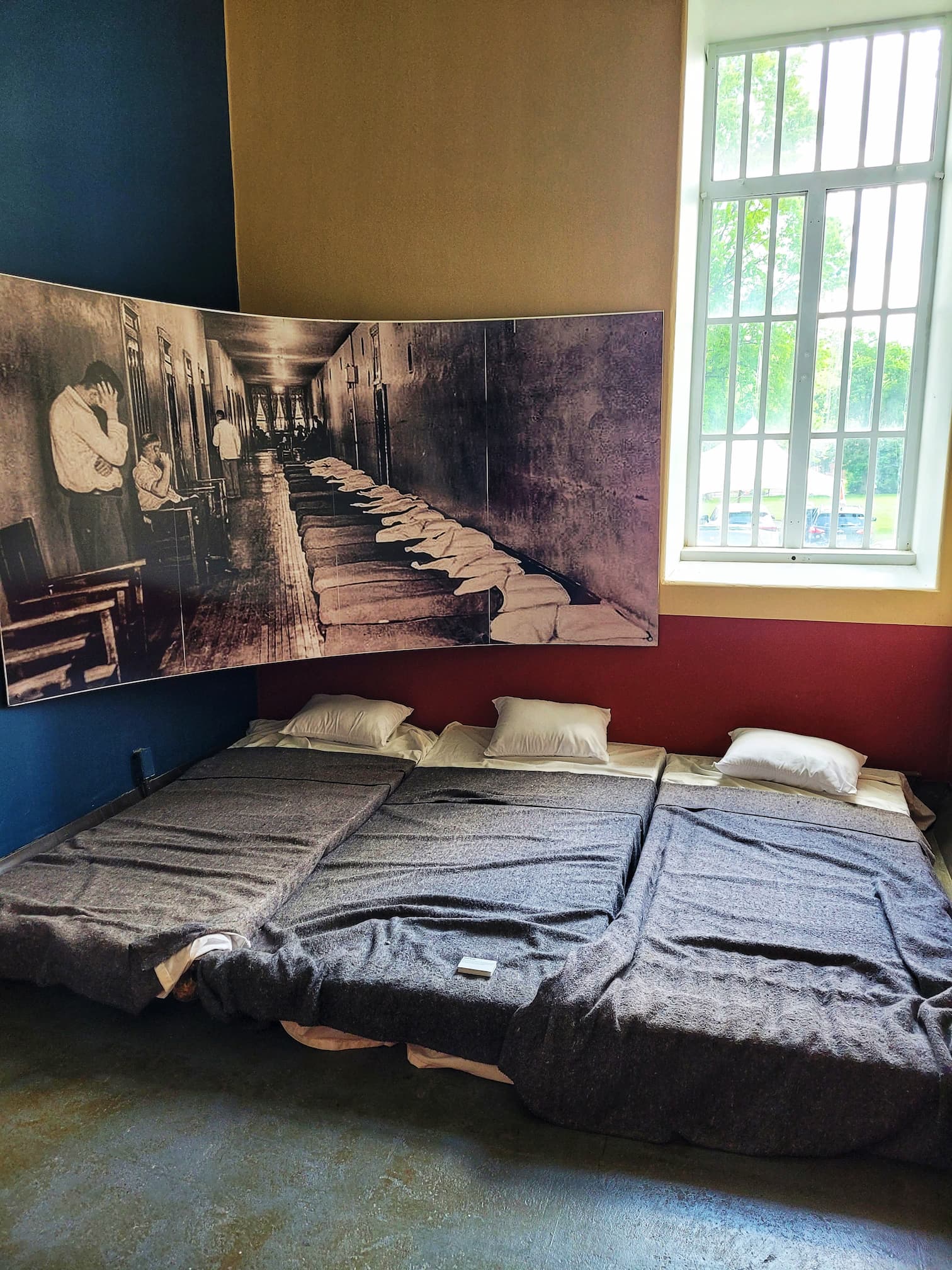
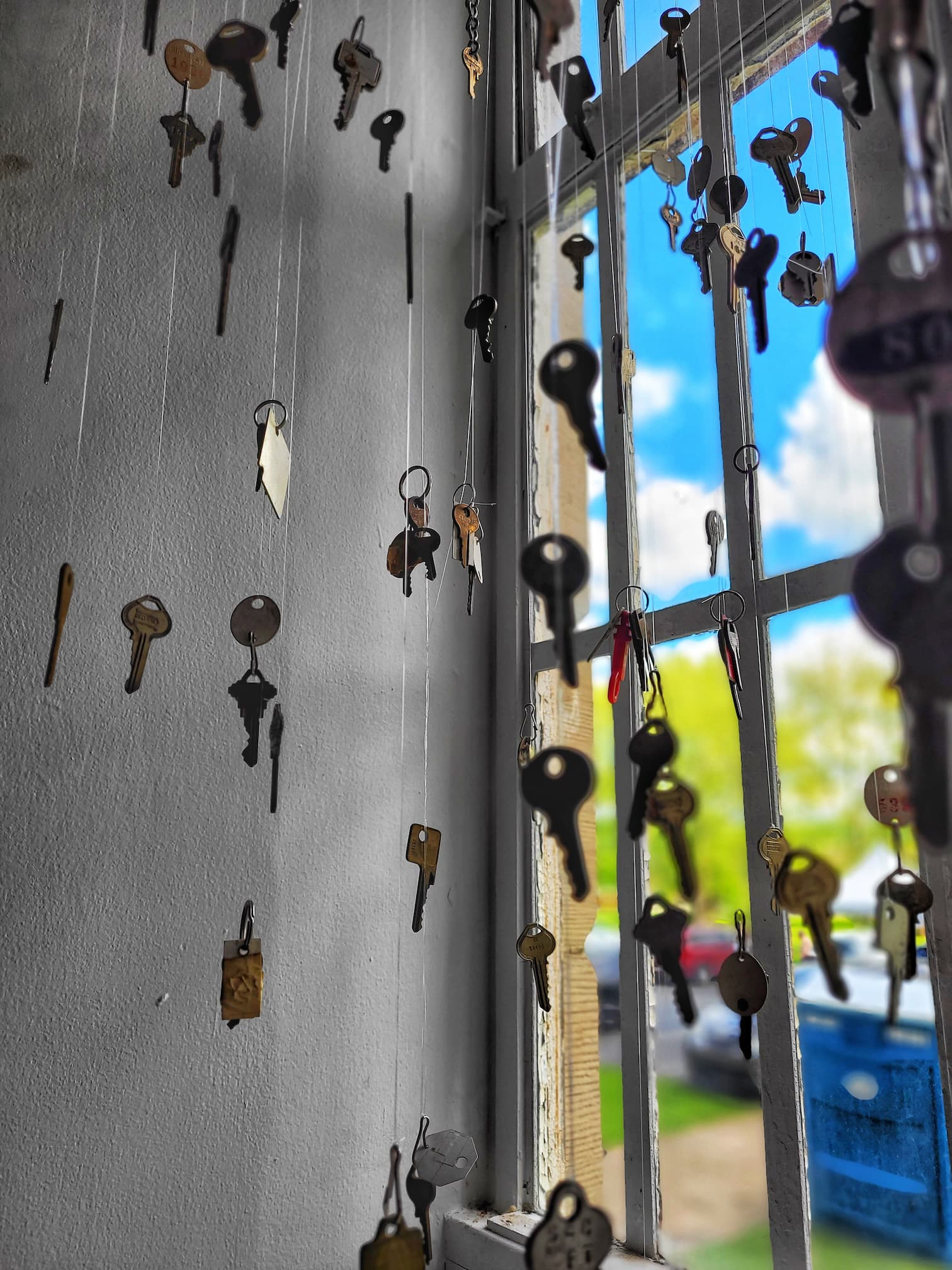
The process when we arrived was a little unsual. Outside, there was a tent set up with signs and QR codes to buy tickets on your phone. After purchasing, we checked in inside, used the restrooms, and wandered through the small museum area before the tour. Then everyone waited back in the tent until our guide called our group.
Even though we stuck to the history side this time, the paranormal tours definitely caught our curiosity. It seems like it would be fun to come back and see the place from that angle someday.
The Trans-Allegheny Lunatic Asylum on TV
It seems like just about every ghost hunting show there is has done an episode on the Trans-Allegheny Lunatic Asylum. Here are some of the most well-known:
- Ghost Stories: S01E01: Trans-Allegheny
- Ghost Hunters: S04E09: Haunted Asylum
- Ghost Hunters: S09E25: The 200th Episode: Grant is Back
- Ghost Adventures: S03E01: Ghost Adventures Live- The Trans-Allegheny Lunatic Asylum
- Paranormal Lockdown: S01E01: Trans-Allegheny Lunatic Asylum
- Paranormal Lockdown: Special: Trans-Allegheny Lunatic Asylum Unlocked
- Portals to Hell: S01E06: Trans-Allegheny Lunatic Asylum
- Destination Fear: S02E22: Trans-Allegheny Lunatic Asylum
- Expedition X: S08E01: The Madhouse
Planning Your Visit to the Trans-Allegheny Lunatic Asylum
If you’re thinking about exploring Trans-Allegheny, here are some quick planning tips to make your visit smooth and enjoyable.
Website:
http://trans-alleghenylunaticasylum.com/
Address:
71 Asylum Drive, Weston, WV 26452
When to Visit:
Weston sits in north-central West Virginia, so weather can swing from hot and humid summers to chilly winters. Spring and fall are generally the most comfortable times to explore, especially since many tours involve lots of walking and some unheated/air-conditioned spaces.
October is the busiest month thanks to all the Halloween events, so expect crowds, but also the best atmosphere if you’re into spooky season.
Booking Tips:
- Historic tours are first come, first served, so arrive early
- Paranormal tours and ghost hunts must be booked ahead of time and often sell out, especially on weekends
- Age restrictions: Paranormal experiences are 12+ only, and minors need a parent or guardian
- If you’re doing photography tours or a private investigation, double-check the rules about gear, insurance, and what’s allowed
What to Wear & Bring:
- Comfortable shoes — you’ll be walking a lot and standing on old floors
- Layers — temperature varies by building and season. Some spaces can be chilly even in summer
- Flashlight for night tours or ghost hunts (a small headlamp is great if your hands will be full)
- Water bottle — especially for long tours like the six-hour Discover the Asylum experience
- Ghost Hunting Tools — if you’re doing a ghost hunt, you’ll want to bring the basics:
Accessibility:
Parts of the asylum are accessible, but much of the historic structure includes stairs, uneven flooring, and narrow passageways. The 90-minute and longer tours require a fair amount of walking. If accessibility is a concern, it’s best to reach out ahead of time- the staff are used to accommodating where they can, but the nature of a 19th-century building sets some limits.
Special Events:
If you want to plan around seasonal events, here’s what the asylum typically offers:
- Haunted House — Late September through October; one of their biggest annual attractions
- Fall Fest — Early October; a family-friendly one-day festival with vendors, food, and activities
- The Asylum Ball — Mid-October; music, costumes, and a 21+ party atmosphere
Additional Tips:
- Parking is free and close to the entrance
- Cell service can be spotty in some buildings, so don’t rely on streaming or cloud storage for photos
- Bring snacks if you’re doing a long tour- there’s no on-site café, though they sometimes sell drinks or light concessions during events
- Give yourself extra time to explore the small museum, gift shop, and displays near the lobby
More to Do Nearby in Weston, West Virginia
If you’re visiting the asylum, you can easily make a half-day or full-day adventure out of exploring Weston and the surrounding area. Here are a few nearby stops worth checking out:
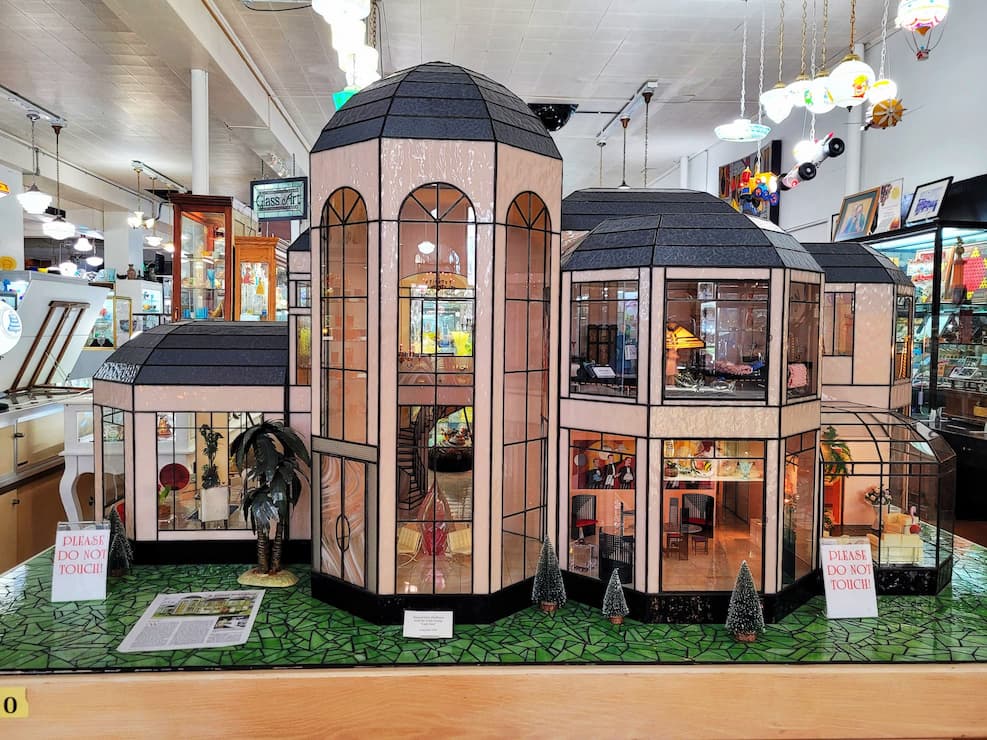
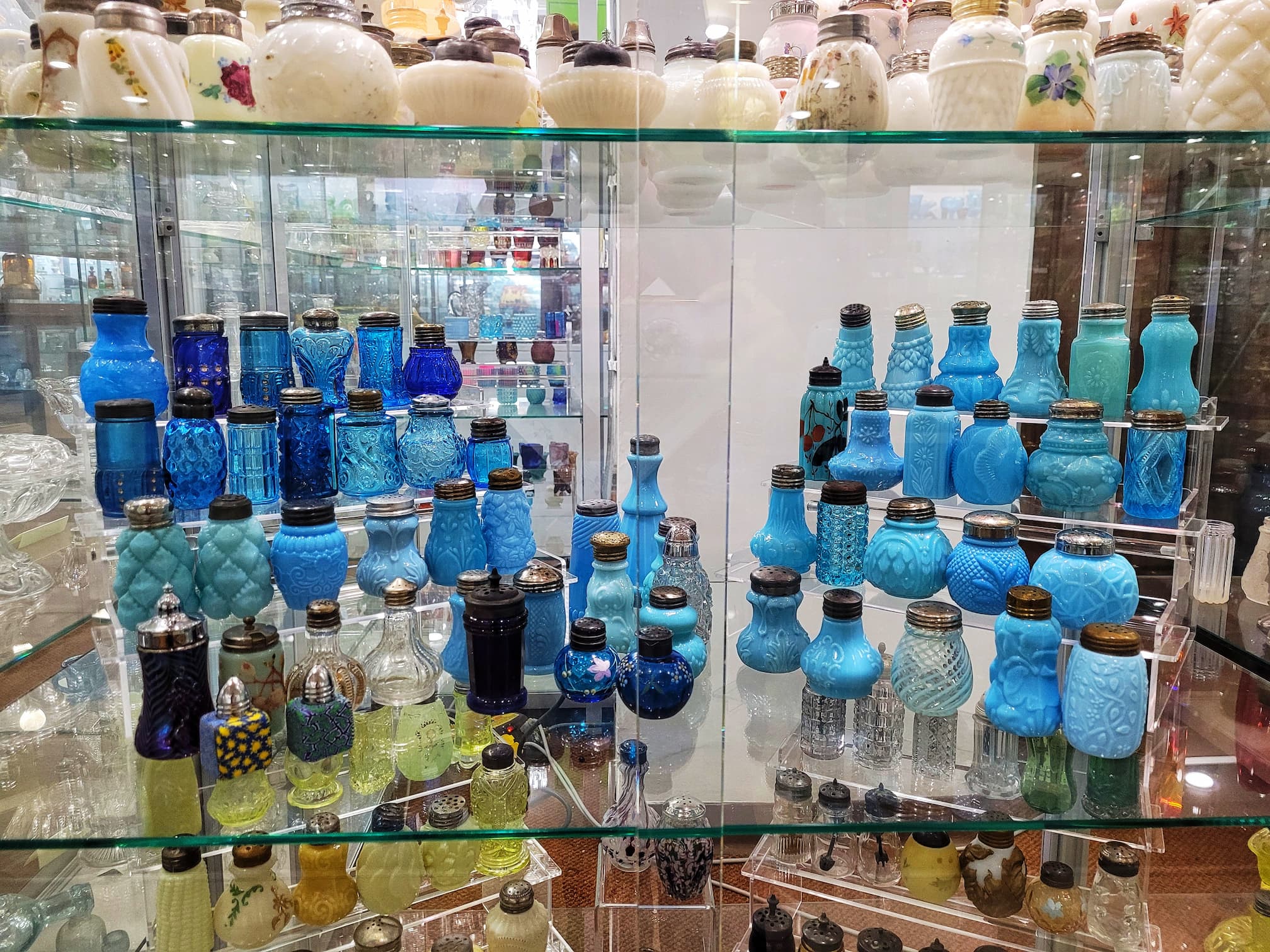
Museum of American Glass
A surprisingly fascinating museum showcasing thousands of pieces of historic and modern glassware, with exhibits that highlight West Virginia’s long glassmaking heritage.
Appalachian Glass Shops
Browse local studios where you can see artisans at work and pick up hand-blown ornaments, vases, and gifts made using traditional Appalachian techniques.
Thyme Bistro
A cozy, modern spot with fresh, seasonal dishes- great for a nicer sit-down meal after your tour.
Hickory House
Classic, no-frills West Virginia comfort food with generous portions and friendly service.
Lambert’s Winery
A charming family-owned winery offering tastings in a rustic setting just a short drive from town.
Stonewall Jackson Lake State Park
A peaceful spot for hiking, kayaking, fishing, or just enjoying the lake views- perfect if you want some fresh air after exploring the asylum’s hallways.
Downtown Weston Antiques & Shops
Pop into local antique stores and small boutiques for quirky finds and vintage treasures.
Scenic Pull-Offs Along US-19 & Local Backroads
If you’re visiting in spring or fall especially, the countryside around Weston has pretty overlooks, rolling farmland, and classic West Virginia scenery.
As Amazon Associates, we earn commission on qualifying purchases at no extra cost to you.